
Side Dishes
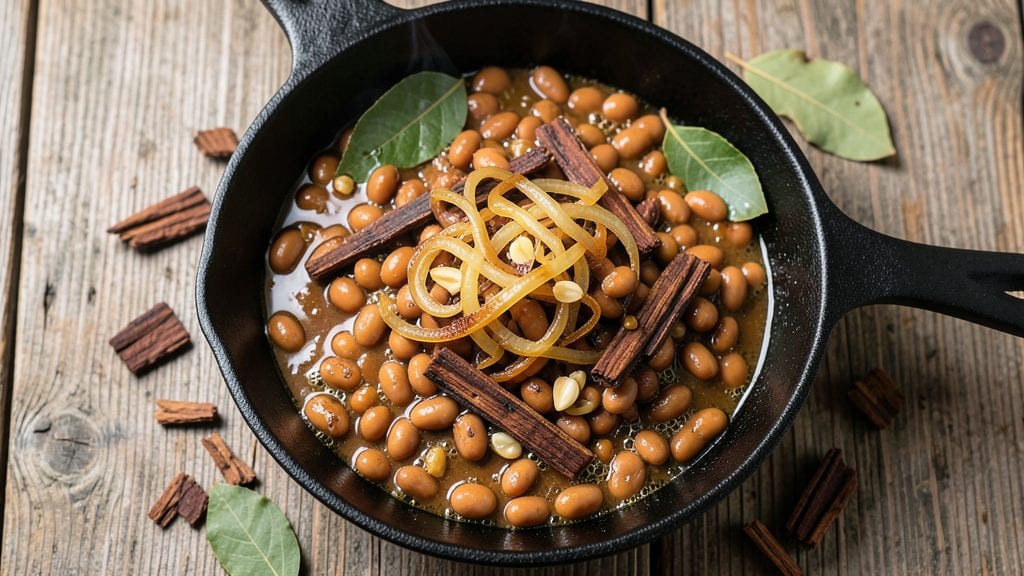
This smoked beans recipe transforms ordinary beans into a rich, smoky masterpiece without requiring a grill—just a stovetop and a few key techniques.
After years of experimenting with different smoking methods, I’ve perfected a way to infuse beans with deep, wood-fired flavor using simple pantry ingredients and a cold-smoking approach that works in any kitchen.
The secret lies in the smoking process: simmering beans in broth infused with wood chips (like hickory or applewood) until they absorb that signature smokiness.
Unlike traditional grilling, this method preserves texture while delivering restaurant-quality depth. The result? Beans that are tender, flavorful, and packed with that unmistakable smoky aroma.
Whether you prefer them whole, refried, or mashed, these smoked beans pair perfectly with cornbread, grilled meats, or fresh salsa. The recipe is designed to be foolproof—no special equipment needed, just patience and attention to detail. By the end, you’ll have a side dish that elevates any meal.
Ready to elevate your beans? This method works with navy, pinto, or black beans, and the flavor only improves the next day. Let’s get started—your taste buds will thank you.
Ingredients for smoke beans
Pantry staples plus wood chips transform simple beans into smoky perfection without a grill.
| Ingredient | Amount | Notes |
|---|---|---|
| Dried Pinto Beans 🌽 | 1 ½ lbs | Rinsed before soaking |
| Hickory Wood Chips 🌲 | ½ cup | Unsoaked, food-grade chips |
| Chicken Broth 💧 | 6 cups | Low-sodium preferred |
| Yellow Onion 🧅 | 1 whole | Diced, medium size |
| Garlic Cloves 🧄 | 4 cloves | Peeled, roughly chopped |
| Bay Leaves 🍃 | 2 whole | Dried, standard size |
| Smoked Paprika 🌶️ | 1 tbsp | For extra smokiness |
| Cumin Seeds 🌿 | 1 tsp | Toasted lightly first |
| Apple Cider Vinegar 🍎 | 1 tbsp | For brightness |
| Olive Oil 🫒 | ¼ cup | Extra-virgin preferred |
| Salt 🧂 | 1 ½ tsp | Kosher or sea salt |
| Black Pepper 🌶️ | ½ tsp | Freshly ground |
| Lime 🍋 | 1 whole | Juiced, for finishing |
| Fresh Cilantro 🌿 | ¼ cup | Chopped, for garnish |
The wood chips are the game-changer here—hickory gives classic BBQ flavor, but applewood or mesquite work too. Grab them from Costco or the camping section at Walmart—just make sure they're labeled food-grade. The beans? Pinto is my go-to, but navy or black beans work just as well. Soak them overnight for tender results, or use the quick-soak method if you're in a rush. The key is rinsing them well first to remove any dirt or debris.
No wood chips? Smoked paprika plus a splash of liquid smoke gets you close, though it's not quite the same. Swap the cumin seeds for ground cumin at half the amount if you're short on time. The apple cider vinegar can be swapped for white vinegar, but it won't be as complex. For extra richness, add a tablespoon of tomato paste—it blends right in. The lime and cilantro are for finishing, but if you're serving these with something tangy like salsa, you can skip them. The broth matters too—low-sodium is best, but if you're using regular, dilute it with water.
These beans taste even better the next day as the flavors meld. Store them in an airtight container in the fridge for up to 5 days, or freeze for 3 months. I like to portion them into containers with a little extra broth so they stay moist. For serving, mash some with a fork for refried-style beans or leave them whole for texture. The smoky aroma alone makes them irresistible—perfect for game day, potlucks, or just a cozy weeknight dinner.
Why You'll Love This Recipe
- Smoky Depth Bomb: That hickory wood? It’s not just flavor—it’s a whole vibe. The beans absorb the smokiness like a sponge, while the garlic and onion caramelize into something rich and almost sweet. Honestly, I’ve had people ask if I used BBQ sauce—nope, just patience and wood chips.
- Budget Meal, Big Payoff: Dried pinto beans are my secret weapon for stretching meals without sacrificing taste. A pound of them feeds four people easily, and the chicken broth adds richness without breaking the bank. Between us, this is the kind of recipe that makes grocery day feel like a win.
Step-by-step instructions for smoked beans without a grill
Here's how to infuse deep, smoky flavor into your beans using simple stovetop techniques.
Soak and Parboil the Dried Pinto Beans
Rinse the 1.5 lbs dried pinto beans under cold water until the water runs clear. This removes any surface debris that could affect flavor. Place them in a large bowl and cover with plenty of cold water—at least 3 inches above the beans. Let them soak overnight in the refrigerator for 8-12 hours. This long soak ensures even cooking and prevents the beans from becoming tough or splitting during cooking.
After soaking, drain the beans and transfer them to a large pot. Add 6 cups chicken broth and bring to a boil over medium-high heat. Once boiling, reduce the heat to medium-low and simmer uncovered for 30 minutes. This parboiling step softens the beans slightly and removes excess starches that could make the final texture gummy. Stir occasionally to prevent the beans from sticking to the bottom of the pot.
Build the Smoky Base with Aromatics and Spices
While the beans simmer, heat the 0.25 cup olive oil in a separate deep skillet over medium heat. Add the 1 whole yellow onion, diced, and cook for 5 minutes until softened but not browned. Add the 4 cloves garlic cloves, roughly chopped, and the 1 tsp toasted cumin seeds, cooking for another 2 minutes until fragrant. This step develops the foundational flavors that will carry through the entire dish.
Next, stir in the 1 tbsp smoked paprika and 2 whole bay leaves, letting them toast in the oil for 30 seconds. The smoked paprika adds depth, while the bay leaves contribute an earthy complexity. Remove the skillet from heat and set aside—this aromatic mixture will be combined with the beans shortly. Don't skip this step; it's where the smoky character begins to build.
Combine and Simmer with Smoky Depth
Carefully pour the parboiled beans and their cooking liquid into the skillet with the aromatics. Stir in the 1 tbsp apple cider vinegar, 1.5 tsp salt, and 0.5 tsp black pepper. The vinegar brightens the dish and balances the richness of the beans. Bring the mixture to a gentle simmer over low heat, ensuring the beans are fully submerged in the liquid. If the liquid level drops below the beans, add a splash of water to keep them covered.
Simmer uncovered for 1.5 hours, stirring occasionally. The beans should be tender but not mushy. Here's the thing—this is where patience pays off. The slow simmer allows the smoky flavors to penetrate deeply while keeping the beans intact. If the mixture starts to reduce too much, add a little more chicken broth to maintain the liquid level. The goal is a creamy yet distinct texture with pronounced smokiness.
Finish with Wood Chips for Authentic Smoke
Once the beans are tender, stir in the 0.5 cup hickory wood chips. You might think this is odd—wood chips in a stovetop pot—but this is the secret to achieving smoky flavor without a grill. Place a damp paper towel over the pot (this helps contain the smoke) and cover tightly with a lid. Let the beans simmer for an additional 15-20 minutes, allowing the wood chips to infuse their aroma into the dish.
After the wood chips have done their work, remove the lid and discard the wood chips and bay leaves. The beans should now carry a rich, smoky depth that mimics traditional smoked beans. Taste and adjust the seasoning if needed—this is your chance to fine-tune the balance of smokiness, saltiness, and acidity. The beans should be tender enough to mash slightly with a fork but still hold their shape.
Finish and Serve with Fresh Brightness
Transfer the beans to a serving bowl and stir in the juice of the 1 whole lime. This final touch adds a bright, citrusy contrast that cuts through the richness of the smoky flavors. Garnish with the 0.25 cup chopped fresh cilantro, which not only adds freshness but also a pop of color that makes the dish visually appealing.
Serve the smoked beans warm alongside cornbread, over rice, or with grilled meats. The combination of smoky, creamy beans with the zesty lime and fresh cilantro creates a dish that's deeply satisfying and full of complex flavors. This method proves you don’t need a grill to achieve authentic smoked flavor—just a little creativity and patience.
Pro Tips For Making Smoke Beans
- SOAK BEANS OVERNIGHT: Dried pinto beans need at least 8 hours in water—don’t rush this. I learned the hard way that skipping the soak (or using a quick soak under boiling water) leaves them tough and unevenly tender, no matter how long you simmer.
- SMOLDER DON’T BURN: Hickory wood chips should glow like embers, not turn to ash. If your smoker’s heat spikes too fast, back it down to 225°F—pinto beans cook low and slow, and charred wood just makes them bitter.
- CHOP ONIONS FINE: Slice that yellow onion into ¼-inch pieces, not chunks. Big pieces stay crunchy and undercooked while the broth reduces; small dice melt into the beans evenly, adding sweetness without texture clashes.
- SALT THE BROTH LAST: Hold off on adding salt until the beans are nearly done—at least the last 30 minutes. Pinto beans absorb liquid like sponges, and over-salting early turns your rich chicken broth into a sad, brackish mess.
Perfect pairings for these flavors
Smoky Cornbread Pairing
Elevate your smoked beans with a cornbread that mirrors the smoky depth—use hickory-smoked cornmeal (available at specialty stores or online) in your batter. I like to add 1 tbsp smoked paprika and ½ cup buttermilk for extra richness.
Serve warm slices alongside the beans to soak up that smoky sauce. 🌽
Zesty Lime-Cilantro Salsa
A bright lime-cilantro salsa cuts through the richness of smoked beans beautifully. Dice 2 tomatoes, ½ red onion, 1 jalapeño, and mix with juice of 2 limes, ¼ cup chopped cilantro, and 1 tsp salt.
Let it sit for 15 minutes to meld flavors. The acidity balances the smokiness perfectly. 🍋
Grilled Meat Complements
Pair smoked beans with grilled meats like pulled pork or smoked sausage for a Southern-inspired spread. The smoky notes of the beans and meat harmonize seamlessly. I recommend applewood-smoked brisket or spicy chorizo for extra depth. Serve with pickled red onions for a tangy contrast. 🍖
Crunchy Coleslaw Topping
A creamy coleslaw with a smoky twist adds texture and freshness. Toss 4 cups shredded cabbage with ½ cup mayo, 1 tbsp apple cider vinegar, 1 tsp smoked paprika, and ½ tsp celery seeds.
Chill for 30 minutes before serving. The crunch contrasts the creamy beans wonderfully. 🥬
Spicy Roasted Corn
Char 4 cups corn kernels on a grill or skillet until slightly blackened. Toss with 1 tbsp olive oil, ½ tsp chili powder, and salt. The smoky-sweet corn complements the beans’ depth while adding a fun texture. Serve warm for best results. 🌽🔥
Cool Cucumber-Avocado Salad
Balance the richness with a cool cucumber-avocado salad. Dice 1 cucumber, 1 avocado, and ½ red onion, then toss with 2 tbsp lime juice, 2 tbsp olive oil, and salt.
The creamy avocado and crisp cucumber provide a refreshing contrast to the smoky beans. ✨
Nutrition facts
Frequently asked questions
Can I use canned beans instead of dried for this recipe?
While you can use canned beans, the texture and flavor won't be the same. Dried beans absorb the smoky flavors more deeply during the long simmer. If using canned, drain and rinse them well, then simmer in the broth with wood chips for 20-30 minutes to infuse some smokiness. For best results, stick with dried beans—they're worth the extra time.
What type of wood chips work best for smoked beans?
Hickory is the classic choice for its bold, slightly sweet smoke, but applewood or cherry add a milder, fruitier note. Avoid cedar—it can taste bitter. For a BBQ-style flavor, hickory is unbeatable. If you can't find food-grade chips, smoked paprika plus a splash of liquid smoke can mimic the effect, though it's not identical.
How do I fix beans that are too mushy after cooking?
If your beans turn out too soft, it's likely from overcooking or insufficient soaking. Next time, reduce simmering time by 15-20 minutes and check for tenderness with a fork. For immediate fixes, stir in 1-2 tablespoons of cornstarch mixed with cold water to thicken the broth. Serve with extra broth on the side to adjust consistency at the table.
Can I make these beans in a slow cooker?
Use the same ingredients but adjust the method: Soak the beans overnight, then combine everything (including wood chips) in the slow cooker. Cook on low for 6-8 hours or high for 3-4 hours. The slow cooker's gentle heat enhances the smoky flavor without risking mushiness. Just skip the damp paper towel trick—slow cookers contain smoke naturally.
What's the best way to reheat leftover smoked beans?
Reheat gently in a pot with 2-3 tablespoons of water or broth over low heat until warmed through. Stir frequently to prevent sticking. Microwaving works too, but add a splash of water first to maintain moisture. Leftover beans taste even better reheated—the flavors meld further. Store in an airtight container for up to 5 days or freeze for 3 months.