
Side Dishes
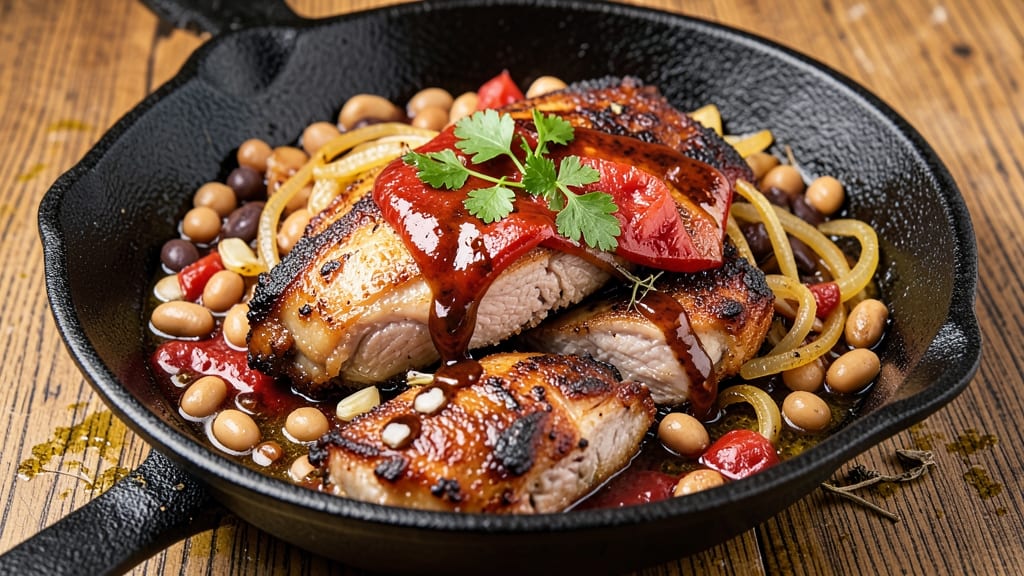
This Reba's beans recipe delivers the smoky, spiced perfection that makes Southern comfort food legendary—slow-baked pork, tender beans, and a rich tomato base that simmers into velvety harmony.
The secret lies in layering flavors through slow cooking, where browned pork shoulder and molasses deepen the sauce while cinnamon and mustard add unexpected warmth. I’ve perfected this version to balance sweetness and savory depth, ensuring every bite is both nostalgic and refined.
What sets this recipe apart is its foolproof technique for achieving restaurant-quality results at home. No fancy equipment needed—just a heavy pot or Dutch oven, and 3 hours of hands-off baking at 325°F to develop those caramelized edges and tender textures.
The pork breaks down into melt-in-your-mouth bites, while the beans soak up the smoky-sweet sauce until they’re perfectly tender. This isn’t just a side dish; it’s a centerpiece.
The result is a deeply aromatic dish with layers of flavor—smoky from the pork, sweet from the molasses, and tangy from the tomato base. The top develops a crispy, caramelized crust that contrasts beautifully with the creamy interior.
Serve it alongside cornbread or grilled meats for a meal that feels like a hug in a bowl. Once you try this version, you’ll never go back to canned beans again.
For extra richness, top with crispy bacon or crumbled cheese before serving, or add a sprinkle of green onions for freshness. This recipe scales perfectly for gatherings, and leftovers taste even better the next day. Let’s get baking—your taste buds will thank you.
Ingredients for reba's beans
Sixteen ingredients to create a smoky, spiced Southern masterpiece that tastes like home.
| Ingredient | Amount | Notes |
|---|---|---|
| Pork Shoulder (Bone-In) 🍖 | 3 lb | Cut into 1.5-inch chunks, skin on |
| Dried Navy Beans 🌱 | 1 ½ cups | Rinsed, no soaking required |
| Tomato Paste 🍅 | ½ cup | High-quality, no sugar added |
| Molasses 🍯 | ¼ cup | Unsulphured, dark variety |
| Yellow Onion 🧅 | 1 whole | Medium, diced |
| Garlic Cloves 🧄 | 4 cloves | Peeled, minced |
| Ground Black Pepper 🌶️ | 1 tsp | Freshly cracked |
| Ground Cinnamon 🌿 | 1 tsp | True Ceylon cinnamon preferred |
| Dijon Mustard 🍯 | 1 tbsp | High-quality, smooth |
| Apple Cider Vinegar 🍏 | 1 tbsp | Unfiltered preferred |
| Smoked Paprika 🌶️ | 1 tbsp | Hungarian variety |
| Bay Leaves 🍃 | 2 whole | Fresh if available |
| Salt 🧂 | 1 ½ tsp | Diamond Crystal kosher |
| Chicken Broth 💧 | 2 cups | Low-sodium, homemade preferred |
| Extra-Virgin Olive Oil 🫒 | 2 tbsp | For searing pork |
The pork shoulder is non-negotiable here—bone-in adds depth, and Costco or Whole Foods carry the best cuts. Look for a piece with good marbling, not too lean. Navy beans are ideal for their firm texture, but Great Northern or pinto beans work too. For the tomato paste, Mueller's or Rao's are my go-tos—they’ve got that rich, concentrated flavor. The molasses should be unsulphured (check the label), or you’ll taste a metallic afternote. Fresh bay leaves elevate the dish, but dried work in a pinch if that’s all you’ve got. The cinnamon? Ceylon is the gold standard—it’s sweeter and more aromatic than Cassia.
No pork shoulder? Pulled pork or smoked sausage can stand in, but you’ll lose that deep pork flavor. Short on beans? Lentils or chickpeas add texture but won’t mimic the same tenderness. The tomato paste can be swapped for crushed tomatoes (1 can), but you’ll dilute the intensity. Molasses too expensive? Maple syrup or brown sugar work, but the flavor shifts slightly. For the vinegar, balsamic adds a tangy twist. The smoked paprika is key—substitute with 1 tsp liquid smoke + 1 tsp regular paprika if needed. Fresh garlic is a must, but if you’re in a bind, garlic powder (1 tsp) plus a pinch of salt gets close.
This dish tastes even better the next day, so make it ahead—it’s perfect for meal prep. Store leftovers in the fridge for 5-6 days, or freeze for up to 3 months. The sauce thickens as it cools, so a splash of broth or water brings it back to perfection when reheating. For serving, a sprinkle of crumbled bacon or crème fraîche adds luxury. The caramelized crust? That’s the magic—don’t scrape it off!
Why You'll Love This Recipe
- One-Pot Magic: I swear by this recipe for lazy nights—just dump everything (beans, pork, onions) into a pot, add water, and let it simmer. No chopping, no fuss, just hands-off flavor.
- Molasses Kiss: That deep, smoky sweetness from the molasses? It’s the secret weapon here. The pork shoulder gets tender while soaking up the richness, and the tomato paste adds a tangy depth that balances it all perfectly.
- Potluck Star: Between us, this dish always gets requested at gatherings. It’s hearty enough for a church supper but simple enough to bring to a picnic—just reheat and serve. Plus, it feeds a crowd without breaking the bank.
- Budget-Friendly Feast: Dried beans and pork shoulder stretch for miles, and the molasses adds luxury without cost. I’ve made this for under $10 and fed four people with leftovers that taste just as good the next day.
Step-by-step instructions for smoky-spiced pork and tomato beans
Here's the method that delivers Reba's signature depth—where smoky pork meets sweet-spiced beans in perfect harmony.
Sear the Pork Shoulder for Maximum Flavor
Heat a large Dutch oven over medium-high heat until a drop of water evaporates instantly. Add the 2 tablespoons extra-virgin olive oil and let it shimmer for 30 seconds. Working in batches if needed, add the 3 lb pork shoulder cut into 1.5-inch chunks, skin-side down. Press down gently with a spatula—this prevents curling—and sear undisturbed for 4-5 minutes until deeply browned and crispy in spots.
Flip the pork and continue searing for another 3-4 minutes until all sides develop a rich mahogany crust. The reason for batch searing is simple: overcrowding steams the meat instead of creating that essential crust. Transfer the browned pork to a plate and set aside, leaving all the rendered fat in the pot—this is liquid gold for your beans.
Build the Spiced Base with Onion and Garlic
In the same Dutch oven, reduce heat to medium and add the diced 1 whole yellow onion. Cook for 5-6 minutes, stirring occasionally, until softened and golden at the edges. This caramelization builds sweetness that balances the smoky flavors later. Add the minced 4 cloves garlic and cook for another 30 seconds until fragrant—don't let it brown or it'll turn bitter.
Sprinkle in the 1 tablespoon smoked paprika and 1 teaspoon ground cinnamon, stirring constantly for 20 seconds until the spices release their aroma. Here's where the magic happens: add the 0.5 cup tomato paste and cook for 1 minute, stirring vigorously to prevent burning. The tomato paste will darken slightly—this deepens the sauce's complexity.
Combine Beans, Molasses and Liquid for Slow Cooking
Pour in the 1.5 cups dried navy beans, giving them a good stir to coat in the spiced tomato mixture. Add the 0.25 cup molasses, 1 tablespoon Dijon mustard, 1 tablespoon apple cider vinegar, 1.5 teaspoons salt, 1 teaspoon ground black pepper, and the 2 whole bay leaves. The molasses might seem like too much at first, but trust me—it's essential for that signature sweet-savory balance.
Return the seared pork to the pot, then pour in the 2 cups chicken broth. Stir everything together until the beans are fully submerged. The liquid should cover the beans by about 1 inch—if not, add a splash of water. Bring to a gentle simmer over medium heat, then reduce to the lowest setting possible while maintaining a bare bubble at the surface.
Simmer Until Pork is Fork-Tender and Beans are Creamy
Cover the Dutch oven and let it cook undisturbed for 2 hours. I know it's tempting to peek, but each time you lift the lid, you risk losing valuable steam and extending the cooking time. After 2 hours, check the pork—it should be fork-tender, with the meat easily pulling apart at the bone. If it's not quite there, continue cooking for another 30-45 minutes.
Once the pork is tender, increase heat to medium and simmer uncovered for 15-20 minutes. This reduces the sauce slightly and allows the beans to develop their signature creamy texture. The beans should be tender but still hold their shape, with a thick, glossy sauce clinging to them. Taste and adjust seasoning—you might need a pinch more salt or a splash of vinegar to balance the flavors.
Rest and Serve with Perfect Texture
Let the beans rest off heat for 10 minutes before serving. This resting period allows the flavors to meld completely and the juices to redistribute. The pork will continue to absorb the bean sauce, becoming even more tender and flavorful. Serve the beans directly from the Dutch oven, spooning the pork chunks over the top for maximum presentation.
Each bite should deliver a perfect balance of smoky, sweet, and savory notes—the crispy pork chunks contrast beautifully with the creamy beans. The molasses adds depth, while the vinegar brightens the whole dish. For best results, serve with crusty bread to soak up every last bit of that rich sauce.
Pro Tips For Making Reba'S Beans
- Brown the Pork First: Skip the slow start—sear that bone-in pork shoulder in a hot Dutch oven until it’s deep golden brown. The crust locks in flavor and prevents the meat from turning bland during the long cook. I used to rush this, and the beans ended up tasting like they were missing something.
- Soak Beans Overnight: Navy beans expand like crazy, so give them a 12-hour soak in cold water with a splash of vinegar. This cuts cooking time by half and keeps them from splitting into mush. I learned this the hard way after a pot of beans turned into a thick paste.
- Stir the Molasses Early: Add the molasses right after the tomato paste, not at the end. Stirring it into the hot liquid prevents clumping and lets the sweetness meld into the sauce instead of sitting in lumps. My first attempt looked like someone had dumped syrup on the beans.
- Simmer, Don’t Boil: Keep the heat low enough that you barely see bubbles—no rolling boil. Navy beans cook best in gentle heat, and a hard boil turns them mealy. I used to crank the stove, and the beans would fall apart by the end.
Wine and beer pairings for this recipe
Southern Red Wine
For this rich, molasses-kissed dish, I reach for a bold Southern red like Albemarle Vineyards Cabernet Franc from Virginia. Its blackberry and plum notes stand up beautifully to the smoky pork and sweet molasses, while its moderate tannins cut through the creaminess of the beans.
Serve slightly chilled (55-60°F) to highlight its bright acidity against the dish's depth. 🍷
Malbec Magic
A Mendoza Malbec from Argentina offers an unexpected but perfect match—its dark fruit and velvety texture complement the beans' smoky-sweet profile. Look for a 2019 or newer vintage with 14-15% ABV to balance the dish's richness.
The wine's soft tannins won't overwhelm the tender pork, making each sip feel like a warm hug. 💜
Craft Beer Pairings
For beer lovers, a smoked porter like Goose Island Bourbon County Stout (with its bourbon barrel notes) mirrors the dish's caramelized crust. Alternatively, try a honey-brown ale—Allagash Honey Brown from Maine—where its toasted malt sweetness harmonizes with the molasses.
Serve both at 50-55°F to preserve their complexity. 🍺
Unexpected White Wine
Don't overlook Viognier—a Rondelli Vineyards from California delivers stone fruit and floral notes that surprisingly complement the smoky-sweet balance. Its high acidity cuts through the richness, while its subtle spice echoes the cinnamon in the beans. Chill to 48-50°F for optimal contrast. ✨
Regional Beer Twist
In the South, Southern Comfort (a bourbon-infused whiskey) makes a bold pairing—try it neat or in a bourbon old-fashioned with a dash of cinnamon. For a non-alcoholic option, Sparkling Apple Cider from Martinelli's adds crisp acidity that refreshes the palate between bites. 🍏
After-Dinner Digestif
Finish with a small glass of Irish whiskey like Jameson Black Barrel—its vanilla and caramel notes echo the molasses while the smoky peat undertones bridge back to the pork. Sip at room temperature to let the flavors unfold slowly. 🥃
Nutrition facts
Frequently asked questions
Why does this recipe use molasses instead of brown sugar?
Molasses adds a deeper, more complex sweetness that brown sugar can't replicate. Its rich, almost caramel-like depth enhances the smoky pork and tomato base, creating that signature Southern flavor profile. The molasses also helps develop a glossy, caramelized crust on top that's irresistible.
Can I make this recipe without a Dutch oven?
Yes! Use a heavy pot with a tight-fitting lid or even a slow cooker. For the stovetop version, sear the pork in a skillet first, then transfer everything to the pot. In a slow cooker, combine all ingredients and cook on low for 6-7 hours or high for 4 hours. The flavors will still develop beautifully.
How do I know when the pork is done?
The pork is ready when it's fork-tender and easily pulls apart at the bone. After 2 hours of simmering, test it by inserting a fork—if it slides in with minimal resistance and the meat flakes apart, it's perfect. If not, continue cooking for another 30-45 minutes until tender. The beans should be tender but still hold their shape.
What's the best way to reheat leftovers?
Reheat gently in a saucepan over low heat, adding a splash of broth or water if the sauce is too thick. For extra richness, cover and let it warm through for 10-15 minutes. Avoid microwaving, as it can make the pork dry. Leftovers taste even better the next day—this dish improves with time as the flavors meld!
Can I substitute canned beans for dried?
You can, but dried beans develop a creamier texture and richer flavor. If using canned, drain and rinse 1 (15 oz) can of navy beans (or pinto beans) and add them with the broth. Simmer uncovered for 15-20 minutes to thicken the sauce. The result will be delicious but slightly less textured than with dried beans.