Soups & Stews
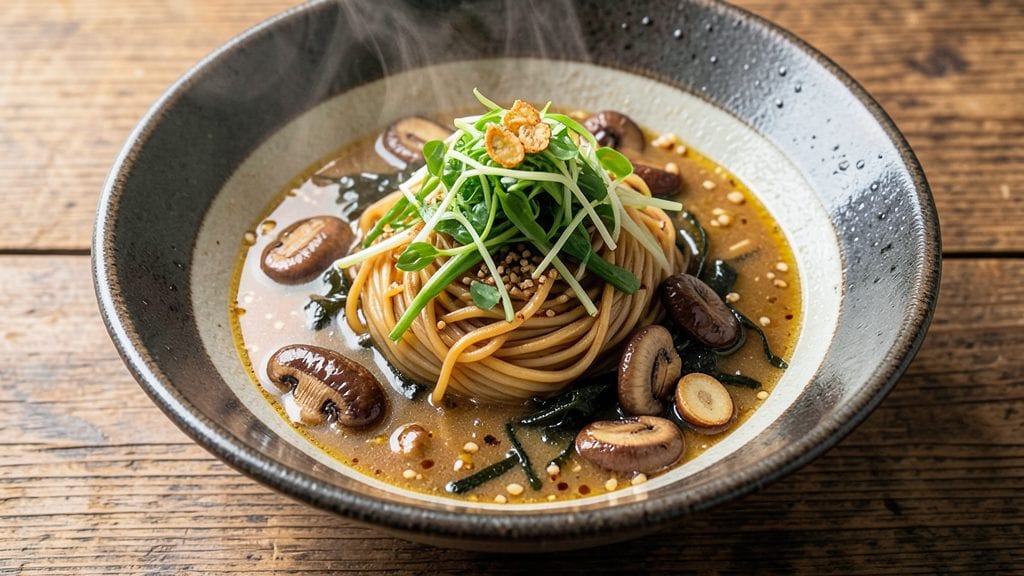
This ramen nagi bean sprout recipe delivers the perfect balance of crunchy texture, rich umami, and comforting warmth in every bowl. The secret lies in a carefully layered broth—whether you choose a vegetarian kombu-dashi base or a hearty pork-infused version—paired with delicate bean sprouts that add freshness and bite.
I’ve refined this recipe over countless bowls, ensuring the noodles stay al dente while the toppings add complexity without overpowering the delicate flavors.
The beauty of this dish is in its versatility and depth. A soft-boiled egg (or chashu pork for non-vegetarians) adds richness, while nori strips and green onions bring layers of aroma and color.
The broth simmers low and slow, extracting maximum flavor from mushrooms, kombu, or pork bones, while the nagi bean sprouts—lightly blanched—retain their signature crunch. This isn’t just ramen; it’s a textural and flavorful experience that transforms a simple bowl into something extraordinary.
What makes this recipe stand out is the harmony of techniques: traditional Japanese simmering for the broth, precise egg preparation, and the art of balancing toppings for every bite. The result?
A bowl that’s restaurant-quality at home, with a broth so rich it coats your spoon and noodles that hold their shape perfectly. Whether you’re a ramen novice or a seasoned enthusiast, this recipe delivers a bowl that’s as satisfying as it is impressive.
Serve it with a drizzle of toasted sesame oil or a sprinkle of chili flakes for a modern twist, or keep it classic with just soy sauce and mirin. The possibilities are endless, but the foundation—umami-packed broth, crisp bean sprouts, and tender noodles—remains the same. Let’s get cooking!
Ingredients for ramen nagi bean sprout
Four packages of noodles, eight cups of fresh bean sprouts, and a symphony of umami ingredients create this restaurant-quality bowl.
| Ingredient | Amount | Notes |
|---|---|---|
| Dried Ramen Noodles 🍜 | 2 packages | Discard seasoning packet, use only noodles |
| Nagi Bean Sprouts 🌱 | 4 cups | Fresh, loosely packed, rinsed |
| Dried Shiitake Mushrooms 🍄 | 8 whole | Rehydrated, stems removed |
| Dried Kombu Seaweed 🌿 | 1 sheet | High-quality, 6x6 inches |
| Vegetable Dashi Granules 💧 | 2 tbsp | Vegetarian alternative to fish-based dashi |
| Soy Sauce 🍶 | ½ cup | Japanese tamari preferred |
| Mirin 🍶 | ¼ cup | Sweet cooking rice wine |
| Sesame Oil 🫒 | 1 tbsp | Toasted, for finishing |
| Large Eggs 🥚 | 4 whole | Fresh, soft-boiled |
| Green Onions 🧅 | 4 whole | Thinly sliced, white and green |
| Nori Sheets 🍣 | 4 sheets | Toasted, cut into strips |
| Toasted Sesame Seeds 🌰 | 1 tbsp | For garnish |
| White Miso Paste 🧈 | 1 tbsp | Dissolved in warm water |
| Garlic Cloves 🧄 | 4 cloves | Minced, for miso paste |
| Red Chili Flakes 🌶️ | ½ tsp | Optional, for heat |
The foundation begins with high-quality kombu—look for Japanese brands like Marukome or Miyagi for optimal flavor extraction during simmering. Dried shiitake mushrooms should be plump and dark brown, with no signs of mold or moisture; Maeshi or Sun No Hana are excellent choices. Nagi bean sprouts require careful selection: choose firm, bright green sprouts with minimal yellowing, typically found in Asian markets or well-stocked grocery stores like Whole Foods or Trader Joe's. For the dashi, vegetarian granules from brands like Hojicha or Kombu Dashi ensure authentic umami without animal products. The miso paste should be smooth and fermented for at least 6 months—Miso Master or Hokkaido brands deliver superior depth.
Substitutions hinge on maintaining umami balance: no kombu? Replace with 1 tbsp of white miso paste dissolved in warm water. Short on shiitake? Cremini mushrooms work in a pinch, though they lack the earthy depth. For the bean sprouts, mung bean sprouts or sprouted lentils provide a similar texture. The miso paste can be swapped for white soy sauce plus a pinch of sugar, though flavor will differ. If you lack mirin, dry sherry or a 1:1 mix of sugar and water mimics its sweetness. For the eggs, soft-boiled or marinated in soy sauce both work; marinated versions add an extra layer of flavor. Always toast sesame seeds in a dry pan until fragrant—this step elevates the dish.
Store dried kombu and miso paste in airtight containers in a cool, dark place for up to 1 year. Rehydrated shiitake mushrooms keep in the fridge for 5 days submerged in water. Bean sprouts should be used within 3 days of purchase, stored in a breathable container. The broth can be made ahead and refrigerated for 4 days or frozen for 3 months. For the noodles, cook only what you need—they lose texture when reheated. Garnishes like nori and sesame seeds remain fresh for 2 weeks in sealed bags. Portion toppings into small containers to streamline assembly when serving.
Why You'll Love This Recipe
- Pantry Powerhouse: I swear by this recipe when my fridge is bare—just dried noodles, a handful of bean sprouts, and a few pantry staples. No fresh herbs, no fancy prep, yet it hits that umami-rich, satisfying spot every time the kombu and shiitake mushrooms soak into the broth.
- Crunchy Magic: That first bite of cold bean sprouts against the warm, chewy noodles? Pure texture contrast. I’ll be real: I’ve tried this with just hot water and it’s still ridiculously good, but when you add a quick stir-fry of the sprouts in a little oil, it becomes next-level.
- Budget Meal Prep: This is my go-to for lazy Sundays or when I need to feed the family without breaking the bank. The dried ingredients last forever, and a big batch reheats perfectly—just toss with a splash of water, and it’s like it was made fresh. (Yes, even on a Tuesday night.)
- No-Waste Umami Bomb: Between us, the dried shiitake and kombu make this taste way more expensive than it is. I’ll often save the leftover broth for soups or even a quick sauce—nothing goes to waste, and the flavor keeps giving. Honestly, I make it just for the broth sometimes.
Step-by-step instructions for ramen nagi bean sprout bowl
Here's the method for crafting a vibrant, umami-rich noodle dish with crisp textures and layered flavors.
Prepare the Miso-Garlic Broth Base
In a medium saucepan, combine 2 tablespoons vegetable dashi granules with 1 tablespoon white miso paste and 4 minced garlic cloves. Add 4 cups water and bring to a gentle simmer over medium heat. This creates the foundational umami depth of the broth.
Simmer for 5 minutes until the miso paste fully dissolves and the aroma becomes rich and aromatic. The broth should have a smooth, velvety texture without any graininess. Keep the heat at a bare simmer—boiling can destroy the delicate miso flavor. Remove from heat and set aside for now.
Rehydrate and Prepare Vegetables
Place the 8 whole dried shiitake mushrooms in a heatproof bowl and cover with hot water. Let them soak for 20 minutes until fully rehydrated and pliable. Drain, remove stems, and slice the caps into ¼-inch strips. The mushrooms should retain their meaty texture while absorbing the broth's flavors.
In a separate bowl, combine the 4 cups nagi bean sprouts with ½ teaspoon red chili flakes (if using) and toss gently. This subtle heat will complement the dish's earthy notes. Keep both the mushrooms and sprouts at room temperature until ready to use.
Cook the Ramen Noodles
Bring a separate pot of water to a rolling boil and add 2 packages dried ramen noodles. Cook for 2 minutes less than the package instructions—ramen noodles continue cooking in the hot broth. Drain immediately and rinse under cold water for 10 seconds to stop the cooking process and remove excess starch.
This quick cooking method preserves the noodles' texture while preventing them from becoming mushy in the broth. The slight undercooking ensures they maintain their bite even after absorbing the flavorful liquid.
Assemble and Finish the Bowl
Return the miso-garlic broth to medium heat and add the sliced shiitake mushrooms. Simmer for 3 minutes until the mushrooms soften slightly and begin to release their earthy aroma. Stir in ½ cup soy sauce and ¼ cup mirin, bringing the mixture to a gentle simmer again.
Add the drained ramen noodles and 4 cups nagi bean sprouts to the broth. Toss gently to coat all ingredients evenly. The noodles should absorb the broth's rich flavors while maintaining their texture. Keep the mixture warm but not boiling.
Soft-Boil Eggs and Garnish
Place 4 large eggs in a small saucepan and cover with cold water. Bring to a gentle simmer over low heat and cook for 6 minutes. Immediately transfer to an ice bath for 5 minutes to stop cooking. Peel and slice each egg into quarters.
To assemble each bowl, divide the noodle mixture evenly among 4 bowls. Top each serving with 1 soft-boiled egg quarter, 1 sheet toasted nori strips, 1 tablespoon toasted sesame seeds, and 1 green onion sliced into ¼-inch pieces. Drizzle with 1 teaspoon sesame oil per bowl for added richness.
Pro Tips For Making Ramen Nagi Bean Sprout
- SOAK SHIITAKES FIRST: Dried shiitakes need at least 15 minutes in hot water before adding to the broth—this guarantees they rehydrate evenly and don’t turn into rubbery chew. I used to toss them in dry and they’d just float like sad little ghosts.
- CUT BEAN SPROUTS IN HALF: Whole nagi bean sprouts take forever to soften and can make the broth watery. Halve them lengthwise before cooking—they’ll cook faster and release more flavorful juice into the broth.
- DON’T BOIL THE KOMBU: Simmer kombu gently at the lowest heat possible—it’s delicate and burns easily. If you see bubbles forming around it, you’re cooking it too hard, which turns the broth bitter. Just let it steep like a lazy tea bag.
- USE THE RAMEN BROTH BASE: Skip the vegetable dashi granules and use the seasoning packet from the ramen itself—it’s already balanced for umami and salt. Just dissolve it properly in hot water first, or you’ll end up with clumpy sludge.
Creative variations of ramen nagi bean sprout
Spicy Miso Twist
Elevate the classic ramen by swapping the miso-garlic base for a spicy miso broth. Start by blending 1 tbsp white miso paste with 1 tbsp gochujang (Korean chili paste) and 1 tsp grated ginger.
Simmer this mixture with the dashi granules and soy sauce for 8 minutes instead of 5, allowing the heat to infuse deeply. The result? A bowl with fiery depth that contrasts beautifully with the cool crunch of bean sprouts. 🌶️
Sesame-Ginger Broth
For a lighter, brighter take, infuse the broth with sesame and ginger. After simmering the miso-garlic base, stir in 1 tbsp toasted sesame oil and 1 tbsp freshly grated ginger. Add 1 sliced green onion (white parts only) and simmer for an extra 3 minutes.
The ginger adds a zesty lift, while sesame oil introduces nutty warmth. This version pairs perfectly with a drizzle of chili crisp for extra heat.
Vegetarian Chashu
Skip the egg entirely and create a vegetarian "chashu" using king oyster mushrooms. Slice 4 large king oyster mushrooms into ½-inch rounds and marinate in ¼ cup soy sauce, 1 tbsp mirin, and 1 tsp sugar for 30 minutes.
Then, pan-sear until caramelized. These mushrooms mimic the texture of traditional chashu while keeping the dish fully plant-based. 🍄
Crispy Bean Sprout Topping
Take the bean sprouts to the next level by crisping them in a pan. After blanching, toss 2 cups bean sprouts with 1 tsp neutral oil and spread them on a baking sheet.
Broil for 2-3 minutes until edges turn golden. This adds a smoky crunch that contrasts the silky broth. Save the remaining sprouts for the bowl to maintain freshness.
Umami Bomb Broth
Maximize umami by adding dried bonito flakes (for non-vegetarians) or shiitake powder. For the vegetarian version, blend 2 dried shiitake mushrooms into a fine powder and sprinkle 1 tsp into the simmering broth.
The concentrated umami from the powder deepens the flavor without altering texture. For non-vegetarians, add ½ tsp bonito flakes just before serving—they dissolve instantly, releasing an intense oceanic aroma. 💫
Cold Ramen Noodle Salad
Transform this dish into a refreshing cold noodle salad. Cook the ramen noodles al dente, rinse in ice water, and toss with 2 tbsp rice vinegar, 1 tbsp sesame oil, and ½ tsp sugar.
Top with blanched bean sprouts, sliced cucumber, and a soft-boiled egg. This version is perfect for summer, offering a cool, crunchy contrast to the warm broth recipe. ✨
Nutrition facts
Frequently asked questions
What makes nagi bean sprouts different from regular bean sprouts?
Nagi bean sprouts are a Japanese variety with a unique crunchy texture and slightly sweet, nutty flavor. Unlike regular mung bean sprouts, they hold their shape better when cooked and have a firmer bite. This makes them perfect for ramen—they add texture contrast without turning mushy. Look for them in Asian markets or well-stocked grocery stores.
Can I make this ramen vegetarian?
Skip the egg or chashu pork and use king oyster mushrooms as a meaty alternative. Marinate them in soy sauce and mirin for a "vegetarian chashu" effect. For extra umami, add shiitake powder to the broth instead of bonito flakes. The bean sprouts and mushrooms will provide all the protein and texture you need.
How do I prevent my ramen noodles from getting mushy?
Cook the noodles 2 minutes less than package instructions, then rinse briefly in cold water to stop cooking. For extra firmness, use fresh or dried ramen noodles (like udon or soba) instead of instant. When assembling the bowl, add the noodles to the hot broth just before serving—they'll finish cooking perfectly without over-softening.
What's the best way to store leftover bean sprouts?
Store them in an airtight container with a paper towel to absorb moisture. Keep them in the fridge for up to 3 days. For longer storage, blanch them first (30 seconds in boiling water, then ice bath) to preserve freshness. Never wash them until ready to use—they spoil faster when damp. Freezing isn't recommended as it destroys their crisp texture.
Can I make the broth ahead of time?
Yes! The broth keeps well in the fridge for 4 days or freezes for 3 months. When reheating, warm it gently on low heat—never boil—to preserve the delicate miso flavor. For extra richness, add a splash of water or dashi when reheating. The bean sprouts and toppings can be prepped separately and assembled when ready to serve.