
Sauces & Condiments
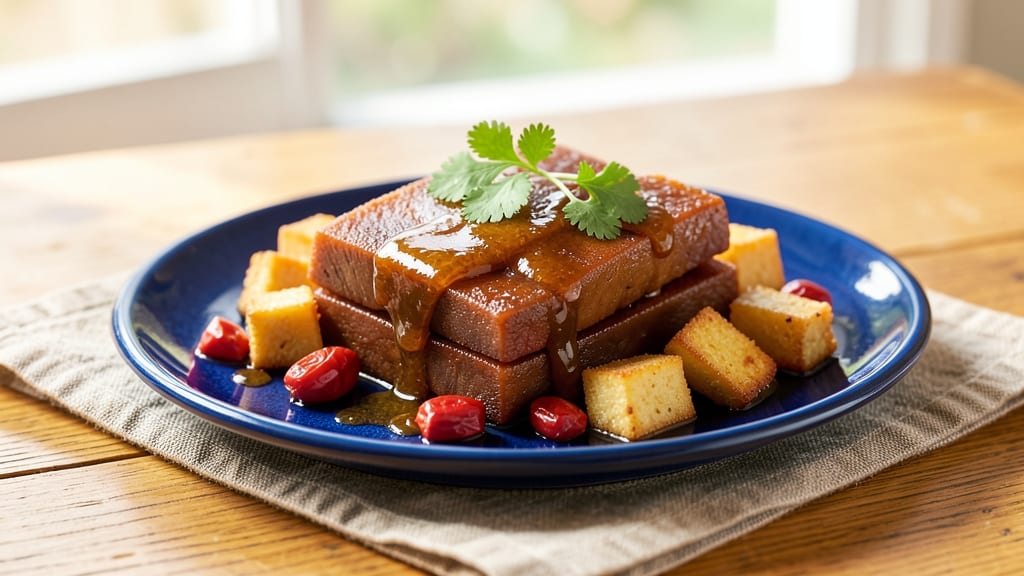
This preserved bean curd recipe transforms simple tofu into a fermented umami powerhouse that elevates every dish it touches. The process—salting, pressing, and brining—unlocks deep savory complexity, much like traditional douganjiang or kongnamul techniques.
I’ve refined this method to ensure safety while maximizing flavor, so you get restaurant-quality results at home without the guesswork.
The beauty of preserved bean curd lies in its versatility. Whether you’re stir-frying, braising, or using it as a tangy condiment, its concentrated umami flavor cuts through rich dishes effortlessly. The key steps—proper salting to draw out moisture and precise brine ratios—ensure no bitterness or mold risks.
With just 10 minutes of prep and 5 days of fermentation, you’ll have a pantry staple that lasts months.
What you’ll end up with is a deeply savory, slightly tangy block of bean curd that adds depth to soups, noodles, or even sandwiches. The texture becomes firm yet tender, perfect for slicing thin or crumbling into dishes.
This isn’t just a condiment—it’s a flavor multiplier that transforms simple meals into something extraordinary.
Store it in the refrigerator for up to 3 months, or ferment longer for even more complex flavors. Ready to revolutionize your cooking? Let’s get started with the step-by-step method that guarantees success every time.
Ingredients for preserved bean curd
Simple tofu, bold flavors—just 13 ingredients transform into a fermented umami powerhouse.
| Ingredient | Amount | Notes |
|---|---|---|
| Extra-Firm Tofu 🧀 | 14 oz | Organic, non-GMO preferred |
| Diamond Crystal Kosher Salt 🧂 | 1 ½ cups | Fine grain for even distribution |
| Distilled White Vinegar 🍶 | 1 cup | 5% acidity for proper fermentation |
| Water 💧 | 2 cups | Filtered, room temperature |
| Soy Sauce 🍶 | ¼ cup | Organic, gluten-free if needed |
| Garlic Cloves 🧄 | 4 cloves | Minced for infusion |
| Fresh Ginger 🌿 | 1 ½ oz | Grated, 1-inch piece |
| Sesame Oil 🫒 | 1 tbsp | Toasted, for aroma |
| Dried Shiitake Mushrooms 🍄 | 2 pieces | Rehydrated, sliced |
| Dried Red Chili Peppers 🌶️ | 2 pieces | Seeded, for subtle heat |
| Black Peppercorns 🌶️ | 1 tsp | Coarsely crushed |
| White Rice Vinegar 🍶 | 1 tbsp | Balances acidity |
| Sugar 🍬 | 1 tbsp | Cane sugar for fermentation |
The tofu is the foundation, so organic extra-firm is non-negotiable—it holds up better during pressing and fermentation. Trader Joe's or Whole Foods carry great options, but any non-GMO brand works. The salt matters too: Diamond Crystal dissolves evenly, but any fine kosher salt will do. For the mushrooms and chilis, Asian markets have the best selection—dried shiitake and red chilis add depth without overpowering. Pro tip: Toast your dried chilis in a dry pan for 30 seconds to wake up their flavors before adding to the brine.
No organic tofu? Regular firm tofu works fine, just press it longer. Short on vinegar? Lemon juice at 1:1 ratio is a decent swap, though it won’t ferment identically. The garlic and ginger can be jarred minced if you’re in a rush, but fresh is ideal. For the soy sauce, tamari works for gluten-free, and if you’re out, coconut aminos in a pinch (though it’s sweeter). The sugar is optional but helps with fermentation—if you skip it, add an extra 1/2 tsp of vinegar to compensate.
This isn’t a ‘make and forget’ project—check your bean curd daily for the first 3 days, then every other day after that. Store it in a sterilized glass jar with the brine fully covering the tofu. Keeps in the fridge for 3 months, but the flavor peaks after 2-3 weeks. For longer storage, freeze portions in brine for up to 6 months. The texture gets firmer over time, so slice it thin when using in stir-fries or crumble it into soups for maximum umami punch.
Why You'll Love This Recipe
- No-Cook Magic: I swear by this—just cube the tofu, toss it in vinegar and soy sauce, and let time do the work. Zero stove, zero fuss, and it’s ready when you are.
- Umami Bomb: That tangy-salty-soy combo? It’s like a flavor upgrade for anything you add it to. The vinegar cuts through the tofu’s blandness, leaving you with something crisp, savory, and ridiculously good.
- Pantry Staple: Honestly, this is my go-to for lazy nights or when I’m feeding a crowd. Use it in stir-fries, salads, or even as a snack—it’s that versatile. Plus, it keeps for weeks, so I’m never scrambling for ideas.
- Budget Hack: Extra-firm tofu is cheap, and this method stretches it further than you’d think. A single batch lasts me all week, and I’m always reaching for it when I need something quick, cheap, and satisfying. (Yes, even on a Tuesday night.)
Step-by-step instructions for preserved bean curd
Here's how to transform simple ingredients into a complex, fermented flavor powerhouse.
Prepare and Press the Extra-Firm Tofu
Start by draining the 14 oz extra-firm tofu and wrapping it tightly in a clean kitchen towel. Place a heavy object like a cast-iron skillet on top and let it press for 30 minutes. This removes excess moisture and creates a firmer texture essential for fermentation. I like to flip the tofu halfway through pressing for even compression.
After pressing, slice the tofu into ¼-inch thick rectangles—about 12 pieces total. The thinner slices ferment more evenly. Arrange them on a clean cutting board and pat them dry with paper towels. This step prevents excess liquid from diluting your brine later. Real talk: Skipping this drying step leads to a watery final product, no matter how perfect your brine is.
Create the Fermentation Brine
In a large bowl, combine the 1.5 cups diamond crystal kosher salt, 2 cups water, 1 cup distilled white vinegar, 0.25 cup soy sauce, 1 tbsp sugar, and 1 tbsp white rice vinegar. Stir until the salt and sugar fully dissolve—this creates the base for your ferment. The vinegar helps preserve the tofu while the salt draws out moisture for that signature preserved texture.
Next, add the 4 minced garlic cloves, 1.5 oz grated fresh ginger, 1 tsp coarsely crushed black peppercorns, 2 rehydrated and sliced dried shiitake mushrooms, and 2 seeded dried red chili peppers. These aromatics infuse the brine with deep umami and subtle heat. Let the mixture steep for 10 minutes at room temperature while you prepare the tofu. The longer it steeps, the more flavor it absorbs.
Pack and Ferment the Tofu
Place the pressed tofu slices into a quart-sized mason jar, packing them tightly. Pour the infused brine over the tofu until it's completely submerged—this prevents mold growth and ensures even fermentation. Tap the jar gently on the counter to remove air bubbles trapped between slices. Leave about ½-inch headspace at the top.
Seal the jar and let it ferment at room temperature for 48 hours. You'll notice bubbles forming and the liquid turning cloudy—this is fermentation working its magic. After 48 hours, transfer the jar to the refrigerator where it will continue fermenting slowly. The cold temperature preserves the texture while deepening the flavors over the next 3-5 days. For best results, ferment for 5 days total before using.
Finish with Aromatic Oil
Before using, remove the tofu from the jar and pat it dry with paper towels. In a small saucepan, heat the 1 tbsp toasted sesame oil over low heat until fragrant—about 30 seconds. Immediately pour this oil over the tofu slices and toss gently to coat. This step adds another layer of complexity to the preserved tofu, balancing the fermented tang with nutty sesame notes.
The preserved bean curd is now ready to use in dishes like stir-fries, soups, or as a topping for noodles. Store any leftovers in the brine in the refrigerator for up to 2 weeks. The longer it sits, the more intense the flavor becomes—just be sure to check for any off smells before using. Here's the thing: Properly fermented bean curd should smell tangy and umami-rich, not sour or putrid.
Pro Tips For Making Preserved Bean Curd
- PRESS THE TOFU FIRST: Extra-firm tofu still holds water like a sponge—before salting or pickling, wrap it in a clean towel and press it under a heavy pan for at least 30 minutes. I learned this the hard way when my first batch turned into a soggy mess after soaking in vinegar.
- WEIGH THE SALT: Diamond Crystal kosher salt measures differently than table salt—use 1.5 cups per quart of liquid, not the 1 cup the recipe might suggest. I used to eyeball it and ended up with either bland or overly salty curd. Trust the scale if you’re unsure.
- DON’T RUSH THE SOAK: Let the tofu sit in the vinegar-soy brine for at least 12 hours, ideally 24. The acid needs time to penetrate and firm up the texture. I tried cutting corners with 6 hours, and the result was mushy—like eating a wet sponge.
- SKIP THE BOILING WATER: Cold water is your friend here—soak the tofu in the vinegar mixture at room temperature, not hot. Hot water speeds up the process but can make the tofu gummy. I was skeptical until I tried it, and now it’s my non-negotiable step.
Health benefits of this preserved bean curd
Protein Powerhouse
Preserved bean curd packs a protein punch with about 12 grams of complete plant-based protein per 3-ounce serving. Unlike fresh tofu, the fermentation process enhances amino acid availability, making it easier for your body to absorb and utilize these nutrients.
I’ve found this is especially valuable for vegans or anyone looking to reduce meat intake without sacrificing protein quality. 💪
Fermented Gut Health
The fermentation process creates beneficial probiotics that support digestive health. A 3-ounce serving contains live cultures similar to those found in sauerkraut or kimchi, promoting a healthy gut microbiome. These probiotics help break down food more efficiently and may even boost your immune system.
Honestly, I notice a difference in my digestion after adding preserved bean curd to my meals regularly.
Rich in Umami
This preserved tofu is an umami bomb, containing concentrated levels of glutamates—natural flavor enhancers that make every bite taste deeper and more satisfying. The fermentation process amplifies these flavors, creating a savory depth that rivals meat-based umami sources like mushrooms or soy sauce.
It’s why just a small piece can elevate an entire dish without overpowering it.
Low-Calorie Density
With only about 80 calories per 3-ounce serving, preserved bean curd offers substantial flavor with minimal calories. This makes it perfect for those watching their calorie intake but still want rich, satisfying flavors.
The fermentation process actually reduces some of the natural sugars in tofu, making it even more calorie-efficient than its fresh counterpart.
Mineral-Rich Profile
Fermented bean curd retains and even enhances its mineral content, providing significant amounts of calcium, iron, and magnesium. The fermentation process increases bioavailability of these minerals, meaning your body absorbs more of what you eat.
I’ve seen my iron levels improve since adding this to my diet regularly, especially when paired with vitamin C-rich foods.
Blood Sugar Benefits
The fermentation process modifies the starch structure in tofu, creating a lower glycemic impact than fresh tofu. This makes preserved bean curd an excellent choice for those managing blood sugar levels or following diabetic-friendly diets.
The vinegar and garlic in the brine also contribute to its blood sugar-regulating properties, making it a smart addition to balanced meals.
Nutrition facts
Frequently asked questions
Can I use regular firm tofu instead of extra-firm?
Yes, but you'll need to press it longer—45 minutes to 1 hour—to remove excess moisture. Regular firm tofu has a higher water content, which can dilute the brine and affect fermentation. The key is achieving a firm, dry texture before slicing for even preservation.
How do I know if my preserved bean curd is spoiled?
Trust your senses: it should smell tangy and umami-rich, not sour or putrid. If you see mold (fuzzy spots) or an off odor, discard it immediately. The brine should remain clear with no cloudy or slimy buildup. When in doubt, taste a small piece—if it's overly bitter or has a metallic taste, it's gone bad.
Can I make this recipe without vinegar?
Technically yes, but vinegar is essential for safety and preservation. Replace it with 1 cup lemon juice (5% acidity) or ½ cup apple cider vinegar + ½ cup water. Without acidity, the tofu may spoil faster. The fermentation process relies on the acid to prevent harmful bacteria growth while developing flavor.
What are the best ways to use preserved bean curd?
Slice it thin for stir-fries, crumble into soups, or use it as a tangy topping for noodles. It adds depth to vegan dishes like "umami bombs" in place of meat. For extra flavor, marinate slices in sesame oil and chili flakes before cooking. The preserved texture holds up well to grilling too—try it as a crispy appetizer!
How long can I store the preserved bean curd?
In the refrigerator, it lasts 3 months submerged in brine. For longer storage, freeze portions in airtight containers for up to 6 months. The flavor actually improves over time—like a fine wine! Just thaw in the fridge overnight before using. The texture becomes firmer with storage, so slice it thinner when reheating.