
Main Courses
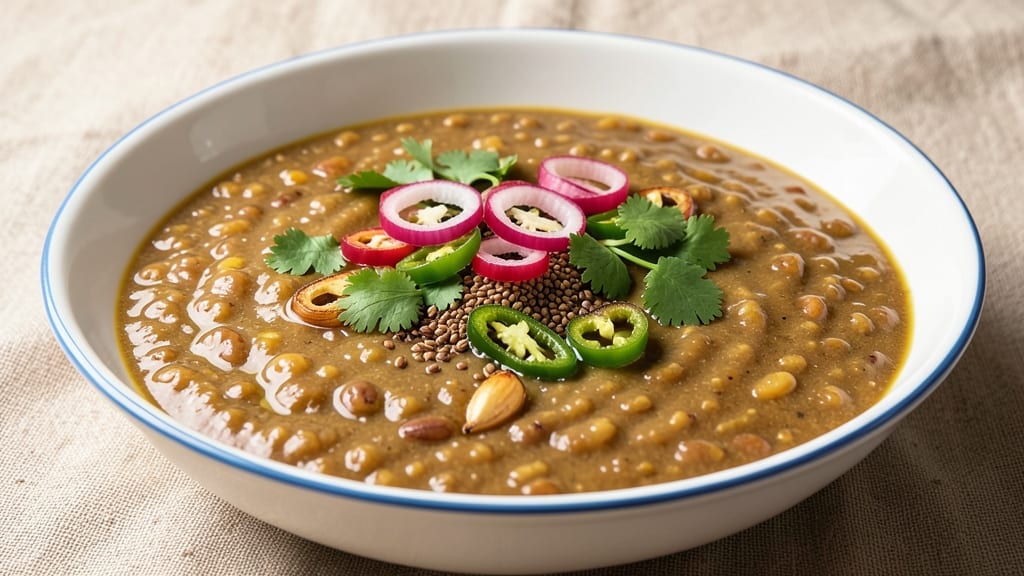
This mung bean dal recipe transforms simple split mung beans into a velvety, spiced comfort dish that feels like a warm embrace in a bowl. The key lies in proper soaking and tempering spices—techniques that elevate this humble lentil into something restaurant-worthy.
I’ve perfected it over years of testing, balancing creaminess with just the right amount of spice for a dish that’s both satisfying and digestible.
The process begins with soaking the beans to reduce cooking time, followed by a gentle simmer that develops their natural sweetness. The tempering stage—where whole spices bloom in hot oil—adds aromatic depth that transforms this dal from basic to extraordinary.
Unlike other lentils, mung beans stay light and fluffy, never turning mushy, even with longer cooking.
By the end, you’ll have a perfectly textured dal with tender beans, fragrant spices, and a subtle tang from lemon or tamarind. It’s the kind of dish that pairs beautifully with steamed rice or warm roti, offering both comfort and nutrition.
The best part? This recipe delivers professional results without requiring advanced skills—just patience and attention to detail.
Whether you’re cooking for family or meal prepping for the week, this dal holds up beautifully. The spices can be adjusted to suit your palate, making it versatile for any occasion. Let’s get started on creating this spiced lentil masterpiece.
Ingredients for mung bean dal
Simple split mung beans and pantry spices transform into restaurant-worthy dal with perfect texture.
| Ingredient | Amount | Notes |
|---|---|---|
| Split Mung Beans 🌾 | 1 ½ cups | Rinsed and soaked overnight |
| Onion 🧅 | 1 whole | Finely chopped, yellow or red |
| Fresh Ginger 🌿 | 1 tbsp | Grated finely, fresh preferred |
| Garlic Cloves 🧄 | 6 cloves | Minced finely, fresh preferred |
| Coconut Oil 🫒 | ¼ cup | Unrefined for best flavor |
| Cumin Seeds 🌶️ | 1 tbsp | Whole seeds, toasted first |
| Turmeric Powder 🌶️ | 1 tsp | Fresh or high-quality powder |
| Ground Coriander 🌿 | 1 tsp | Freshly ground preferred |
| Garam Masala 🌶️ | 1 tsp | Store-bought or homemade blend |
| Red Chili Powder 🌶️ | ½ tsp | Adjust for heat preference |
| Tomato Puree 🍅 | ½ cup | No salt added preferred |
| Water 💧 | 4 cups | Filtered preferred for taste |
| Lemon Juice 🍋 | 1 tbsp | Freshly squeezed, bright flavor |
| Salt 🧂 | ½ tsp | Adjust to taste |
| Fresh Cilantro 🌿 | ¼ cup | Chopped, for garnish |
Split mung beans are the star here—look for whole, yellow beans at Indian grocery stores or bulk bins. Whole Foods or Trader Joe's usually carry them, but if you can't find them, split yellow lentils (moong dal) work in a pinch. The key is soaking them overnight—this cuts cooking time and keeps the texture light. Fresh ginger and garlic make all the difference, so grab the freshest you can find. For the spices, Penzeys or Spicewalla are great for quality, but the bulk section at any grocery store works too. Just make sure your cumin seeds are whole and your turmeric is vibrant yellow—not dusty or gray.
No fresh ginger? Powdered works at half the amount, but it lacks the bright kick. Running low on garam masala? Mix equal parts cinnamon, cardamom, cloves, and cumin for a quick substitute. The tomato puree can be swapped for crushed tomatoes or even tomato paste thinned with water. If you're avoiding oil, use water instead of coconut oil—just add more at the end for richness. For extra creaminess, stir in 2 tbsp coconut milk at the finish. The lemon juice adds that perfect tang, so don't skip it—fresh is best, but bottled works in a bind.
This dal tastes even better the next day as flavors meld. Store in an airtight container in the fridge for up to 5 days. For meal prep, portion into containers with steamed rice—it reheats beautifully. Freeze for up to 3 months by portioning into freezer-safe containers. The spices keep their potency for 6 months in a cool, dark place. If you make extra, the dal keeps well for 2 weeks in the fridge—perfect for busy weeknights.
Why You'll Love This Recipe
- No-Soak Shortcut: I swear by this trick—just a quick rinse and 15 minutes of simmering, no overnight soaking. The split mung beans soften fast with coconut oil’s gentle heat, and honestly? That first bite of tender beans with crisp onions feels like a reward you earned.
- Ginger-Garlic Magic: Between us, the secret’s in the slow-toasted garlic and fresh ginger—it’s the kind of depth that makes you pause mid-bite. The coconut oil carries those flavors like a warm hug, turning simple beans into something that lingers in your mouth (and your cravings).
- Lunchbox Legend: This dal reheats like a dream—no soggy textures, just that perfect balance of creamy beans and bright spices. Pack it in jars for work, toss it in a thermos for school lunches, or serve it cold over rice for a no-fuss picnic. My kids still ask for it, even after I’ve made it 20 times.
- Pantry Hero: Split mung beans last forever, and a single batch stretches across three meals—breakfast with toast, lunch with roti, or dinner with rice. I’ll be real: it’s my go-to when the grocery budget’s tight, but somehow it still feels special. The onions caramelize just enough to add richness without breaking the bank.
Step-by-step instructions for mung bean dal
Here's how to create a perfectly balanced, comforting dal with just the right spice and texture.
Prepare the Split Mung Beans
Drain the soaked split mung beans thoroughly after their overnight soak. I like to give them a good rinse under cold water to remove any excess starch that might make the dal gummy. Transfer them to a large pot with the 4 cups of water and bring to a boil over high heat.
Once boiling, reduce the heat to medium and let them simmer uncovered for 15-20 minutes. You're looking for beans that are tender but still hold their shape—if they break apart easily, they've cooked too long. The beans should be soft enough to crush between your fingers but still retain some bite. This is crucial for the perfect dal texture.
Build the Spiced Base
While the beans cook, heat the 0.25 cup coconut oil in a heavy-bottomed pot over medium heat. Add the 1 tablespoon cumin seeds and let them sizzle for 30 seconds until fragrant—you'll smell that wonderful nutty aroma. Immediately add the 1 whole finely chopped onion and cook for 5 minutes until softened and translucent.
Stir in the 1 tablespoon finely grated fresh ginger and 6 cloves minced garlic, cooking for another 2 minutes until the raw garlic smell disappears. This step develops the flavor foundation that makes this dal taste so rich and complex. Don't rush this part—properly cooked aromatics make all the difference.
Add Spices and Tomato Puree
Lower the heat to medium-low and add the 1 teaspoon turmeric powder, 1 teaspoon ground coriander, 0.5 teaspoon red chili powder, and 1 teaspoon garam masala. Stir continuously for 1 minute until the spices are evenly distributed and begin to release their aromas. This is when your kitchen should fill with that warm, spicy scent.
Pour in the 0.5 cup tomato puree and cook for 3-4 minutes until it darkens slightly and thickens. The mixture should coat the back of a spoon—this ensures your dal will have that perfect balance of tangy sweetness from the tomatoes. If the spices start to burn, reduce the heat slightly and keep stirring.
Combine and Simmer to Perfection
Carefully transfer the cooked split mung beans with their cooking water to the pot with the spiced base. Add the 0.5 teaspoon salt and stir well to combine everything. Bring the mixture to a gentle simmer, then reduce the heat to low. Let it cook uncovered for 20-25 minutes, stirring occasionally to prevent sticking.
You'll know it's ready when the dal reaches a thick, creamy consistency that coats the back of a spoon. The beans should be fully tender but not mushy, and the flavors should be beautifully balanced. Here's the thing—don't be tempted to add more water. The dal should be thick enough to coat a spoon but still have a pleasant mouthfeel.
Finish and Garnish
Remove the pot from heat and stir in the 1 tablespoon freshly squeezed lemon juice. This brightens the flavors and adds that final touch of freshness that makes this dal so special. Taste and adjust the salt if needed—sometimes the lemon juice makes the dal taste slightly less salty.
Ladle the dal into serving bowls and garnish with the 0.25 cup chopped fresh cilantro. The bright green color not only looks beautiful but also adds a fresh contrast to the warm spiced dal. Serve immediately with steamed basmati rice or warm roti for the ultimate comfort meal. The dal should be aromatic, well-spiced, and perfectly balanced—neither too thin nor too thick.
Pro Tips For Making Mung Bean Dal
- Soak Beans 4 Hours: DESCRIPTION: I learned this the hard way—skipping the soak or rushing it with hot water leaves you with a gummy, uneven texture. Cold water for 4 hours (or overnight) guarantees even cooking and that perfect creamy consistency. No shortcut here—your future self will taste the difference.
- Bloom Spices Slow: DESCRIPTION: When you toss in whole spices like cumin or mustard seeds, crank the heat to medium-high and let them sizzle for 30 seconds—until they smell like a spice shop. Rushing this step means flat, underdeveloped flavor. Coconut oil handles the heat better than you’d think, so don’t back off.
- Grate Ginger Fine: DESCRIPTION: No, a quick chop won’t cut it. Use the small holes of a box grater (or pulse in a food processor) for ginger—this releases the oils and aromatics that actually make the dal sing. I used to skip this, and the dish just tasted… bland. Trust me, the effort is minimal, the payoff huge.
- Simmer, Don’t Boil: DESCRIPTION: Once the beans are tender, drop the heat to the lowest setting that keeps tiny bubbles dancing. A rolling boil turns dal into mush. I know, I know—it’s tempting to speed it up, but this is where the texture separates the good from the great. Patience here saves cleanup later.
Regional styles of this mung bean dal
North Indian Style
In North India, this dal is often called moong dal and is a staple in Punjabi cuisine. The key difference here is the addition of 1 tsp amchur (dried mango powder) at the end, which adds a bright tang that cuts through the richness.
I also like to finish with ½ tsp kasuri methi (dried fenugreek leaves) for an earthy depth that’s characteristic of North Indian cooking. Serve it with butter rice or jeera roti for a hearty meal. 🌶️
South Indian Tempering
South Indian versions take the dal in a slightly different direction by using mustard seeds and curry leaves for the tempering instead of cumin.
Start by heating 1 tbsp coconut oil and adding ½ tsp mustard seeds, then toss in 5-6 curry leaves and ½ tsp asafoetida (hing) for that signature South Indian aroma. The dal is often paired with steamed rice and coconut chutney for a lighter, more refreshing meal. 🌿
Bengali Sweet-Spiced
Bengali households often sweeten their dal slightly, creating a unique fusion of savory and sweet. After the initial tempering, add 1 tsp jaggery or brown sugar along with the tomato puree. Finish with a pinch of cinnamon and cardamom for warmth.
This version is commonly served with steamed rice and laal maach (spicy fish curry) during festive occasions. The sweetness balances the spices beautifully. 🍯
Gujarati Khakhra Pairing
In Gujarat, this dal is traditionally paired with khakhra, a crispy, spiced flatbread. The khakhra’s nutty flavor contrasts perfectly with the dal’s creaminess.
For an authentic touch, add 1 tsp sesame seeds to the tempering and finish with ½ tsp black salt (kala namak) for a subtle sulfurous note that’s signature to Gujarati cuisine. The combination is a match made in heaven. 🥖
Modern Fusion Twist
For a contemporary take, try adding ½ cup coconut milk at the end for extra creaminess and a hint of sweetness. Garnish with toasted coconut flakes and a sprinkle of smoked paprika for a fusion flavor that’s both familiar and exciting.
This version works wonderfully as a vegan potluck dish or a weeknight meal prep staple. It’s a great way to introduce dal to those who prefer milder flavors. 🌱
Nutrition facts
Frequently asked questions
Why do I need to soak mung beans for this recipe?
Soaking reduces cooking time by 30-40% and prevents the dal from becoming gummy. It also helps remove excess starch that can make the texture mushy. For best results, soak overnight—this ensures tender beans that hold their shape beautifully.
Can I use whole mung beans instead of split?
Yes, but cooking time increases by 20-30 minutes. Whole mung beans need longer soaking (4-6 hours) and simmering to soften. The texture will be slightly firmer, but still delicious. Just monitor closely to avoid overcooking.
What if my dal turns out too thick or too thin?
For thick dal, simmer uncovered for 5-10 more minutes—the moisture will evaporate. If too thin, mix 1 tsp cornstarch with cold water and stir in. Never add raw flour—it can make the dal grainy. Adjust gradually to avoid over-thickening.
How can I make this dal spicier?
Add ½ tsp cayenne pepper or 1 tsp green chili paste during tempering. For heat lovers, toast ½ tsp Kashmiri red chili with the cumin seeds. Remember: spices build flavor—start with small amounts and adjust to taste.
Can I make this dal in a pressure cooker?
After soaking, cook beans with 3 cups water for 4-5 whistles (10-12 mins). For tempering, reduce pressure, then add spices and tomato puree. The pressure method cuts cooking time by half while keeping the beans perfectly tender.