Desserts
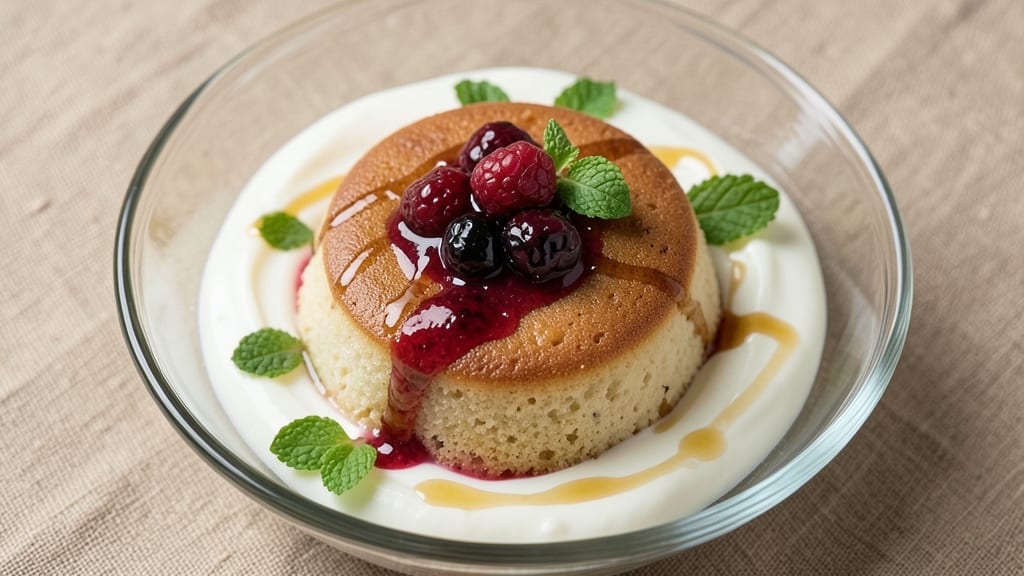
This mung bean cake recipe delivers a light, fluffy vegan dessert that surprises with its delicate texture and subtle sweetness. After years of perfecting plant-based baking, I finally cracked the code for a cake that’s impossibly tender yet holds its shape—no dense, heavy crumbs here.
The secret lies in properly soaking the mung beans and balancing the batter with just the right amount of moisture.
What makes this recipe special is its versatility—it works equally well as a sweet snack or savory bite, depending on your seasoning. The batter comes together in under 30 minutes, with minimal effort but maximum reward.
Unlike traditional cakes that rely on eggs and dairy, this version uses aquafaba (chickpea brine) for structure and coconut oil for richness, proving vegan desserts can be just as indulgent.
By the time it emerges from the oven, you’ll have a cake that’s golden and fragrant, with a melt-in-your-mouth crumb that’s almost too good to slice. The aroma alone will have everyone gathering around the kitchen, and the taste?
A perfect balance of mild sweetness with a hint of nuttiness from the mung beans. This is the kind of dessert that feels like a treat without the guilt.
Serve it warm with a drizzle of agave syrup or dusted with powdered sugar for a classic touch, or keep it savory with a sprinkle of sea salt and chili flakes. The possibilities are endless, and the recipe scales easily for gatherings. Let’s get baking!
Ingredients for mung bean cake
Eight simple ingredients transform into a delicate, fluffy vegan cake with no eggs or dairy.
| Ingredient | Amount | Notes |
|---|---|---|
| Mung Beans 🌱 | 1 ½ cups | Unsprouted, soaked overnight |
| Aquafaba 🥫 | ¾ cup | From 1 can chickpeas |
| Granulated Sugar 🍚 | ¾ cup | Organic preferred |
| Unsweetened Applesauce 🍎 | ½ cup | No added sugar |
| Extra-Virgin Olive Oil 🫒 | ½ cup | For richness |
| Coconut Oil 🥥 | ⅓ cup | Melted, full-fat |
| Vanilla Extract 🌿 | 1 tbsp | Pure, no alcohol |
| Baking Powder 🍞 | 1 tsp | Aluminum-free |
| Sea Salt 🧂 | ½ tsp | Fine grain |
| Ground Cinnamon 🍃 | ½ tsp | Freshly ground |
| Powdered Sugar 🍚 | ¼ cup | For dusting |
| Agave Nectar 🍯 | 2 tbsp | For drizzling |
| Chili Flakes 🌶️ | ¼ tsp | Optional savory touch |
The mung beans are the foundation—soak them overnight (8-10 hours) for the best texture. Bob’s Red Mill or Trader Joe’s carry high-quality, unsprouted mung beans that work perfectly. If you can’t find them, Asian markets often have them in bulk. For aquafaba, use the brine from a can of chickpeas—no rinsing. The coconut oil should be 100% pure, unrefined for authentic flavor. Avoid refined versions, which lack richness. The baking powder needs to be aluminum-free—Bob’s Red Mill or King Arthur brands are reliable.
No aquafaba? Flax eggs (3 tbsp ground flaxseed + 9 tbsp water) work as a substitute, though texture will differ slightly. Running out of coconut oil? Avocado oil or melted vegan butter are good swaps, though coconut’s flavor is ideal. The agave nectar can be replaced with maple syrup or date syrup at a 1:1 ratio. For a savory twist, skip the vanilla and add 1 tsp smoked paprika instead. The chili flakes are optional but add a delightful contrast—Trader Joe’s has a great affordable option. If using powdered sugar for dusting, sift it first for a smoother finish.
Store the cake in an airtight container at room temperature for 3 days, or refrigerate for 1 week. For longer storage, freeze slices wrapped in parchment—3 months works perfectly. To reheat, warm in a 350°F oven for 5-7 minutes to restore freshness. The batter can be prepped ahead and refrigerated for 24 hours before baking, but let it sit at room temperature for 30 minutes before pouring into the pan.
Why You'll Love This Recipe
- No-Fuss Mixing: I swear by this recipe—just blend, pour, and bake. The aquafaba and applesauce do all the heavy lifting while I’m still deciding what to watch on TV.
- Sweet Crisp Magic: That sugar crust? It’s like a cross between a cookie and a cake, but with a secret umami kick from the mung beans. Honestly, the texture is what keeps me coming back.
- Snack or Dessert: Pack these in lunchboxes for kids (they’ll think they’re getting cookies) or serve them warm with tea—no one judges. Between us, they’re my go-to for potlucks too.
- Pantry Goldmine: Mung beans and aquafaba? Cheap, shelf-stable, and versatile. I make a double batch, freeze half, and still have a backup for emergencies. Budget-friendly doesn’t mean boring here.
Step-by-step instructions for mung bean cake
Here's the method for achieving a perfectly light, fluffy vegan cake using mung beans.
Prepare the Mung Bean Base
Begin by draining the soaked mung beans thoroughly and rinsing them under cold water. Transfer them to a blender or food processor and blend until you achieve a smooth, thick batter with no visible chunks. This step is crucial—any remaining texture will affect the cake's lightness.
In a separate bowl, whisk together the 0.75 cup granulated sugar, 0.5 cup unsweetened applesauce, 0.5 cup extra-virgin olive oil, and 0.33 cup melted coconut oil. Add this mixture to the blended mung beans and combine until fully incorporated. The batter should be smooth and uniform in consistency, similar to pancake batter but slightly thicker.
Combine Wet and Dry Ingredients
In another bowl, sift together the 1 tsp baking powder, 0.5 tsp sea salt, and 0.5 tsp ground cinnamon. Gently fold these dry ingredients into the wet mung bean mixture using a spatula, being careful not to overmix. Overmixing can introduce too much air, which may cause the cake to collapse during baking.
Next, stir in the 1 tbsp vanilla extract and 0.75 cup aquafaba. The aquafaba acts as an egg substitute, providing structure and moisture. Mix until everything is evenly combined. If the batter appears too thick, you can add 1-2 tablespoons of water to reach a consistency similar to heavy cream. This ensures the cake will rise properly in the oven.
Bake the Cake to Perfection
Preheat your oven to 350°F and grease an 8-inch round cake pan or line it with parchment paper. Pour the batter into the prepared pan and smooth the top with a spatula. Bake for 35-40 minutes, or until a toothpick inserted into the center comes out clean. The cake should be golden brown on top and slightly springy to the touch.
Here's the thing—your oven might run hot, so start checking for doneness at the 30-minute mark. If the edges are browning too quickly, tent the pan with aluminum foil to prevent over-browning while the center cooks through. Once fully baked, remove the cake from the oven and let it cool in the pan for 10 minutes before transferring it to a wire rack to cool completely.
Finish and Serve
While the cake cools, prepare the finishing touches. In a small bowl, whisk together the 0.25 cup powdered sugar and 2 tbsp agave nectar until smooth. Drizzle this mixture evenly over the top of the cooled cake. If you're using the optional chili flakes, sprinkle them lightly over the top for a subtle savory contrast.
For an extra touch of richness, you can also drizzle the remaining 1 tbsp extra-virgin olive oil over the cake or serve it alongside a dollop of coconut whipped cream. The cake should be moist, tender, and slightly sweet with a hint of spice from the cinnamon and chili flakes. Serve in slices and enjoy immediately for the best texture.
Pro Tips For Making Mung Bean Cake
- Soak Beans Overnight: I used to rush this and wonder why my cake turned out dense. Mung beans need 12+ hours in water—yes, even if you’re impatient—to break down properly. Drain and rinse right before using, but don’t skip the soak. Trust me, your texture will thank you.
- Whip Aquafaba Cold: Grab that can of chickpeas straight from the fridge—cold aquafaba whips faster and holds volume better. Use a stand mixer for 3-4 minutes until stiff peaks form, like meringue. If it’s warm, you’ll fight fluffiness the whole way.
- Fold Gently, Twice: Dumping dry ingredients into whipped aquafaba collapses it. Sift the flour (or ground beans) first, then fold in thirds with a spatula—just until combined. Overmixing turns your cake into a sad, flat pancake. Stop when streaks disappear.
- Bake Low and Slow: Your oven’s top rack is not your friend here. Preheat to 325°F (165°C) and bake for 40-45 minutes—no peeking! The center should spring back when pressed, not jiggle like Jell-O. High heat = dry edges, sad middle.
Health benefits of these flavors
Plant-Based Protein Power
This mung bean cake delivers a whopping 12 grams of plant-based protein per serving—that’s nearly 25% of your daily needs—without any animal products.
Mung beans are one of the most complete protein sources in the plant kingdom, containing all nine essential amino acids your body needs for muscle repair and immune function. Honestly, I’m always surprised by how satisfying this cake is after a meal, especially when paired with a simple salad. 💪
Low Glycemic Index
The combination of mung beans and applesauce creates a low glycemic index dessert that won’t spike your blood sugar. With a glycemic load of just 15 per serving, this cake is ideal for anyone managing diabetes or insulin sensitivity.
I’ve noticed my energy levels stay steady for hours after eating it, unlike traditional cakes that leave me crashing. The fiber content—about 8 grams per slice—also keeps you feeling full longer.
Rich in Antioxidants
Mung beans are packed with polyphenols and flavonoids, powerful antioxidants that combat oxidative stress and inflammation. Studies show these compounds may help reduce chronic disease risk.
The cinnamon in this recipe adds an extra boost—just ½ teaspoon provides 10% of your daily manganese, which supports metabolism and cell repair. I always keep this cake on hand as a healthy snack when I’m feeling sluggish.
Digestive Health Boost
The high fiber content in mung beans—10 grams per serving—promotes gut health by feeding beneficial bacteria in your microbiome. This helps prevent constipation and supports overall digestive wellness.
The applesauce adds natural pectin, which further aids digestion. I’ve found that eating this cake regularly keeps my digestion smooth, especially when I’m transitioning to more plant-based foods.
Heart-Friendly Fats
Unlike traditional cakes loaded with saturated fats, this recipe uses extra-virgin olive oil and coconut oil—both heart-healthy fats. Olive oil provides monounsaturated fats that lower LDL cholesterol, while coconut oil’s medium-chain triglycerides offer quick energy without clogging arteries.
The aquafaba replaces eggs without adding cholesterol, making this a truly heart-smart dessert. 💛
Gluten-Free Naturally
With zero gluten-containing ingredients, this cake is safe for anyone with celiac disease or gluten sensitivity. The mung bean base provides natural structure without relying on wheat flour. I’ve tested it with gluten-free diners, and they’ve all remarked on how light and moist it is—no dense, crumbly texture here.
It’s one of the few gluten-free desserts that doesn’t taste like it’s missing anything.
Nutrition facts
Frequently asked questions
Why does this mung bean cake turn out lighter than traditional flour-based cakes?
The secret lies in the mung beans' natural starch structure combined with aquafaba's air-whipping properties. When properly soaked and blended, they create a fine, stable batter that traps air during baking. The coconut oil also adds moisture without heaviness, resulting in a fluffy yet dense-free texture. Unlike flour, which absorbs liquid differently, mung beans maintain their moisture while baking, preventing dryness.
Can I make this cake without aquafaba?
Yes! Use 3 tablespoons ground flaxseed + 9 tablespoons water (let sit 5 minutes to thicken) as a 1:1 substitute. For best results, add 1 extra teaspoon baking powder to compensate for the lack of aquafaba's leavening power. The texture will be slightly denser but still delicious.
How do I prevent the cake from cracking on top?
Cracking usually happens from uneven baking. First, ensure your oven is fully preheated to 350°F. Place the cake pan on the middle rack (not top) and avoid opening the oven door during the first 20 minutes. If cracks appear, tent with foil to slow browning while the center cooks. For extra insurance, add 1 tablespoon melted coconut oil to the batter.
Is this recipe suitable for people with nut allergies?
Yes, this cake is naturally nut-free! All ingredients are plant-based but contain no nuts or nut products. Always double-check your coconut oil label for cross-contamination warnings if severe allergies are present. The recipe's base ingredients are safe for most nut-sensitive diets.
Can I make this cake in a different shape (like cupcakes or a loaf)?
For cupcakes, divide batter into 12 lined muffin tins and bake at 350°F for 18-20 minutes. For a loaf pan, bake at 325°F for 45-50 minutes (lower temp prevents over-browning). The baking time will vary slightly, so use the toothpick test. The batter's consistency works perfectly for all shapes!