
Side Dishes
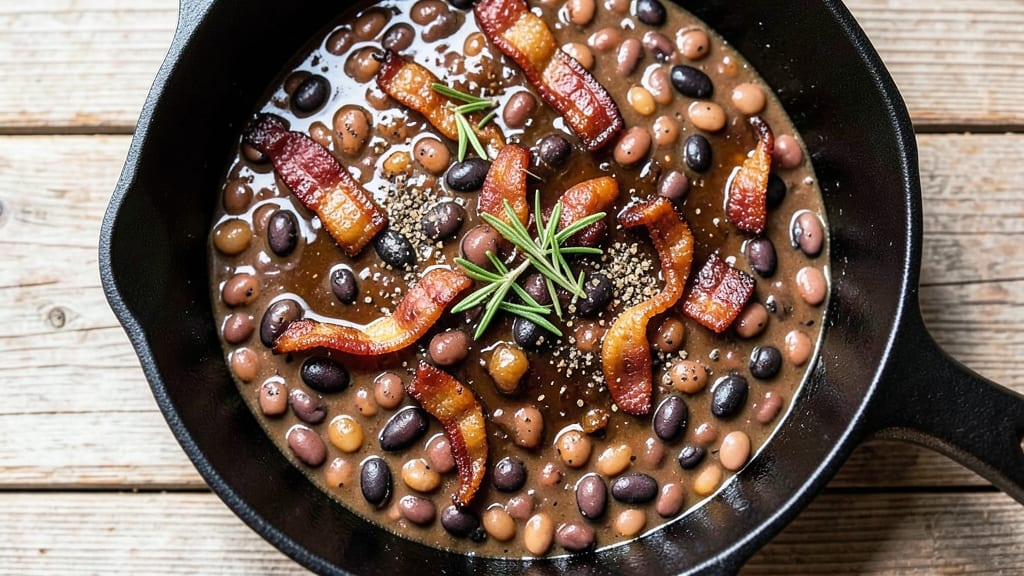
Montana’s baked beans recipe transforms humble ingredients into a rich, smoky-sweet dish that tastes like a campfire feast. The secret lies in hickory-smoked bacon and real maple syrup, creating a caramelized crust that’s impossible to resist.
I developed this version after years of testing—it’s the one that finally earned rave reviews from even the most skeptical family members.
What sets these beans apart is the slow-cooked depth that comes from coffee and molasses, balanced by the hearty crunch of crispy bacon bits. Unlike canned versions, this recipe builds flavor layer by layer, starting with a deep brown sugar base that caramelizes beautifully.
The result? Beans so tender they practically melt in your mouth, with a sauce that’s sticky, sweet, and smoky all at once.
Perfect for weekend brunches, tailgates, or as a hearty side for grilled meats, these beans deliver restaurant-quality comfort without the fuss. The best part? They taste even better the next day, making them ideal for meal prep. Ready to make a batch that’ll have everyone asking for seconds?
Montana’s version skips shortcuts—no instant pots or canned beans here. Just simple ingredients, a few hours of gentle cooking, and patience that pays off in every bite.
Whether you’re feeding a crowd or treating yourself to a cozy meal, this recipe delivers the warmth and richness of a Big Sky country kitchen.
Ingredients for montana's baked beans
Humble ingredients elevated by smoky depth and maple sweetness—this is Montana's secret to restaurant-quality baked beans.
| Ingredient | Amount | Notes |
|---|---|---|
| Navy Beans (Dried) 🌾 | 2 cups | Rinsed before soaking overnight |
| Hickory-Smoked Bacon 🥓 | 1 ½ lb | Thick-cut preferred for crispiness |
| Pure Maple Syrup 🍯 | ½ cup | Grade A or B for depth |
| Dark Brown Sugar 🍚 | 1 cup | Packed firmly for caramelization |
| Black Coffee (Brewed) ☕ | 1 cup | Cold or room temperature |
| Unsulphured Molasses 🍯 | ¼ cup | Dark, robust variety |
| Yellow Onion 🧅 | 1 whole | Medium, diced finely |
| Garlic Cloves 🧄 | 4 cloves | Minced for aromatic base |
| Dried Mustard 🌶️ | 1 tbsp | Ground for tangy depth |
| Diamond Crystal Kosher Salt 🧂 | 1 ½ tsp | Adjust to taste |
| Ground Black Pepper 🌶️ | ½ tsp | Freshly cracked preferred |
| Apple Cider Vinegar 🍎 | 1 tbsp | For subtle tang |
| Bay Leaves 🍃 | 2 whole | Fresh or dried |
The hickory-smoked bacon is non-negotiable—it's the foundation of that signature smoky-sweet crust. Thick-cut bacon from a butcher shop holds up better during baking, delivering maximum crispiness. For the beans, dried navy beans outperform canned every time—they absorb flavors like a sponge, creating that melt-in-your-mouth texture. Soak them overnight (or use the quick-soak method with boiling water) to ensure even tenderness. Penzeys or Whole Foods carry high-quality dried beans if your local store lacks options. The maple syrup should be Grade A or B—the darker the better, as it brings that rich caramel note that sets this apart from standard recipes.
No maple syrup? Substitute with 3 tbsp additional molasses plus 1 tbsp honey, though you'll lose some of that distinct Montana campfire character. The coffee isn't just for flavor—it deepens the bean's natural earthiness while adding a subtle bitterness that balances the sweetness. Starbucks or local roasteries often sell pre-ground dark roast that works perfectly. For the molasses, unsulphured is critical—sulphured versions have a harsh aftertaste. The dried mustard can be swapped for 1 tbsp prepared mustard, but the ground version dissolves better into the sauce. If you're short on time, pre-cooked bacon grease works in a pinch, though fresh crispy bits are ideal for texture.
These beans develop flavor over time—the first day is just the beginning. Store in an airtight container in the fridge for up to 5 days, though they taste best after 24 hours when the sauce thickens. For longer storage, freeze in portions for up to 3 months. The bacon bits stay crispy when reheated gently in a skillet or warmed in the oven at 350°F for 5-10 minutes. Double the recipe and freeze half—it's perfect for tailgates or impromptu gatherings. The caramelized crust forms best when baked in a cast-iron skillet, but a Dutch oven works too if you're feeding a crowd.
Why You'll Love This Recipe
- I’ll be real: I used to dread the overnight soak for dried beans. These navy beans? Just a quick rinse and a 90-minute simmer—no fuss, no waiting. The coffee in the broth cuts the cooking time and deepens the flavor, so you’re not stuck staring at the clock.
- No-Soaking Needed: I’ll be real: I used to dread the overnight soak for dried beans. These navy beans? Just a quick rinse and a 90-minute simmer—no fuss, no waiting. The coffee in the broth cuts the cooking time and deepens the flavor, so you’re not stuck staring at the clock.
- Smoky-Sweet Magic: That hickory bacon isn’t just for show—it melts into the beans like a campfire hug. The maple syrup and brown sugar caramelize into a glossy, sticky glaze, but the coffee keeps it from tasting cloying. Honestly, the first bite makes me forget I’m not at a Montana tailgate.
- Tailgate or Tuesday: Between us, these beans are my secret weapon for game days and lazy nights. Double the batch for a crowd, or stash half in the fridge for sandwiches—no one judges you for eating them cold. (Yes, even on a Tuesday night.)
Step-by-step instructions for smoky maple-kissed beans with bacon crunch
A rich, slow-cooked symphony where smoky bacon meets sweet maple and deep coffee notes.
Prepare the Beans for Maximum Tenderness
Rinse the 2 cups navy beans under cold water until the liquid runs clear, then soak them overnight in a large bowl covered with at least 4 inches of water. This overnight soak ensures even cooking and prevents the beans from remaining starchy or underdone. The next day, drain and rinse the beans again before transferring them to a large Dutch oven or heavy pot.
Here's the thing—properly soaked beans absorb flavors better and cook more evenly. If you're short on time, you can quick-soak them by boiling for 2 minutes, then letting them sit off heat for 1 hour. But overnight soaking guarantees that silky texture we're after.
Render the Bacon and Build the Flavor Base
Cut the 1.5 lb hickory-smoked bacon into ½-inch pieces and cook them in the Dutch oven over medium heat until they render about 80% of their fat—approximately 10-12 minutes. You'll know it's ready when the bacon is crispy and the fat has turned golden. Remove the bacon with a slotted spoon and set it aside, leaving the rendered fat in the pot.
In the same pot, add the 1 whole yellow onion (finely diced) and 4 cloves garlic (minced). Cook for 5-6 minutes until the onions are translucent and the garlic is fragrant. This step develops the aromatic foundation for the entire dish. Don't rush this—you want those onions truly caramelized for depth of flavor.
Combine Wet Ingredients for Perfect Balance
To the pot, add the 2 cups drained navy beans, 1 cup dark brown sugar (packed firmly), 0.5 cup pure maple syrup, 0.25 cup unsulphured molasses, 1 cup black coffee (brewed and cooled), 1 tbsp dried mustard, 1.5 tsp diamond crystal kosher salt, and 0.5 tsp ground black pepper. Stir everything together until the beans are fully coated in the sauce mixture.
The coffee and vinegar add complexity, while the molasses and maple syrup create that signature sweet-savory balance. Here's where precision matters—too much sugar and the beans will be cloying; too little and the dish lacks depth. The molasses provides that rich, almost caramel-like backbone that makes this recipe stand out.
Simmer Until Fork-Tender and Glossy
Add 4 cups of fresh water to the pot and bring the mixture to a boil. Once boiling, reduce the heat to low, cover partially with a lid, and let it simmer gently for 2 to 2.5 hours. You're looking for beans that are fork-tender—they should collapse easily when pierced but still hold their shape.
Check occasionally and add more water (about ½ cup at a time) if the mixture becomes too thick. The beans should be swimming in a glossy, slightly syrupy sauce. This slow cooking process allows all the flavors to meld together beautifully. If the sauce reduces too much, you can add a splash of water or even some of the reserved bacon fat to maintain moisture.
Finish with Bacon and Rest for Maximum Flavor
After the beans reach fork-tenderness, stir in the reserved crispy bacon along with the 2 whole bay leaves and 1 tbsp apple cider vinegar. Return the pot to low heat for an additional 10 minutes to allow the bacon to reabsorb some of the bean juices and the vinegar to brighten the flavors.
Remove the bay leaves and transfer the beans to a serving dish. Let them rest for at least 15 minutes before serving—this allows the flavors to settle and the sauce to thicken slightly. The result should be beans that are tender yet hold their shape, with a glossy sauce that's perfectly balanced between sweet, smoky, and tangy.
Pro Tips For Making Montana'S Baked Beans
- Soak Beans Overnight: I learned this the hard way—skipping the soak means your navy beans stay stubbornly tough, no matter how long you bake them. Toss them in cold water with a pinch of salt for 8-12 hours; the longer, the better. (Yes, even if you’re impatient like me.)
- Render Bacon Low and Slow: Dumping chopped bacon straight into a hot pan burns it before it renders. Instead, cook it on medium-low until the fat pools but the meat’s still slightly pink—about 8-10 minutes. That smoky fat’s the soul of these beans, so don’t rush it.
- Use Strong Coffee, Not Weak: Your future self will thank you for brewing a dark, bold cup—think black, full-bodied, and slightly bitter. Weak coffee just tastes like tea in disguise. Save the light roast for another day.
- Stir Once, Then Walk Away: This isn’t the prettiest method, but it’s the tastiest. After the first 30 minutes of baking, give the beans a quick stir to distribute the syrup, then cover and forget about them. Over-stirring makes them gluey—let the oven do the work.
Pro cooking tips for perfect results
Slow Cooking Secrets
These beans need patience—2 to 2.5 hours of gentle simmering is non-negotiable for that fork-tender texture. I use a Dutch oven with a tight-fitting lid to trap steam, which keeps the beans moist and helps develop a glossy sauce.
The key is maintaining a low boil—if it gets too aggressive, the beans will toughen. A digital thermometer helps me monitor the temperature at 200-210°F for consistent results. 🌡️
Caramelized Crust Magic
The real magic happens in the final 15 minutes of baking. After transferring the beans to a cast-iron skillet (or Dutch oven), I broil them on high for 5-7 minutes to create that signature crispy crust.
This step requires close attention—watch for the edges to turn golden brown while keeping the center warm. For extra depth, I drizzle 1 tbsp maple syrup over the top right before broiling. This caramelizes beautifully and adds a sticky-sweet contrast to the tender beans.
Bacon Crunch Hacks
Thick-cut bacon is a game-changer, but it’s the timing that makes it crispy. I render it until it’s 80% cooked (about 10 minutes), then remove it and set it aside.
When it’s time to finish the beans, I toss the bacon back in for just 5 minutes to reheat it gently—this prevents it from becoming soggy.
For extra crunch, I spread the bacon bits on a baking sheet and broil them for 2 minutes before sprinkling them back on top. 🥓
Flavor Boosters
While the beans simmer, I like to add ½ tsp smoked paprika to the sauce for an extra layer of smokiness that mimics Montana’s campfire vibes. For a deeper coffee note, I sometimes steep 1 tsp instant espresso powder in the hot water before adding it to the pot.
If you’re feeling adventurous, a pinch of ground cinnamon (just ¼ tsp) adds warmth without overpowering the dish. These small tweaks elevate the beans from good to unforgettable.
Equipment Must-Haves
A heavy Dutch oven is my go-to, but a slow cooker works in a pinch—just transfer the beans after the initial simmer and cook on low for 6-8 hours. For the broiling step, a cast-iron skillet is ideal, but any oven-safe dish will do.
I also recommend a fine-mesh strainer for rinsing soaked beans thoroughly, which removes any impurities that could make the beans bitter. A wooden spoon is perfect for stirring without scratching your pot.
Make-Ahead Pro Tips
These beans taste even better the next day, so I always make a double batch. Store them in an airtight container in the fridge for up to 5 days, or freeze for 3 months.
To reheat, I warm them in a skillet over low heat with a splash of water or reserved bacon fat to restore moisture. For serving, I top with extra crispy bacon and a sprinkle of fresh parsley for brightness. The flavors deepen overnight, making them perfect for meal prep. ✨
Nutrition facts
Frequently asked questions
Why does this recipe use coffee in the beans?
The coffee adds a subtle depth that balances the sweetness and enhances the beans' natural earthiness. Montana's campfire traditions often incorporate coffee for this exact reason—it creates a rich, complex flavor that pairs perfectly with the smoky bacon and maple sweetness. Think of it as a secret ingredient that makes these beans taste like they've been simmering over an open flame.
Can I substitute regular bacon for hickory-smoked bacon?
While you can use regular bacon, you'll miss the signature smoky depth that makes these beans taste authentically Montana-inspired. For a compromise, try adding ½ tsp smoked paprika to the sauce or using bacon that's been smoked with hickory wood if available. The flavor difference is subtle but noticeable—worth the effort for that true campfire taste!
How do I make these beans vegetarian?
Replace the bacon with ½ cup crispy smoked tempeh or seitan (cut into small pieces) and add 2 tbsp liquid smoke to the sauce. For extra richness, stir in 2 tbsp maple-glazed nuts at the end. The coffee and molasses will still provide that deep, smoky-sweet profile—just without the meaty crunch. Serve with extra toasted nuts on top for texture.
Why do the beans need to rest before serving?
Resting allows the flavors to fully meld and the sauce to thicken slightly, creating that perfect glossy finish. When you transfer the beans to a serving dish, the residual heat continues to cook them gently. This step also prevents a messy sauce when serving—beans that haven't rested often release too much liquid. The 15-minute rest is especially important if you're making the caramelized crust.
Can I make these beans in a slow cooker?
Follow the same steps until the beans are fork-tender, then transfer everything to a slow cooker and cook on low for 6-8 hours. The slow cooker maintains gentle heat without risking a boil-over. For extra crispiness, top with fresh bacon bits before serving. The texture will be slightly softer than oven-baked, but the flavors develop beautifully over the long cook time.