
Side Dishes
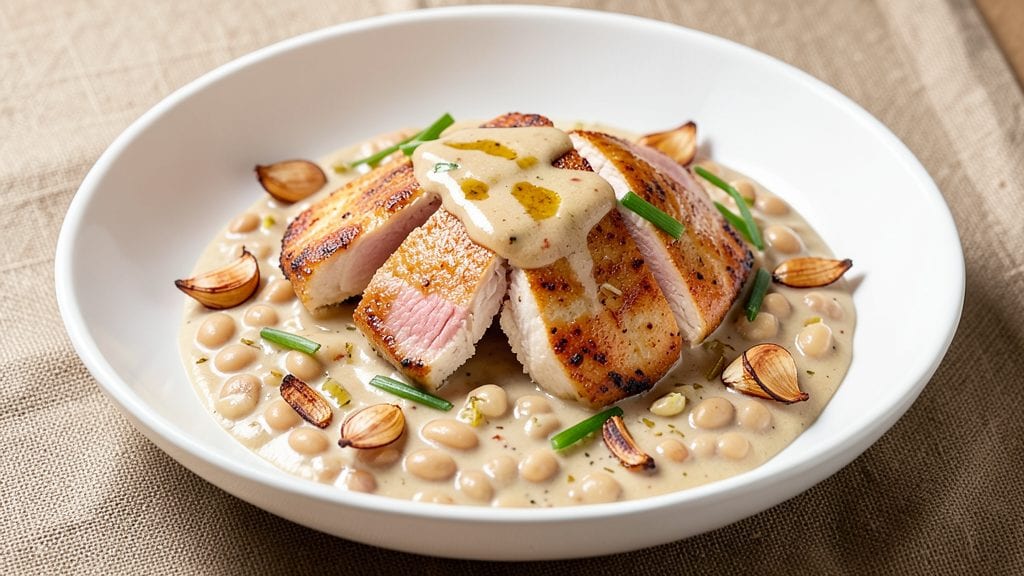
This Filipino-style monggo beans recipe transforms humble mung beans into a rich, peanut-butter-infused stew that’s become a staple in Filipino households. The secret lies in slow simmering pork or chicken with coconut milk, creating a velvety sauce that clings to tender beans and vegetables.
I first made this during a family gathering when my grandmother insisted on recreating her version—it’s now my go-to comfort dish.
The magic happens in the balance of flavors: earthy peanut butter, sweet coconut milk, and savory pork or chicken broth create a harmonious base. Unlike many stews, this one relies on simple ingredients—no fancy techniques required, just patience as the flavors meld over 45 minutes of simmering.
The result? A dish that’s hearty enough for a main course but versatile enough to pair with rice or crusty bread.
What makes this recipe special is its ability to transform basic ingredients into something deeply comforting. The beans soften just enough to absorb the rich sauce, while the vegetables retain their texture, adding freshness to every bite.
The aroma alone—peanutty, coconutty, with hints of garlic and ginger—will have your kitchen smelling like home.
Serve this stew with steamed rice for a complete meal, or let it stand overnight as the flavors deepen even further. It’s the kind of dish that tastes better the next day, making it perfect for meal prep or family gatherings. Ready to create this Filipino classic? Let’s get cooking.
Ingredients for monggo beans
Simple ingredients create this Filipino classic—peanut butter, coconut milk, and tender mung beans.
| Ingredient | Amount | Notes |
|---|---|---|
| Mung Beans (Monggo) 🌾 | 1 ½ cups | Uncooked, rinsed well |
| Peanut Butter 🥜 | ½ cup | Smooth, unsweetened preferred |
| Coconut Milk 🥥 | 1 can | 13.5 oz can, full-fat |
| Chicken Breast 🍗 | 1 ½ lb | Boneless, skinless, cubed |
| Garlic Cloves 🧄 | 6 cloves | Minced, fresh preferred |
| Ginger Root 🌿 | 1 tbsp | Freshly grated, peeled |
| Tomatoes 🍅 | 2 medium | Chopped, ripe preferred |
| Carrots 🥕 | 2 medium | Peeled, sliced into rounds |
| Potatoes 🥔 | 2 medium | Peeled, cubed evenly |
| Onion 🧅 | 1 large | Diced, yellow preferred |
| Chicken Broth 💧 | 2 cups | Low-sodium preferred |
| Soy Sauce 🍶 | 2 tbsp | Dark soy for color |
| Salt 🧂 | 1 tsp | To taste, sea salt preferred |
| Black Pepper 🌶️ | ½ tsp | Freshly ground |
| Vegetable Oil 🫒 | 2 tbsp | For sautéing |
The peanut butter and coconut milk are non-negotiable for that signature Filipino flavor. Jif or Skippy smooth peanut butter works perfectly, but avoid crunchy varieties—they don’t blend as smoothly. For coconut milk, Thai Kitchen cans are my go-to, but any full-fat brand will do. The mung beans should be plump and whole—Filipino markets often carry them in bulk, but most grocery stores stock them too. If you can’t find them, split peas are a decent substitute, though they’ll have a slightly different texture. The chicken breast should be cut into even cubes so it cooks uniformly with the beans.
No peanut butter? Tahini or blended roasted peanuts work in a pinch, though the flavor won’t be identical. Fresh ginger is ideal, but if you’re using powdered, reduce to half the amount—it’s much more concentrated. The tomatoes can be swapped for 1 cup tomato sauce if you’re short on time, but fresh adds brightness. For the potatoes, Yukon Golds hold their shape best during simmering, but russets or red potatoes work too. The soy sauce adds depth—Kikkoman is reliable, but any dark soy will give that rich color Filipino dishes are known for.
This stew tastes even better the next day as the flavors meld. Store leftovers in an airtight container in the fridge for up to 5 days, or freeze for 3 months. I like to portion it into containers with steamed rice—just reheat with a splash of water or broth to restore creaminess. The peanut butter and coconut milk can be pre-mixed in a bowl before adding to the pot, saving you a step during cooking. If you’re making this ahead, skip adding the soy sauce until reheating to prevent darkening.
Why You'll Love This Recipe
- One-Pot Magic: I swear by this recipe when I’m too tired to wash a million dishes—just toss everything into one pot, simmer, and walk away. The peanut butter and coconut milk blend into that luscious, velvety sauce without any fuss, while the chicken falls apart at the touch of a fork. Honestly, my lazy Sundays just got a whole lot easier.
- Creamy Crunch Combo: That peanut butter isn’t just for flavor—it’s the secret weapon. The moment it melts into the coconut milk, you get this rich, nutty depth that wraps around every tender bite of chicken and soft monggo bean. And between us, the garlic? It’s roasted just enough to add a smoky sweetness that makes this dish ridiculously good.
- Lunchbox Hero: Between us, this is my go-to for meal prep because it’s hearty enough to fill a thermos but still feels special. Pack it with rice, and suddenly you’ve got a lunch that’s filling, protein-packed, and way more exciting than a sad sandwich. My kids actually ask for leftovers—yes, even on a Tuesday.
- Budget-Friendly Feast: Monggo beans stretch this dish into a full meal without breaking the bank, and the peanut butter and coconut milk make it feel indulgent. I’ve fed four people for under $10 with this, and the leftovers? They taste just as good reheated the next day. It’s my secret weapon for stretching groceries without sacrificing flavor.
Step-by-step instructions for Filipino-style peanut butter stew
Here's the method for creating this hearty, flavorful monggo dish with perfect texture.
Prepare the Base Ingredients
Begin by rinsing the 1.5 cups mung beans (monggo) thoroughly under cold water to remove any debris. Soak them in plenty of water for at least 4 hours or overnight - this ensures they cook evenly and develop that satisfying creamy texture. While they soak, peel and finely grate the 1 tablespoon ginger root, then mince the 6 cloves garlic cloves. Chop the 2 medium tomatoes into small pieces and dice the 1 large onion into even-sized pieces.
Peel and slice the 2 medium carrots into rounds about ¼-inch thick, and cube the 2 medium potatoes into ½-inch pieces. These vegetables should be uniform in size so they cook at the same rate. Set all prepared ingredients aside - you'll use them in the next steps to build the stew's rich foundation.
Sauté Aromatics and Cook Chicken
Heat the 2 tablespoons vegetable oil in a large pot over medium-high heat until shimmering. Add the diced onion and cook for 3-4 minutes until softened and translucent. Add the minced garlic cloves and grated ginger root, stirring constantly for 30 seconds until fragrant - this releases their essential oils and creates the aromatic base for your stew.
Push the aromatics to one side of the pot and add the 1.5 lb cubed chicken breast. Cook for 5-6 minutes until the chicken is no longer pink in the center and has developed a light golden crust. This ensures the chicken will be fully cooked while absorbing all the flavors in the stew. Remove the chicken and set aside temporarily.
Build the Stew Foundation
In the same pot, add the chopped tomatoes and cook for 2-3 minutes until they begin to soften. Pour in the 2 cups chicken broth and bring to a gentle boil. Reduce heat to medium-low and add the 2 tablespoons soy sauce, 1 teaspoon salt, and ½ teaspoon black pepper, stirring to combine. Let the mixture simmer for 5 minutes to allow the flavors to meld together.
Drain the soaked mung beans (monggo) and add them to the pot along with the sliced carrots and cubed potatoes. Stir gently to coat everything with the flavorful broth. The beans should be fully submerged - if not, add a little water. Bring the mixture to a gentle simmer and cook uncovered for 20 minutes, stirring occasionally to prevent sticking.
Add Coconut Milk and Peanut Butter
Open the 1 can coconut milk and pour it into the pot, stirring well to distribute evenly. Add the ½ cup peanut butter, stirring continuously until completely dissolved and smooth. The mixture will thicken noticeably as the peanut butter blends with the coconut milk and broth. This is where the dish gets its signature rich, creamy texture.
Return the cooked chicken to the pot and stir gently to combine. The chicken will absorb the remaining flavors while the stew continues to simmer. Bring the mixture to a gentle boil, then reduce heat to low and let it simmer uncovered for 30-40 minutes, stirring occasionally. The monggo beans should be tender but still hold their shape, and the vegetables should be cooked through but still hold their structure.
Adjust Consistency and Serve
Taste the stew and adjust seasoning if needed - you may need a little more salt or soy sauce to balance the flavors. If the stew is too thick, add a little water or chicken broth to reach your desired consistency. The final texture should be creamy but still allow you to easily spoon the monggo beans.
Serve the monggo beans hot, accompanied by steamed white rice. The creamy peanut butter coconut milk sauce will coat each bite of tender monggo beans and chicken, creating a satisfying, flavorful meal that captures the essence of Filipino comfort food. The combination of earthy monggo beans, rich peanut butter, and aromatic coconut milk makes this stew truly special.
Pro Tips For Making Monggo Beans
- Soak Monggo Overnight: I learned this the hard way—skipping the soak leaves you with gummy, undercooked beans that turn to mush. Use 3-4 cups water per cup of monggo and let them sit 8+ hours (or at least 4 if you’re in a rush). Drain and rinse before cooking, or they’ll taste bitter.
- Brown the Peanut Butter: Don’t just stir peanut butter into the sauce like a thickener—heat it first in a dry pan over medium-low until it’s fragrant and just starting to darken (about 3-4 minutes). This deepens the flavor and cuts through the coconut milk’s sweetness. Skip this, and your dish tastes like a smoothie.
- Shred Chicken Cold: After cooking the chicken breast, let it cool completely before shredding—it’s easier to handle and pulls apart cleanly. If you’re impatient and shred it hot, you’ll end up with a gluey mess that clumps in the stew. A fork works, but your hands give you better control (and you’ll notice the texture difference).
- Simmer Low and Slow: Once everything’s in the pot, reduce heat to the lowest setting that keeps a gentle bubble—this is where the flavors meld. I used to rush it, and the coconut milk would split or the peanut butter would curdle. Give it 20-25 minutes at this stage, and the dish will taste like it simmered all day.
Troubleshooting great monggo beans
Mushy Monggo Fix
If your monggo beans turn out mushy instead of tender, you likely overcooked them. The key is timing—simmer the beans with vegetables for only 20 minutes after adding them to the broth.
For extra insurance, use younger, smaller monggo beans (found in Asian markets) as they cook faster. If using dried beans, never skip the 4-hour soak—this prevents uneven cooking. 🌱
Peanut Butter Clumps
Peanut butter refusing to dissolve? Heat the coconut milk to 160°F first, then whisk in the peanut butter gradually. For stubborn clumps, add 1-2 tablespoons hot water while stirring.
I’ve found Jif Creamy blends smoother than chunky varieties. If all else fails, strain the stew through a fine-mesh sieve to remove any remaining lumps before serving.
Weak Flavor Profile
The peanutty-coconut flavor needs time to develop. If your stew tastes bland, let it simmer 10-15 minutes longer after adding the peanut butter. Boost umami by adding 1 teaspoon fish sauce or ½ teaspoon MSG (optional).
For depth, toast 1 tablespoon peanut butter in the pot before adding the rest—this intensifies its nutty aroma. 🥜
Watery Stew
Too much liquid? The peanut butter and coconut milk should naturally thicken the stew. If it’s still runny, simmer uncovered for 5-10 minutes longer to reduce. For instant thickening, mix 1 tablespoon cornstarch with 2 tablespoons water, then stir into the pot.
Let it simmer for 2 minutes until the sauce reaches your desired consistency.
Chicken Overcooked
If your chicken turns out dry, cook it separately until just done (165°F internal temp), then add it back to the stew only in the final 10 minutes of simmering.
For extra moisture, reserve ¼ cup chicken broth from the pot and pour it over the chicken before reheating. I also recommend using bone-in, skin-on chicken thighs—they stay juicier than breasts.
Burnt Peanut Butter
Peanut butter burns easily when overheated. Always stir continuously when adding it to the pot, and keep heat at low-medium. If it starts to darken, immediately reduce heat and add 2 tablespoons coconut milk to cool it down.
For a smoother finish, whisk the peanut butter into the coconut milk first before adding to the pot. 🔥
Nutrition facts
Frequently asked questions
Can I substitute peanut butter with something else?
Yes! If you're allergic or prefer alternatives, try tahini (sesame paste) or blended roasted peanuts for a similar texture. For a different flavor profile, cashew butter works well too—just reduce the amount by 1-2 tablespoons since it's less concentrated. The key is to maintain the creamy base that balances the stew's richness.
How do I make this dish vegetarian?
Swap the chicken for tofu or firm tempeh, cubed and pan-fried until crispy before adding to the stew. Use vegetable broth instead of chicken broth, and consider adding mushrooms or bell peppers for extra depth. The peanut butter and coconut milk will still provide the signature creamy texture vegetarians love.
Why does my monggo stew taste too salty?
Peanut butter and soy sauce often contribute extra saltiness. To fix it, add ½ cup coconut milk or water and simmer for 5 minutes to dilute the flavors. If you're using canned coconut milk, check the label—some brands add salt. For future batches, taste before adding all the soy sauce, starting with just 1 tablespoon.
Can I prepare this ahead of time?
This stew tastes even better the next day as flavors meld. Store in an airtight container in the fridge for up to 5 days or freeze for 3 months. Reheat gently on low heat, adding a splash of water or broth to restore creaminess. The peanut butter thickens when cold, so reheating will make it smooth again.
What's the secret to perfectly tender monggo beans?
Proper soaking and timing are key. Soak beans for at least 4 hours (overnight is best) to soften them. After adding to the pot, simmer for exactly 20 minutes with vegetables before adding coconut milk. Use younger beans (smaller size) if available—they cook faster without turning mushy.