
Side Dishes
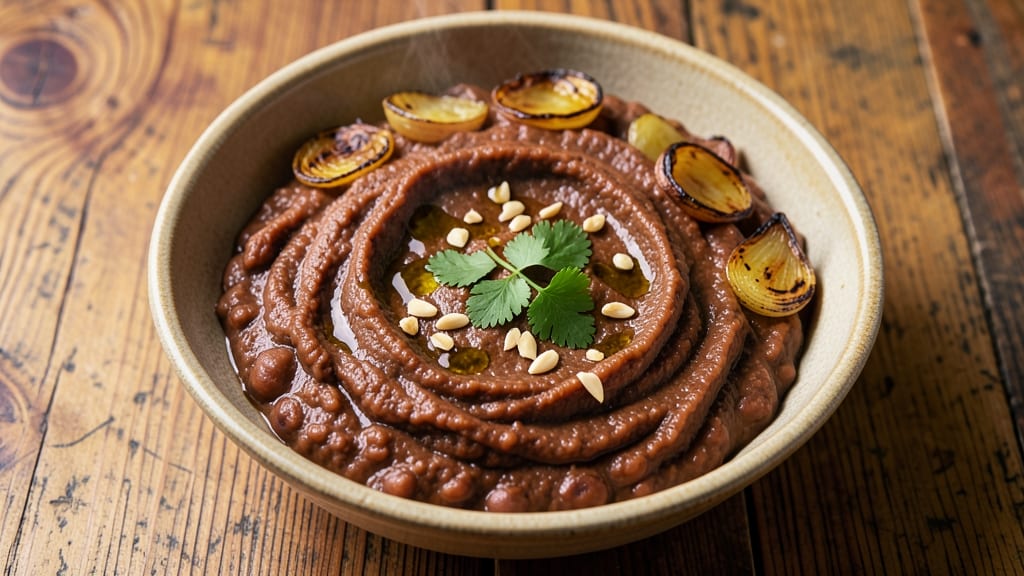
This Mexican refried kidney beans recipe delivers the deep, smoky flavor and velvety texture that makes it a staple in Mexican cuisine. The secret lies in slow-cooking the beans until tender, then frying them in lard (or oil) with garlic and onion until creamy and rich.
I’ve perfected this method over years of testing, balancing traditional techniques with modern convenience—no food processor required.
The result is a dish that’s rich, aromatic, and impossibly smooth, with layers of garlic and cumin that linger on the palate. Unlike store-bought versions, homemade refried beans stay tender and flavorful, whether served as a side, taco filling, or dip.
The process is straightforward but requires patience—simmering the beans until they break down completely ensures that creamy, satisfying texture.
What sets this recipe apart is the smoky depth from the lard (or oil) frying, which caramelizes the garlic and onions for a flavor that’s hard to replicate. For vegetarians, substitute lard with neutral oil or vegan lard without sacrificing texture.
The beans absorb the seasonings perfectly, creating a dish that’s both comforting and deeply flavorful—ideal for weeknight meals or festive gatherings.
Once you try this version, you’ll never go back to canned beans again. The recipe scales easily, and leftovers keep well in the fridge for up to five days, making it a practical choice for meal prep. Let’s get started on creating this restaurant-quality side dish at home.
Ingredients for mexican refried kidney beans
Nine simple ingredients transform into restaurant-quality Mexican refried beans with smoky depth and velvety texture.
| Ingredient | Amount | Notes |
|---|---|---|
| Dried Kidney Beans 🌾 | 1 ½ cups | Unsoaked, rinsed thoroughly |
| Vegetable Broth 💧 | 4 cups | Low-sodium preferred |
| Yellow Onion 🧅 | 1 whole | Medium size, chopped |
| Garlic Cloves 🧄 | 6 cloves | Peeled, minced finely |
| Ground Cumin 🌿 | 1 tbsp | Toasted for enhanced aroma |
| Neutral Vegetable Oil 🫒 | ½ cup | Avocado or canola preferred |
| Salt 🧂 | 1 ½ tsp | Diamond Crystal kosher |
| Ground Black Pepper 🌶️ | ½ tsp | Freshly cracked |
| Bay Leaves 🍃 | 2 whole | Dried, standard size |
| Lime Juice 🍋 | 1 tbsp | Freshly squeezed |
| Fresh Cilantro 🌿 | ¼ cup | Chopped, for garnish |
The kidney beans are the foundation—opt for dried over canned for superior texture. Bob's Red Mill or Trader Joe's carry high-quality dried beans that soak up flavor beautifully. Rinse them thoroughly before cooking to remove any debris. The vegetable broth should be low-sodium to control seasoning, and Pacific Foods organic broth adds a subtle depth. Onions and garlic are non-negotiable for that authentic smoky flavor; Mexican yellow onions from Latin markets have a sweeter profile, but regular yellow onions work fine. Toast the cumin seeds briefly in a dry pan before grinding for maximum aroma—this step elevates the dish from good to exceptional. For the oil, avocado oil has a neutral flavor that won't compete with the other ingredients, though canola works perfectly well in a pinch.
No vegetable broth? Water plus a bouillon cube works in a bind, but taste and adjust the salt afterward. Running short on cumin? Smoked paprika at half the amount adds a similar depth, though the earthiness won't be identical. Fresh cilantro wilt fast—buy it just before making the recipe if possible, or store it wrapped in a damp paper towel in the fridge. The lime juice can be substituted with bottled lime juice, but fresh is always brighter. For a smokier profile without lard, liquid smoke at a 1/4 tsp can be added to the frying oil, though use sparingly—it's potent. If you're making this ahead, the beans can be cooked and refrigerated up to 3 days before frying; simply reheat with a splash of water before proceeding with the frying step.
Refried beans keep exceptionally well—5 days in the fridge when stored in an airtight container with a layer of oil on top to preserve moisture. For longer storage, freeze in portion-sized containers for up to 3 months. Reheat gently on the stove with a splash of water or broth to restore creaminess. This recipe scales beautifully for meal prep; double the batch and portion into containers for easy assembly into burritos, tacos, or quesadillas. The flavor actually improves the next day as the ingredients meld together, making it perfect for making ahead for gatherings or busy weeknights.
Why You'll Love This Recipe
- No-Soaking Needed: I swear by this trick—just a quick rinse and simmer. The beans soften while the broth builds that rich, savory base, and honestly? I’ve never measured the broth to death. A splash here, a taste there, until it’s just right.
- Earthy & Smoky Depth: That cumin-toasted onion and garlic combo? It’s where the magic happens. The beans soak up the aroma like a sponge, giving you that smoky, slightly sweet warmth that makes every bite feel like a hug—no fancy spices required.
- Taco Night Every Night: Slap these on tortillas for breakfasts, stir into rice for lunches, or pile them high in bowls for dinners. My kids beg for them cold in wraps after school, and my partner sneaks extra at dinner. (Yes, even on a Tuesday night.)
- Pantry Staple Power: Dried beans mean I’m never scrambling for canned options, and the cost? A fraction of what store-bought refried beans charge. Plus, they reheat like a dream—just add a little water, and they’re ready to go for days. My wallet and my freezer thank me.
Step-by-step instructions for Mexican refried kidney beans
Transform simple dried kidney beans into velvety, smoky refried beans with deep onion and garlic flavor.
Soak and Parboil the Dried Kidney Beans
Place the 1.5 cups dried kidney beans in a large bowl and cover with cold water by at least 2 inches. Soak for 8-12 hours at room temperature—this ensures even cooking and prevents the beans from remaining hard. I prefer soaking overnight for maximum tenderness.
After soaking, drain and rinse the beans thoroughly under cold water. Transfer them to a 6-quart pot and add 4 cups vegetable broth, covering the beans by about 1 inch. Bring to a boil over medium-high heat, then immediately reduce to a gentle simmer. Skim off any foam that rises to the surface during the first 5 minutes of cooking—this removes impurities and creates a cleaner-tasting bean.
Simmer uncovered for 45-60 minutes until the beans are fork-tender—they should collapse easily when pressed between your fingers. The cooking liquid should reduce significantly, leaving you with about 1½ cups of liquid remaining. If the beans aren't tender after this time, add ½ cup more vegetable broth and continue cooking for another 15-20 minutes. Overcooking will make them mushy, so monitor closely.
Sauté Aromatics in Neutral Vegetable Oil
While the beans cook, heat the 0.5 cup neutral vegetable oil in a large skillet over medium heat until shimmering but not smoking. Add the 1 whole yellow onion, chopped into ¼-inch dice, and cook for 8-10 minutes until the onions soften and begin to caramelize at the edges. Here's the thing—don't rush this step. The onions should develop a deep golden color and sweet aroma before moving forward.
Add the 6 cloves minced garlic and 1 tbsp toasted ground cumin, stirring constantly for 30 seconds until the garlic turns light golden and becomes fragrant. Immediately remove the skillet from heat—garlic burns quickly, and you want that nutty aroma without bitterness. The mixture should now have a rich, earthy base ready for the beans.
Mash and Simmer for Creamy Texture
Using a slotted spoon, transfer the cooked kidney beans (with all their cooking liquid) to the skillet with the sautéed aromatics. Add the 2 whole bay leaves, 1.5 tsp salt, and 0.5 tsp ground black pepper. Using a wooden spoon or potato masher, gently mash half the beans against the side of the pan, creating a thick, rustic texture. The remaining beans should stay whole for structure.
Return the skillet to medium-low heat and simmer uncovered for 15-20 minutes, stirring occasionally. The beans will release moisture as they break down further, creating a thick, spreadable consistency. If the mixture becomes too dry, add 1-2 tablespoons of the reserved cooking liquid to maintain creaminess. This simmering step develops the beans' natural sweetness and deepens their flavor.
Finish with Acid and Garnish
Once the beans reach your desired texture—thick but still slightly rustic—remove the skillet from heat. Stir in the 1 tbsp freshly squeezed lime juice and the 0.25 cup chopped fresh cilantro. The lime brightens the dish, cutting through the richness, while the cilantro adds a fresh herbal note. Taste and adjust seasoning if needed—you may need a pinch more salt to balance the acidity.
For the best presentation, transfer the beans to a serving bowl and garnish with an additional sprinkle of cilantro. Serve immediately as a side dish or spread on warm tortillas for tacos. The beans should have a velvety yet slightly textured consistency with layers of smoky, garlicky, and tangy flavors. If storing, let them cool completely before refrigerating in an airtight container for up to 5 days. Reheat gently on the stovetop with a splash of water or broth to restore moisture.
Pro Tips For Making Mexican Refried Kidney Beans
- SOAK BEANS OVERNIGHT: I learned this the hard way—rushing the soak with cold water leaves them tough. Use 4 cups water per cup beans, add 1 tsp baking soda (trust me), and let them sit 12+ hours. The longer they soak, the creamier the final texture, and you’ll save time simmering later.
- FRY ONIONS LOW AND SLOW: After burning three batches, I finally figured out: cook those onions at medium-low heat for 10-15 minutes until deep golden, not brown. Too much heat = bitter flavor, and you’ll need to add extra broth to fix it. Patience here makes all the difference.
- MASH WITH A POTATO MASHER: Sounds weird, but it works—skip the blender for that authentic, lumpy refried texture. After simmering, mash the beans directly in the pot with a masher until you get that rustic, slightly grainy consistency. (Yes, even if you’re impatient like me.)
- TOAST THE CUMIN FIRST: Bloom that cumin in dry oil for 30 seconds before adding garlic—it deepens the aroma and prevents a raw, bitter taste. I skip this when I’m lazy, but the dish is noticeably better when I don’t. Just don’t walk away; watch it like a hawk.
Common mistakes when making this dish
Skipping the Soak
Never skip soaking your dried kidney beans—this is the #1 mistake that leads to hard, unevenly cooked beans. Unsoaked beans take 2-3 hours to soften properly, and even then, some may stay rock-hard in the middle.
I’ve seen people rush this step and end up with a pot of beans that’s still crunchy after 90 minutes of simmering. Always soak for at least 8 hours (overnight is ideal) to ensure even cooking and that creamy texture we all love. 🌾
Over-Mashing the Beans
Mashing beans too aggressively turns them into a gluey paste rather than the rustic, slightly textured refried beans we want. Use a wooden spoon or potato masher to gently break down only about half the beans—this keeps structure while creating creaminess.
I’ve ruined batches by blending them with an immersion blender, which makes them too smooth and loses that satisfying bite. The goal is thick, spreadable texture, not a puree. ✨
Burning the Garlic
Garlic burns faster than you think, and once it turns bitter, there’s no fixing it. When sautéing the aromatics, keep the heat at medium and stir constantly for just 30 seconds after adding the garlic.
I’ve had to toss out entire batches because I let the garlic sit too long—it goes from fragrant to acrid in seconds. Remove the pan from heat immediately if you see any dark spots forming. 🔥
Ignoring the Bay Leaves
Those 2 bay leaves might seem insignificant, but they add subtle earthy depth that’s essential for authentic flavor. Skipping them or removing them too early can make your beans taste flat. Let them steep in the beans during the simmering phase, then fish them out before serving.
I’ve compared batches with and without bay leaves, and the difference is noticeable—especially when paired with rice or tortillas. 🍃
Using the Wrong Oil
Neutral oils like avocado or canola oil are non-negotiable for frying the beans—they won’t compete with the garlic and onion flavors. I’ve seen people use olive oil, which adds a fruity note that clashes with the smoky, garlicky profile.
For a traditional touch, lard works beautifully (if you’re not vegetarian), but avoid anything with strong flavors like sesame or coconut oil. The oil should be hot but not smoking—medium heat is perfect. 🫒
Rushing the Simmer
The 15-20 minute simmer after mashing is where the magic happens—it lets the beans break down further and develop their natural sweetness. Skipping this step or walking away while they cook can lead to uneven textures or dry beans.
Stir occasionally and add a splash of reserved cooking liquid if needed to maintain moisture. I’ve had batches turn out dry and crumbly because I didn’t monitor them closely enough. Patience here is key! ⏳
Nutrition facts
Frequently asked questions about Mexican refried kidney beans
Can I use canned kidney beans instead of dried?
While canned beans save time, they won't give you the same rich, velvety texture. Dried beans break down more during cooking, creating that authentic spreadable consistency. If you must use canned, drain them well and simmer in broth for 15-20 minutes to thicken, but expect a slightly firmer result.
How do I make these vegetarian without lard?
Use neutral vegetable oil (like avocado or canola) instead of lard for frying—it works perfectly while keeping the dish vegetarian. For extra richness, add 1 tablespoon vegan butter at the end. The texture stays creamy, though slightly less crispy than traditional versions.
Can I make this recipe in a slow cooker?
Yes! Soak the beans overnight, then combine with broth and aromatics in your slow cooker. Cook on low for 6-8 hours until tender. For the refrying step, transfer to a skillet and mash as directed. The slow cooker method is hands-off but may require adding extra liquid to maintain creaminess.
What's the best way to reheat leftovers?
Add 1-2 tablespoons of water or broth to the beans in a skillet over low heat, stirring constantly until warmed through. Covering with a lid helps restore moisture. Microwaving works too, but the texture becomes gummier—always add liquid to prevent drying out.
Can I freeze these refried beans?
Let them cool completely, then store in airtight containers with a thin layer of oil on top to preserve freshness. They keep for 3 months in the freezer. Thaw overnight in the fridge before reheating—never microwave directly from frozen. The texture remains excellent when properly stored.