
Side Dishes
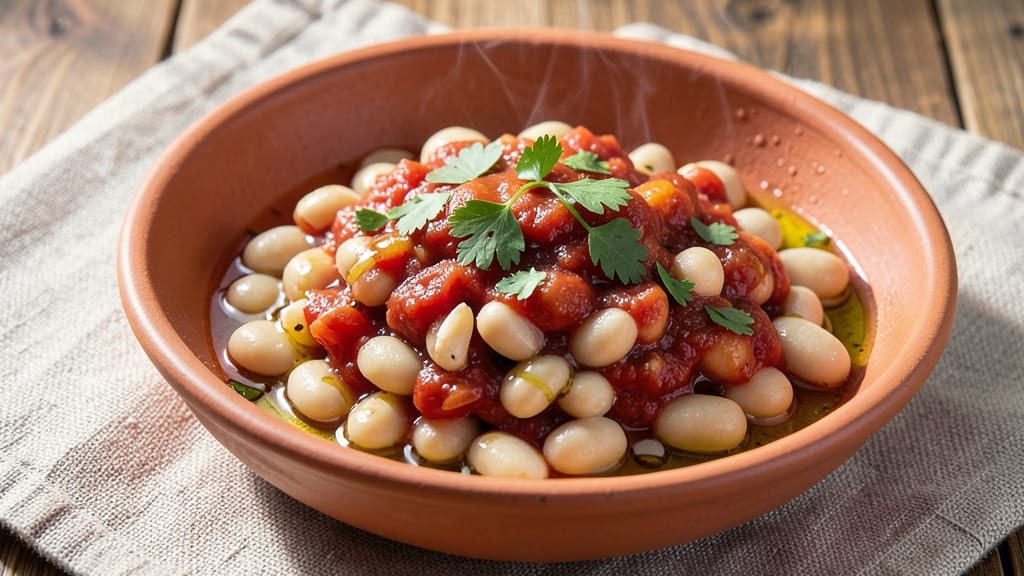
This Mediterranean beans recipe transforms simple white beans into a smoky, brightly flavored dish that steals the show at any table. The secret lies in balancing garlic's intensity with lemon's acidity and olive oil's richness—each bite delivers a perfect harmony of textures and flavors.
I developed this recipe after realizing how versatile Mediterranean flavors could elevate everyday beans into something restaurant-worthy.
The dish begins with sautéing garlic in olive oil until it reaches that perfectly golden, almost smoky stage—this is where the magic happens. White beans simmer in a tomato-based broth with fresh herbs, absorbing flavors while maintaining their natural creaminess.
A squeeze of lemon at the end brightens everything, cutting through the richness with just the right tang.
What you'll end up with is a dish that's creamy yet light, packed with Mediterranean character yet simple enough for weeknight dinners. The beans stay tender while soaking up all those vibrant flavors, and the dish tastes even better the next day as the flavors meld.
This is the kind of recipe that makes you want to make it again and again.
Serve it as a side to grilled meats, alongside crusty bread, or even as a vegetarian main with a sprinkle of feta. The possibilities are endless, but the preparation remains straightforward—just 30 minutes of active time for a dish that feels like a gourmet experience. Let's get cooking!
Ingredients for mediterranean beans
Simple ingredients transform into a restaurant-worthy Mediterranean bean dish with smoky garlic and zesty lemon.
| Ingredient | Amount | Notes |
|---|---|---|
| Extra-Virgin Olive Oil 🫒 | ½ cup | High-quality, fruity variety preferred |
| Garlic Cloves 🧄 | 8 cloves | Fresh, peeled, minced finely |
| Canned White Beans 🌽 | 2 cups | Drained and rinsed thoroughly |
| Canned Crushed Tomatoes 🍅 | 1 cup | San Marzano preferred, no salt added |
| Fresh Lemon Juice 🍋 | ¼ cup | Freshly squeezed, strained |
| Fresh Parsley Leaves 🌿 | ¼ cup | Chopped, stems removed |
| Fresh Oregano Leaves 🌿 | 2 tbsp | Chopped, not dried |
| Vegetable Broth 💧 | 1 ½ cups | Low-sodium preferred |
| Red Bell Pepper 🌶️ | 1 whole | Diced, seeds removed |
| Smoked Paprika 🌶️ | 1 tsp | For authentic smoky flavor |
| Sea Salt 🧂 | 1 ½ tsp | Diamond Crystal preferred |
| Crusty Bread 🍞 | 4 slices | For serving, optional |
| Feta Cheese 🧀 | ¼ cup | Crumbled, optional garnish |
The olive oil and garlic form the flavor foundation—high-quality extra-virgin olive oil is non-negotiable here. Whole Foods Market or specialty grocers carry excellent options. For garlic, fresh cloves are essential; pre-minced loses its aromatic punch. The white beans should be low-sodium canned to avoid over-salting the dish. San Marzano crushed tomatoes elevate the flavor profile with their sweet, meaty texture. Fresh herbs like parsley and oregano add vibrant notes, so local farmers markets often provide the freshest options during peak season.
No smoked paprika? Substitute with a pinch of liquid smoke plus extra garlic for depth. Fresh herbs unavailable? Dried oregano at one-third the amount works, but fresh is ideal. The red bell pepper adds sweetness and texture—roasted first intensifies its flavor. For a tangier finish, increase lemon juice to 0.375 cup. The vegetable broth can be swapped for tomato juice in a pinch, though it'll alter the balance slightly. Always taste as you go—adjust salt and lemon to preference.
This dish improves with time, so make it a day ahead for deeper flavors. Store in an airtight container in the fridge for up to 5 days. The feta and fresh herbs should be added just before serving to maintain their texture. For meal prep, portion into containers with a small olive oil drizzle on top to preserve freshness. Freezing is possible for 3 months, but the texture may soften slightly upon thawing.
Why You'll Love This Recipe
- Pantry to Plate Fast: I swear, this dish starts with ingredients already in my cupboard. Sauté garlic in olive oil, toss in tomatoes and beans, simmer—done. No last-minute grocery runs, no stress.
- Bright & Bold: That lemon juice cut through the richness like a breath of sunshine. The garlic? Oh, it’s there—warm, fragrant, and just enough to make your taste buds sing without overpowering.
- Lunch or Dinner: Serve it cold in a jar for a picnic or warm over rice for a full meal. Honestly, I’ve eaten it straight from the pot at 7 p.m. and again at 11 a.m. the next day—no judgment.
- Budget Magic: A can of beans, a jar of tomatoes, a lemon—this feeds four for under $5. (Yes, even on a Tuesday night.) Plus, leftovers taste just as good reheated as they do fresh.
Step-by-step instructions for Mediterranean beans with smoky garlic and lemon
Aromatic, balanced, and effortlessly vibrant—this method delivers restaurant-quality Mediterranean beans in under 45 minutes.
Sauté the Aromatics for Maximum Flavor Development
Heat the 0.5 cup extra-virgin olive oil in a large, heavy-bottomed pot over medium heat. Add the 8 cloves minced garlic cloves and stir constantly for 30 seconds—you'll smell the oil shimmering before the garlic begins to soften. Here's the thing: I like to press the garlic into the oil with a wooden spoon to break it down completely, ensuring no raw garlic flavor remains.
Next, add the 1 whole diced red bell pepper and 1 tsp smoked paprika. Stir for 3-4 minutes until the peppers soften and the mixture develops a deep, aromatic fragrance. This step builds the flavor foundation—don't rush it. The peppers should release their natural juices and the paprika should infuse the oil with its signature smokiness. If the mixture begins to darken too quickly, reduce the heat slightly to prevent burning.
Build the Base with Tomatoes and Beans
Pour in the 1 cup canned crushed tomatoes and 1.5 cups vegetable broth, scraping the bottom of the pot to incorporate any browned bits. Bring the mixture to a gentle simmer, then add the 2 cups drained and rinsed canned white beans. Stir well to combine, then reduce the heat to low and let it simmer uncovered for 10 minutes. This allows the flavors to meld while the beans rehydrate slightly in the warm liquid.
I always taste at this stage to check the seasoning. If the mixture needs more depth, this is the moment to add 0.5 tsp of the 1.5 tsp sea salt now—you can adjust the remaining salt later. The beans should be tender but still hold their shape, and the sauce should coat the back of a spoon. If it's too thick, add 2 tablespoons water to loosen it slightly.
Finish with Brightness and Fresh Herbs
Remove the pot from heat and stir in the 0.25 cup fresh lemon juice, 2 tbsp fresh oregano leaves, and 0.25 cup fresh parsley leaves. The lemon juice will immediately brighten the dish, cutting through the richness of the olive oil and beans. Taste again and adjust the remaining 1 tsp sea salt as needed—this is where the dish comes together. The balance should be vibrant but not sour, aromatic but not overpowering.
For an extra layer of texture, I like to finish with 0.25 cup crumbled feta cheese, stirring it in just until melted. This adds a briny contrast that elevates the entire dish. If you prefer your feta as a garnish, reserve it for serving instead. Let the beans rest for 5 minutes off the heat—this allows the flavors to fully integrate and the texture to set slightly.
Serve with Crusty Bread for the Ultimate Experience
Ladle the beans into serving bowls, ensuring each portion gets its share of the aromatic oil and herbs. The dish should be thick enough to coat a spoon but still have a slight looseness to it. Garnish with an additional sprinkle of feta cheese and a drizzle of extra-virgin olive oil if desired.
Serve immediately alongside the 4 slices crusty bread for scooping. The bread's texture contrasts beautifully with the creamy beans, and its crunch helps cut through the richness. For an even more authentic touch, pair with a simple arugula salad dressed with the same lemon and olive oil combination. The dish holds well for 2 hours at room temperature if needed, though it's best enjoyed fresh.
Pro Tips For Making Mediterranean Beans
- Sear Garlic First: I learned this the hard way—adding raw garlic to hot oil makes it bitter. Instead, heat the olive oil over medium until shimmering, then toss in the minced garlic and let it sizzle for 30 seconds until fragrant but not brown. This builds flavor without burning, and your beans won’t taste like a chemistry experiment.
- Drain Beans Properly: The liquid in canned beans is salty and watery. Rinse them under cold water, then drain and give them a quick shake in the colander to remove excess starch—this keeps the sauce from turning gluey. (Yes, even if you’re impatient like me.)
- Simmer, Don’t Boil: After adding tomatoes and beans, keep the heat low and let it bubble gently. A rolling boil will break down the tomatoes into mush, and the beans will turn to paste. You want a slow, steady simmer—about 15-20 minutes—to let flavors meld without falling apart.
- Finish with Lemon Zest: I skip this when I’m lazy, but the dish is noticeably brighter when I don’t. After adding lemon juice, sprinkle in a teaspoon of fresh lemon zest—it adds a citrusy aroma that cuts through the richness of the olive oil. (Your future self will notice.)
Essential equipment for this dish
Heavy-Bottomed Pot
This is my non-negotiable tool for Mediterranean beans—nothing delivers even heat like a 5-6 quart enameled cast iron Dutch oven from Le Creuset or Lodge. The thick base prevents hot spots while the enameled surface makes cleanup a breeze.
I use mine daily because it maintains consistent temperatures during the entire simmering process, which is critical for developing those deep, aromatic flavors. 🔥
Wooden Spoon
Invest in a high-quality wooden spoon (I recommend Oxo Good Grips or Maplewood) for stirring—it won’t scratch your pot and won’t conduct heat like metal. The slightly rough surface helps scrape up those flavorful browned bits from the bottom, ensuring nothing goes to waste.
I keep one dedicated to Mediterranean cooking since it absorbs and distributes heat beautifully.
Fine-Mesh Strainer
A stainless steel fine-mesh strainer (like the OXO Good Grips) is essential for rinsing canned beans thoroughly. This removes excess sodium and any residual canned flavors that could muddy your dish.
I rinse beans under cold water for 30 seconds before using them—this step makes a noticeable difference in the final texture and taste. 💧
Microplane Zester
For that bright, citrusy finish, a Microplane zester (like the OXO Good Grips) is perfect for lemon zest. It creates fine, even strips that dissolve beautifully into the beans without overpowering them.
I add 1 teaspoon of zest along with the lemon juice for an extra layer of aroma. Store-bought zest often contains bitter pith, so fresh is always better.
Garlic Press
While mincing garlic by hand is traditional, a garlic press (like the OXO Good Grips) saves time without sacrificing flavor. Press 8 cloves directly into the hot oil for instant infusion. The press ensures even, fine mincing that dissolves completely into the oil, preventing any raw garlic bits.
I press garlic right into the pot to avoid transfer steps and potential flavor loss. 🧄
Optional: Immersion Blender
If you prefer a smoother texture, an immersion blender (like the Cuisinart SmartStick) lets you blend the beans directly in the pot for 30 seconds after simmering. This creates a velvety consistency while keeping the dish rustic.
I only use it for special occasions—most Mediterranean bean dishes benefit from their natural texture. Always blend in short bursts to avoid over-processing. ✨
Nutrition facts
Frequently asked questions
Can I use dried beans instead of canned for this recipe?
For 2 cups of cooked white beans, soak 1 cup dried beans overnight (8+ hours) in plenty of water. After draining, simmer them in fresh water for 45-60 minutes until tender before adding to the recipe. Dried beans absorb more liquid, so you may need to adjust the broth by 0.5 cup to maintain the right consistency.
How do I make this dish spicier?
Add ½ teaspoon cayenne pepper or 1 teaspoon red pepper flakes when sautéing the aromatics. For heat with depth, include 1 minced jalapeño with the bell pepper. Always taste first—Mediterranean flavors balance well with mild to moderate spice, so start conservatively.
Can I prepare this recipe ahead of time?
Yes! This dish tastes even better the next day as flavors meld. Store in an airtight container in the fridge for up to 5 days. Reheat gently on the stove with 1-2 tablespoons water to prevent drying. For meal prep, portion into containers with a drizzle of olive oil on top to preserve freshness. The texture remains creamy when reheated properly.
What are the best bean varieties for Mediterranean cooking?
Great Northern or Cannellini beans are classic choices for their creamy texture. For heartier dishes, try fava beans or lentils. Avoid kidney beans—they're too firm and absorb flavors differently. Always rinse canned beans thoroughly to remove excess sodium and improve texture.
Why did my beans turn out mushy?
Overcooking or using too much liquid are the most common causes. Simmer uncovered for exactly 10 minutes after adding beans, and adjust broth to 1.5 cups total. If using dried beans, ensure they're fully tender before adding to the sauce. For extra insurance, mash 2-3 beans with a fork before serving to restore creaminess.