
Side Dishes
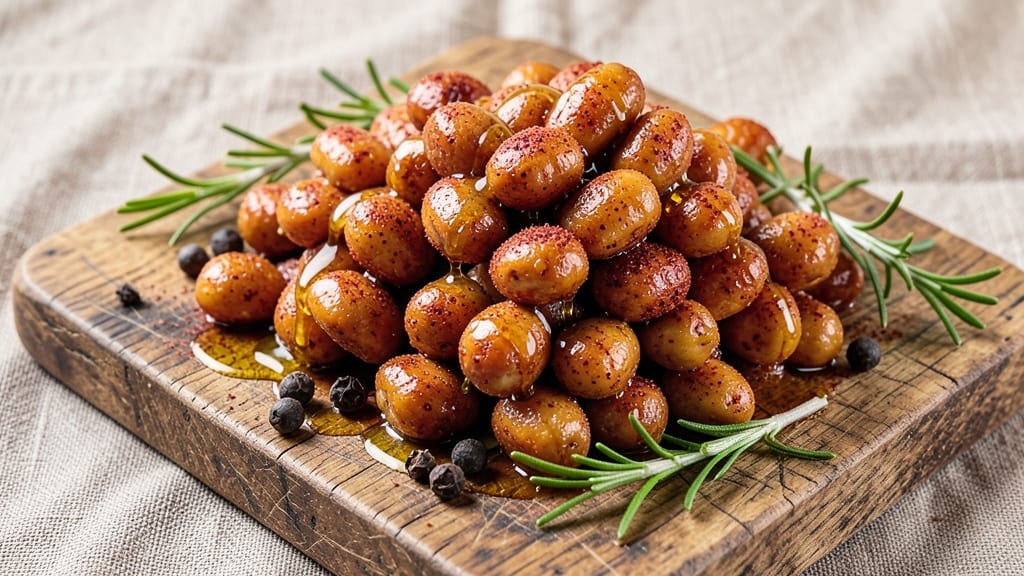
This lupin beans recipe transforms humble legumes into a crispy, nutty side dish that rivals any roasted vegetable—packed with plant-based protein and earthy depth. I discovered their potential after a trip to Portugal, where they’re celebrated as a staple, and now they’re a staple in my kitchen.
The secret lies in proper preparation: soaking overnight eliminates bitterness while maximizing their natural crunch and nutty flavor.
Lupin beans shine when roasted until golden, developing a satisfying crunch that pairs beautifully with salads, grain bowls, or as a standalone snack. Unlike other legumes, they hold their shape and texture exceptionally well, making them ideal for both traditional and modern dishes.
With just five simple ingredients and 30 minutes of active prep, you’ll have a side dish that’s as nutritious as it is delicious—high in fiber, low in fat, and packed with plant-based protein.
What makes this recipe stand out is the balance of textures: crispy edges meet tender centers, while their earthy, slightly sweet flavor adds depth to any meal. The roasting process caramelizes their natural sugars, intensifying their nutty profile without overpowering other dishes.
Whether you’re serving them alongside grilled meats, in vegan bowls, or as a snack, they’ll bring a unique, satisfying crunch to the table.
For extra versatility, toss them with herbs like rosemary or thyme before roasting, or drizzle with a touch of olive oil and smoked paprika for a smoky twist.
Their mild flavor also makes them a great base for flavorful sauces or dressings. Let’s get started—your next favorite side dish is just minutes away.
Ingredients for lupin beans
Five simple ingredients transform lupin beans into a crispy, protein-packed side dish with nutty depth.
| Ingredient | Amount | Notes |
|---|---|---|
| Dried Lupin Beans 🌱 | 1 ½ cups | Rinsed and soaked overnight |
| Extra-Virgin Olive Oil 🫒 | ¼ cup | High-quality, fruity variety |
| Smoked Paprika 🌶️ | 1 tbsp | For smoky depth |
| Diamond Crystal Kosher Salt 🧂 | 1 ½ tsp | Fine grain preferred |
| Fresh Rosemary 🌿 | ½ tsp | Finely chopped leaves |
| Black Peppercorns 🌶️ | ½ tsp | Freshly cracked |
| Garlic Cloves 🧄 | 2 cloves | Minced for extra flavor |
The lupin beans need proper soaking—8-12 hours in plenty of water to eliminate bitterness. Trader Joe's and specialty grocery stores carry them dried, but if you can't find them, check online retailers like Amazon Fresh. Look for plump, uniform beans with no dark spots. I always double-check the package for any pre-soaking instructions, though most require soaking yourself. For extra convenience, you can use canned lupin beans (drained and rinsed thoroughly), but they won't have the same crispy texture after roasting.
No smoked paprika? Regular paprika plus a pinch of liquid smoke works in a pinch, though the flavor won't be identical. Fresh rosemary is ideal, but dried rosemary at one-third the amount gets you close. The garlic can be omitted if you're sensitive to its flavor, but I recommend keeping it—it adds a subtle sweetness that complements the earthy lupin beans. For a different twist, swap the rosemary for fresh thyme or oregano, which also pair beautifully with roasted legumes. If you're short on time, skip the mincing and use garlic powder at half the amount.
Roasted lupin beans keep their crispy texture for about 3 days in an airtight container at room temperature, though they're best enjoyed fresh. For longer storage, refrigerate them in a sealed container for up to 5 days. They reheat beautifully in a dry skillet over medium heat for about 3-4 minutes. I like to portion them into small containers for easy snacking or adding to salads throughout the week. Freezing isn't recommended as it can make them rubbery, but you can freeze the unroasted, soaked beans for up to 3 months if you're planning ahead.
Why You'll Love This Recipe
- No-Soak Necessary: I’ll admit, I was skeptical about lupin beans at first—until I realized they soak overnight but still cook in under an hour. No fancy pre-soaking tricks, just simmer them with rosemary sprigs until tender. That smoky paprika in the oil? It turns them into something irresistible without extra effort.
- Earthy Smoky Magic: Between us, lupin beans have a nutty depth that feels fancy but costs pennies. The smoked paprika and rosemary toasted in olive oil? That’s the secret—it gives them a charred, almost bacon-like richness that sticks with you. (Yes, even on a Tuesday night.)
- Meal Prep MVP: I make a big batch on Sundays and toss them into salads, pasta, or even breakfast scrambles all week. They hold up better than chickpeas, keep their texture, and—here’s the kicker—freeze perfectly for when I’m too tired to cook. No sad, mushy leftovers here.
- Budget-Friendly Protein: A pound of dried lupins runs about $5, and they stretch further than any canned bean. Swap them for pricier lentils or quinoa, and you’ll still feel like you’re treating yourself. Plus, the salt and oil are the only splurges—no overpriced specialty ingredients.
Step-by-step instructions for crispy roasted lupin beans
Here's the method to transform humble lupin beans into irresistibly crispy, nutty bites with perfect texture.
Prepare the Lupin Beans for Roasting
Start by thoroughly draining and patting dry the 1.5 cups of dried lupin beans you soaked overnight. This step is crucial—any moisture left on the beans will prevent them from achieving that coveted crispy exterior. Spread them on a clean kitchen towel and gently press to remove all excess water. The beans should feel completely dry to the touch, almost dusty in texture.
While the beans dry, preheat your oven to 400°F. This high temperature is essential for developing that satisfying crunch. Line two large baking sheets with parchment paper, leaving plenty of space between each bean—you want them to roast in a single layer without crowding. The beans will expand slightly as they cook, so don't be tempted to pack them too tightly.
Season and Toss the Beans
In a large mixing bowl, combine the 1.5 cups dried lupin beans with 0.25 cup extra-virgin olive oil. Use your hands to gently toss the beans until they're evenly coated—this ensures every bite gets that rich, fruity olive oil flavor. The oil will not only add moisture but also help create that beautiful caramelized crust during roasting.
Add the 1 tablespoon smoked paprika, 1.5 teaspoons diamond crystal kosher salt, 0.5 teaspoon freshly cracked black peppercorns, 0.5 teaspoon finely chopped fresh rosemary, and 2 minced garlic cloves. Mix thoroughly until the seasoning clings to every bean. Here's the thing—don't be shy with the salt and paprika. These are the stars that will enhance the lupin beans' natural earthiness and create that addictive smoky flavor profile.
Roast in Batches for Even Crispiness
Spread the seasoned beans in an even layer on your prepared baking sheets. You'll likely need to work in two batches—this prevents overcrowding, which would steam the beans instead of crisping them. Place the sheets in the preheated oven and roast for 25 minutes, stirring once halfway through the cooking time. This mid-cooking stir ensures even browning and prevents any potential hot spots.
After 25 minutes, check the beans for doneness. They should be deep golden brown with some areas developing a darker, almost toasted color. The beans should also be firm to the bite—if they still feel slightly soft in the center, return them to the oven for another 5-10 minutes. Real talk: Lupin beans have a tendency to crisp up more as they cool, so it's better to pull them out when they're slightly underdone rather than overcooked.
Finish with High Heat for Maximum Crunch
Increase your oven temperature to 425°F—this final high-heat blast is what transforms good roasted beans into spectacularly crispy ones. Return the baking sheets to the oven and roast for an additional 8-12 minutes, stirring once more after the first 4 minutes. Watch closely during this final stage—the beans should develop a shatteringly crisp exterior while maintaining their firm texture.
When the beans are deep golden brown with visible crispness and they sound hollow when shaken in their pan, they're ready. Remove them from the oven immediately and let them cool on the baking sheets for 5 minutes. This resting period allows the flavors to meld and the crispiness to set. Serve them warm or at room temperature—either way, you'll achieve that perfect balance of crispy exterior and tender interior that makes these lupin beans so irresistible.
Pro Tips For Making Lupin Beans
- SOAK THEM LONG: Dried lupins need at least 12 hours soaking—don’t cut corners. I learned this after my first batch turned to mush; they’re tough little guys and won’t soften properly otherwise. Use plenty of water and a pinch of salt to keep them from absorbing too much.
- SALT THE WATER HEAVY: Add 2 tablespoons of kosher salt per gallon of soaking water—this prevents the beans from splitting open later. Trust me, you’ll notice the difference when they hold their shape after cooking.
- DON’T SKIP THE ROAST: Toss the drained, soaked beans in olive oil and roast them at 400°F (200°C) for 15 minutes before simmering. This step deepens their nutty flavor and caramelizes the edges—your dish will taste richer without extra effort.
- STIR THE POT: Lupins release starch as they cook, which can turn your simmering liquid gluey. Stir them every 10 minutes to break up any clumps forming on the bottom—this keeps the texture creamy but not pasty.
Make-ahead tips for lupin beans
Soak Ahead for Best Texture
I always soak lupin beans overnight in the fridge—this eliminates bitterness and ensures maximum crispiness. Use a large bowl with 4 cups water per 1 cup beans, and add 1 tsp apple cider vinegar to help soften them faster.
Change the water after 4 hours if possible for cleaner flavor. Pro tip: Use a mesh strainer to drain them thoroughly before roasting. 🌱
Prep Ingredients in Advance
Chop your rosemary and mince the garlic the night before to save time. Store them in small airtight containers in the fridge. Measure out all seasonings (smoked paprika, salt, pepper) into a bowl so they're ready to toss with the beans.
This prep step takes just 5 minutes but makes the roasting process effortless. 💡
Roast in Batches for Crispiness
Work in two batches to prevent overcrowding—this is key for crispy results. Use two large baking sheets lined with parchment paper. If you're short on space, roast one batch at 400°F while prepping the second. The beans should have 1 inch of space between each one for even browning. 🔥
Store Properly for Fresh Crunch
Let roasted lupin beans cool completely before storing in an airtight container at room temperature for up to 3 days. For longer storage, refrigerate for 5 days max.
To reheat, spread them on a baking sheet and warm in a 350°F oven for 5 minutes—this restores their crispy texture perfectly. Freezing isn't recommended as it ruins their crunch. ❄️
Make-Ahead Meal Prep Plan
Double the recipe and store half for later—these beans keep well and add great texture to salads or bowls. I like to portion them into small glass jars (like Mason jars) for easy grab-and-go snacks.
Pair with your favorite dip (hummus or tahini sauce) for a protein-packed snack. The flavors actually improve overnight as the spices meld! 💪
Freeze Unroasted Beans
If you're prepping for a busy week, soak the beans as directed, then freeze them in a single layer on a tray before transferring to a freezer bag. They'll keep for 3 months—just thaw overnight in the fridge before roasting.
This is my go-to strategy when I know I'll be short on time during the week. 📅
Nutrition facts
Frequently asked questions
Why do lupin beans need soaking before cooking?
Soaking removes natural toxins called alkaloids that can cause bitterness and digestive discomfort. A 8-12 hour soak in cold water with 1 tsp apple cider vinegar per 4 cups water breaks down these compounds while softening the beans. Changing the water after 4 hours improves flavor and texture.
Can I substitute lupin beans for chickpeas in recipes?
Yes, but with adjustments! Lupin beans have a nutty, earthy flavor and firmer texture than chickpeas. Use a 1:1 ratio by weight, but reduce cooking time by 10-15 minutes since they don't need as long to soften. They hold their shape better when roasted, making them ideal for crispy applications.
What's the best way to store roasted lupin beans?
Store in an airtight container at room temperature for 3 days or refrigerate for 5 days to maintain crispiness. Reheat in a 350°F oven for 5 minutes on a baking sheet. For longer storage, freeze unroasted soaked beans (not roasted) for 3 months—thaw overnight before roasting.
Are lupin beans gluten-free and vegan?
Lupin beans are naturally gluten-free and vegan, making them perfect for plant-based diets. They're also high in protein (37g per 100g) and fiber, with no cholesterol. Always check labels for cross-contamination if you have severe allergies, as processing facilities may handle gluten.
How do I fix overcooked lupin beans?
If they're mushy, try this: Toss them with 1 tbsp olive oil and 1 tsp lemon juice, then spread on a baking sheet. Roast at 400°F for 10 minutes to restore some crispiness. For best results, pull them from the oven slightly underdone—they crisp up as they cool. Overcooking is the #1 mistake!