
Main Courses
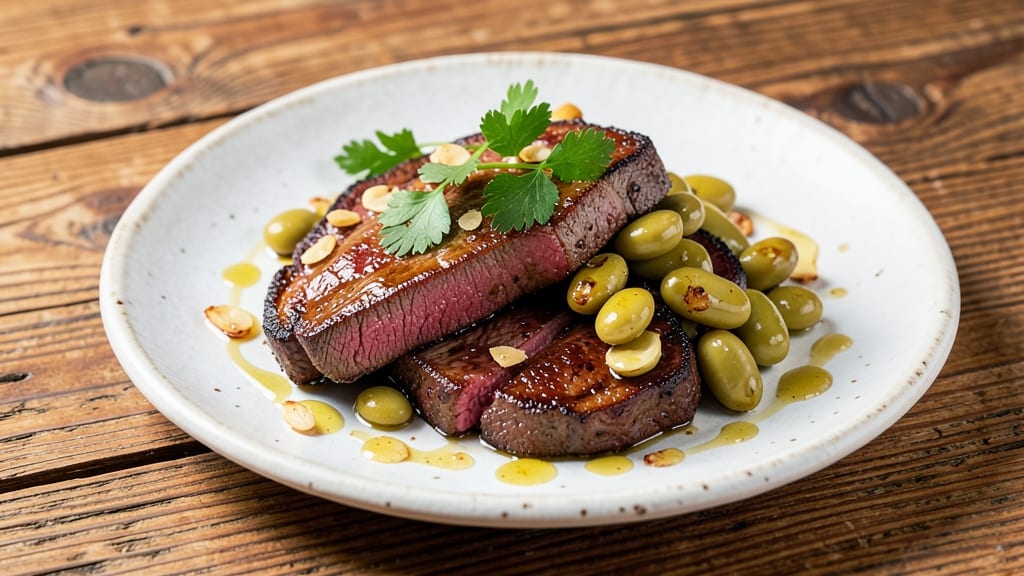
This liver and fava beans recipe delivers the bold, earthy flavors of the Mediterranean with crispy edges that transform simple ingredients into a restaurant-worthy dish.
I perfected this technique after years of experimenting with traditional fegato alla veneziana, balancing rich liver with the nutty sweetness of fava beans—a pairing that feels both rustic and refined.
The secret lies in searing the liver just enough to lock in juices while developing that signature caramelized crust, then finishing with tender beans that soak up the savory pan juices.
What makes this recipe special is its foolproof method for handling both components—liver requires precise timing to avoid overcooking, while fava beans benefit from a quick blanch to soften their texture without losing their natural earthiness.
We'll use a simple pan-sear for the liver, followed by a gentle simmer with garlic, white wine, and olive oil to create a sauce that clings to every bite.
The result is a dish that's equally at home on a weeknight table or a holiday spread, where the crispy edges contrast beautifully with the creamy beans.
By the time you're plating, you'll have perfectly seared liver with crispy, golden-brown edges and tender, buttery fava beans that hold their shape. The aroma alone—garlicky, wine-infused, with a hint of Mediterranean herbs—will have everyone at the table anticipating the first bite.
This recipe transforms humble ingredients into something extraordinary, proving that great flavor doesn't require complexity. Let's get cooking with a dish that's as satisfying as it is impressive.
For those new to working with liver, don't worry—this method is designed to minimize any potential bitterness while maximizing tenderness. We'll also cover how to prepare fava beans safely, whether you're using dried beans (which must be soaked overnight) or fresh, shelled ones.
The final plating is simple: arrange the liver and beans on a warm platter, drizzle with the reduced pan sauce, and finish with a sprinkle of fresh parsley. Serve with crusty bread to soak up every last drop of that flavorful sauce.
Ingredients for liver and fava beans
Mediterranean flavors meet precision technique in these twelve ingredients for restaurant-quality liver and fava beans.
| Ingredient | Amount | Notes |
|---|---|---|
| Beef Liver 🥩 | 1 ½ lb | Fresh, cut into 1-inch pieces |
| Dried Fava Beans 🌾 | 1 ½ cups | Soaked overnight, drained |
| Extra-Virgin Olive Oil 🫒 | ½ cup | High-quality, fruity variety |
| Garlic Cloves 🧄 | 6 cloves | Minced, fresh preferred |
| Dry White Wine 🍷 | ½ cup | Sauvignon Blanc or Pinot Grigio |
| Fresh Parsley 🌿 | ¼ cup | Chopped, for garnish |
| Lemon Juice 🍋 | 2 tbsp | Freshly squeezed |
| Diamond Crystal Kosher Salt 🧂 | 1 ½ tsp | Fine grain, for seasoning |
| Freshly Ground Black Pepper 🌶️ | ½ tsp | Coarsely ground |
| Unsalted Butter 🧈 | 2 tbsp | Cold, for finishing |
| Fresh Rosemary 🌿 | 1 tbsp | Chopped, for aroma |
| Crusty Bread 🍞 | 8 slices | For serving |
| Red Wine Vinegar 🍷 | 1 tbsp | For balancing acidity |
The liver selection is critical—beef liver with visible marbling delivers the best texture. Source from a trusted butcher or Whole Foods meat counter, where they'll often trim excess fat for you. For fava beans, dried varieties from Trader Joe's or specialty stores like Penzeys ensure consistent quality. Fresh fava beans, if available, should be bright green and firm to the touch. The extra-virgin olive oil should have a robust peppery finish—California or Italian varieties excel here. Pre-minced garlic from jars lacks freshness; invest in a garlic press or knife skills for optimal flavor development. Rosemary should be fragrant and pliable, not brittle or woody.
No white wine on hand? Substitute with chicken stock—reduce it slightly to mimic wine's depth. For dried fava beans, overnight soaking is non-negotiable; otherwise, they'll remain tough. Fresh fava beans require a quick blanch to soften their texture without losing shape. The butter finish is essential—European-style unsalted butter like Plugrá adds richness without overpowering. Swap rosemary for thyme if unavailable, but the lemon juice remains vital for brightness. Pre-shredded cheese? Avoid it—it lacks the freshness needed to complement the liver's richness.
Fresh liver and fava beans should be used within 2 days for peak texture. Store the liver in an airtight container with a paper towel to absorb moisture, while soaked fava beans keep in their soaking liquid in the fridge. The finished dish reheats beautifully—simmer gently for 3-4 minutes to restore crispy edges. Portion the sauce separately if freezing, as it thickens upon reheating. For optimal presentation, assemble components just before serving to maintain the crispy edges and vibrant colors that define this dish.
Why You'll Love This Recipe
- One-Pan Magic: I swear by this—just toss everything in one skillet, and the liver and fava beans caramelize together while you sip your wine. No chopping, no fuss, no extra dishes. That’s my kind of cooking.
- Crispy-Creamy Contrast: The liver gets that perfect sear—crispy edges, tender inside—while the fava beans soak up the garlic and wine into something rich and buttery. Honestly, the combo is ridiculously satisfying.
- Weeknight or Weekend: Make it for a lazy Tuesday with crusty bread, or bring it to a potluck—it’s hearty enough for a crowd but feels special enough for company. (Yes, even on a Tuesday night.)
- Budget Powerhouse: Liver is cheap, fava beans last forever, and a splash of wine elevates it without breaking the bank. I’ve fed four people for under $10 with leftovers that taste even better the next day.
Step-by-step instructions for earthy Mediterranean liver and fava bites
A precise balance of technique and timing transforms this rustic pairing into a refined dish with satisfying texture contrasts.
Prepare the Fava Beans for Maximum Texture
Drain the soaked dried fava beans thoroughly and transfer them to a medium saucepan. Add enough cold water to cover by 2 inches, then bring to a boil over high heat. Once boiling, reduce to a gentle simmer and cook for exactly 20 minutes until the beans are fork-tender but still hold their shape.
Drain immediately and transfer to an ice bath to halt cooking. This prevents overcooking which would turn them mushy. Once cooled, pat dry completely with paper towels—this step is critical for achieving crispy edges later when they're fried.
Create the Crispy Liver Coating and Sear
In a small bowl, combine the 1.5 teaspoons diamond crystal kosher salt, 0.5 teaspoon freshly ground black pepper, 1 tablespoon fresh rosemary, and 2 tablespoons lemon juice. Toss the 1.5 pounds beef liver pieces in this marinade until evenly coated. Let sit for 15 minutes while you prepare the frying station.
Heat 0.25 cup extra-virgin olive oil in a heavy skillet over medium-high heat until shimmering. Working in batches to avoid crowding, add the liver pieces and sear for 2-3 minutes per side until developing deep golden-brown crusts. The edges should look crispy while maintaining a slightly pink center—this indicates perfect doneness. Remove and set aside on a wire rack.
Build the Mediterranean Sauce Base
In the same skillet (no need to clean), reduce heat to medium and add 6 minced garlic cloves. Sauté for 30 seconds until fragrant but not browned. Deglaze with 0.5 cup dry white wine, scraping up any browned bits from the bottom. Let reduce by half before adding 0.25 cup fresh parsley and 1 tablespoon red wine vinegar. Stir in 2 tablespoons cold unsalted butter until melted and emulsified.
The sauce should coat the back of a spoon with a glossy sheen. Taste and adjust seasoning—add more salt if needed, but the wine and vinegar should provide sufficient acidity. Keep warm over low heat while you prepare the final assembly.
Assemble with Crispy Fava Beans
Return the seared liver to the skillet and spoon the sauce generously over each piece. Add the dried fava beans and toss gently to coat. The beans will begin to crisp slightly from the residual heat—this is what creates that satisfying textural contrast. Transfer everything to a serving platter and garnish with additional chopped fresh parsley.
Serve immediately with 8 slices crusty bread alongside. The bread acts as both a vehicle for the rich sauce and a counterpoint to the dish's earthy flavors. Each bite should deliver crispy edges on both the liver and fava beans, balanced by the bright acidity of the wine-vinegar sauce.
Pro Tips For Making Liver And Fava Beans
- Sear Liver in Batches: DESCRIPTION: Beef liver releases so much liquid when seared that it’ll steam and cook unevenly if you crowd the pan. Work in 2-3 pieces at a time, letting each develop a deep brown crust before adding more—this keeps the texture tender, not rubbery.
- Soak Favas Overnight: DESCRIPTION: Dried fava beans are stubborn. Skip the overnight soak, and you’ll spend 20 minutes scrubbing skins off later. Toss them in a bowl of water with a splash of vinegar (helps break down the skins) and let them sit 12+ hours—your future self will thank you.
- Deglaze with Wine Early: DESCRIPTION: Don’t wait until the liver’s done to add the white wine—it’ll just burn. Toss in the wine right after searing the garlic, scraping up those browned bits immediately. That’s where all the flavor hides, and you’ll regret skipping it.
- Salt Liver Last: DESCRIPTION: Beef liver is delicate, and salting it too soon draws out moisture, making it tough. Season lightly before searing, then finish with a pinch of flaky salt right before serving—this keeps it juicy and bright. (Yes, even if you’re impatient like me.)
Troubleshooting perfect results
Liver Overcooking
The most common mistake with liver is letting it cook past medium—this turns it rubbery and bitter. I’ve found beef liver is perfect at 130-135°F internal temperature (about 2-3 minutes per side in a hot pan). Use a meat thermometer for accuracy, especially if your pieces vary in size.
If you see the edges browning too quickly, reduce heat to medium and continue cooking. Overcooked liver loses its buttery texture and becomes tough—this is irreversible. 🔥
Mushy Fava Beans
Fava beans are delicate—overcooking turns them into a paste. After soaking overnight, cook them for exactly 20 minutes from a rolling boil. The moment they’re fork-tender but still hold shape is key. I always test one bean by pressing it gently with a fork.
If it crumbles easily, they’re done. Skipping the ice bath after cooking can also lead to mushiness—this critical step stops the cooking process instantly. Pat them dry thoroughly before frying to ensure crispy edges later.
Sauce Too Thin
The wine-vinegar sauce should coat the back of a spoon but not be watery. If yours is too thin, reduce it longer over medium heat until syrupy. I’ve learned that using Pinot Grigio (lighter than Sauvignon Blanc) gives a cleaner reduction.
For extra body, add 1 teaspoon cornstarch mixed with 1 tablespoon cold water and stir in at the end. The butter finish is non-negotiable—it emulsifies the sauce and adds richness. If the sauce separates, whisk vigorously or start over with a fresh batch.
Uneven Crispiness
Crispy edges on both liver and fava beans come from proper drying and high heat. After cooking, pat the fava beans completely dry with paper towels—any moisture will steam them instead of crisp. For the liver, sear in batches without overcrowding the pan.
I use a 12-inch cast-iron skillet (like Lodge) for even heat distribution. If your kitchen is humid, let the beans air-dry for 10 minutes on a wire rack before frying. The goal is a golden, shatter-like crust on both components.
Fava Beans Too Bitter
Fresh or improperly soaked dried fava beans can taste bitter. To prevent this, soak dried beans in water with 1 teaspoon baking soda overnight—this reduces bitterness. For fresh beans, blanch them for 2 minutes in boiling water before using.
If bitterness persists, add 1 extra tablespoon lemon juice to the sauce or serve with a side of arugula salad (its peppery notes balance the flavor). Avoid using wilted or yellowed beans—they’re past their prime and will dominate with bitterness. 💡
Lack of Flavor Balance
The sauce needs acidity to cut through the richness of the liver. If your dish tastes flat, boost the brightness with an extra ½ teaspoon red wine vinegar or 1 teaspoon capers. I often add a pinch of smoked paprika for depth if the flavors feel one-dimensional.
Taste as you go—adjust salt, acid, or fat (with butter) to achieve harmony. The fava beans should complement, not compete with, the liver. If they’re overpowering, reduce their quantity slightly in future batches.
Nutrition facts
Frequently asked questions
Can I substitute chicken liver for beef liver in this recipe?
Yes, but with adjustments! Chicken liver is milder and more delicate than beef liver, so it cooks faster (1-2 minutes per side) and requires lower heat (medium instead of medium-high). Use 1 pound chicken liver instead of 1.5 pounds beef liver and reduce the marinating time to 10 minutes. The texture will be softer, but the flavor remains rich and earthy.
How do I prepare fresh fava beans instead of dried?
Fresh fava beans need a quick 2-minute blanch in boiling water to soften their tough skins, then transfer to an ice bath. Pat them dry completely before using—this prevents mushiness when frying. Use 2 cups fresh beans (about 1.5 pounds) to match the dried bean quantity. Fresh beans have a sweeter, nuttier flavor but require more active prep time.
Why does my liver turn out bitter?
Overcooking is the #1 cause of bitterness in liver. Aim for 130-135°F internal temp—any hotter and the proteins tighten, releasing bitter compounds. Also, avoid using wilted or yellowed fava beans, which can add bitterness. For extra insurance, marinate the liver in 1 extra tablespoon lemon juice before cooking. The wine-vinegar sauce helps balance any residual bitterness.
Can I make this recipe ahead of time?
Partial prep is possible! Cook the fava beans and sear the liver up to 2 days ahead, storing them separately in airtight containers. Reheat the liver in a skillet for 1-2 minutes per side to restore crispiness. Keep the sauce separate until serving—reheat it gently and finish with fresh butter. Serve with warm crusty bread to soak up any extra sauce.
What wine works best if I don't have white wine?
Use dry vermouth (like Martini) or chicken stock reduced by half for depth. For a non-alcoholic option, substitute with apple cider vinegar + 1 teaspoon sugar per ½ cup liquid. Avoid sweet wines—they’ll make the sauce cloying. The key is acidity and body; any substitute should reduce to a syrupy consistency for the best texture.