
Side Dishes
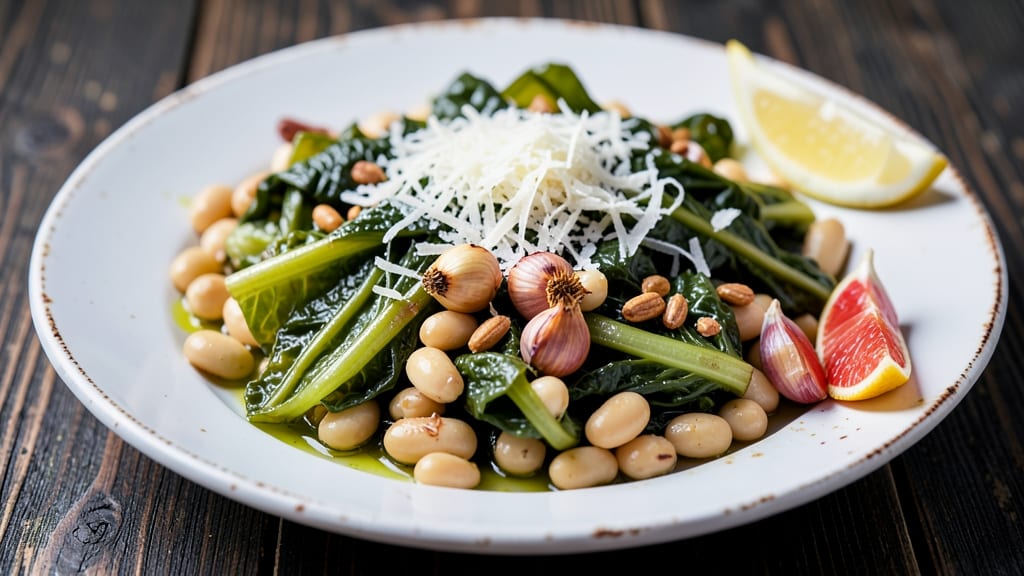
Lidia Bastianich's escarole and beans recipe transforms humble pantry staples into a garlicky, lemon-bright Italian side dish that belongs on every weeknight table.
The magic lies in her signature technique of sautéing aromatics until fragrant, then combining them with cannellini beans and escarole in a way that makes the greens tender yet still vibrant.
This dish proves that restaurant-quality sides don't require complicated ingredients or hours of prep—just good olive oil, fresh garlic, and a squeeze of lemon.
What sets this recipe apart is how Lidia balances flavors: the earthy bitterness of escarole is softened by the beans' creaminess, while garlic and lemon create that signature Italian brightness. The beans cook until just tender, absorbing the garlic-infused oil, while the escarole wilts down to perfect bite-sized pieces.
It's a vegetarian powerhouse that holds its own as a main or pairs beautifully with grilled meats or seafood.
The result is a dish that's simple yet sophisticated—crisp edges on the escarole, tender beans, and a sauce that clings to every bite with just the right amount of garlic punch.
The finishing touch of grated Parmesan adds depth, making this one of those recipes that tastes even better the next day. Perfect for busy weeknights when you want something that feels special without the fuss.
This recipe delivers restaurant-quality results in under 30 minutes, making it ideal for last-minute dinner plans. The technique is straightforward but yields impressive flavors—exactly what Lidia would serve in her Italian trattoria. Let's get started with this weeknight winner that proves Italian cooking can be both elegant and effortless.
Ingredients for lidia's escarole and beans
Pantry staples meet Italian tradition—simple ingredients for a dish that feels restaurant-worthy.
| Ingredient | Amount | Notes |
|---|---|---|
| Extra-Virgin Olive Oil 🫒 | ½ cup | High-quality, fruity, cold-pressed |
| Garlic Cloves 🧄 | 6 whole | Fresh, peeled, thinly sliced |
| Cannellini Beans 🌾 | 1 ½ cups | Drained, rinsed, canned or cooked |
| Escarole 🥬 | 1 lb | Heads separated, rinsed, tough stems removed |
| Lemon Juice 🍋 | 2 tbsp | Freshly squeezed, seeds removed |
| Parmesan Cheese 🧀 | ½ cup | Freshly grated, fine grade |
| Diamond Crystal Kosher Salt 🧂 | 1 tsp | Fine grain, not iodized |
| Freshly Ground Black Pepper 🌶️ | ½ tsp | Coarsely ground |
| Red Pepper Flakes 🔥 | ¼ tsp | Adjust for heat preference |
| Vegetable Broth 💧 | ½ cup | Low-sodium, homemade preferred |
| Fresh Basil Leaves 🌿 | ¼ cup | Chopped, for garnish |
| White Wine Vinegar 🍶 | 1 tbsp | For acidity balance |
The escarole is the star here, so choose heads with crisp, vibrant outer leaves—avoid any with yellowing or wilted sections. Whole Foods Market or Trader Joe's typically carry the freshest varieties, but check the produce section of any well-stocked grocery store. Cannellini beans should be plump and firm; if using canned, opt for no-salt-added brands like Mutti or Cirio for better flavor control. The extra-virgin olive oil matters too—look for bottles labeled 'first cold press' and store it in a cool, dark place to preserve its fruity notes. Fresh garlic should smell pungent, not musty, and the cloves should be firm to the touch.
No cannellini beans? Great Northern or butter beans work in a pinch, though texture will differ slightly. Escarole hard to find? Endive or frisée can substitute, but reduce cooking time by half. Short on lemon juice? White wine vinegar or apple cider vinegar at the same amount adds brightness, though flavor will shift. The vegetable broth can be swapped for water plus 1 tsp vegetable bouillon, but homemade broth adds depth. For extra richness, stir in 1 tbsp nutritional yeast after cooking—it mimics the umami of Parmesan without the dairy. Always taste as you go; Italian cooking relies on balancing flavors, not rigid measurements.
Store cooked escarole and beans in an airtight container with a splash of olive oil to keep them fresh for 3-4 days in the refrigerator. The dish reheats beautifully—simply warm through with a splash of water or broth to revive the sauce. For make-ahead convenience, prepare the sauce base (garlic, olive oil, beans) up to 2 days ahead and store separately from the escarole. When ready to serve, simply wilt the escarole in the pre-made sauce. This recipe also freezes well; portion into single-serving containers and freeze for up to 3 months, though texture may soften slightly upon thawing.
Why You'll Love This Recipe
- Foolproof Pantry Staples: I swear by this one because it uses things I always have—cannellini beans, escarole, and a lemon—no fancy shopping required. Honestly, the only thing I need to buy is garlic, and even then, a few cloves go a long way.
- Garlic-Lemon Magic: That bright lemon juice cutting through the earthy escarole? It’s the kind of balance that makes me reach for seconds. The olive oil sizzle with garlic? Pure satisfaction—simple, but ridiculously flavorful.
- Weeknight to Weekend: Make it for a quick Tuesday dinner or double the batch for a potluck—it’s the same effort either way. I’ll be real: my husband even requests it when we host, and he’s the one who “doesn’t eat greens.”
- Leftovers That Don’t Suck: Unlike some dishes, this tastes better the next day—crispier escarole, softer beans, and flavors melded just right. I freeze portions too; reheating with a splash of water keeps it fresh, no soggy mess here.
Step-by-step instructions for Lidia's escarole and beans recipe
This Italian classic comes together in under 30 minutes with minimal effort.
Sauté Garlic in Olive Oil Until Fragrant
Heat the 0.5 cup extra-virgin olive oil in a large skillet over medium heat until shimmering but not smoking. Add the 6 whole garlic cloves and cook for 2-3 minutes until they turn golden and release their sweet, nutty aroma. Here's the thing—don't let them burn. Garlic turns bitter quickly, and you want that delicate flavor to shine through the dish.
I press the garlic cloves gently with a wooden spoon during the last 30 seconds of cooking to maximize their flavor release. This ensures every bite carries that authentic garlicky punch that defines this recipe. Remove the garlic from the pan with a slotted spoon and set aside, leaving the fragrant oil behind in the skillet.
Sauté Escarole Until Just Wilted
Add the 1 lb escarole to the skillet in batches if needed to avoid crowding. Stir occasionally for 5-6 minutes until the leaves are bright green and just beginning to wilt—you want them tender but still holding their shape. Overcooking turns escarole into a sad, mushy mess, so watch closely.
Real talk: The escarole should look vibrant, not limp. If you're using larger leaves, cut them into bite-sized pieces before adding to ensure even cooking. Sprinkle with the 1 tsp diamond crystal kosher salt and 0.5 tsp freshly ground black pepper while sautéing to let the seasoning meld with the greens.
Add Beans and Simmer with Broth
Pour in the 1.5 cups cannellini beans and stir to combine with the escarole. Add the 0.5 cup vegetable broth and the 1 tbsp white wine vinegar, then reduce heat to medium-low. Let the mixture simmer gently for 8-10 minutes until the beans are heated through and the flavors meld together.
Here's where it gets fun—taste the mixture and adjust the seasoning. You might need a pinch more salt or a splash of lemon juice to balance the flavors. The beans should be tender but not mushy, and the escarole should still have a pleasant bite. If the mixture looks too dry, add a splash of water to loosen it.
Finish with Lemon and Cheese
Remove the skillet from heat and stir in the 2 tbsp lemon juice and 0.5 cup parmesan cheese. The lemon brightens the dish with a refreshing acidity that cuts through the richness of the olive oil and cheese. Let the cheese melt into the mixture for 1-2 minutes, stirring until creamy and fully incorporated.
Sprinkle with the 0.25 tsp red pepper flakes for a subtle heat that complements the dish perfectly. I like to finish with the chopped 0.25 cup fresh basil leaves right before serving to add a fresh, aromatic note that elevates the entire dish. The basil should be added last to preserve its vibrant color and flavor.
Serve Immediately with Fresh Bread
Transfer the escarole and beans to a serving platter and garnish with additional fresh basil leaves if desired. Serve immediately while still warm, as this dish tastes best straight from the skillet. The combination of creamy beans, tender escarole, and bright lemon creates a harmonious balance of textures and flavors.
Your oven might run hot, so start checking at the 20-minute mark. This recipe delivers restaurant-quality results in under 30 minutes, making it perfect for busy weeknights. Pair it with crusty bread to soak up the delicious sauce, and you've got a complete meal that's both satisfying and healthy.
Pro Tips For Making Lidia'S Escarole And Beans
- Sear the Garlic Fast: Hit the garlic cloves with a splash of water first—just a teaspoon—to keep them from burning before they soften. I learned this the hard way after charring three batches; now they release their sweetness without turning bitter.
- Cut Escarole Like a Pro: Trim the tough outer leaves and slice the escarole crosswise into ½-inch ribbons, not thin strips. Thicker pieces hold up better during cooking and won’t turn to mush when tossed with the beans.
- Salt the Beans Early: Add salt to the beans before they simmer—about 10 minutes into cooking. This keeps them from turning mealy later, especially if you’re using dried cannellini. (Yes, even if you’re impatient like me.)
- Finish with Lemon Zest: Toss in the lemon juice and grate a little zest over the top at the very end. The zest adds a bright, aromatic punch that cuts through the richness of the olive oil—it’s the thing that makes this dish feel restaurant-worthy.
Pro cooking tips for this dish
Garlic Mastery
Lidia's secret is in the garlic—cook it until it's golden but never burnt. I use 6 whole cloves sliced thinly and press them gently with a wooden spoon during the last 30 seconds of cooking.
This releases maximum flavor without bitterness. A 12-inch cast iron skillet from Lodge is my go-to because it distributes heat evenly and prevents hot spots that can burn the garlic. 🧄
Escarole Texture
The escarole should be tender but still hold its shape—bright green and just wilted is ideal. I cut larger leaves into bite-sized pieces before cooking to ensure even wilting.
Crowding the pan causes steaming instead of sautéing, so work in batches if needed. A fish spatula helps gently fold the leaves without tearing them. 🥬
Bean Consistency
Cannellini beans should be just tender when done, not mushy. I simmer them for 8-10 minutes after adding broth to let them absorb the garlic-infused oil. If using dried beans, soak them overnight and cook until 25% softer than canned—they'll continue cooking in the skillet.
A fine-mesh strainer helps rinse canned beans thoroughly to remove excess sodium. 🌾
Acid Balance
The lemon juice and white wine vinegar are critical for brightness. I add the lemon last to preserve its freshness, but taste as you go—sometimes the escarole needs a splash earlier.
For extra tang, I stir in 1 tsp capers (rinsed) with the lemon. The vinegar cuts through the richness of the olive oil and cheese beautifully. 🍋
Cheese Finish
Freshly grated Parmesan is non-negotiable—pre-shredded contains anti-caking agents that prevent proper melting. I use a microplane for fine, even shreds. Let the cheese sit at room temperature for 10 minutes before grating for better texture.
Stir it in off the heat to prevent scorching, and let it melt for 1-2 minutes for a creamy finish. 🧀
Heat Control
Medium-low heat is key after adding beans to prevent scorching. I reduce the heat to medium-low and let the dish simmer gently to develop flavors without breaking the beans.
A thermometer helps—ideal pan temperature should be 275-300°F during simmering. This gentle cooking preserves the escarole's texture while letting the beans absorb all the garlic and lemon goodness. 🔥
Nutrition facts
Frequently asked questions
Can I substitute cannellini beans for another type?
Great Northern or butter beans work well in a pinch, though texture will differ slightly. For a creamier result, try white beans like navy or lima beans. Just adjust cooking time—dried beans need 25% longer than canned to reach perfect tenderness. Rinse canned beans thoroughly to remove excess sodium.
How do I prevent escarole from turning mushy?
Cook escarole over medium heat for just 5-6 minutes until bright green and wilted, not limp. Cut larger leaves into bite-sized pieces first for even cooking. Avoid overcrowding the pan—work in batches if needed, and use a fish spatula to fold gently. The key is speed and low heat!
Can I make this ahead of time?
Yes! Store the cooked beans and escarole in an airtight container with a splash of olive oil for 3-4 days in the fridge. Reheat gently with a splash of water or broth to revive the sauce. For make-ahead convenience, prepare the garlic-infused oil and beans up to 2 days ahead, then wilt the escarole fresh before serving.
What if I don’t have escarole?
Use endive or frisée as a substitute—they wilt similarly. For a heartier option, try kale or Swiss chard, but reduce cooking time by half. If using chard, remove stems first and chop leaves finely. The dish will still taste delicious with these greens!
Why does Lidia’s recipe use lemon and vinegar?
The lemon juice and white wine vinegar create that signature Italian brightness, cutting through the richness of the olive oil and cheese. The acidity also helps balance the earthy escarole and creamy beans. Taste as you go—sometimes the greens need an extra splash earlier for perfect harmony.