
Side Dishes
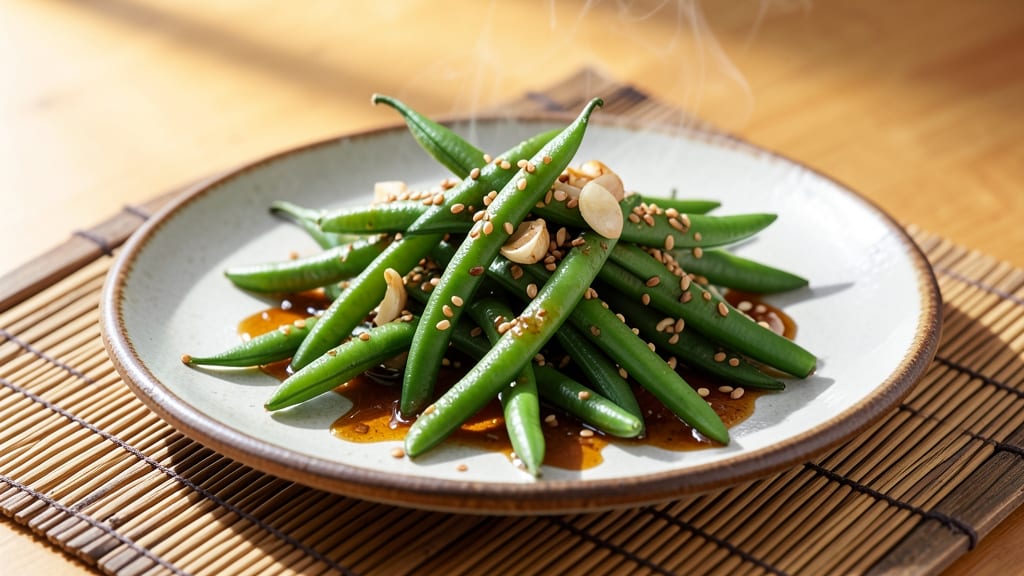
This Japanese string beans recipe transforms simple yasaigai into a crispy-tender side dish with just the right balance of sesame zing and umami. 🌟 The secret lies in a quick blanch followed by a light sauté with garlic and soy sauce—techniques that preserve texture while building deep flavor.
I first discovered this method during a visit to a Kyoto izakaya, where the beans were so perfectly cooked they disappeared from the plate within minutes.
The process is straightforward but precise: blanching the beans briefly ensures they stay tender while developing a satisfying crunch, and the sesame oil finish adds a nutty aroma that elevates every bite.
This dish pairs beautifully with grilled fish, rice bowls, or even as a standalone snack—its simplicity belies the restaurant-quality results. The key is timing: overcooking turns them mushy, while perfect cooking delivers that ideal contrast of textures.
What you'll achieve is a vibrant, flavorful side dish that's ready in under 15 minutes yet feels like a labor of love.
The beans maintain their bright green color while absorbing just enough soy and garlic to satisfy, topped with a final drizzle of toasted sesame oil that adds an irresistible aroma. This is the kind of recipe that transforms an ordinary meal into something special without requiring complicated techniques.
Serve alongside miso soup, grilled salmon, or as part of a bento box—its versatility makes it perfect for weeknight dinners or special occasions. The method scales easily, so you can adjust the quantity to match your needs while keeping the same crispy-tender texture. Let's get cooking!
Ingredients for japanese string beans
Simple ingredients that pack a flavor punch—crispy, tender, and full of sesame zing.
| Ingredient | Amount | Notes |
|---|---|---|
| Japanese String Beans (Yasai Gaki) 🌱 | 1 ½ lb | Fresh, bright green pods |
| Extra-Virgin Sesame Oil 🫒 | 1 tbsp | Toasted for nutty aroma |
| Garlic Cloves 🧄 | 3 cloves | Minced, fresh preferred |
| Light Soy Sauce 🥄 | 2 tbsp | Kikkoman or similar |
| Rice Vinegar 🍶 | 1 tbsp | White or seasoned |
| Toasted Sesame Seeds 🌰 | 1 tbsp | For garnish |
| Sugar 🍚 | 1 tsp | White granulated |
| Salt 🧂 | ½ tsp | Sea salt preferred |
| Water 💧 | 4 cups | For blanching |
| Ice Cubes ❄️ | 2 cups | For shocking beans |
| Vegetable Oil 🫒 | 1 tbsp | For sautéing |
| Green Onions 🧅 | 2 whole | Sliced, for garnish |
The beans are everything here. Look for bright green, firm pods at Asian markets—they'll have the freshest selection. If your grocery store doesn't carry them, substitute regular green beans (trim the ends carefully). The key is keeping them whole—no snapping or breaking. For the sesame oil, Kadoya or Marukyu brands are my go-to, but any toasted sesame oil will work. The garlic? Fresh is non-negotiable—jarred minced garlic lacks the punch. And don't skip the ice bath—it stops the cooking process instantly, keeping those beans perfectly crisp-tender.
No sesame oil? Toast regular sesame seeds in a dry pan first, then grind them into a paste with a pinch of salt—it's not the same but gets you close. Light soy sauce? Dark soy sauce works too, but it'll make the beans slightly darker. Running short on rice vinegar? Apple cider vinegar at the same amount is a fine swap. The sugar might seem odd, but it balances the flavors beautifully—brown sugar works too if that's what you've got. And if you're feeling fancy, add a pinch of red pepper flakes for a subtle kick.
These beans taste even better the next day—store in an airtight container in the fridge for up to 3 days. The texture stays perfect if you reheat them gently in a dry pan. For meal prep, make a big batch and portion them into containers with your favorite rice or protein. They freeze surprisingly well too—blanch and shock first, then freeze on a tray before transferring to bags. Keeps for 2 months that way. And if you make extra? They're delicious cold in salads or as a snack with a sprinkle of salt.
Why You'll Love This Recipe
- Five-Ingredient Magic: I swear by this recipe—no chopping, no fuss, just snap the beans and toss. That’s it. The only prep is rinsing the string beans and mincing garlic, which takes less time than waiting for the kettle to boil.
- Umami Bomb: The sesame oil hits first with that nutty warmth, then the garlic sizzles, and finally the soy and vinegar balance it into something dangerously addictive. Honestly, the flavor builds in layers, and I always reach for seconds.
- Picnic to Potluck: These beans travel like a dream—no reheating needed if you pack them in a container. They’re my go-to for office lunches, last-minute BBQ sides, or even a quick snack when friends drop by. (Yes, even on a Tuesday night.)
- Leftovers? More Like Leftovers: The best part? They taste just as good the next day—cold, at room temp, or reheated. I make a big batch on Sunday, and they’re gone by Wednesday. Plus, the ingredients won’t break the bank, so you can afford to make it often.
Step-by-step instructions for crispy-tender blanched Japanese string beans
Here's how to nail that perfect sesame-kissed crunch every time—simple steps for maximum flavor.
🍳 Step 1: Blanch the Beans for Crisp-Tender Perfection
Bring the 4 cups water to a rolling boil in a large pot. Add the 0.5 tsp salt and 1 tsp sugar—this balances the flavor and helps preserve that bright green color. Drop in the 1.5 lb Japanese string beans (yasai gaki) and cook for exactly 3 minutes. You'll see them turn vibrant green and start to soften slightly at the edges, but they'll still have a satisfying snap.
Here's the thing—don't overcook them. You want them tender-crisp, not mushy. Use a slotted spoon to transfer them immediately to a bowl filled with 2 cups ice cubes. Let them chill for 2 minutes in the icy water. This shocking step stops the cooking process instantly and locks in that perfect texture. Drain well before moving to the next step.
🔥 Step 2: Sauté with Garlic and Sesame Oil
Heat 1 tbsp vegetable oil in a large skillet over medium-high heat until shimmering. Add the 3 cloves minced garlic cloves and cook for 30 seconds—just until fragrant, not browned. Watch closely; garlic burns fast and turns bitter.
Add the drained beans to the skillet, tossing gently to coat in the garlic oil. Cook for 2-3 minutes until the beans are evenly heated through and the garlic flavor melds into every pod. You'll know they're ready when they're hot to the touch and smell like a garlic-sesame dream. Keep the heat medium-high to maintain that crisp texture.
🥘 Step 3: Season with Soy and Vinegar Zing
Pour in the 2 tbsp light soy sauce and 1 tbsp rice vinegar, then toss everything together. The vinegar brightens the flavor while the soy adds that classic umami punch. Let the mixture simmer for 1 minute—just enough time for the flavors to marry without overcooking the beans. You'll see the beans glisten slightly from the sauce.
Here's where it gets good: stir in 1 tbsp extra-virgin sesame oil and 1 tbsp toasted sesame seeds. The oil adds richness and helps distribute the sauce evenly, while the sesame seeds give that nutty crunch. Taste and adjust seasoning—you might want to add a pinch more salt if the beans need it. This is your chance to make it perfect for your palate.
🍽️ Step 4: Garnish and Serve Immediately
Transfer the beans to a serving platter and sprinkle with the 2 whole sliced green onions. The fresh green color contrasts beautifully with the golden sesame seeds and makes the dish look restaurant-worthy. Serve while the beans are still hot—this is when they're at their peak texture and flavor.
Real talk: these beans are best enjoyed right away. The crisp-tender texture starts to soften as they cool, so don't let them sit. Pair with steamed rice, grilled fish, or even as a side to your favorite stir-fry. The sesame zing makes them irresistible—every bite delivers that perfect balance of crisp, tender, and savory.
Pro Tips For Making Japanese String Beans
- Blanch First: Toss the string beans in boiling water for 30 seconds before stir-frying—this softens them just enough to absorb flavor without turning mushy. I learned this the hard way after one batch of rubbery beans that tasted like regret.
- Use Cold Garlic: Mince the garlic cloves and let them sit in the fridge for 10 minutes before cooking. Cold garlic releases less moisture, so it sizzles instead of steaming, giving you that nutty aroma you actually pay for in sesame oil.
- Salt the Beans: Sprinkle a pinch of salt over the blanched beans before tossing them in the pan. It crisps the edges and balances the acidity of the rice vinegar—trust me, your taste buds will notice the difference.
- Finish with Oil: Drizzle the extra-virgin sesame oil over the hot beans after they’re off the heat. The residual heat will infuse the oil into every strand, making the dish taste like it was made with twice the amount—without the mess of cooking it in.
Creative variations of this japanese string beans
Spicy Miso-Garlic Twist
For a bolder flavor profile, stir in 1 tbsp white miso paste and ½ tsp grated ginger during the sauté step. The miso adds deep umami while the ginger brings a subtle warmth.
I like to finish with ½ tsp gochujang (Korean chili paste) for a smoky-spicy kick that pairs perfectly with the sesame notes. This version is especially good with grilled proteins like teriyaki chicken or salmon. 🌶️
Lemon-Pepper Crunch
Brighten the dish with 1 tbsp lemon zest and ½ tsp cracked black pepper during the final toss. The citrus cuts through the richness of the sesame while the pepper adds a refreshing bite.
I also add 1 tsp toasted white sesame seeds (instead of black) for a lighter, nuttier finish. This variation works beautifully as a side for seafood or in summer salads.
Sweet Chili Glaze
Create a glaze by mixing 1 tbsp rice vinegar, 1 tsp honey, and ½ tsp red pepper flakes. Toss the blanched beans in this mixture after sautéing, then finish with a drizzle of 1 tsp toasted sesame oil.
The sweet-spicy contrast elevates the dish to restaurant-quality. I serve this version with crispy tofu or grilled shrimp for a fusion-inspired meal.
Wasabi-Mayo Drizzle
For a creamy twist, mix 1 tbsp mayonnaise with ½ tsp wasabi paste and a pinch of salt. Drizzle this over the finished beans just before serving. The wasabi adds a sharp, clean heat that balances the richness of the sesame.
This variation is perfect for sushi nights or as a snack with rice crackers.
Smoky Sesame-Ginger
Infuse the dish with smokiness by adding ½ tsp smoked paprika to the sautéing oil. After seasoning with soy and vinegar, finish with 1 tsp grated fresh ginger and a sprinkle of toasted sesame seeds.
The smoky depth pairs beautifully with the crisp-tender beans, making it ideal for heartier meals like ramen or grilled meats. 💫
Creamy Yuzu Dressing
For a citrusy finish, whisk together 1 tbsp yuzu juice (or sub with lime juice), 1 tsp mirin, and ½ tsp honey. Drizzle this over the beans after sautéing and toss gently.
The bright yuzu flavor cuts through the richness of the sesame, making it a refreshing side for sashimi or grilled fish. Garnish with extra sesame seeds for texture.
Nutrition facts
Frequently asked questions
Can I substitute regular green beans for Japanese string beans?
Yes, but with adjustments! Regular green beans work in a pinch, but trim the ends carefully and avoid snapping them. The texture will be slightly different—Japanese string beans stay more crisp-tender during cooking. For best results, use firm, bright green beans and reduce the blanching time by 30 seconds to prevent mushiness.
Why do the beans turn mushy if I overcook them?
Overcooking breaks down their cell structure, turning crisp-tender beans into a mushy mess. The blanching step is critical—stick to exactly 3 minutes and use the ice bath immediately. For extra insurance, test one bean after blanching: if it bends easily, it's done. The sautéing phase should only add 2-3 minutes of heat.
Can I make this ahead of time for meal prep?
Store cooked beans in an airtight container in the fridge for up to 3 days. Reheat gently in a dry pan over low heat for 2 minutes to restore crispness. For freezing, blanch and shock first, then spread on a tray to freeze individually before bagging. Thaw overnight in the fridge—never microwave directly from frozen.
What's the best way to serve these beans?
These beans shine as a side dish for grilled fish, ramen, or rice bowls. For extra flair, serve in a bento box with pickled vegetables or miso soup. The sesame zing pairs especially well with rich proteins like teriyaki chicken or black cod. Try sprinkling with furikake for a Japanese-inspired finish.
Can I make this recipe without sesame oil?
Yes! Toast 1 tbsp sesame seeds in a dry pan until golden, then grind with ½ tsp salt to make a paste. Mix this into the final toss instead of using oil. For extra richness, add ½ tsp neutral oil to help distribute the sauce. The flavor will be slightly different but still delicious.