Side Dishes
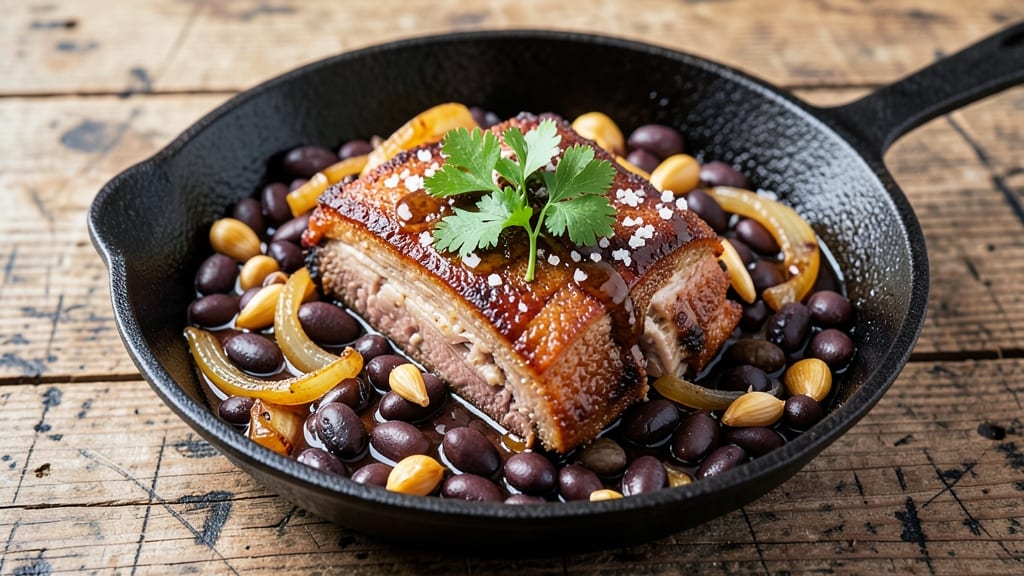
Jacob's Cattle Beans delivers that unmistakable Southern comfort in every bite—smoky, spiced, and slow-cooked to perfection with tender pork and rich beans. This recipe honors tradition while making it approachable for modern kitchens, where a Dutch oven or slow cooker transforms simple ingredients into a dish that tastes like home.
The key lies in the balance of spices and the patience of slow cooking, which develops deep, caramelized flavors that turn humble ingredients into something extraordinary.
What sets these cattle beans apart is the combination of smoked pork shoulder and navy beans simmered with molasses, vinegar, and a blend of spices that create that signature tangy-sweet-savory profile.
Unlike quick versions, this method requires time—typically 6 to 8 hours—to build layers of flavor that make every spoonful worth the wait. The result is a dish that's hearty enough to stand alone or pair beautifully with cornbread and collard greens for a complete Southern meal.
By the time you're done, you'll have a pot of beans with tender meat that falls apart at the touch, a thick, glossy sauce clinging to every bean, and an aroma that fills your kitchen with warmth.
The slow cooking process ensures the beans are perfectly tender while the pork stays juicy, creating a texture that's both satisfying and comforting. This is the kind of recipe that gets better with each serving, especially when reheated the next day.
Perfect for family gatherings, holiday feasts, or cozy weeknight dinners, these cattle beans are a labor of love that pays off in rich, flavorful rewards. Whether you're preparing for a crowd or simply craving a taste of tradition, this recipe delivers the soul-soothing comfort of the South in every bite.
Ingredients for jacob's cattle beans
Sixteen ingredients transform into a soul-warming dish that captures Southern tradition in every bite.
| Ingredient | Amount | Notes |
|---|---|---|
| Smoked Pork Shoulder 🥓 | 2 lb | Bone-in preferred for flavor |
| Navy Beans 🍲 | 2 cups | Dried, soaked overnight |
| Yellow Onion 🧅 | 1 whole | Medium, chopped |
| Garlic Cloves 🧄 | 4 cloves | Fresh, minced |
| Molasses 🍯 | ½ cup | Unsulphured preferred |
| Apple Cider Vinegar 🍎 | ¼ cup | For tangy depth |
| Chicken Broth 💧 | 3 cups | Low-sodium preferred |
| Tomato Paste 🍅 | 2 tbsp | Smooth, not chunky |
| Brown Sugar 🍚 | ¼ cup | Light or dark |
| Smoked Paprika 🌶️ | 1 tbsp | For authentic smokiness |
| Ground Black Pepper 🌶️ | ½ tsp | Freshly cracked |
| Dried Thyme 🌿 | 1 tsp | Or 1 tbsp fresh |
| Bay Leaves 🍃 | 2 whole | Standard size |
| Salt 🧂 | 1 ½ tsp | Kosher or sea salt |
| Hot Sauce 🔥 | 1 tbsp | Optional, for heat |
The smoked pork shoulder is the heart of this recipe—look for thick-cut, bone-in pieces with good marbling for maximum flavor. Costco or local butchers often carry high-quality cuts that make the difference. If you can't find smoked pork, unsmoked pork shoulder works with 1 tbsp of smoked paprika added to the rub. The navy beans should be dried, not canned, for that authentic texture. Soak them overnight to ensure they're tender after slow cooking. For spices, Penzeys or bulk bins at natural markets offer the freshest options, but don't stress if you're using standard grocery store brands—they'll still deliver great results.
No molasses on hand? Maple syrup or honey can substitute at the same amount, though the flavor will shift slightly. Short on vinegar? A splash of lemon juice works in a pinch. The tomato paste can be omitted entirely if you prefer a less tangy profile, but it adds depth that's hard to replicate. For the broth, homemade is ideal, but even low-sodium store-bought will work. The hot sauce is optional but recommended for that signature kick—Crystal or Tabasco are classic choices. If you're using fresh thyme, double the amount listed, as dried is more concentrated. The bay leaves should be standard size; don't use the tiny dried ones meant for pickling.
This dish tastes even better the next day, so make it ahead if possible. Store leftovers in an airtight container in the fridge for up to 5 days or freeze for 3 months. To reheat, add a splash of broth or water and simmer until heated through. The pork will continue to tenderize over time, so don't rush the cooking process. For serving, a thick slice of cornbread or crusty bread helps soak up the rich sauce. The beans and pork can also be frozen in portions for quick meals later—just thaw and reheat gently.
Why You'll Love This Recipe
- One-Pot Magic: I swear by this recipe when I’m too tired to scrub pots—just dump everything in one deep skillet, let it simmer, and walk away. The navy beans soften while the pork shoulder falls apart on its own, no stirring required.
- Molasses-Kissed Richness: That dark, sticky molasses? It’s the secret weapon here—deepens the flavor without tasting like syrup. The smoked pork shoulder adds this smoky-sweet depth that makes every bite feel like a hug, even on a Tuesday.
- Tailgate to Table: Between us, this is my go-to for game days, potlucks, or when my book club shows up unannounced. Serve it warm in bowls with cornbread, or pack it cold for a picnic—it’s just as good the next day, if not better.
- Budget-Friendly Feast: A pound of smoked pork shoulder and a can of beans stretch across three meals for my family of four. Honestly, I’ve made this for under $8 total, and somehow it always disappears before the week’s out. Leftovers? They’re the best kind—no one complains.
Step-by-step instructions for jacob's cattle beans
This slow-cooked masterpiece delivers deep smoky flavors and tender texture through precise technique.
Prepare the Smoked Pork Shoulder
Begin by trimming any excess fat from the 2 lb smoked pork shoulder, leaving about ¼ inch of fat cap for flavor. Cut the meat into 1-inch chunks and set aside. This preparation ensures even cooking and maximum flavor infusion throughout the beans.
In a large Dutch oven, combine the pork shoulder with the 1 whole yellow onion (chopped), 4 cloves garlic (minced), 1 tbsp smoked paprika, 1 tsp dried thyme, 2 whole bay leaves, and 1.5 tsp salt. Brown the pork on all sides over medium-high heat for 5-6 minutes, stirring occasionally. This step develops deep, caramelized flavors that form the foundation of the dish.
After browning, remove the pork mixture from the Dutch oven and set it aside. You'll notice the aromatics release their essential oils during this process, creating an irresistible base for the beans. This initial searing prevents the meat from becoming tough during the long cooking process.
Build the Flavor Base
In the same Dutch oven, reduce the heat to medium and add 2 tbsp tomato paste, stirring to coat the bottom. Cook for 1-2 minutes until the paste darkens slightly and releases its concentrated flavor. This creates a rich foundation for the sauce.
Add the 0.5 cup molasses and 0.25 cup apple cider vinegar to the Dutch oven, stirring constantly. Let the mixture simmer for 3-4 minutes until it thickens slightly and the raw molasses flavor mellows. This combination creates the signature sweet-tangy balance that defines cattle beans.
Pour in the 3 cups chicken broth and scrape up any browned bits from the bottom of the pot. Add the 0.25 cup brown sugar and 0.5 tsp ground black pepper, stirring to combine. Bring the mixture to a gentle boil, then reduce heat to low and return the pork mixture to the pot. This creates the perfect liquid environment for the beans to absorb all the flavors.
Cook the Beans to Perfection
Add the 2 cups soaked navy beans to the Dutch oven, stirring gently to distribute them evenly. The beans should be completely submerged in the liquid. If not, add a small amount of water to cover them by about 1 inch.
Cover the Dutch oven with a tight-fitting lid and simmer over low heat for 2-2.5 hours, stirring occasionally. You'll notice the beans gradually soften and absorb the rich flavors of the pork and aromatics. The cooking time may vary slightly depending on the age of your beans, so check for doneness after 2 hours.
After the initial cooking time, add the 1 tbsp hot sauce and stir gently. Continue simmering uncovered for an additional 30-45 minutes until the liquid reduces slightly and the beans reach your desired tenderness. The beans should be creamy but still hold their shape, with a rich, smoky sauce clinging to them.
Rest and Serve
Once the beans reach the perfect consistency, remove the bay leaves and adjust the seasoning if needed. The dish should balance sweet, smoky, and tangy flavors with a touch of heat from the hot sauce. Taste and adjust with additional salt or vinegar if necessary.
Let the cattle beans rest for 10-15 minutes before serving. This resting period allows the flavors to meld completely and the sauce to thicken slightly. Serve the beans hot, accompanied by cornbread or crusty bread to soak up the delicious sauce.
The result should be a hearty, flavorful dish with tender beans in a rich, smoky sauce that captures all the essential elements of this classic Southern recipe. The combination of sweet molasses, tangy vinegar, and smoky paprika creates a complex flavor profile that makes these beans truly memorable.
Pro Tips For Making Jacob'S Cattle Beans
- Sear the Pork First: Hit that smoked pork shoulder with a screaming-hot pan for 3-4 minutes per side before shredding—you’re not just browning, you’re building flavor. I used to skip this, and the beans tasted like they were missing something until I learned the hard way.
- Soak Beans Overnight: Navy beans absorb like sponges, and skipping the soak means a gummy, uneven texture. Toss them in cold water for 8+ hours, then drain—no need to rinse. Trust me, your future self won’t want to deal with a pot of half-cooked mush.
- Caramelize the Onions: Don’t just chop and toss—the onions need 10-12 minutes in the pot until they’re deep golden and sweet. This is where the molasses gets its depth, and cutting corners here makes the whole dish taste flat. (Yes, even if you’re impatient like me.)
- Simmer Low and Slow: After the initial boil, drop the heat to a bare simmer—think tiny bubbles, not a rolling pot. Too much heat and the beans turn mushy, while the pork stays chewy. This isn’t a race; let it work for you. (Your slow-cooker can handle this—just skip the high setting.)
Flavor customization for this recipe
Sweet Heat Balance
Adjust the molasses-to-vinegar ratio to control sweetness and tang. For a sweeter profile, increase molasses to ⅔ cup and reduce vinegar to 2 tbsp. For more tang, swap in ¼ cup apple cider vinegar and ⅓ cup molasses.
I’ve found that 1 tbsp hot sauce (like Crystal) adds just the right kick without overpowering—double it if you love heat. 🌶️
Smoky Depth Variations
Swap smoked paprika for liquid smoke (½ tsp) or smoked salt (1 tsp) to intensify the smokiness. For a milder version, reduce smoked paprika to ½ tbsp and add ¼ tsp cinnamon for warmth.
If you love charred flavors, sear the onions and garlic until blackened before adding to the Dutch oven. This adds a deeper, almost campfire-like note.
Meat Swaps
Use beef chuck roast (2 lb) instead of pork for a richer, beefier taste—just increase cooking time to 3 hours. For a pork-free version, try smoked turkey legs (2 lb) or sausage (like Andouille or kielbasa).
If substituting, add 1 tsp extra liquid smoke or smoked paprika to compensate for the lack of natural smokiness. 🥓
Bean Alternatives
Navy beans are traditional, but pinto beans or great northern beans work beautifully. For a creamy texture, add ½ cup cooked corn or ¼ cup diced tomatoes. If you prefer firm beans, reduce cooking time by 20-30 minutes—they’ll continue softening while resting.
I’ve also experimented with black beans for a deeper earthiness, but they absorb flavors differently.
Slow Cooker Adaptation
Transfer all ingredients to a 6-quart slow cooker and cook on low for 8 hours or high for 5 hours. The slow cooker’s gentle heat enhances tenderness without risking overcooking. For extra richness, add ½ cup beef broth during the last hour.
I’ve found that slow cookers work best when you pre-brown the meat first—this step is non-negotiable for depth of flavor.
Herb & Spice Boosts
Add 1 tsp ground mustard for a tangy depth or ½ tsp ground cloves for warmth. Fresh herbs like 1 tbsp chopped rosemary or 1 tsp chopped sage add brightness—just stir them in during the last 30 minutes of cooking.
For a Cajun twist, include ½ tsp cayenne and ½ tsp garlic powder. These tweaks let you customize the dish to your taste while keeping the soul of cattle beans intact. 💫
Nutrition facts
Frequently asked questions
Why do I need to soak the navy beans overnight?
Soaking reduces cooking time and prevents beans from becoming tough or splitting open. Navy beans stay firm and absorb flavors better when properly soaked (8+ hours or overnight). Skipping this step can result in mushy beans that lose their texture and fail to hold the rich sauce.
Can I use canned beans instead of dried?
Canned beans work in a pinch, but the texture and flavor won't be the same. Dried beans develop deeper flavor through slow cooking, while canned beans absorb liquid too quickly and may become watery. If using canned, drain and rinse them well, then reduce cooking time by 1 hour and add ½ cup extra broth to maintain consistency.
What if my cattle beans are too thin?
Simmer uncovered for 10-15 minutes longer to thicken the sauce. If still too thin, mix 1 tbsp cornstarch with 2 tbsp cold water, stir into the beans, and simmer until thickened. For prevention, reduce the broth by ½ cup initially or add 1 tbsp tomato paste at the end for body.
How do I store leftovers?
Store in an airtight container in the fridge for 5 days or freeze for 3 months. Reheat gently on the stove with a splash of broth or water to restore moisture. The flavors actually improve overnight, making this a great make-ahead dish for gatherings.
Can I make this in an Instant Pot?
Yes! Brown the meat first, then add all ingredients and cook on high pressure for 30 minutes followed by a 10-minute natural release. Add hot sauce at the end. The Instant Pot cuts cooking time but still delivers tender beans and flavorful pork. For best results, use the sauté function to brown the meat before pressure cooking.