
Side Dishes
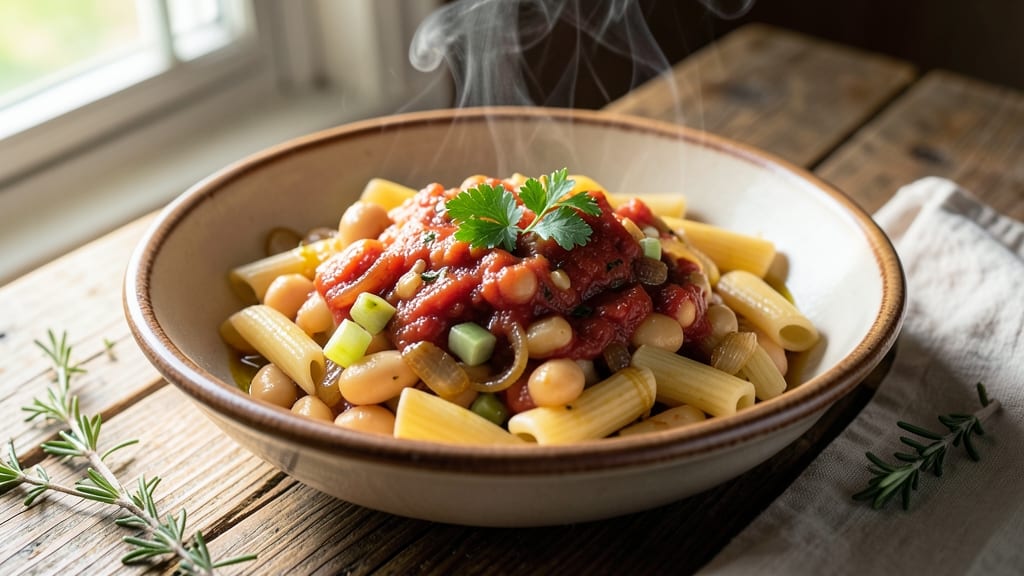
This one-pot Italian beans recipe brings the hearty flavors of classic Pasta e Fagioli to your table with minimal effort. The secret lies in simmering cannellini beans, tomatoes, and pasta together until everything melds into a rich, garlicky sauce—no separate pots required.
I first made this during a busy week when I needed a meal that felt indulgent but came together in under an hour.
The beauty of this dish is its versatility—it’s equally satisfying as a side or a main, especially when topped with fresh basil and a sprinkle of grated Parmesan. Traditional versions often include pancetta or Italian sausage, but this version keeps it vegetarian while still delivering deep, savory flavors.
The key is letting the beans and tomatoes break down slowly in the broth, creating a sauce that clings to every strand of pasta.
By the time you’re done, you’ll have a steaming bowl of creamy, flavorful pasta with tender beans and a sauce that’s fragrant with garlic and herbs. It’s the kind of dish that tastes even better the next day, making it perfect for meal prep or feeding a crowd.
Serve it with crusty bread to soak up every last bit of that garlicky goodness.
This recipe pays homage to Italian comfort food while adapting it for modern kitchens—no fancy techniques, just a one-pot wonder that delivers restaurant-quality results. Let’s get cooking!
Ingredients for italian beans
Pantry staples plus fresh herbs—everything you need for one-pot Italian comfort.
| Ingredient | Amount | Notes |
|---|---|---|
| Cannellini Beans 🌱 | 1 ½ cups | Drained and rinsed, canned or cooked |
| Pasta 🍝 | 8 oz | Small shape like ditalini or acini di pepe |
| Canned Tomato Sauce 🍅 | 2 cups | San Marzano preferred, no sugar added |
| Garlic Cloves 🧄 | 4 cloves | Minced, fresh preferred |
| Carrots 🥕 | 1 medium | Peeled and diced into small pieces |
| Celery Stalks 🧅 | 2 whole | Diced, about 0.5 cup total |
| Onion 🧅 | 1 medium | Diced, yellow or white preferred |
| Vegetable Broth 💧 | 3 cups | Low-sodium preferred |
| Extra-Virgin Olive Oil 🫒 | ¼ cup | For sautéing vegetables |
| Fresh Basil Leaves 🌿 | ¼ cup | Chopped, for garnish |
| Parmesan Cheese 🧀 | ½ cup | Freshly grated from block |
| Salt 🧂 | 1 tsp | Kosher or sea salt |
| Black Pepper 🌶️ | ½ tsp | Freshly ground preferred |
| Dried Oregano 🍃 | 1 tsp | Italian preferred |
| Crusty Bread 🍞 | 8 slices | For serving, optional |
The canned beans and tomatoes are your shortcuts here. San Marzano tomatoes make the biggest difference—they're sweeter and less acidic than regular canned tomatoes. For the beans, cannellini is traditional, but great northerns or chickpeas work too. The vegetable broth should be low-sodium; Pacific Foods or Imagine brands are my go-tos. Fresh garlic and basil? Worth the splurge—they elevate everything. If you're short on time, pre-minced garlic from the jar works, but fresh is better.
No San Marzano tomatoes? Crushed tomatoes with a pinch of sugar will do. Swapping out the pasta? Small shapes like ditalini or orzo work best—they soak up the sauce. The carrots and celery can be baby versions if that's what you've got, but diced regular carrots work fine too. Want more depth? Add a pinch of red pepper flakes or a bay leaf. The Parmesan? Grate it fresh—pre-grated gets clumpy and lacks flavor. For the oregano, Mexican oregano has a different, more complex flavor if you can find it.
This tastes even better the next day—honestly, it's my go-to for meal prep. Store leftovers in the fridge for 4-5 days or freeze for 3 months. The sauce thickens as it cools, so you might need to add a splash of broth when reheating. For serving, toasted crusty bread is perfect—slather it with extra sauce. Double the recipe if you're feeding a crowd; it scales beautifully.
Why You'll Love This Recipe
- No-Fuss Pantry Staples: I swear by this recipe because it uses things I always have—cannellini beans, tomato sauce, and pasta. Honestly, if my fridge is empty except for garlic and carrots, I can still throw this together. The beans and sauce do most of the heavy lifting, so I’m not stressing over fresh herbs or obscure ingredients.
- Garlic-Kissed Comfort: That moment when the garlic softens in the tomato sauce and the carrots caramelize just enough? Pure satisfaction. The cannellini beans soak up all the flavor, making every bite creamy and rich—no fancy techniques needed. It’s the kind of dish that tastes like you put in hours, even if you didn’t.
- Leftover Hero: Between us, this recipe begs to be made in bulk. The flavors deepen overnight, so reheating it the next day is just as good (if not better) than the first serving. I’ll be real: I’ve had it cold in a sandwich the day after, and it’s still crave-worthy. It’s my go-to for lazy lunches or when I need to feed a crowd without stress.
- Budget Meal, Big Payoff: A can of beans, a jar of sauce, and a bag of pasta? We’re talking under $5 for a meal that fills the table. The carrots add a little crunch and color, but you could skip them entirely if needed. It’s the kind of dish that makes grocery day feel like a win—simple, filling, and no one will guess it’s this easy.
Step-by-step instructions for one-pot pasta with garlicky tomato sauce
Here's how to create a hearty Italian bean pasta in a single pot—simple, flavorful, and perfect for weeknight dinners.
Sauté the Vegetable Base
Heat the 0.25 cup extra-virgin olive oil in a large, deep pot over medium heat. Add the 1 medium diced onion, 1 medium diced carrots, and 2 whole diced celery stalks. Cook for 5-6 minutes until the vegetables soften slightly and begin to release their natural juices. This step builds the aromatic foundation of your dish.
Next, add the 4 minced garlic cloves and 1 teaspoon dried oregano. Stir for 30 seconds until the garlic becomes fragrant—this is when the flavors start to meld together. Be careful not to let the garlic burn, as it can turn bitter quickly. The vegetables should be tender but still hold their shape at this point.
Combine Beans, Pasta, and Sauce
Pour in the 2 cups canned tomato sauce and stir to coat the vegetables. Let it simmer for 2 minutes to deepen the flavors. Then, add the 1.5 cups drained and rinsed cannellini beans and the 8 oz pasta (small shape like ditalini or acini di pepe). Stir everything together, ensuring the pasta is well-coated with the sauce. This step is where the magic happens—the beans and pasta will cook together in the same pot, absorbing all the rich flavors.
Add 3 cups vegetable broth, 1 teaspoon salt, and 0.5 teaspoon black pepper. Bring the mixture to a gentle boil, then reduce the heat to medium-low. Let it simmer uncovered for 15-18 minutes, stirring occasionally, until the pasta is al dente and the liquid has mostly evaporated. You'll know it's ready when the pasta is tender but still has a slight bite, and the sauce has thickened into a hearty consistency.
Finish with Fresh Basil and Parmesan
Once the pasta is cooked, remove the pot from the heat. Stir in the 0.25 cup chopped fresh basil leaves and 0.5 cup freshly grated parmesan cheese. The basil will add a bright, fresh finish, while the parmesan brings a salty depth to the dish. Taste and adjust the seasoning if needed—you might want to add a pinch more salt or pepper to balance the flavors.
Let the pasta sit off the heat for 2-3 minutes to allow the sauce to thicken further and the flavors to meld together. This resting period ensures that every bite is packed with flavor. Serve immediately with 8 slices crusty bread on the side for dipping or scooping up the delicious sauce.
Pro Tips For Making Italian Beans
- SOFTEN BEANS FIRST: Skip the canned shortcut—soak dried cannellini beans overnight or at least 4 hours. I learned this the hard way after my first batch turned mushy; dried beans hold up better and taste richer when cooked from scratch. If short on time, use a pressure cooker (20 minutes) instead of simmering.
- SAUTÉ GARLIC LOW: Cook garlic in tomato sauce at medium-low heat until it’s just golden—no brown bits. After burning three batches, I finally figured out that high heat turns garlic bitter. Add a pinch of sugar if you’re worried about burning, but really, just keep the heat gentle.
- CHOP CARROTS SMALL: Dice carrots into ¼-inch pieces so they soften alongside beans. Big chunks stay crunchy and undercooked, throwing off the texture. (Yes, even if you’re impatient like me—trust the process.)
- SALT PASTA WATER LATE: Wait until the pasta water boils hard before adding salt—about 10 minutes in. I skip this when I’m lazy, but the dish is noticeably better when I don’t. Taste the water; it should be like the sea.
Wine and beer pairings for this italian beans
Italian White Wine
This dish pairs beautifully with a crisp Italian white wine like Vermentino from Sardinia. Its bright acidity and citrus notes cut through the richness of the tomato sauce while complementing the earthy beans. I reach for Falcetti Vermentino—it’s affordable and consistently delivers that perfect balance.
For something lighter, Pinot Grigio from Alto Adige works too, especially if you prefer a more neutral profile that lets the dish shine. 🍷
Medium-Bodied Reds
If you prefer red wine, go for a medium-bodied Italian red like Chianti Classico or Montepulciano d'Abruzzo. The acidity in Chianti mirrors the tomato sauce’s brightness, while Montepulciano’s soft tannins won’t overpower the dish.
I love Castello di Volpaia Chianti Classico—it’s approachable and pairs perfectly with the garlicky flavors. Avoid bold reds like Barolo or Amarone, as their intensity can clash with the beans’ creaminess.
Beer Pairings
For beer lovers, a light Italian lager like Peroni or Moretti is ideal. Their crisp, clean profiles won’t compete with the dish’s flavors but will refresh your palate between bites.
If you’re feeling adventurous, try a Belgian witbier like Hoegaarden—the coriander and citrus notes add a fun contrast to the tomato and garlic. For something heartier, a German Helles like Weihenstephaner works well too. 🍺
Non-Alcoholic Options
Skip the alcohol? A sparkling Italian blood orange soda like San Pellegrino Aranciata Rossa adds a refreshing citrusy note that complements the dish. For something herbal, try Fever-Tree Italian Blood Orange Tonic—the bitterness balances the richness of the beans and sauce.
Even a simple sparkling water with a squeeze of lemon keeps things light and crisp.
Wine Temperature Tips
Serve white wines slightly chilled at 45-50°F—just cold enough to preserve their aromas without numbing your palate. Red wines should be served at 60-65°F to let their flavors breathe. I always let my wine sit out for 30 minutes before pouring, especially in warmer months.
For beer, serve lagers at 40-45°F and witbiers at 45-50°F to highlight their crispness. ❄️
Nutrition facts
Frequently asked questions
What type of beans work best in this Italian pasta dish?
Cannellini beans are traditional and ideal for this recipe, but great northern beans or chickpeas work well too. For a creamier texture, use white beans like navy or butter beans. Just ensure they're drained and rinsed before adding to the pot.
Can I make this recipe without pasta?
This dish works beautifully as a hearty white bean stew—simply omit the pasta and adjust the cooking time to 10-12 minutes after adding the beans and broth. Serve with crusty bread to soak up the sauce. It’s a great option for vegetarians or when you want a lighter meal.
How do I prevent the pasta from becoming mushy?
Cook the pasta al dente by testing it 2 minutes before the package instructions suggest. Stir occasionally while simmering to prevent sticking, and avoid overcrowding the pot. If the sauce seems too thin, let it reduce uncovered for 3-5 minutes off the heat. The beans will release starch, thickening the sauce naturally.
What’s the best way to store leftovers?
Store leftovers in an airtight container in the fridge for up to 4-5 days or freeze for 3 months. The flavors actually improve overnight! When reheating, add a splash of broth or water to loosen the sauce. For best texture, warm gently on the stove over low heat while stirring.
Can I add meat to this vegetarian dish?
Yes! For a meaty version, brown 1/2 lb Italian sausage or 4 oz pancetta before sautéing the vegetables. Crumble the meat and cook until crispy, then proceed with the recipe. Remove the meat before adding the pasta if you prefer less grease. This works especially well with Montepulciano d'Abruzzo wine pairings.