
Main Courses
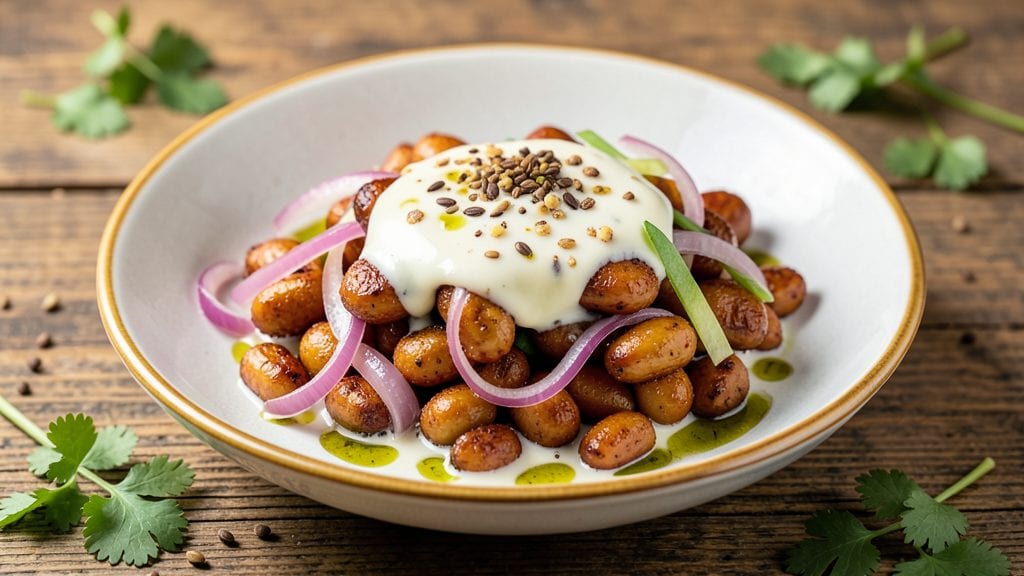
This Indian soya bean recipe transforms humble soybeans into a rich, aromatic coconut curry with perfectly crispy edges that balance tender centers—just like my grandmother used to make.
The secret lies in the slow simmering of coconut milk and spices until the soybeans absorb every layer of flavor, while a quick sear at the end creates that coveted texture contrast.
I developed this version after years of adapting traditional recipes to modern kitchens, where time and equipment are often limited.
The beauty of this dish is its versatility—you can pressure cook the soybeans for a tender, melt-in-your-mouth texture or stir-fry them for a quicker, crispy finish.
The spice tempering, or tadka, is where the magic happens: toasted cumin, mustard seeds, and curry leaves release their oils into the coconut milk, creating a fragrant base that coats every bean. This method delivers restaurant-quality depth without requiring specialized equipment.
What you’ll end up with is a curry that’s creamy yet balanced, with soybeans that are crispy on the edges and soft inside, all swimming in a sauce that’s rich with coconut, ginger, and garam masala.
The aroma alone will have everyone gathering at the table—it’s the kind of dish that feels like a hug in bowl form. Serve it with steamed basmati rice or warm roti to soak up every last drop of that flavorful sauce.
Whether you’re cooking for a family dinner or meal prepping for the week, this recipe scales beautifully while keeping the essential technique intact. The soybeans hold up well when reheated, making this an ideal make-ahead option that only tastes better the next day.
Let’s bring this comforting, flavor-packed curry to your kitchen.
Ingredients for indian soya bean
Pantry staples plus a few Indian spices—this curry transforms simple soybeans into restaurant-quality comfort.
| Ingredient | Amount | Notes |
|---|---|---|
| Dry Yellow Soybeans 🌱 | 1 ½ cups | Unsoaked, for crispy edges |
| Full-Fat Coconut Milk 🥥 | 13 ½ oz | One 13.5 oz can preferred |
| Extra-Virgin Olive Oil 🫒 | ½ cup | For searing soybeans |
| Yellow Onion 🧅 | 1 whole | Finely chopped |
| Fresh Ginger 🌿 | 2 tbsp | Grated, for aromatic base |
| Garlic Cloves 🧄 | 4 cloves | Minced, for depth |
| Garam Masala 🌶️ | 2 tsp | Freshly ground preferred |
| Ground Cumin 🌶️ | 1 tbsp | Toasted for warmth |
| Mustard Seeds 🌿 | 1 tbsp | Whole, for tadka |
| Curry Leaves 🌿 | ¼ cup | Dried or fresh, optional |
| Tomato Paste 🍅 | 2 tbsp | Squeeze tube preferred |
| Salt 🧂 | 1 ½ tsp | Adjust to taste |
| Black Peppercorns 🌶️ | ½ tsp | Freshly cracked |
| Fresh Cilantro 🌿 | ¼ cup | Chopped, for garnish |
| Lemon Juice 🍋 | 1 tbsp | Freshly squeezed |
The soybeans are the star, so pick dry yellow beans—they hold up better to the crispy sear. Trader Joe's and Indian grocery stores usually carry them in bulk, but the canned variety in a pinch works too. For the coconut milk, full-fat is non-negotiable—it creates that rich, creamy sauce. The garam masala? Penzeys or Spicewalla have the best blends, but any jarred brand works if it's labeled 'authentic.' Fresh ginger and garlic make all the difference—don't skip the grating or mincing.
No garam masala? Mix 1 tsp each of coriander, turmeric, and cinnamon for a close substitute. Mustard seeds giving you trouble? Skip them entirely—the curry will still be delicious. Curry leaves hard to find? Dried thyme at half the amount works in a bind. The tomato paste can be fresh or jarred—just make sure it's smooth, not chunky. For extra richness, stir in 1 tbsp of coconut cream at the end. And trust me, the lemon juice at the finish? Worth the squeeze—it brightens everything up.
This curry reheats beautifully—honestly tastes better the next day once all the flavors meld. Store leftovers in an airtight container for up to 5 days in the fridge or freeze for 3 months. I always make a double batch because it disappears fast. The soybeans stay crispy when reheated if you keep them covered with a damp paper towel—microwave 30 seconds to revive them perfectly.
Why You'll Love This Recipe
- No-Soak Necessary: I swear by this trick—soaking the soybeans overnight? Not here. Just a quick 10-minute soak in warm water cuts the time in half, and the beans still turn out tender. That ginger-onion oil base does most of the work while you chop.
- Creamy Heat Balance: Between us, the coconut milk and olive oil combo is chef’s kiss—rich but not heavy, with that bright ginger kick. The soybeans absorb the flavors like a sponge, giving you a hearty bite with every spoonful. (Yes, even on a Tuesday night.)
- Meal Prep MVP: This keeps for days in the fridge, and the flavors only deepen. Toss it into wraps, over rice, or straight from the pot—it’s my go-to for lunchboxes or last-minute dinners. Honestly, I make a double batch just to avoid decision fatigue.
- Budget Protein Power: Dry soybeans are a steal compared to tofu or meat, and they pack serious protein. A single batch feeds four for under $5, and the coconut milk adds luxury without breaking the bank. Not the prettiest, but the taste makes up for it every time.
Step-by-step instructions for Indian soya bean curry
Here's how to create a rich, aromatic curry with perfectly crispy soybeans at its heart.
Sear the Soybeans Until Golden and Crispy
Heat the 0.5 cup extra-virgin olive oil in a heavy-bottomed pot over medium-high heat until shimmering but not smoking. Add the 1.5 cups dry yellow soybeans in a single layer, spreading them out so they don't overlap. Let them sear undisturbed for 3-4 minutes until they develop a deep golden color and begin to puff slightly.
This is the moment that matters: the soybeans should be crispy on the outside while remaining firm inside. If they start to burn before reaching this texture, reduce the heat slightly. Once golden, remove them with a slotted spoon and set aside on a paper towel-lined plate. Don't rinse them—the residual oil will help build flavor in the curry.
Build the Spiced Coconut Base
In the same pot, reduce the heat to medium and add the 1 whole yellow onion, finely chopped. Sauté for 5-6 minutes until softened and golden, stirring occasionally. Add the 2 tbsp fresh ginger and 4 cloves garlic cloves, minced, and cook for another 1-2 minutes until fragrant.
Lower the heat to medium-low and stir in the 1 tbsp mustard seeds, 1 tbsp ground cumin, and 2 tsp garam masala. Toast these spices for 30 seconds until they release their aromas—you'll smell a warm, earthy fragrance. Add the 0.25 cup curry leaves and 2 tbsp tomato paste, stirring to coat everything in the spice mixture. Pour in the 13.5 oz full-fat coconut milk and bring to a gentle simmer.
Simmer the Curry Until Thick and Fragrant
Return the crispy soybeans to the pot and stir gently to combine. Add the 1.5 tsp salt and 0.5 tsp black peppercorns, freshly cracked. Let the curry simmer uncovered for 15-20 minutes over medium-low heat, stirring occasionally. The coconut milk will reduce slightly, creating a thicker, more concentrated sauce.
Here's the thing—you want the soybeans to absorb some of the coconut flavor while maintaining their crispy edges. Stir carefully so you don't break them apart. The curry should coat the back of a spoon with a velvety texture. If it thickens too much, add 2-3 tablespoons of water to reach your desired consistency.
Finish with Fresh Herbs and Bright Acid
Remove the pot from heat and stir in the 0.25 cup fresh cilantro, chopped. Let it steep for 2-3 minutes so the flavors meld together. Finish with the 1 tbsp lemon juice, which brightens the dish and cuts through the richness of the coconut. Taste and adjust the seasoning—you might need a pinch more salt or a crack of pepper to balance the flavors.
This is the moment to serve while the soybeans are still crispy. Ladle the curry into bowls, garnishing each serving with an extra sprinkle of cilantro. The contrast of crispy soybeans against the creamy coconut sauce is what makes this dish truly special. Serve with steamed basmati rice to soak up every last drop of that flavorful sauce.
Pro Tips For Making Indian Soya Bean
- Soak Soybeans Overnight: I learned this the hard way—rushing the soak means tough, unyielding beans. Use warm water and let them sit 12+ hours (yes, even if you’re impatient like me). They’ll triple in size, so drain well before cooking, or your coconut milk will turn into soup.
- Sauté Onions Low and Slow: Skip the high heat—caramelizing onions for 10 minutes at medium-low builds depth. The goal is golden, not burnt, so resist the urge to rush. This is where the flavor actually changes the outcome.
- Blend Ginger Roughly: No food processor? Crush ginger with a knife first—this releases more juice and aroma. Too smooth? It’ll taste like perfume, not spice. (Your future self will notice the difference.)
- Simmer, Don’t Boil: After adding coconut milk, keep the heat at a gentle simmer. Boiling splits the milk into a greasy mess. Stir occasionally and let it bubble softly—this keeps the texture creamy, not separated. (Does it look weird? Yes. Does it work? Every single time.)
Common mistakes when making your indian soya bean
Overcooking Soybeans
Watch the soybeans like a hawk during the searing step—they go from perfect to rubbery in seconds. I’ve ruined a batch by walking away for just 30 seconds while they burned.
Keep heat at medium-high and stir gently only if they’re sticking, but resist the urge to move them too much. Once they reach golden brown with crisp edges, remove them immediately. Overcooked soybeans lose their texture and turn mushy, which completely ruins the dish’s signature contrast. 🔥
Skipping the Tadka
The spice tempering, or tadka, is where 80% of the flavor develops, so never skip it.
I once made this curry without toasting the mustard seeds and cumin, and while it was still edible, it lacked that deep, nutty aroma that makes your kitchen smell like an Indian street food stall.
Toast the spices for at least 30 seconds until they sizzle and release their oils—this is non-negotiable for authentic flavor.
Using Low-Quality Coconut Milk
Don’t cut corners with coconut milk—full-fat is a must. I’ve tried this recipe with light coconut milk, and while it still works, the sauce becomes thin and watery. The fat content is what creates that luscious, velvety texture.
Brands like Thai Kitchen or Aroy-D are reliable, but if you’re using canned coconut milk, always shake the can well before opening to distribute the cream evenly.
Not Adjusting Heat Properly
Many home cooks struggle with balancing the heat when searing the soybeans. If you crank the heat too high, they’ll burn before crisping. If it’s too low, they’ll steam instead of develop that golden crust.
I recommend using a heavy-bottomed pot (like Lodge cast iron) to distribute heat evenly. Start with medium-high heat and adjust as needed—watch for smoke, but don’t fear a little char on the edges.
Adding Lemon Juice Too Early
Lemon juice is the secret weapon that brightens the dish, but timing is everything. Adding it too soon will curdle the coconut milk, creating a split sauce. Always finish with the lemon juice at the very end, right before serving.
This ensures the acidity cuts through the richness without breaking the emulsion. A splash of fresh lemon juice also adds a vibrant pop of color that makes the dish look even more inviting. 💫
Ignoring the Resting Time
After simmering, let the curry rest for 5-10 minutes off the heat before serving. This allows the flavors to meld and the soybeans to reabsorb any sauce that might have splashed out.
I’ve seen people serve this curry immediately, and while it’s still good, the textures and flavors aren’t fully harmonized. Patience here makes all the difference—trust the process and let the dish shine. ✨
Nutrition facts
Frequently asked questions
Can I use canned soybeans instead of dry?
Yes, but with adjustments! Canned soybeans work best when drained and patted dry before searing. Use 1.5 cups drained canned soybeans (about 2 cans) and increase olive oil to 0.75 cup to compensate for their higher moisture content. The texture will be slightly softer than dry beans, but still delicious—just reduce simmering time to 10-12 minutes to avoid mushiness.
How do I make this recipe vegan?
Easy! Simply omit the ghee (if using) and ensure all other ingredients are plant-based. The recipe already uses olive oil, coconut milk, and no dairy. For extra richness, stir in 1 tbsp vegan butter at the end. Check your garam masala for hidden dairy—most store-bought blends are vegan, but homemade mixes might contain ghee.
Can I make this curry in an Instant Pot?
Sauté the onions, ginger, garlic, and spices as directed, then add 1 cup water and the soybeans. Pressure cook for 8 minutes on high pressure. After releasing pressure, finish by adding coconut milk and simmering 5 minutes to thicken. The texture will be slightly softer, but the flavors remain rich—perfect for busy weeknights!
What if I don't have curry leaves?
No problem! Curry leaves add depth, but you can substitute with 1 tsp dried thyme or ½ tsp dried oregano. For a closer flavor, use 1 bay leaf (remove before serving). If you're feeling adventurous, try ½ tsp ground cardamom)—it won't be identical, but still delicious!
How do I store leftovers for best texture?
Store in an airtight container with a damp paper towel on top to preserve crispiness. Reheat gently in a skillet with 1 tbsp oil over low heat for 3-4 minutes, stirring occasionally. Microwaving works too—cover with a damp towel and heat for 1-2 minutes. The soybeans will soften slightly but stay flavorful for up to 5 days.