
Side Dishes
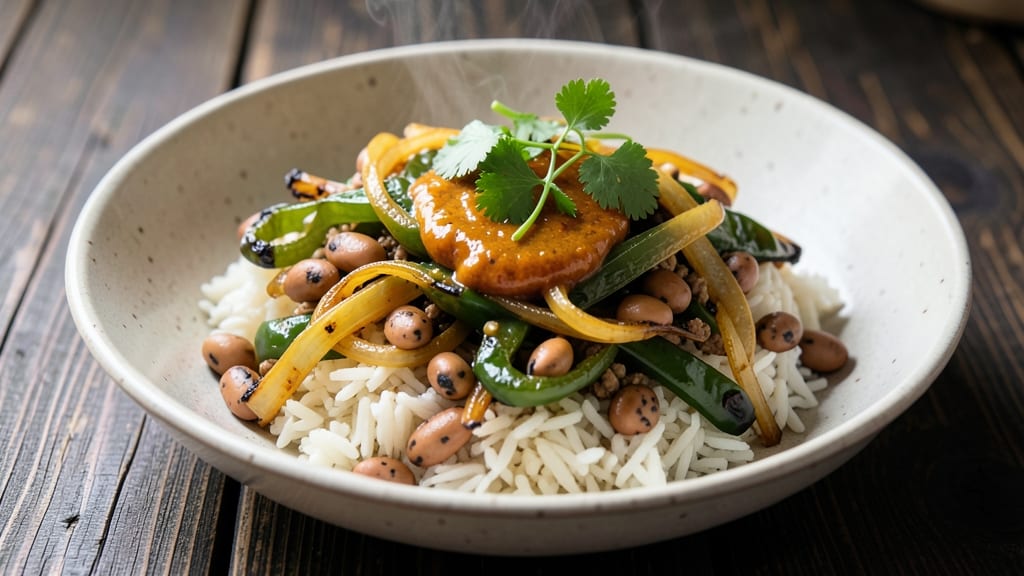
This one-pot Goya rice and beans recipe delivers the soul-warming flavors of Puerto Rican comfort food in just 30 minutes—no complicated steps, no messy cleanup.
The magic lies in Goya's signature seasoning blend, which transforms simple rice and beans into a fragrant, spiced harmony that's as satisfying as it is easy to make.
I've perfected this version to balance traditional sofrito techniques with modern shortcuts, so you get restaurant-quality results without spending hours in the kitchen.
The foundation of this dish is the sofrito—a fragrant blend of onions, garlic, peppers, and cilantro that builds the flavor base. While traditional recipes call for fresh sofrito, I've included a shortcut using Goya's Sazón con Culantro y Achiote for that authentic, vibrant color and depth of flavor.
The key is letting the sofrito cook low and slow, allowing all those aromatic spices to meld before adding the rice and beans. This ensures every bite is packed with flavor, not just the surface layers.
By the time you're done, you'll have a one-pot dish with tender rice, perfectly cooked beans, and a sauce infused with the warm, earthy notes of Goya seasoning.
The aroma alone will have everyone gathering around the table, and the texture—fluffy rice, creamy beans, and a slightly crispy bottom—makes it impossible to resist.
This is the kind of meal that feels like a hug in a bowl, and it's ready in less time than it takes to order takeout.
Pair it with grilled chicken, pork, or tofu for a complete meal, or serve it as a hearty side dish. The beauty of this recipe is its versatility—it works for weeknight dinners, potlucks, or meal prep. Let's get cooking and bring that Puerto Rican flavor to your table.
Ingredients for goya rice and beans
One-pot magic starts with these 14 ingredients—simple but packed with Puerto Rican soul.
| Ingredient | Amount | Notes |
|---|---|---|
| Long-Grain White Rice 🍚 | 1 ½ cups | Uncooked, rinsed well |
| Dry Pinto Beans 🌱 | 1 ½ cups | Or 2 cans, drained |
| Goya Sazón con Culantro y Achiote 🌶️ | 2 tbsp | Or 1 packet (1.41 oz) |
| Yellow Onion 🧅 | 1 whole | Medium, diced small |
| Green Bell Pepper 🌶️ | 1 whole | Diced small, seeds removed |
| Garlic Cloves 🧄 | 4 cloves | Minced or pressed |
| Fresh Cilantro 🌿 | ¼ cup | Chopped, stems removed |
| Tomato Sauce 🍅 | 1 cup | Canned, no salt added |
| Chicken Broth 💧 | 1 cup | Low-sodium preferred |
| Olive Oil 🫒 | 2 tbsp | Extra-virgin for flavor |
| Bay Leaves 🍃 | 2 whole | Dried, crumbled |
| Salt 🧂 | 1 tsp | Adjust to taste |
| Black Pepper 🌶️ | ½ tsp | Freshly ground |
| Lime 🍋 | 1 whole | Juiced, for finishing |
The Goya Sazón con Culantro y Achiote is non-negotiable for that signature color and flavor. Grab the 1.41 oz packet from the Latin foods aisle—it's the secret weapon. If you can't find it, Penzeys or Amazon carry it too. The bell pepper and onion should be diced small (about 1/4-inch pieces) so they cook down evenly. Fresh cilantro makes all the difference—Trader Joe's usually has the best quality for this price. For the beans, dry pinto beans take longer but develop deeper flavor. If you're short on time, two 15 oz cans work perfectly (just drain and rinse them).
No Sazón? Make your own blend with 1 tbsp annatto seeds (toasted and ground) + 1 tbsp dried culantro (or cilantro) + 1 tsp ground cumin. Short on bell pepper? Swap for 1/4 cup diced tomato—it keeps the moisture. Using canned beans? Rinse them well to cut down on sodium. The tomato sauce can be any brand, but Muir Glen or Rao's have the best quality. Want extra richness? Stir in 1 tbsp tomato paste at the end. The lime is just for finishing—juice it fresh if you've got it, but bottled works in a pinch.
This keeps 3-4 days in the fridge, but honestly? It tastes even better the next day as flavors meld. Portion into containers for easy lunches—just microwave with a splash of water. Freezes beautifully for up to 3 months. For meal prep, double the recipe and freeze half. The rice and beans separate when reheated, so stir in a splash of water or broth before microwaving. Leftovers? Taco night solution—just heat and serve with avocado.
Why You'll Love This Recipe
- One-Pot Magic: I swear by this recipe—just toss everything in one pot, and the sazón does all the work. No fancy techniques, no last-minute grocery runs; the beans soften while the rice cooks, and that achiote oil infuses everything with golden warmth.
- Achiote Magic: Honestly, the sazón is the star—it’s like a little flavor bomb of cumin, garlic, and annatto that turns simple rice and beans into something ridiculously good. The onions and bell peppers soak it up, giving you that bright, savory punch without extra effort.
- Meal Prep MVP: This keeps perfectly for days, so I make a big batch on Sundays and reheat it all week. The rice stays fluffy, the beans stay tender, and it’s my go-to for lunches or quick dinners—no sad leftovers here.
- Pocketbook Hero: Pinto beans and rice are already budget-friendly, but adding sazón makes it feel special without breaking the bank. I’ll be real: this feeds my whole family for under $5, and no one complains about seconds.
Step-by-step instructions for Goya rice and beans
This one-pot method combines all ingredients for a flavorful, aromatic dish that's ready in minutes.
Sauté the Aromatics
Heat the 2 tablespoons olive oil in a large, heavy-bottomed pot over medium heat. Add the 1 whole yellow onion and 1 whole green bell pepper, diced small, along with the 4 cloves garlic cloves, minced. Cook for 5-6 minutes, stirring occasionally, until the vegetables soften and the garlic becomes fragrant.
Here's where the magic starts—the sazón gives this dish its signature flavor. Add the 2 tablespoons Goya Sazón con Culantro y Achiote and stir for 30 seconds until the spices are evenly distributed and the pot smells deeply aromatic. You'll notice the spices release their vibrant color and earthy aroma, creating the foundation for your dish.
Add Rice and Beans
Increase the heat to medium-high and add the 1.5 cups long-grain white rice, stirring to coat the grains with the spiced oil. Cook for 1 minute until the rice is lightly toasted and the edges begin to turn a golden hue. This step prevents mushy rice and adds depth of flavor.
Next, add the 1.5 cups dry pinto beans, spreading them evenly over the rice. Pour in the 1 cup tomato sauce and 1 cup chicken broth, then add the 2 whole bay leaves, 1 teaspoon salt, and ½ teaspoon black pepper. Stir everything together, making sure the beans are fully submerged in the liquid. The mixture should look moist but not soupy—this ensures proper cooking without overflowing.
Simmer Until Perfectly Cooked
Bring the mixture to a boil, then immediately reduce the heat to low. Cover the pot with a tight-fitting lid and let it simmer for 25-30 minutes. You'll know it's done when the liquid has been absorbed and the rice is tender with a slight bite in the center. Avoid peeking at the pot during cooking—each time you lift the lid, you release steam and extend the cooking time.
After 25 minutes, check the rice by pressing a grain between your fingers. It should be soft but still hold its shape. If it's not quite done, continue cooking for another 2-3 minutes. The beans should be tender but not falling apart, and the mixture should have a thick, creamy consistency from the broken-down rice and beans.
Finish with Fresh Herbs and Lime
Once the rice and beans are perfectly cooked, remove the pot from the heat and let it sit, covered, for 5 minutes. This resting period allows the flavors to meld together and the rice to absorb any remaining liquid. Discard the 2 whole bay leaves—they've done their job and can be removed now.
Stir in the ¼ cup fresh cilantro, chopped, and the juice of 1 whole lime. Taste and adjust the seasoning if needed—this is where you can fine-tune the balance of salt, acidity, and spice. The lime brightens the dish, cutting through the richness of the sazón and beans, while the cilantro adds a fresh, herbaceous finish. Serve immediately, straight from the pot, and enjoy the comforting, aromatic harmony of this one-pot masterpiece.
Pro Tips For Making Goya Rice And Beans
- SOAK BEANS OVERNIGHT: Start your beans in cold water the night before—no need for fancy ratios, just cover them by an inch and let them sit. I learned this the hard way after forgetting and ending up with a pot of mushy beans that tasted like wallpaper paste.
- SAUTÉ ONIONS LOW AND SLOW: Skip the high heat when cooking your onions—medium-low is where it’s at. You want them soft and sweet, not crispy or burnt, because they’ll be the base flavor for everything else. Trust me, nobody wants to taste regret in their rice.
- DON’T SKIP THE BEAN RINSE: Give those pinto beans a quick rinse before cooking, even if they look clean. The starch clinging to them can make your rice gummy, and nobody wants a mushy pile of grains that stick together like glue. Two minutes under the tap does the trick.
- TOAST THE SAZÓN: Heat your Goya sazón in a dry pan for 30 seconds before adding it to the beans—just until you smell that achiote aroma. This deepens the flavor and makes sure the spices sing instead of just sitting there like shy guests at a party.
Essential equipment for goya rice and beans
Heavy-Bottomed Pot
Your one-pot magic starts with the right vessel—a 5-6 quart heavy-bottomed pot with a tight-fitting lid. I recommend a Calphalon or All-Clad stainless steel pot for even heat distribution, which prevents hot spots that can burn your rice.
If you're on a budget, a Lodge cast iron Dutch oven works beautifully too—it retains heat like a dream and adds a subtle smoky note to the dish. Avoid thin aluminum or nonstick pots; they can't handle the low-and-slow simmering this recipe demands. 🔥
Wooden Spoon
Stirring is key to even cooking, and a wooden spoon (about 12 inches long) is your best friend. Wood won’t scratch your pot like metal utensils, and it won’t conduct heat away from the rice and beans.
I grab a Oxo Good Grips wooden spoon—it’s sturdy, heat-resistant, and fits perfectly in my hands. Avoid plastic spoons; they can melt or warp under prolonged heat.
Pro tip: Soak your wooden spoon in hot, soapy water for 5 minutes before use to prevent it from absorbing flavors from previous dishes.
Measuring Cups and Spoons
Precision matters, especially with 1.5 cups rice and 1.5 cups beans. Use a stainless steel measuring cup (like OXO’s Good Grips) for accuracy—plastic cups can warp and give false measurements.
For spices like the Goya Sazón, a small measuring spoon (preferably 1/8 tsp to 1 tbsp range) ensures you don’t overdo it. I keep my OXO measuring spoons in a magnetic strip on the side of my stove for quick access.
For the olive oil, a 2-tablespoon measuring spoon (or a small shot glass) works perfectly—no need for fancy tools here!
Knife and Cutting Board
Dicing the onion, bell pepper, and garlic small and evenly is crucial for even cooking. A sharp 8-inch chef’s knife (I use Mercer Culinary Genesis) paired with a cutting board (preferably bamboo or plastic—they’re gentler on knives) makes this task a breeze.
Avoid glass or stone boards; they dull knives quickly. For the garlic, I like to use a garlic press to mince it finely—it’s faster and more consistent than chopping. If you’re feeling fancy, a mandoline can help with even bell pepper and onion slices, but it’s optional.
Lid and Lid Stand
The tight-fitting lid is non-negotiable—it traps steam and ensures even cooking. Most heavy-bottomed pots come with lids, but if yours doesn’t fit snugly, consider a silicone steam lid (like OXO’s) for a better seal.
A lid stand (a small metal or silicone ring) helps keep the lid in place while you stir, preventing it from sliding off.
I also keep a small towel nearby to handle the hot lid—trust me, you don’t want to burn your fingers when you finally lift it after 25 minutes of simmering. 💫
Optional: Immersion Blender
If you love a creamy texture, an immersion blender (like Ninja’s 720-watt model) lets you blend the rice and beans directly in the pot for a smoother consistency. Pulse for 10-15 seconds at the end to achieve a mashed-potato-like texture without losing the dish’s integrity.
Skip this if you prefer the traditional separate grains and beans texture—both versions are delicious! For extra richness, blend in 1/4 cup of the cooking liquid to thin it out slightly. This tool is optional but adds a fun twist for game day or potlucks.
Nutrition facts
Frequently asked questions
Can I use canned beans instead of dry?
For convenience, use 2 (15 oz) cans of drained and rinsed pinto beans. Just measure out 1.5 cups total after draining. The texture will be slightly softer, but the flavor remains rich and satisfying. Pro tip: Add a splash of the canned beans' liquid to the pot if your mixture seems too dry during cooking.
What makes this different from regular rice and beans?
The secret lies in the Goya Sazón—this Puerto Rican seasoning blend transforms a simple dish into something vibrant and aromatic. The combination of achiote (for color), culantro (for freshness), and other spices creates that signature warm, earthy flavor you won't find in standard recipes. Plus, the sofrito base (onion, bell pepper, garlic) builds deeper layers of taste than basic seasonings.
How do I fix mushy rice?
Mushy rice usually happens from too much liquid or lifting the lid too often. If yours turns out mushy, try this: Spread the rice on a baking sheet and broil for 2-3 minutes to dry it out slightly. For next time, reduce the broth by ¼ cup or use a heavy-bottomed pot to prevent uneven cooking. The key is patience—let it simmer undisturbed!
Can I make this vegetarian?
Yes! Replace the chicken broth with vegetable broth and use tofu, tempeh, or plant-based sausage as your protein. For extra richness, stir in 1 tablespoon nutritional yeast at the end. The dish maintains all its flavor while becoming completely plant-based. Just ensure your broth is well-seasoned to compensate for the lack of meaty umami.
How long will leftovers keep?
Store in an airtight container in the fridge for 4-5 days, or freeze for up to 3 months. When reheating, add a splash of water or broth to restore moisture. The flavors actually improve after the first day as the spices meld! For meal prep, double the recipe and freeze half—just thaw overnight in the fridge before reheating.