
Side Dishes
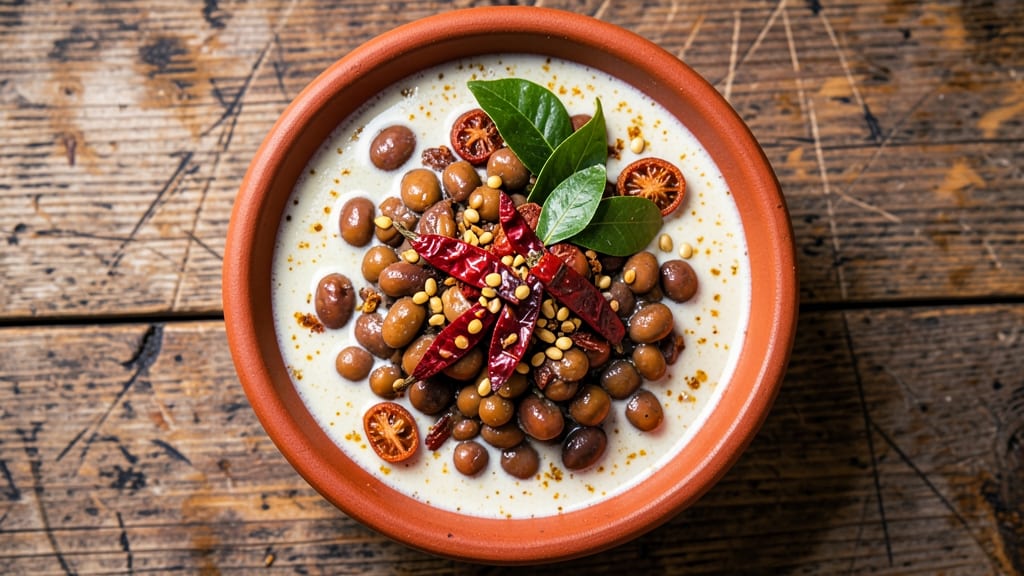
This Goa beans recipe brings the bold flavors of India’s coastal state to your kitchen, where tender beans simmer in a fragrant coconut-curry broth spiced with kokum, mustard seeds, and curry leaves.
The result is a dish that transforms simple legumes into a restaurant-worthy side with layers of tangy, spicy, and creamy complexity—perfect for pairing with steamed rice or fluffy roti.
I first tasted this recipe at a local Goan restaurant, where the aroma alone made my mouth water, and I’ve since perfected it at home with a few key adjustments.
The secret to authentic flavor lies in the spice blend: toasted mustard seeds, dried red chilies, and curry leaves bloom in hot oil, releasing their aromatic oils before the beans and coconut milk come together.
Kokum, a tart fruit essential in Goan cuisine, adds a bright tang that cuts through the richness, while turmeric and cumin ground the dish with earthy warmth. Unlike many curries, this one relies on coconut milk for a velvety texture rather than heavy cream, keeping it light yet deeply satisfying.
By the time you serve this dish, your kitchen will smell like a Goan home kitchen, and every bite will deliver tender beans in a sauce that’s creamy yet balanced—tangy from kokum, spicy from chilies, and rich from coconut.
The beans absorb the flavors beautifully, making them irresistibly tender without losing their shape. This recipe is a game-changer for anyone looking to elevate simple legumes into a showstopping side dish that pairs effortlessly with rice, fish, or even grilled meats.
For those new to Goan cuisine, don’t skip the kokum—its sour notes are non-negotiable for authenticity. If you can’t find it, a splash of lime juice works in a pinch, though the flavor won’t be quite the same.
The dish also freezes well, so you can prep it ahead for busy weeknights. Let’s get cooking—this curry is worth every minute of simmering time.
Ingredients for goa bean
Pantry staples meet Indian spices for a curry that tastes like Goa’s coast.
| Ingredient | Amount | Notes |
|---|---|---|
| Goa Beans (Black-Eyed Peas) 🌱 | 1 ½ cups | Dried, soaked overnight |
| Coconut Milk 🥥 | 1 can (13.5 oz) | Full-fat for creaminess |
| Kokum Dried Fruit 🍇 | 2 pieces | Or 2 tbsp kokum powder |
| Mustard Seeds 🌶️ | 1 tbsp | Whole, yellow variety |
| Dried Red Chilies 🌶️ | 4 pieces | Adjust for heat preference |
| Curry Leaves 🌿 | ¼ cup | Fresh, packed |
| Green Chili 🌶️ | 2 whole | Slit lengthwise |
| Onion 🧅 | 1 whole | Finely chopped |
| Garlic Cloves 🧄 | 6 cloves | Minced |
| Ginger 🌿 | 1 inch | Fresh, grated |
| Turmeric Powder 🌶️ | ½ tsp | Freshly ground preferred |
| Cumin Seeds 🌿 | ½ tsp | Toasted for aroma |
| Salt 🧂 | 1 tsp | Adjust to taste |
| Coconut Oil 🫒 | 2 tbsp | For authentic flavor |
| Lemon Juice 🍋 | 1 tbsp | Kokum substitute if needed |
Kokum is the star here—look for dried pieces at Indian markets or online (it’s worth the hunt). If you can’t find it, lime juice works in a pinch, but nothing replaces that authentic tang. The curry leaves? Fresh is non-negotiable—dried just won’t cut it. I grab mine from Whole Foods or the Indian grocery down the street. For the beans, soak them overnight—this cuts cooking time by half. The coconut milk should be full-fat; light versions won’t give that creamy texture you’re after.
No mustard seeds? Skip them entirely—this curry still sings. Short on curry leaves? Double the cumin seeds for depth. The green chilies can be swapped for red chili powder (1 tsp), but fresh is always better. For the dried red chilies, remove seeds if you want less heat. The ginger and garlic? Fresh is ideal, but jarred works if you’re in a bind. Just measure carefully—jarred versions can be saltier. The turmeric should be bright yellow—if it’s grayish, it’s lost its potency.
This curry tastes even better the next day—make extra and freeze portions. Keeps for 5 days in the fridge, 3 months frozen. I portion mine into containers with rice for easy lunches. The beans get even more tender after sitting, so reheat gently with a splash of water—they’ll soak up all the flavors again. Store the dried kokum in an airtight container; it’ll last 6-12 months that way.
Why You'll Love This Recipe
- Five-Ingredient Magic: I swear by this recipe because it’s the kind of dish where you almost feel guilty for how little effort it takes. Just soak those Goa beans overnight (or even 4 hours in a pinch), toss in coconut milk and kokum’s tangy punch, and let the mustard seeds sizzle—no chopping, no fuss. That’s it.
- Tangy Creamy Crave: Between us, the kokum and coconut milk combo is ridiculously addictive. The dried chilies add just enough heat to wake up your taste buds, while the beans stay tender but hold their shape. It’s the kind of flavor that makes you want to eat it straight from the pot—no sides needed.
- Lunchbox Hero: This dish is my go-to for packed lunches because it reheats like a dream and keeps for days. The coconut milk stays creamy cold or warm, and the beans? They actually improve after a day in the fridge. Honestly, I’ve sent this to work with my kid more times than I can count—and it’s always the first to disappear.
- Budget Bright Spot: Goa beans are cheap, coconut milk is a pantry staple, and kokum lasts forever in your spice drawer. I’ll be real: this recipe feeds four for under $5, and the leftovers? They’re my secret weapon for lazy Sundays. Plus, the dried chilies and mustard seeds add zero cost but all the flavor.
Step-by-step instructions for spiced coconut Goa beans
Here's how to create a rich, fragrant curry that highlights these humble legumes.
Soak and Prepare the Goa Beans
Begin by rinsing the 1.5 cups of goa beans (black-eyed peas) thoroughly under cold water. Place them in a bowl and cover with plenty of fresh water - at least 4 cups. Let them soak overnight or for a minimum of 8 hours. This ensures they become tender and cook evenly in the coconut milk.
After soaking, drain the beans and give them a quick rinse. You'll notice they've nearly doubled in size. Set them aside - they're ready to transform into something special. The longer they soak, the creamier the final texture will be, so don't rush this step.
Build the Flavor Base with Spices
Heat the 2 tablespoons of coconut oil in a heavy-bottomed pot over medium heat. Add the 1 tablespoon of mustard seeds and let them sizzle until they pop and turn golden - about 30 seconds. This is your signal to move quickly.
Immediately add the 4 pieces of dried red chilies and 0.25 cup of curry leaves. Stir constantly for 30 seconds until the chilies darken slightly and the curry leaves release their aromatic oils. Then add the 6 cloves of minced garlic and 1 inch of grated ginger. Cook for another 30 seconds until the raw garlic smell disappears completely.
Develop the Curry with Coconut and Kokum
Pour in the 1 can (13.5 oz) of coconut milk and stir well. Add the 2 pieces of kokum dried fruit (or 2 tablespoons of kokum powder) and the 0.5 teaspoon of turmeric powder. Bring the mixture to a gentle simmer over medium-low heat, stirring occasionally to prevent sticking.
Let it cook for 10 minutes until the flavors meld together. You'll notice the kokum releases its tangy essence and the coconut milk becomes infused with all the spices. This is where the magic happens - the foundation of your curry is forming right before your eyes.
Combine and Simmer the Beans
Add the drained goa beans to the pot along with the 0.5 teaspoon of cumin seeds and 1 teaspoon of salt. Stir gently to combine. The beans should be just covered by the coconut milk - if not, add a splash of water.
Bring the mixture to a gentle boil, then reduce heat to low. Cover the pot and let it simmer for 45-50 minutes, stirring occasionally. You're looking for the beans to become tender but still hold their shape. The curry should thicken slightly as it cooks, creating a luscious sauce.
Finish with Fresh Herbs and Acid
Once the beans are tender, stir in the 2 whole green chilies (slit lengthwise) and the 1 whole finely chopped onion. Cook for another 5 minutes until the onion softens completely. Remove from heat and let it sit for 5 minutes to allow the flavors to settle.
Finish by stirring in the 1 tablespoon of lemon juice. This brightens the dish and balances all the rich coconut flavors. Taste and adjust the salt if needed - you want a harmonious blend of sweet, tangy, and spicy notes. Serve warm with steamed rice for the perfect meal.
Pro Tips For Making Goa Bean
- Bloom the Kokum: Soak the dried kokum in warm water for 15 minutes first—it releases more tang and softens faster. I used to toss it in dry, and the flavor just didn’t cut through the coconut milk like it should. Trust me, the extra 15 minutes makes a real difference.
- Temper the Mustard: Bloom mustard seeds in oil before adding coconut milk—this prevents them from turning bitter. I learned this the hard way after a batch tasted weirdly sharp. Keep the heat medium-low and wait until they pop audibly before adding anything else.
- Simmer, Don’t Boil: Goa beans need gentle heat to stay tender—bring the coconut milk to a simmer, then reduce to a whisper. I’ve ruined batches by boiling them, and they turned mushy. A slow simmer (5-7 minutes) keeps them firm and soaks up the flavors better.
- Toast the Chilies: Dry-toast dried red chilies in a pan for 30 seconds before adding them—they’ll deepen in flavor and won’t overpower. I was skeptical until I tried it: the aroma changes completely, and the heat balances out the coconut’s richness without dominating.
Wine and beer pairings for this recipe
Goan White Wine Pairings
For this tangy, spiced coconut curry, I reach for crisp Goan white wines like Kharadi’s Muscat or D’Souza’s White Blend. The bright acidity in these wines mirrors the kokum’s tang, while their subtle floral notes complement the coconut and curry leaves.
Serve slightly chilled—around 50-55°F—to enhance the wine’s freshness against the dish’s warmth. 🍷
Indian Craft Beer Balance
If you prefer beer, try Kingfisher Strong or Goan microbrews like BrewDog’s Punk IPA (if available). The IPA’s citrusy hops cut through the coconut richness, while the beer’s carbonation cleanses your palate between bites.
For a local touch, Goan lager with its light maltiness works beautifully—just avoid heavy stouts that’ll overpower the delicate flavors. 🍺
Non-Alcoholic Refreshers
For a non-alcoholic option, I blend coconut water with lime and mint—the natural sweetness and acidity echo the curry’s kokum and lemon notes. Add a pinch of black salt (kala namak) for a subtle sulfurous kick that pairs perfectly. Serve over ice to keep it refreshing while dining. 💧
Spiced Rum Cocktail
Warm weather calls for a Goan rum punch—mix 1.5 oz dark rum (like Bacardi Superior) with 2 oz coconut milk, a splash of lime, and a dash of cinnamon syrup.
The rum’s caramel notes deepen the curry’s coconut flavors, while the lime ties back to the dish’s tangy finish. Garnish with a curry leaf for authenticity. 🍹
Tea Pairing Secrets
For a tea lover’s touch, steep Goan masala chai (with cardamom and ginger) alongside the curry. The warm spices in the tea—cinnamon, cloves, and fennel—echo the curry’s aromatics without competing. Serve the tea slightly stronger than usual to stand up to the dish’s bold flavors. ☕
Flavor Harmony Tips
No matter what you choose, the key is acid balance. The kokum’s tang should shine through—so avoid overly sweet or heavy pairings. If your wine or beer tastes flat, add a lemon twist or mint sprig to revive the palate.
The goal? Let the curry’s complexity take center stage while your drink enhances it. ✨
Nutrition facts
Frequently asked questions
What makes this Goa bean curry different from regular bean curries?
The key lies in the Goan spice blend and kokum fruit, which create a unique tangy-sweet profile. Unlike typical curries, this uses coconut milk instead of cream, giving it a lighter yet rich texture. The mustard seeds and curry leaves toasted in coconut oil provide an aromatic base that’s distinctly Goan.
Can I substitute black-eyed peas for actual Goa beans?
Yes! Black-eyed peas work perfectly as a substitute—they have a similar texture and absorb flavors well. Soak them overnight for best results. If you can find winged beans (another Goan favorite), they’ll add a fun texture contrast. Just adjust cooking time if needed.
How do I know when the beans are perfectly cooked?
They should be tender but not mushy—easily pierced with a fork while still holding their shape. The sauce should coat the back of a spoon without being gluey. If they’re still firm after 50 minutes, add ¼ cup water and simmer 10 more minutes.
What’s the best way to store leftovers?
Let the curry cool completely, then transfer to an airtight container. It keeps for 5 days in the fridge or 3 months frozen. Reheat gently on low heat with a splash of water to restore creaminess. The flavors actually improve overnight!
Can I make this curry spicier?
Add extra dried red chilies (up to 6 pieces) or fresh green chilies (3-4 whole). For heat lovers, stir in ½ tsp chili powder at the end. Remember: the kokum’s tang balances spice beautifully. Adjust gradually—you can always add more!