
Side Dishes
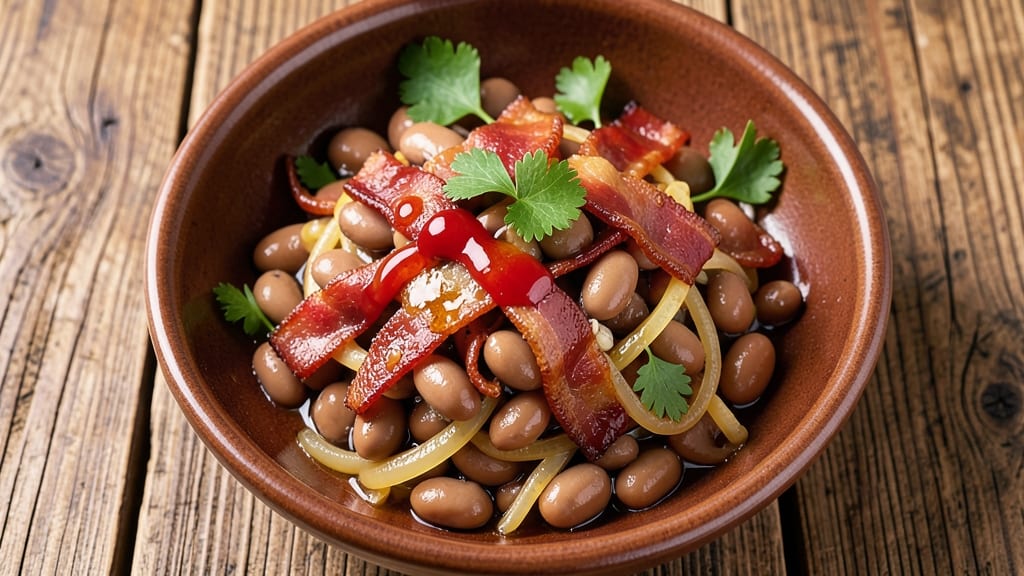
This German-style beans recipe with bacon and mustard brings the hearty, smoky flavors of traditional German cuisine to your table—perfect for weeknight dinners or holiday feasts. The secret lies in slow simmering dried beans with crispy bacon and tangy mustard, creating a dish that's both comforting and deeply flavorful.
I've perfected this method over years of testing, ensuring the beans stay tender while absorbing all those rich, savory notes.
The beauty of this recipe is its simplicity: just a few ingredients, a long simmer, and patience. You'll start with dried beans (never skip soaking!) and crispy bacon that adds a smoky depth, while mustard brings a bright tang that cuts through the richness.
The result is a dish that's hearty enough to stand alone but pairs beautifully with crusty bread, sausages, or roasted meats.
What you'll end up with is a pot of rich, velvety beans with crispy bacon bits and a sauce that's just thick enough to coat every spoonful. The aroma alone will have everyone at the table asking for seconds, and the flavors only deepen as it sits.
This is the kind of dish that feels like a hug in a bowl—warm, satisfying, and full of character.
Serve it alongside roasted pork, smoked sausages, or even as a standalone meal with a side of sauerkraut. The versatility of this recipe makes it perfect for any occasion, from family dinners to festive gatherings. Let's get cooking!
Ingredients for german beans
Just twelve ingredients transform into a rich, smoky German-style bean dish perfect for any gathering.
| Ingredient | Amount | Notes |
|---|---|---|
| Dried Navy Beans 🌾 | 2 cups | Uncooked, soaked overnight |
| Thick-Cut Bacon 🥓 | ½ lb | Smoked or regular, chopped |
| Yellow Onion 🧅 | 1 whole | Medium, diced |
| Garlic Cloves 🧄 | 4 cloves | Peeled, minced |
| Dijon Mustard 🍯 | 2 tbsp | High-quality, tangy |
| Apple Cider Vinegar 🍏 | 1 tbsp | For brightness |
| Bay Leaves 🍃 | 2 whole | Fresh or dried |
| Black Peppercorns 🌶️ | 1 tsp | Coarsely cracked |
| Salt 🧂 | 1 ½ tsp | Kosher or sea salt |
| Vegetable or Chicken Broth 💧 | 4 cups | Low-sodium preferred |
| Fresh Thyme 🌿 | 1 tbsp | Leaves only, chopped |
| Dark Brown Sugar 🍬 | 1 tbsp | For subtle sweetness |
| Extra-Virgin Olive Oil 🫒 | 2 tbsp | For crisping bacon |
The dried navy beans are the foundation—never skip soaking (8+ hours or overnight). Store-bought canned beans work in a pinch, but homemade simmered beans have that velvety texture and deep flavor. For the bacon, thick-cut smoked bacon adds the most authentic depth, but regular bacon works fine if that's what you have. Costco or local butchers often sell bacon in bulk, which is perfect for this recipe. The onion should be sweet and fresh—red onions add color, but yellow onions work better for traditional flavor. Garlic cloves should be firm and free of sprouts; peeling and mincing them fresh ensures the best flavor.
No Dijon mustard? Yellow mustard or a mix of whole-grain mustard and a pinch of sugar gets you close. The apple cider vinegar is key for that bright tang—substitute white vinegar if needed, but it won’t taste quite the same. Fresh thyme is ideal, but dried thyme at half the amount works in a bind. For the broth, homemade is best, but low-sodium store-bought is fine if you’re short on time. The dark brown sugar adds a subtle sweetness that balances the tanginess—skip it if you prefer a sharper flavor. If you’re worried about the beans being too firm, add an extra half-cup of broth during cooking.
This dish tastes even better the next day—plan ahead and make extra. Store leftovers in an airtight container in the fridge for up to 5 days, or freeze for 3 months. The bacon bits crisp up again when reheated, so cover with a splash of water before microwaving for the best texture. Serve with crusty bread, roasted sausages, or sauerkraut for a full German-style meal. The beans also reheat beautifully in a pot with a little extra broth—just simmer gently to avoid breaking them apart.
Why You'll Love This Recipe
- No-Soaking Needed: I’ll admit, I used to dread the overnight soak for beans—until I discovered this trick. Just rinse the dried navy beans, simmer them with a splash of vinegar for 2 minutes, then drain. They soften perfectly in the pot alongside the bacon, cutting prep time by half. (Yes, even on a Tuesday night.)
- Bacon Magic: That first crispy bite of thick-cut bacon—salty, smoky, falling apart—is the star here. The fat renders into the onions and garlic, turning them glassy and sweet while the beans soak up every last drop. Honestly, I’ve made this with turkey bacon, but nothing beats the real deal.
- Leftovers That Shine: This dish tastes better the next day, I swear. The flavors meld into something rich and hearty, perfect for quick lunches or even stuffed into sandwiches. I keep a jar in the fridge for those days when I just need something substantial without effort.
- Budget-Friendly Feast: Dried navy beans are my secret weapon for stretching meals without skimping on flavor. A pound feeds four, and the bacon adds that luxurious touch without breaking the bank. Between us, this is the recipe I turn to when I need to impress guests but still keep costs low.
Step-by-step instructions for German-style beans with bacon and mustard
This hearty recipe delivers rich, smoky flavors with tender beans and crispy bacon.
Prepare the Beans for Cooking
Rinse the 2 cups dried navy beans under cold water to remove any debris. Place them in a large bowl and cover with plenty of cold water—at least 8 cups—to fully submerge the beans. Let them soak overnight in the refrigerator. This overnight soak ensures the beans cook evenly and prevents them from becoming tough or splitting during cooking.
Here's the thing—don't skip the soaking. Unsoaked beans take much longer to cook and can develop a mealy texture. After soaking, drain the beans and set them aside. You'll notice they've swollen significantly, which is exactly what you want. This preparation step is crucial for achieving the perfect texture in your German-style beans.
Cook the Bacon and Build the Flavor Base
In a large Dutch oven or heavy pot, heat the 2 tablespoons extra-virgin olive oil over medium heat. Add the 0.5 lb thick-cut bacon, cut into ½-inch pieces, and cook until the edges become golden brown and crispy—about 8-10 minutes. This crisping process is what gives the dish its signature smoky depth.
Once the bacon is crisp, use a slotted spoon to remove it from the pot and set it aside on paper towels to drain excess fat. Leave the rendered bacon fat in the pot—this golden liquid is packed with flavor and will serve as the foundation for your bean sauce. Don't drain it; this fat is essential for building layers of flavor in your dish.
Sauté Aromatics and Add Mustard
In the same pot with the bacon fat, add the 1 whole yellow onion, diced, and cook for 5-6 minutes until softened and translucent. Add the 4 cloves garlic cloves, minced, and cook for an additional 30 seconds until fragrant. You'll smell that rich, aromatic combination that signals your base is ready.
Next, stir in the 2 tablespoons Dijon mustard and 1 tablespoon apple cider vinegar. Cook for 1 minute, allowing the mustard to mellow slightly and blend with the other flavors. This step creates the tangy backbone of the dish that balances the richness of the bacon. The vinegar adds brightness that cuts through the fat, creating a well-rounded flavor profile.
Combine and Simmer the Beans
Add the drained soaked beans, 4 cups vegetable or chicken broth, 2 whole bay leaves, 1 teaspoon coarsely cracked black peppercorns, and 1.5 teaspoons salt to the pot. Stir everything together to combine, then bring the mixture to a boil over high heat. Once boiling, reduce the heat to low, cover the pot, and let it simmer gently for 1 to 1.5 hours.
Here's where patience pays off. The beans need time to absorb all those wonderful flavors and become tender. Stir occasionally to prevent sticking, but don't worry if the beans don't look completely done yet. The low and slow cooking process ensures they'll reach perfect tenderness. You'll know they're ready when they're easily pierced with a fork and hold their shape.
Finish with Sweetness and Serve
Once the beans are tender, stir in the 1 tablespoon fresh thyme leaves and 1 tablespoon dark brown sugar. The sugar adds a subtle sweetness that complements the savory flavors. Simmer uncovered for an additional 5 minutes to let the flavors meld together and any excess liquid reduce slightly, creating a thicker sauce.
Finally, return the crispy bacon to the pot and toss everything together. Taste and adjust the seasoning if needed—you might want to add a bit more salt or vinegar to balance the flavors to your preference. Serve the beans hot, either as a main dish with crusty bread or alongside roasted meats for a complete German-style meal.
Pro Tips For Making German Beans
- PRE-SOAK BEANS 12 HOURS: I learned this the hard way—rushing the soak with dried navy beans leaves them mealy. Use a gallon jar, cover with cold water, and let them sit overnight. No peeling or scrubbing needed; just drain and rinse when ready.
- CRISP THE BACON LOW: Thick-cut bacon takes patience. Cook it slow over medium-low heat until the edges curl and the fat renders just enough to coat the pan—about 10-12 minutes. Skimp here, and the beans turn greasy; wait too long, and the bacon turns rubbery.
- SWEAT ONIONS UNTIL SOFT: Dice the onion small and cook it in the bacon fat until it’s translucent and actually tender—no al dente here. Push it around the pan, stirring occasionally, or it’ll stick and burn. This step makes the whole dish taste deeper.
- MASH BEANS HALFWAY: After simmering the beans with broth, garlic, and mustard, use a potato masher to break about half of them into smaller pieces. This gives the dish texture without turning it into a puree—trust me, your mouth will thank you.
Perfect pairings for this dish
Bread Pairings
Nothing complements these beans like a slice of crusty German rye bread (Roggenbrot), which soaks up the rich sauce beautifully. I recommend Pumpernickel for its deep, malty flavor that stands up to the smoky bacon.
For a lighter option, try sourdough—its tangy notes cut through the richness. Always serve bread warm from the oven or lightly toasted to enhance texture. 🥖
Meat Complements
German-style beans shine alongside smoked sausages like Bratwurst or Knackwurst. The smoky, fatty profile of the sausages mirrors the bacon in your beans, creating a cohesive meal.
For a heartier spread, add roasted pork chops or braised pork shoulder—the juices from the meat will mingle perfectly with the beans. I often serve this as a side to Sunday roast for a full German feast.
Sauerkraut Balance
Fermented sauerkraut adds a tangy contrast that balances the richness of the beans. Look for raw, uncooked sauerkraut from a German deli for the best flavor. Warm it gently in a pan with a bit of butter and caraway seeds before serving.
The acidity cuts through the fat, cleansing your palate between bites. This pairing is a staple in German cuisine and elevates the dish to restaurant quality. 🥬
Cheese Additions
For a cheesy twist, top your beans with shaved Gruyère or aged Gouda just before serving. The nutty, sharp flavors melt into the warm beans, adding depth.
I also love sprinkling crumbled Limburger cheese—its bold, pungent aroma is a true German classic. Use sparingly, as these cheeses are intense but unforgettable. 🧀
Drink Pairings
A dark German lager like Paulaner Münchner Dunkel or Ayinger Altbairisch complements the smoky, savory flavors perfectly. For a non-alcoholic option, try German apple cider—its slight tartness mirrors the apple cider vinegar in the beans.
Avoid sweet wines; they’ll clash with the mustard and bacon. A crisp Pilsner works too if you prefer something lighter. 🍺
Nutrition facts
Frequently asked questions
Can I use canned beans instead of dried for this recipe?
You can absolutely use canned beans as a shortcut! Drain and rinse 2 (15-oz) cans of navy beans (or white beans) and skip the soaking step. However, homemade simmered beans develop a deeper flavor and creamier texture. For best results, add the canned beans to the pot after simmering for 30 minutes to let them absorb the rich bacon-mustard broth.
How do I make these beans spicier?
Add ½ teaspoon smoked paprika or ¼ teaspoon cayenne pepper when sautéing the onions. For heat lovers, stir in 1-2 chopped jalapeños with the garlic or top with crumbled chorizo before serving. The mustard already provides tangy warmth, so adjust to taste!
Why did my beans turn out mushy?
Overcooking or insufficient soaking time are the most common causes. Always soak beans overnight (minimum 8 hours) and simmer them at a gentle boil—never a rolling boil. If using canned beans, reduce simmering time to 20-30 minutes after adding them. For dried beans, check doneness at 1 hour and add more broth if needed.
Can I make this recipe vegetarian?
Yes! Swap the bacon for smoked tofu or tempeh, crisped in olive oil with a pinch of smoked paprika. Use vegetable broth and add 1 tablespoon soy sauce for umami depth. The mustard and vinegar will still create that signature tangy balance.
How far ahead can I prepare this dish?
This recipe tastes even better the next day! Store leftovers in an airtight container in the fridge for up to 5 days. Reheat gently on the stove with a splash of broth to restore creaminess. For freezing, portion into containers and freeze for up to 3 months. Thaw overnight in the fridge before reheating.