
Side Dishes
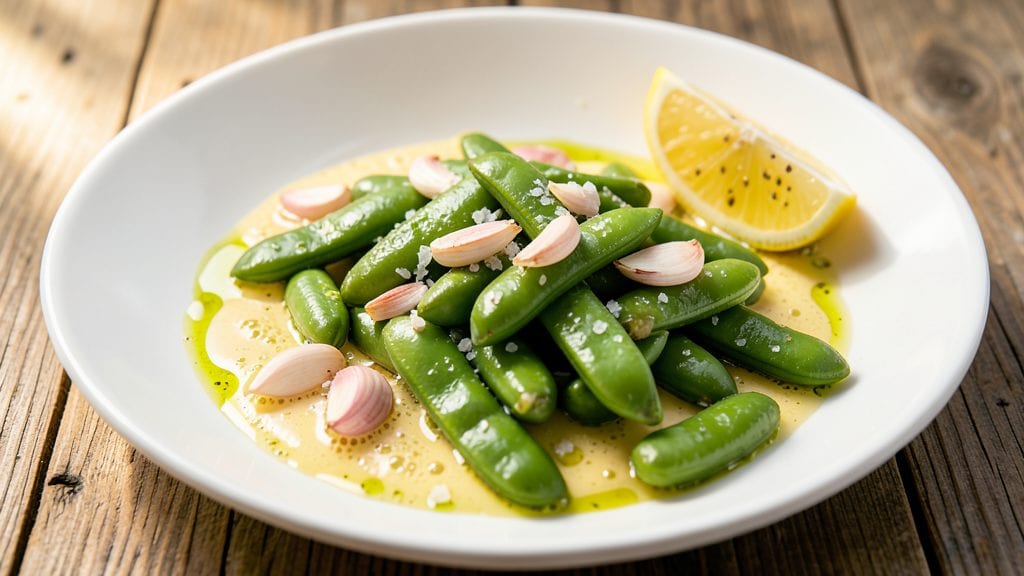
This fresh fava beans recipe turns bright, buttery sides into a breeze—just 15 minutes of lemon-garlic butter magic for restaurant-worthy flavor. I first discovered this technique while helping Nonna prepare for Sunday dinner, where she'd blanch the beans in garlic-infused olive oil until tender yet still holding their shape.
The secret lies in that perfect balance between al dente texture and rich, aromatic butter.
What makes this recipe stand out is its versatility—whether you serve them as a standalone side, blend them into a creamy dip, or toss them into salads, the lemon-garlic butter transforms simple fava beans into something truly special.
The process is foolproof: blanching preserves their natural sweetness while the butter and lemon create a bright, tangy contrast that elevates every bite. This method works equally well with in-shell or shelled beans, making it adaptable to any kitchen.
By the time you finish, you'll have a platter of golden, buttery fava beans that are tender yet still hold their shape, with a fragrant aroma that fills your kitchen. The lemon-garlic butter clings to each bean, adding layers of flavor that turn this humble ingredient into a showstopper.
Serve with crusty bread to soak up every last bit of that rich, garlicky sauce—it’s the kind of dish that makes fresh fava beans feel like a gourmet experience.
For an extra touch of elegance, garnish with fresh parsley or a drizzle of high-quality olive oil before serving. This recipe scales beautifully, so whether you're feeding a crowd or treating yourself to a special side, the results are consistently impressive. Let’s get cooking—your taste buds will thank you.
Ingredients for fresh fava beans
Fresh fava beans, lemon, garlic, and butter—simple ingredients for a restaurant-quality side.
| Ingredient | Amount | Notes |
|---|---|---|
| Fresh Fava Beans (in-shell) 🌱 | 1 ½ lb | Trimmed, pods removed |
| Unsalted Butter 🧈 | ½ cup | Cold, cubed for even melting |
| Garlic Cloves 🧄 | 6 cloves | Thinly sliced, not minced |
| Extra-Virgin Olive Oil 🫒 | ¼ cup | High quality, fruity |
| Lemon Juice 🍋 | ¼ cup | Freshly squeezed, strained |
| Kosher Salt 🧂 | 1 ½ tsp | Adjust to taste |
| Fresh Parsley 🌿 | ¼ cup | Chopped, for garnish |
| Freshly Ground Black Pepper 🌶️ | ½ tsp | Light hand, add at end |
| Crusty Bread 🍞 | 1 loaf | For serving, optional |
| Water 💧 | 4 cups | For blanching beans |
Fresh fava beans are the star, so pick the brightest pods—they should be firm and free of brown spots. Whole Foods or local farmers markets often carry the best quality, but the frozen section at Trader Joe's works in a pinch (thaw overnight). The butter matters too—European-style unsalted like Plugrá or Land O'Lakes has more flavor than generic brands. For the garlic, roasted cloves add a mellow sweetness, but fresh sliced works just as well. I always measure the lemon juice after squeezing—straining out pulp keeps the sauce silky.
No fresh fava beans? Canned beans in liquid (like Goya) are a decent swap—just drain and rinse well. Short on butter? Olive oil plus a splash of cream gets you close, but the texture won't be as rich. The parsley can be dried (use one-third the amount), but fresh is ideal for that bright pop. For extra zing, add a pinch of red pepper flakes—trust me, it works. The blanching water can be flavored with a bay leaf if you're fancy, but plain is perfect too.
This dish shines best served immediately, but the leftovers reheat beautifully—2 minutes in a skillet with extra butter. Store beans in an airtight container with a paper towel to absorb moisture—keeps 3-4 days in the fridge. The lemon juice and garlic butter can be prepped ahead and stored separately for 2 days. I always make extra bread to soak up that garlicky sauce—baguettes or ciabatta are my go-tos, but any crusty loaf works.
Why You'll Love This Recipe
- No-Prep Pods: I just pop the beans out of their shells—no peeling, no chopping, just a quick rinse. That butter and garlic melt into the pods while you sip your coffee, turning them into something ridiculously good with zero fuss.
- Lemon-Garlic Magic: The moment that olive oil hits the heat and those garlic cloves sizzle, the kitchen smells like a Mediterranean vacation. That bright lemon juice? It cuts through the richness and makes every bite taste like summer in a bowl.
- Weeknight to Party: Same recipe, different vibes—serve these warm with crusty bread for a lazy Tuesday, or toss them chilled into a salad for a fancy dinner. Honestly, they’re the kind of dish that works everywhere without trying too hard.
- Budget Bright Spot: A pound of fresh favas costs less than a fancy salad kit, and they stretch across meals. I’ll make a big batch, snack on some now, and save the rest for tomorrow’s lunch—no waste, just flavor.
Step-by-step instructions for blanched fava beans in lemon-garlic butter
Here's how to transform fresh fava beans into a silky, buttery dish with bright lemon and garlic.
Blanch the Fresh Fava Beans
Fill a large pot with the 4 cups water and bring to a rolling boil over high heat. While waiting, carefully remove the beans from their pods—you'll want to trim off any tough strings or discolored spots. The beans should be bright green inside.
Once boiling, add the 1.5 lb fresh fava beans and cook for 2-3 minutes until they're tender when pierced with a paring knife. Drain immediately in a colander and transfer to an ice bath to stop the cooking process. This quick blanching preserves their vibrant color and delicate texture.
After 1 minute in the ice water, drain again and pat very dry with paper towels. The beans should be cool to the touch before moving to the next step—this prevents the butter from steaming instead of browning.
Sauté Garlic in Olive Oil
In a large skillet, heat the 0.25 cup extra-virgin olive oil over medium heat until shimmering but not smoking. Add the 6 cloves garlic cloves, sliced thinly, and cook for 1-2 minutes until they're golden and fragrant—not browned. Here's the thing—garlic burns fast, so keep your eye on it.
Remove the skillet from heat and immediately add the 0.5 cup unsalted butter, cubed. Let it melt completely while the pan cools slightly. You want the butter to melt gently rather than splatter. This butter will create the luxurious base for your fava beans.
Combine Beans with Butter-Garlic Mixture
Return the skillet to low heat and add the blanched fava beans. Gently toss to coat them evenly in the butter-garlic mixture, letting them warm through for 3-4 minutes. The beans should absorb the rich flavors while staying tender—don't let them sit too long or they'll turn mushy.
Stir in the 0.25 cup lemon juice and 1.5 tsp kosher salt, tossing well to distribute evenly. The acidity brightens the dish and balances the richness. Taste and adjust the salt if needed—fresh fava beans can vary in natural saltiness.
Finish with Parsley and Pepper
Remove the skillet from heat and stir in the 0.25 cup fresh parsley and 0.5 tsp freshly ground black pepper. The parsley adds a fresh finish while the pepper provides a subtle warmth. Let the beans rest for 2 minutes to allow all the flavors to meld together.
Serve immediately with slices of 1 loaf crusty bread to soak up every last bit of that luxurious lemon-garlic butter sauce. The contrast between the tender beans and the crisp bread makes this dish truly special.
Pro Tips For Making Fresh Fava Beans
- SHOCK THE BEANS FIRST: Fresh favas have tough skins—drop them in boiling water for 30 seconds, then immediately plunge into ice water. This opens them up so they cook faster and don’t turn mushy. (Yes, even if you’re impatient like me, resist the urge to skip this step.)
- SHELL THEM RIGHT: Use a sharp knife to slice the pod open lengthwise, then scrape out the beans with the flat side of your blade—no need for a peeler. This keeps the beans intact and saves you from struggling with a spoon. (I learned this the hard way after losing half my yield to broken pods.)
- LOW AND SLOW: Simmer the shelled beans in lightly salted water (just enough to cover) at a gentle bubble—no rolling boil. High heat makes them tough; a steady simmer in 10-12 minutes gives you tender, buttery beans. (Your future self will thank you.)
- GARLIC FIRST, LEMON LAST: Sauté minced garlic in olive oil until fragrant (but not brown) before adding butter—this builds flavor. Toss in lemon juice after removing from heat, so the acid doesn’t cook off. (Sounds weird, but it works: the garlic stays sweet, the beans stay bright.)
Make-ahead tips for fresh fava beans
Prep Ahead Components
Start by prepping the lemon-garlic butter mixture the night before—I store it in a small glass jar in the fridge. Combine the 0.25 cup olive oil, 0.5 cup cold butter, 6 sliced garlic cloves, and 1.5 tsp salt in a jar.
When ready to cook, simply reheat this mixture gently in a skillet before adding the beans. This saves time and keeps your kitchen from smelling like garlic all night. 🧄
Blanching in Advance
Blanch the beans up to 1 day ahead and store them in an airtight container with a paper towel to absorb moisture. Keep them refrigerated until ready to use.
When reheating, warm the beans in a skillet with 1 tbsp olive oil over medium heat for 3-4 minutes—just until heated through. The texture stays tender, and the flavor remains bright. This is my go-to trick for meal prep Sundays.
Freezing for Later
If you're planning ahead for more than a few days, freeze the blanched beans in a single layer on a tray before transferring to a freezer bag. They'll keep for up to 3 months.
When ready to cook, thaw overnight in the fridge, then proceed with the recipe as written. The freezing process works surprisingly well, preserving both texture and flavor. Just be sure to pat them completely dry before freezing to avoid ice crystals. ❄️
Make-Ahead Sauce
For an even easier prep, make the lemon-garlic butter sauce separately and store it in the fridge for up to 2 days. When ready to serve, simply toss the blanched beans (cooked fresh or thawed) with the sauce and reheat gently.
I like to add a splash of water or broth to loosen the sauce slightly—it makes the beans even more luxurious. This method is perfect for busy weeknights when you still want restaurant-quality flavor.
Portion Control
Divide the cooked beans into single-serving portions in small airtight containers. Store the lemon-garlic butter sauce separately in a small jar. When ready to eat, reheat the sauce in a skillet until melted, then toss with the beans.
This keeps everything fresh and ready to go—ideal for lunches or quick dinners. The sauce reheats beautifully, and the beans stay tender without overcooking. It’s the ultimate lazy-day solution. 💡
Garnish on Demand
Keep the fresh parsley and black pepper separate until serving. This way, you can add them just before eating to keep the dish looking vibrant and fresh. Store the chopped parsley in a small container with a damp paper towel to maintain moisture.
The pepper can be kept in its original container. This final touch makes the dish feel freshly made, even if you're reheating leftovers. Trust me, the difference is noticeable. 🌿
Nutrition facts
Frequently asked questions
How do I know when fresh fava beans are ready to eat?
Look for pods that are bright green and firm to the touch—avoid any with brown spots or wrinkled skin. The beans inside should be plump and vibrant. If you're unsure, gently squeeze the pod: it should feel crisp, not mushy. For best flavor, use them within 2-3 days of purchase, or freeze the pods whole before shelling.
Can I substitute dried fava beans for fresh?
but you'll need to soak them first! Soak 1 cup dried beans in water overnight, then simmer for 1.5-2 hours until tender. Dried beans have a nuttier flavor and firmer texture, so they work best in hearty dishes like stews rather than delicate sides. For this recipe, fresh or canned beans (drained well) are ideal.
What's the best way to store leftover fava beans?
Keep cooked beans in an airtight container with a paper towel to absorb moisture—they'll stay fresh for 3-4 days in the fridge. For longer storage, freeze blanched beans (before adding butter) for up to 3 months. Reheat gently in butter or olive oil to restore their tender texture. The lemon-garlic butter sauce can be stored separately for 2 days.
Why did my fava beans turn mushy?
Overcooking is the most common cause—fava beans cook quickly! Once they reach al dente (tender but still firm), remove them from heat immediately. The ice bath after blanching also helps preserve texture. For extra insurance, reduce heat to low when tossing with butter and cook for just 2-3 minutes.
What are some great ways to use extra fava beans?
Blend them into hummus-style dips with tahini and lemon, or mash with garlic and olive oil for a spread. Toss with roasted vegetables for a hearty salad, or puree into soups for creaminess. The blanched beans also make excellent crostini toppings when mixed with goat cheese and herbs.