
Main Courses
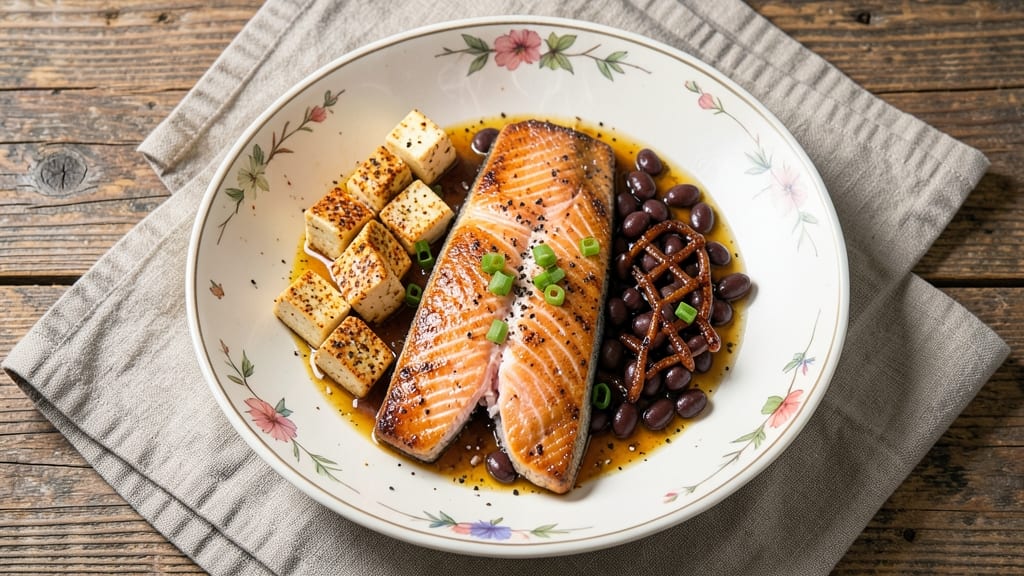
This fish fillet, tofu, and black beans recipe delivers a balanced, umami-packed meal that brings together three protein-rich components in perfect harmony.
The secret lies in cooking each element separately yet simultaneously—pan-seared fish for crispy edges, marinated tofu for savory depth, and simmered black beans for hearty texture—all while maintaining a cohesive flavor profile.
After years of refining this dish, I’ve found the right balance of techniques to ensure each ingredient shines without overpowering the others.
The beauty of this recipe is its versatility and efficiency. You’ll start with a simple marinade for the tofu, which adds a subtle smokiness that pairs beautifully with the fish’s natural richness.
Meanwhile, the black beans develop a tender yet slightly crisp exterior from a quick sauté, while the fish fillet achieves that golden crust through careful pan-searing. The entire dish comes together in under 45 minutes, making it ideal for weeknight dinners without sacrificing restaurant-quality results.
What you’ll end up with is a plate that’s as visually appealing as it is delicious—crispy fish fillet resting alongside silky tofu and velvety black beans, all bathed in a light, aromatic sauce.
The umami notes from the marinade and beans tie everything together, creating a dish that’s both satisfying and elegant. Serve it over steamed rice or quinoa to round out the meal, and you’ll have a complete, protein-rich dinner that’s sure to impress.
This recipe works equally well with salmon, cod, or tilapia, and the tofu can be swapped for tempeh if preferred. The black beans add a substantial, earthy base that absorbs flavors beautifully, ensuring every bite is cohesive.
Whether you’re meal prepping for the week or cooking for a special occasion, this one-pan harmony delivers flavor, texture, and balance in every forkful.
Ingredients for fish fillet with tofu and black beans
Four proteins, three textures, one pan—this umami-packed meal balances crispy fish, silky tofu, and tender beans.
| Ingredient | Amount | Notes |
|---|---|---|
| Salmon Fillets 🐟 | 2 whole | Skin-on, 6-8 oz each |
| Extra-Firm Tofu 🥬 | 1 lb | Pressed, drained, cubed |
| Black Beans 🫘 | 1 ½ cups | Cooked, drained, rinsed |
| Soy Sauce 🍶 | ½ cup | Low-sodium preferred |
| Sesame Oil 🫒 | 1 tbsp | Toasted for aroma |
| Garlic Cloves 🧄 | 6 cloves | Minced, fresh preferred |
| Ginger Root 🌿 | 1 tbsp | Freshly grated |
| Honey 🍯 | 1 tbsp | Wildflower preferred |
| Olive Oil 🫒 | 2 tbsp | Extra-virgin for searing |
| Vegetable Oil 🫒 | 1 tbsp | For tofu frying |
| Smoked Paprika 🌶️ | 1 tsp | For tofu marinade |
| Ground Black Pepper 🌶️ | ½ tsp | Freshly cracked |
| Sea Salt 🧂 | 1 ½ tsp | Diamond Crystal preferred |
| Lemon Juice 🍋 | 1 tbsp | Freshly squeezed |
| Green Onions 🧅 | 3 whole | Thinly sliced, for garnish |
The salmon is your star, so wild-caught or sustainably farmed makes all the difference. Trader Joe's or Whole Foods carry excellent options—look for fillets with bright pink flesh and minimal bruising. For the tofu, organic extra-firm from the refrigerated section (not the shelf-stable kind) holds up best during frying. Press it for at least 30 minutes between paper towels to get rid of excess water—this ensures a crispy exterior instead of a soggy one. Black beans? Canned low-sodium works perfectly, but if you're using dried, soak overnight for the best texture. The key to this dish is balance: each protein needs to shine without overpowering the others.
No salmon? Cod or tilapia work just as well—they’re milder and absorb flavors beautifully. Tofu hater? Swap in tempeh (marinate it the same way) or even chicken breast if you're not keeping it pescatarian. Running low on sesame oil? Avocado oil works in a pinch, but you’ll lose that nutty aroma. The marinade is flexible: tamari instead of soy sauce for gluten-free, or maple syrup if you’re out of honey. For the black beans, if you can’t find low-sodium, rinse them thoroughly to cut down on salt. And pro tip: toast your black beans in the pan for 2 minutes before adding liquid—they’ll develop a deeper flavor.
This dish reheats beautifully, but the fish is best eaten fresh. Store components separately: fish and tofu in airtight containers for up to 2 days, beans in their liquid for 4 days. Freeze the tofu marinade for up to 3 months—just thaw before using. For meal prep, I portion everything into glass containers with parchment paper between layers. When reheating, use low heat to keep the fish from drying out. The flavors actually improve overnight as everything melds together—perfect for making ahead for a busy week.
Why You'll Love This Recipe
- One-Pan Magic: I swear by this recipe when I’m too tired to scrub pots—just toss everything on a sheet pan, drizzle with sesame oil, and let the oven do the work. The salmon flakes apart, the tofu gets that golden crust, and the black beans soak up all the umami like sponges. No stress, all flavor.
- Umami Bomb: Honestly, the combo of soy sauce, black beans, and sesame oil is ridiculously good—deep, savory, with a little nutty kick. The salmon adds richness while the tofu keeps it light, and that last hit of toasted sesame oil? It’s the kind of dish that makes you go back for seconds without even thinking.
- Prep-Ahead Powerhouse: Between us, this is my go-to for busy mornings—I make a double batch on Sundays, store it in containers, and reheat it all week. The flavors actually improve overnight, and it’s perfect for lunches or a quick dinner when you’re not in the mood to cook. (Yes, even on a Tuesday night.)
- Budget-Friendly Luxe: Salmon feels fancy, but here it’s the star without breaking the bank—especially when paired with tofu and black beans. I buy frozen salmon fillets to save money, and the tofu stretches further than you’d think. It’s a protein-packed meal that won’t drain your wallet, and honestly? That’s a win in my book.
Step-by-step instructions for fish fillet, tofu, and black beans
Here's how to balance rich flavors and textures in one satisfying pan.
Prepare the Tofu for Crispy Perfection
Press the 1 lb extra-firm tofu between paper towels for 20 minutes to remove excess moisture. Cut it into 1-inch cubes and place them in a bowl. In a small dish, mix the 1 tbsp vegetable oil, 1 tsp smoked paprika, and 0.5 tsp ground black pepper. Toss the tofu cubes in this marinade until evenly coated.
Heat a nonstick skillet over medium-high heat and add the 1 tbsp vegetable oil. Once shimmering, add the tofu in a single layer and cook for 4-5 minutes per side until golden brown. The tofu should develop a crispy exterior while staying tender inside. Transfer the cooked tofu to a plate and set aside.
Sear the Salmon Fillets with Precision
Pat the 2 whole salmon fillets dry with paper towels, then season both sides generously with 1 tsp sea salt and 0.25 tsp ground black pepper. Heat the same skillet over medium heat and add 2 tbsp olive oil. Once hot, add the salmon fillets skin-side down and cook for 4-5 minutes until the skin is crispy and golden.
Flip the fillets carefully and cook for another 3-4 minutes until the salmon reaches an internal temperature of 145°F. The edges should be slightly opaque while the center remains pink. Remove the salmon from the skillet and set aside on a warm plate.
Build the Umami-Packed Sauce Base
In the same skillet, reduce heat to medium-low and add 1 tbsp olive oil. Add the 6 minced garlic cloves and cook for 30 seconds until fragrant. Stir in the 1 tbsp freshly grated ginger root and cook for another 30 seconds until aromatic.
Pour in the 0.5 cup soy sauce and 1 tbsp honey, scraping up any browned bits from the bottom of the pan. Add the 1.5 cups cooked black beans and stir to combine. Let the mixture simmer for 2-3 minutes until slightly thickened.
Combine Everything for Maximum Flavor
Return the salmon fillets and crispy tofu to the skillet, spooning the sauce over them. Add the 1 tbsp sesame oil and 1 tbsp lemon juice, tossing gently to coat everything evenly. The sauce should cling to the salmon and tofu, creating a harmonious blend of textures.
Cook for an additional 1-2 minutes just to heat through and allow the flavors to meld. The salmon should be warm throughout, and the tofu should maintain its crispy exterior while absorbing the flavorful sauce.
Finish with Fresh Garnish and Serve
Transfer the dish to serving plates and garnish with the 3 thinly sliced green onions. The bright green color will contrast beautifully with the golden-brown salmon and crispy tofu, adding a fresh finish to the dish.
Serve immediately while the salmon is still warm and the tofu maintains its perfect texture. Each bite should deliver a balance of crispy, tender, and creamy elements with layers of umami flavor from the black beans and soy sauce.
Pro Tips For Making Fish Fillet With Tofu And Black Beans
- Dry the Salmon First: Pat those salmon fillets thoroughly with paper towels before cooking—wet skin means steam instead of sear. I learned this the hard way when my salmon turned out soggy and dull instead of crisp. Trust me, the extra 30 seconds saves the dish.
- Press the Tofu Hard: Wrap extra-firm tofu in a towel, place a heavy pan on top, and let it sit for 20 minutes. This isn’t just about texture—it’s about flavor absorption. Pressed tofu soaks up the soy-sesame glaze like a sponge, while unpressed tofu just sits there like a wet sponge.
- Don’t Overcrowd the Pan: Cook the salmon and tofu in batches if needed—crowding drops the pan’s temperature and steams the fish instead of searing it. I used to think I was saving time by tossing everything in at once, but the results were always uneven. A hot pan and space make all the difference.
- Toast the Black Beans: Sauté the black beans in a dry pan for 2-3 minutes before adding liquid—this deepens their flavor and prevents them from turning mushy later. It’s a small step, but it turns a side dish into something that actually holds its own. (Yes, even if you’re impatient like me.)
Common mistakes when making perfect results
Overcooking the Fish
The salmon fillet is delicate—once it hits 145°F internal temperature, it’s done. I’ve ruined countless batches by letting it sit too long in the pan or flipping it too early.
Use a meat thermometer to check the thickest part, and resist the urge to peek at the skin while cooking. Overcooked salmon turns dry and loses its buttery texture. 🌡️
Skipping the Tofu Press
Pressing the tofu is non-negotiable if you want crispy cubes. I’ve made the mistake of skipping this step, and the result? Soggy tofu that absorbs all the sauce instead of holding its shape.
Press it for at least 20 minutes between paper towels, flipping halfway. For extra insurance, use a tofu press or even a heavy pan with weights.
Uneven Tofu Cooking
Crowding the pan causes steam instead of crispiness. Cook the tofu in a single layer over medium-high heat—don’t rush it. If you’re making a big batch, work in two batches rather than overfilling the pan.
I’ve learned this the hard way: patience here makes all the difference for that perfect golden crust. 🔥
Underseasoning the Beans
Black beans are flavor sponges, but they often need a boost. Don’t just dump them in the pan—they’ll taste bland. Sauté them for 2 minutes before adding liquid to toast their edges, then finish with a pinch of smoked paprika or a splash of fish sauce for depth.
I’ve had to rescue underseasoned beans with extra soy sauce or a squeeze of lime juice at the table.
Ignoring the Sauce Balance
The sauce ties everything together, so don’t skimp on the aromatics. I’ve made the mistake of rushing the garlic and ginger step, resulting in a flat flavor. Cook them until fragrant (30 seconds each) and scrape up every browned bit from the pan—those are packed with flavor.
The sauce should coat the back of a spoon but not be gluey. 💡
Overmixing After Combining
Once you’ve tossed the salmon, tofu, and beans together, handle them gently. Overmixing can break down the fish’s texture or turn the tofu mushy. A light toss is all you need—just enough to distribute the sauce evenly.
I’ve ruined perfectly cooked components by being too aggressive with the spatula, so I now focus on gentle, even movements.
Nutrition facts
Frequently asked questions
Can I substitute another type of fish for salmon?
This recipe works beautifully with cod, tilapia, or even mahi-mahi. The key is choosing a firm, medium-fat fish that holds up well to pan-searing. For delicate fish like flounder, reduce cooking time by 1-2 minutes per side to avoid overcooking.
How do I make this dish vegetarian?
Swap the fish fillet for extra crispy baked tofu or chickpeas roasted with smoked paprika. Use the same marinade on the tofu and increase the bean portion to 2 cups for a hearty texture. The dish will still deliver that umami-packed harmony without the seafood.
Can I prepare this recipe ahead of time?
Yes! Cook the tofu and beans 1 day ahead and store separately in airtight containers. Reheat gently in the pan with a splash of water. For the fish, cook it fresh or store it in the fridge for up to 24 hours before serving. The flavors meld beautifully overnight, making it perfect for meal prep.
What's the best way to serve this dish?
Pair it with jasmine rice or quinoa to soak up the flavorful sauce. For extra freshness, add a side of steamed bok choy or a simple cucumber salad. The crispy textures and vibrant colors make this dish visually stunning—great for both weeknight dinners and special occasions!
Why does my tofu turn out soggy?
Skipping the pressing step is the #1 cause! Always press tofu for at least 20 minutes before cooking. For extra crispiness, pat the cubes dry with paper towels after pressing. Using extra-firm tofu (not silken) and cooking in small batches over medium-high heat also helps prevent sogginess.