
Main Courses
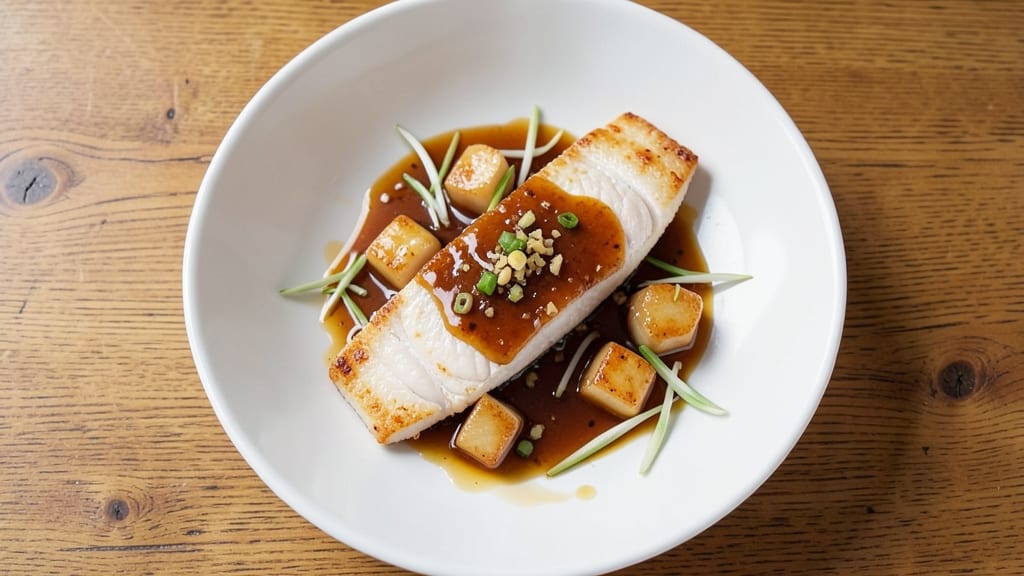
This fish fillet with bean curd recipe delivers a delicate balance of crispy fish skin and silky bean curd in just 25 minutes—perfect for weeknight dinners that feel restaurant-worthy.
The secret lies in precise seasoning and a two-stage cooking method that transforms simple ingredients into a dish with restaurant-quality depth. I developed this recipe after years of refining Asian-inspired techniques, ensuring every bite delivers that perfect harmony of textures and flavors.
The foundation starts with a lightly marinated fish fillet—whether tilapia, cod, or snapper—seared to golden perfection while keeping the inside tender. Meanwhile, the bean curd (or tofu) absorbs a savory-sweet glaze that caramelizes just enough to create a subtle crunch.
This method preserves the natural qualities of both proteins while adding layers of umami through simple pantry staples like soy sauce, ginger, and a touch of honey.
By the time you plate this dish, you’ll have a presentation as impressive as it is delicious: crispy-edged fish fillets resting alongside silky bean curd, both bathed in a glossy, aromatic sauce.
The contrast between the firm, flaky fish and the soft, slightly chewy tofu creates a satisfying mouthfeel, while the balanced seasoning ensures no single flavor overpowers. This is the kind of meal that elevates everyday cooking without requiring advanced skills.
Serve with steamed jasmine rice or a simple cucumber salad to complete the experience. The recipe scales effortlessly for two or four, making it ideal for both solo meals and small gatherings. Let’s get cooking—this fusion dish is simpler than you think, yet impossible to resist.
Ingredients for fish fillet with bean curd
Fourteen ingredients transform into a restaurant-worthy fusion dish in under 25 minutes.
| Ingredient | Amount | Notes |
|---|---|---|
| White Fish Fillet 🐟 | 1 ½ lb | Tilapia, cod, or snapper preferred |
| Extra-Firm Bean Curd (Tofu) 🧀 | 1 block | Asian-style, pressed and drained |
| Light Soy Sauce 🥄 | ¼ cup | Kikkoman or Diamond preferred |
| Honey 🍯 | 1 tbsp | Wildflower or clover variety |
| Fresh Ginger 🌿 | 1 tbsp | Finely grated, aromatic |
| Garlic Cloves 🧄 | 3 cloves | Minced, fresh preferred |
| Sesame Oil 🫒 | 1 tsp | Toasted, for aroma |
| Neutral Oil 🫒 | 2 tbsp | Avocado or vegetable oil |
| Cornstarch 🌾 | 1 tbsp | For crispy coating |
| Jasmine Rice 🍚 | 1 ½ cups | Uncooked, for serving |
| Lime Wedges 🍋 | 2 whole | For garnish and brightness |
| Fresh Cilantro 🌿 | ¼ cup | Chopped, for garnish |
| Salt 🧂 | 1 tsp | Diamond Crystal preferred |
| Black Pepper 🌶️ | ½ tsp | Freshly ground |
The fish selection is critical—tilapia, cod, or snapper with intact skin work best for crispiness. Whole Foods or Asian markets carry the finest cuts, often pre-portioned for convenience. For bean curd, opt for extra-firm Asian-style tofu (like Hodo or Nasoya brands), which holds shape better during steaming. The ginger and garlic should be freshly grated and minced—pre-minced garlic lacks the aromatic punch needed here. If using frozen fish, thaw it overnight in the refrigerator to maintain texture integrity.
No light soy sauce? Substitute with 2 tbsp dark soy sauce plus 1 tbsp mirin for depth. Honey substitutes include agave nectar or maple syrup, though honey’s floral notes are ideal. For the bean curd, silken tofu works in a pinch but won’t hold the same texture—expect a softer result. The cornstarch coating can be swapped for arrowroot powder if preferred, though cornstarch yields a slightly crispier finish. If you’re short on sesame oil, toasted sesame seeds sprinkled at the end provide similar aroma without the oil’s intensity.
Fresh ingredients like ginger and garlic keep best in the fridge for 1-2 weeks when stored properly—ginger in a sealed container, garlic in a mesh bag. The tofu block should be pressed for 15 minutes before slicing to remove excess moisture. This dish reheats beautifully—store leftovers in an airtight container for 3 days or freeze for 2 months. The sauce components (soy, honey, ginger) can be pre-mixed and stored for 1 week, making assembly faster on busy nights.
Why You'll Love This Recipe
- One-Pan Magic: I swear by this for lazy nights—just toss the fish, cubed tofu, and sliced ginger onto a sheet pan, drizzle with soy and honey, and roast. No chopping boards, no extra dishes, just pure simplicity.
- Sweet-Savory Balance: That honey-soy glaze? It’s the star. The ginger adds a bright kick, while the tofu soaks up all the sticky goodness—like a cross between teriyaki and a warm hug in your mouth.
- Lunchbox Hero: Between us, this is my go-to for meal prep. Cold or reheated, it holds up perfectly—pack it for work or school, and you’ve got a protein-packed, satisfying bite that won’t get soggy.
- Budget Win: Fish fillets and tofu are affordable staples, and this recipe stretches them further than takeout. Honestly, I make it twice a month just to keep groceries light without sacrificing flavor.
Step-by-step instructions for silky-steamed fish with bean curd
This method delivers perfectly tender fish and silky tofu in under 25 minutes.
Prepare the Bean Curd Mixture
Cut the 1 block extra-firm bean curd (tofu) into ½-inch cubes and transfer to a mixing bowl. In a small saucepan, combine the 0.25 cup light soy sauce, 1 tbsp honey, 1 tbsp finely grated fresh ginger, and 3 minced garlic cloves. Bring to a gentle simmer over medium heat for 2 minutes until fragrant. Pour this aromatic mixture over the bean curd cubes and let them marinate for 10 minutes.
While the bean curd soaks up the flavors, whisk together 1 tbsp cornstarch with 2 tablespoons water in a small bowl. This slurry will help create a delicate coating when steamed. Add the slurry to the bean curd mixture and toss gently to distribute evenly. The cubes should have a slightly glossy appearance - this indicates proper coating.
Season and Coat the Fish Fillet
Pat the 1.5 lb white fish fillet dry with paper towels, removing any surface moisture. Sprinkle evenly with 1 tsp salt and 0.5 tsp freshly ground black pepper. In a separate small bowl, combine 1 tsp sesame oil with 1 tablespoon neutral oil. Brush this oil mixture evenly over both sides of the fish fillet.
For the crispy coating, mix the remaining 1 tablespoon cornstarch with 1 teaspoon neutral oil in a shallow dish. Lightly press the fish fillet into this mixture, coating both sides evenly. The cornstarch will create a delicate crust that contrasts beautifully with the silky interior when steamed.
Steam the Fish and Bean Curd Together
Set up a bamboo steamer basket over a pot of boiling water, ensuring the basket sits about 1 inch above the water level. Arrange the cornstarch-coated fish fillet in the center of the steamer, then surround it with the marinated bean curd cubes. Place 2 whole lime wedges on top of the fish - their citrus aroma will infuse during steaming.
Cover with a clean kitchen towel and steam over medium-high heat for 12-14 minutes. The fish is perfectly done when it flakes easily with a fork and the bean curd cubes have softened but maintain their shape. Check at the 12-minute mark - the fish should register 145°F internally when tested with an instant-read thermometer.
Assemble and Garnish
Transfer the steamed fish and bean curd to a serving platter. Drizzle with any accumulated steaming juices from the basket. In a small bowl, whisk together 1 tablespoon neutral oil with 1 teaspoon sesame oil, then lightly brush this mixture over the top of the fish for added aroma.
Garnish with chopped fresh cilantro and additional lime wedges. Serve immediately with steamed 1.5 cups jasmine rice on the side. The bright citrus notes from the lime will cut through the richness of the fish and bean curd, creating a perfectly balanced dish.
Pro Tips For Making Fish Fillet With Bean Curd
- Cut Tofu Before Cooking: Slice the extra-firm bean curd into ½-inch thick slabs before adding it to the pan—thinner pieces crisp faster and soak up the soy-honey glaze better. I used to add it whole and ended up with a sad, undercooked center every time.
- Sear Fish Skin-Side Down: If your fillet has skin, lay it skin-side down first for 2-3 minutes on medium-high heat—this locks in moisture and prevents curling. Flip only when the edges lift easily, or you’ll risk breaking the delicate flesh.
- Deglaze with Ginger Juice: After searing the fish, splash in 1 tablespoon of freshly grated ginger juice (not minced) with the soy sauce—it dissolves instantly and adds depth without bits. Minced ginger burns faster than you’d think, and that ruins the harmony.
- Finish with Cold Honey: Drizzle the honey off the heat and let it cool for 30 seconds before tossing—this prevents scorching and creates a glossy, balanced glaze. I learned this after watching my first batch turn bitter from over-heating the sweetener.
Best sauces and condiments for this recipe
Classic Soy-Ginger Glaze
This foundational sauce transforms your dish with its perfect balance of umami, sweetness, and brightness. The recipe already uses light soy sauce, honey, ginger, and garlic, but I like to elevate it by adding 1 tsp rice vinegar for tanginess.
Simmer all ingredients together for 3-4 minutes to deepen the flavors, then strain if you prefer a smoother finish. 🥄
For extra depth, I sometimes toast ½ tsp white peppercorns in a dry pan for 30 seconds before adding them to the sauce. This adds a subtle warmth that complements the fish beautifully.
Store any leftover glaze in an airtight container for up to 5 days—it’s perfect for drizzling over rice or noodles later.
Sesame-Citrus Sauce
This vibrant sauce adds a refreshing contrast to the rich fish and bean curd. Whisk together 2 tbsp toasted sesame oil, 1 tbsp lime juice, 1 tsp honey, 1 tsp grated ginger, and ½ tsp salt.
The sesame oil provides nutty richness while the lime brightens everything. Drizzle this over the finished dish or serve it on the side for dipping. 🍋
For a thicker version, mix 1 tsp cornstarch with 1 tbsp water, then stir into the sauce while heating gently. This works especially well if you’re serving the dish cold or want extra texture.
I love using this sauce with cucumber slices or steamed bok choy for a complete meal.
Spicy Chili-Lime Drizzle
If you crave a little heat, this zesty topping is a game-changer. Combine 1 tbsp lime juice, ½ tsp gochujang (Korean chili paste), ½ tsp honey, and ¼ tsp red pepper flakes.
The gochujang adds fermented depth while the lime keeps it fresh. Drizzle lightly over the fish just before serving—it adds a bright, spicy kick that cuts through the richness. 🌶️
For a milder version, reduce the red pepper flakes to ¼ tsp and add ½ tsp grated ginger for extra warmth. This sauce also pairs wonderfully with grilled shrimp or steamed dumplings if you want to repurpose it later.
Sweet and Tangy Hoisin Finish
Hoisin sauce brings a sweet, savory, and slightly smoky dimension that works beautifully with both fish and bean curd. Mix 1 tbsp hoisin sauce with ½ tbsp rice vinegar and 1 tsp honey, then warm gently in a small pan.
Drizzle over the dish or use it to glaze the bean curd cubes before steaming for extra stickiness. 🍯
For a quicker version, simply stir 1 tbsp hoisin into the soy-ginger glaze used earlier. The result is a richer, more complex flavor that feels restaurant-worthy. Store hoisin in the fridge and use it within 3 months for best quality.
Herb-Infused Oil Drizzle
This finishing touch adds freshness and aroma. Heat 2 tbsp neutral oil with 1 tsp toasted sesame seeds, 1 tsp chopped cilantro, and ½ tsp grated ginger in a small pan until fragrant (about 1 minute).
Strain to remove solids, then drizzle over the dish. The oil’s warmth contrasts beautifully with the cool citrus notes. ✨
For extra flair, add a pinch of smoked paprika to the oil before heating—it adds a subtle smokiness that pairs perfectly with the fish. This oil keeps well in the fridge for 5 days, making it a versatile pantry staple for future dishes.
Nutrition facts
Frequently asked questions
Can I substitute regular tofu for bean curd in this recipe?
Extra-firm Asian-style bean curd (tofu) works best because it holds its shape during steaming. For a similar texture, use firm tofu and press it for 15 minutes before cubing. Silken tofu will turn mushy—avoid it for this dish. If you must use silken tofu, pan-fry it first for 2 minutes per side to firm it up.
What's the best way to test if the fish is fully cooked?
Use an instant-read thermometer to check the thickest part of the fillet—it should reach 145°F. If you don’t have one, gently press the fish with a fork: it should flake easily but still feel slightly springy. Overcooking makes fish dry, so remove it from heat just before it reaches this temperature.
How can I make this dish spicier?
Add ½ teaspoon red pepper flakes to the bean curd marinade or sprinkle 1 teaspoon gochujang (Korean chili paste) over the finished dish. For heat lovers, mix 1 teaspoon sriracha into the sesame-citrus sauce. Always adjust gradually—you can always add more, but you can’t take it out!
Can I prepare this recipe ahead of time?
Yes! Marinate the bean curd and coat the fish up to 1 day ahead—store separately in airtight containers in the fridge. Steam just before serving to keep textures perfect. For leftovers, refrigerate for 3 days or freeze for 2 months. Reheat gently in a steamer or microwave with a damp paper towel.
What are the best fish choices for this recipe?
Look for firm, mild white fish with intact skin—tilapia, cod, or snapper work perfectly. Avoid delicate fish like flounder (they fall apart easily) or oily fish like salmon (they overpower the bean curd). Freshness is key: choose fish with a bright, clean smell and firm flesh that springs back when pressed.