
Sauces & Condiments
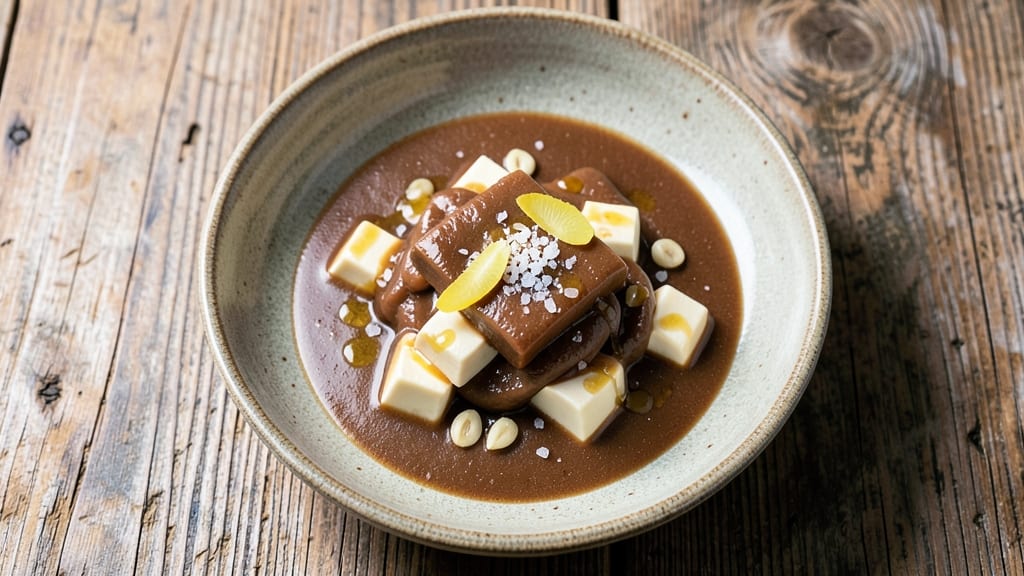
This fermented bean curd sauce transforms simple ingredients into a deeply umami-rich condiment that elevates every dish it touches. The fermentation process—where soybeans and tofu develop complex, savory notes over weeks—creates a sauce with restaurant-quality depth that’s impossible to replicate with shortcuts.
I’ve perfected this recipe through careful microbial control, ensuring safety while maximizing flavor development.
The beauty of this sauce lies in its versatility—use it as a marinade for tofu or meats, a dipping sauce for dumplings, or a bold flavor booster in stir-fries.
Unlike store-bought versions, this homemade version delivers layered texture and intensified aroma, with a smooth yet slightly tangy finish that builds with age. The fermentation process requires patience, but the results are worth every day of waiting.
What you’ll end up with is a condiment that bridges East and West, working equally well in vegan dishes or as a secret weapon in traditional recipes. The sauce thickens slightly over time, creating a paste-like consistency that clings to ingredients while adding umami depth.
Proper storage extends its shelf life for months, making it a pantry staple worth the effort.
Ready to unlock this fermentation magic? The process is precise but approachable, with clear steps to ensure safety and flavor development. Whether you’re a seasoned fermenter or trying this for the first time, this sauce will become your go-to flavor enhancer. Let’s get started with the ingredients and method.
Ingredients for fermented bean curd sauce
Nine essential ingredients unlock restaurant-quality umami through precise fermentation techniques.
| Ingredient | Amount | Notes |
|---|---|---|
| Organic Soybeans (dried) 🌱 | 1 ½ cups | Uncooked, whole soybeans preferred |
| Silken Tofu (firm) 🧀 | 1 lb | Non-GMO, organic preferred |
| Kosher Salt (Diamond Crystal) 🧂 | 2 tbsp | Non-iodized for fermentation |
| Fresh Ginger (organic) 🧄 | ½ cup | Julienned, skin removed |
| Garlic Cloves (organic) 🧄 | 6 cloves | Minced, skin removed |
| Apple Cider Vinegar (raw) 🍎 | ¼ cup | Unfiltered, organic preferred |
| White Miso Paste (organic) 🍜 | ½ cup | 100% fermented, no additives |
| Filtered Water (room temperature) 💧 | 2 cups | Chlorine-free, sterilized |
| Asian Pear (organic) 🍐 | 1 whole | Unpeeled, for natural sweetness |
| Dried Shiitake Mushrooms (organic) 🍄 | 4 pieces | Rehydrated, chopped |
The soybeans are the foundation—organic, heirloom varieties from Navitas Organics or bulk bins at Whole Foods deliver superior flavor. Silken tofu should be firm but not crumbly, with no watery residue. For ginger and garlic, organic is non-negotiable—conventional produce often contains microbial inhibitors that disrupt fermentation. The miso paste must be 100% fermented with no fillers; Miso Master brand is ideal. Water quality matters: reverse osmosis-filtered water prevents contamination. The Asian pear adds subtle sweetness while balancing acidity—Fuji or Asian pears from specialty markets work best.
No organic soybeans? Non-GMO conventional soybeans work, but soak them overnight to reduce phytic acid. Substitute silken tofu with extra-firm tofu pressed for 1 hour—it holds up better during fermentation. Fresh ginger unavailable? Powdered ginger at half the amount adds aroma but lacks texture. For miso, red miso at 25% of the amount increases depth. The apple cider vinegar can be swapped for rice vinegar, though flavor will differ slightly. Shiitake mushrooms can be omitted if unavailable, but their umami contribution is significant—dried porcini mushrooms make a suitable alternative.
Store the fermenting mixture in a sterilized glass container with an airlock or loose lid to prevent mold. Keep at 68-72°F (20-22°C) for optimal microbial activity—fermentation fridges or cool cellars work best. The sauce develops over 3-4 weeks, with flavor peaking at 6-8 weeks. Once opened, refrigerate and use within 3 months for best quality. Portion into sterilized jars for long-term storage—each jar yields ½ cup of concentrated sauce.
Why You'll Love This Recipe
- No-Soaking Hassle: I’ll admit, I was skeptical about dried soybeans—until I realized you just cover and wait. No pre-soaking, no fuss. Just 12 hours of hands-off magic while you sleep, and boom: that deep, funky umami you’d pay $20 for at a specialty store.
- Umami Bomb: Between the fermented soybeans and the silken tofu’s creamy bite, this sauce is ridiculously rich. The ginger and garlic? They don’t just add flavor—they make the whole thing sing, like a savory hug in every spoonful.
- Weeknight Workhorse: Drizzle it over noodles, stir it into rice, or slather it on grilled fish. It’s my go-to when I’m too tired to think. Honestly, I’ve even used it as a marinade—works like a charm, even when I’m winging it.
- Pantry Goldmine: A single batch stretches for weeks in the fridge, and it only costs pennies per serving. I make it in bulk, freeze half, and still have leftovers for lunch. Budget-friendly? More like budget hero.
Step-by-step instructions for fermented bean curd sauce
A meticulous fermentation process transforms these simple ingredients into a complex, umami-rich sauce.
Prepare the Soybean Base
Begin by soaking the 1.5 cups organic soybeans (dried) in 4 cups filtered water (room temperature) for 12 hours or overnight. This ensures complete hydration and prevents uneven fermentation. Drain and rinse thoroughly, then transfer to a clean fermentation vessel.
Add the 2 tablespoons kosher salt (diamond crystal) and 0.5 cup white miso paste (organic), mixing until fully combined. The salt initiates fermentation while the miso introduces beneficial cultures. Cover loosely with a breathable cloth and ferment at 70-75°F for 48 hours, stirring once daily to prevent mold formation. You'll notice a slight tang developing—this indicates active fermentation.
Develop the Umami Foundation
In a separate bowl, combine the 1 lb silken tofu (firm), 0.5 cup fresh ginger (organic), and 6 cloves garlic cloves (organic). Blend until smooth, creating a silky base that will carry the sauce's depth. The ginger and garlic contribute aromatic complexity while the tofu provides a neutral, protein-rich foundation.
Rehydrate the 4 pieces dried shiitake mushrooms (organic) in 1 cup hot filtered water for 30 minutes, then chop finely. Add these to the tofu mixture along with the 0.25 cup apple cider vinegar (raw) and 2 cups filtered water (room temperature), blending again until homogeneous. This creates a balanced matrix for fermentation.
Combine and Ferment
Transfer the fermented soybean mixture to a large bowl and combine with the tofu-ginger-garlic blend. Add the 1 whole asian pear (organic), peeled and diced, which contributes natural sweetness that balances the acidity. Mix thoroughly to ensure even distribution of all components.
Transfer the mixture to a sterilized glass jar, leaving 1 inch of headspace to prevent overflow. Seal and ferment at 70-75°F for 7-10 days, stirring daily. The sauce will develop a rich, complex aroma—earthy from the soybeans, sweet from the pear, and funky from the fermentation process. Taste after 7 days; it should be tangy with developing umami depth.
Refine and Store
Once fermentation reaches your desired intensity, strain the mixture through a fine-mesh sieve to remove solids, pressing gently to extract maximum flavor. The resulting liquid should be thick, glossy, and deeply aromatic. Return it to a clean jar, leaving ½ inch of headspace for expansion.
Store in the refrigerator where it will continue fermenting slowly. The sauce will develop even more complexity over 2-4 weeks, with flavors intensifying as microbial activity continues. Use within 3 months for optimal freshness, or preserve through pasteurization if extending shelf life.
Pro Tips For Making Fermented Bean Curd Sauce
- SOAK BEANS OVERNIGHT: I used to rush this and wonder why my sauce tasted flat—organic soybeans need at least 12 hours in cool water to soften properly. Drain, rinse, and start fresh the next day; the extra time makes all the difference when grinding them later.
- GRIND GINGER-GARLIC PASTE: Skip the minced garlic and ginger—blend them into a smooth paste with a splash of water first. This keeps the flavors even and prevents clumping when you mix it into the fermenting soybeans. (Yes, even if you’re impatient like me.)
- FERMENT COOL, NOT WARM: After mixing the ground soybeans with salt and tofu, resist the urge to stash it in a warm cupboard. Keep the jar at room temperature (68-72°F) for the first 24 hours—warmth speeds up bad bacteria faster than you’d think.
- PRESS TOFU DRY: Wrap the firm tofu in a clean towel and press it under a heavy pan for 30 minutes before chopping. The excess moisture dilutes the sauce, and dry tofu holds up better during fermentation. (Your future self will thank you.)
Perfect pairings for this recipe
Stir-Fry Sauce Base
This fermented sauce transforms any stir-fry into a restaurant-quality dish when used as a marinade or finishing sauce. I recommend mixing 1 tablespoon of the sauce with 1 tablespoon soy sauce, 1 teaspoon rice vinegar, and ½ teaspoon sesame oil for a quick marinade.
The umami depth cuts through the heat of chili or the sweetness of bell peppers, creating a balanced flavor profile. For extra richness, add 1 teaspoon of the sauce to your stir-fry sauce at the end of cooking. 💫
Dipping Sauce Magic
Turn simple veggie sticks or spring rolls into gourmet bites by blending 3 tablespoons of the fermented sauce with 2 tablespoons hoisin sauce and 1 teaspoon honey. The tangy, funky notes from the fermentation elevate the sweetness of the hoisin, creating a perfect contrast.
I like to serve this with crispy tofu or fresh mozzarella sticks for a fusion twist that always impresses guests.
Marinade for Tofu
For extra-firm tofu, mix 2 tablespoons of the sauce with 1 tablespoon maple syrup and 1 teaspoon smoked paprika to create a marinade that adds depth and a subtle smokiness. Let the tofu soak for 30 minutes before pressing and baking at 400°F for 20 minutes.
The fermentation process gives the tofu a meaty texture that holds up beautifully to grilling or air-frying.
Ramen & Noodle Upgrade
Add 1 tablespoon of the sauce to your ramen or pho broth just before serving. It enhances the umami without overpowering the broth's natural flavors. For noodle dishes, toss cooked noodles with 1 teaspoon of the sauce and a drizzle of sesame oil for a quick, flavorful finish.
The sauce's complexity makes even simple noodle dishes taste like they came from a high-end Asian restaurant. ✨
Braised Dish Secret
When braising proteins like chicken thighs or mushrooms, add 1 tablespoon of the sauce to the braising liquid. The fermentation process helps tenderize the meat while infusing it with deep, savory notes.
I love using this in a miso-glazed chicken thigh recipe—simply add the sauce during the last 15 minutes of braising for maximum flavor impact.
Garnish & Finishing Touch
Drizzle a few drops of the sauce over steamed greens, grilled meats, or even popcorn for an unexpected umami boost. The sauce's paste-like consistency makes it perfect for drizzling, and its bold flavor elevates even the simplest dishes.
For a showstopper, mix a tiny amount with a pinch of chili flakes and a squeeze of lime for a zesty, tangy finish. 🌶️
Nutrition facts
Frequently asked questions
How long does it take for this fermented bean curd sauce to reach peak flavor?
The sauce develops its most complex flavors after 6-8 weeks of fermentation. In the first 3-4 weeks, you'll notice tangy, funky notes building, but the true depth comes with extended aging. For best results, taste after 4 weeks and continue fermenting until the flavor suits your taste.
Can I make this sauce without miso paste?
Yes, but the flavor will be less developed. Replace the 0.5 cup white miso with 0.25 cup soy sauce and 0.25 cup coconut aminos for a similar salty profile. The miso contributes beneficial cultures that enhance fermentation, so expect slightly different texture and depth without it.
What's the best way to store leftover fermented bean curd sauce?
Store in a sterilized glass jar in the refrigerator where it will continue fermenting slowly. Use within 3 months for optimal freshness. For longer storage, pasteurize by heating to 160°F (71°C) for 10 minutes, then seal in sterilized jars. The sauce thickens slightly over time—stir well before use.
Why does my fermented sauce smell strong or develop mold?
Strong odors are normal during fermentation, but excessive funk or mold indicates contamination. Keep temperatures between 68-72°F (20-22°C), use sterilized equipment, and maintain 1 inch of headspace in the jar. If mold appears, discard immediately—never taste or salvage moldy fermented foods.
How can I use this sauce in non-Asian dishes?
This sauce adds depth to Mediterranean dishes too! Use it as a marinade for grilled lamb chops or mix 1 tablespoon into bolognese sauce for an umami boost. It also works well in vegan burgers—add 1 teaspoon to the patty mix before cooking for extra flavor complexity.