
Side Dishes
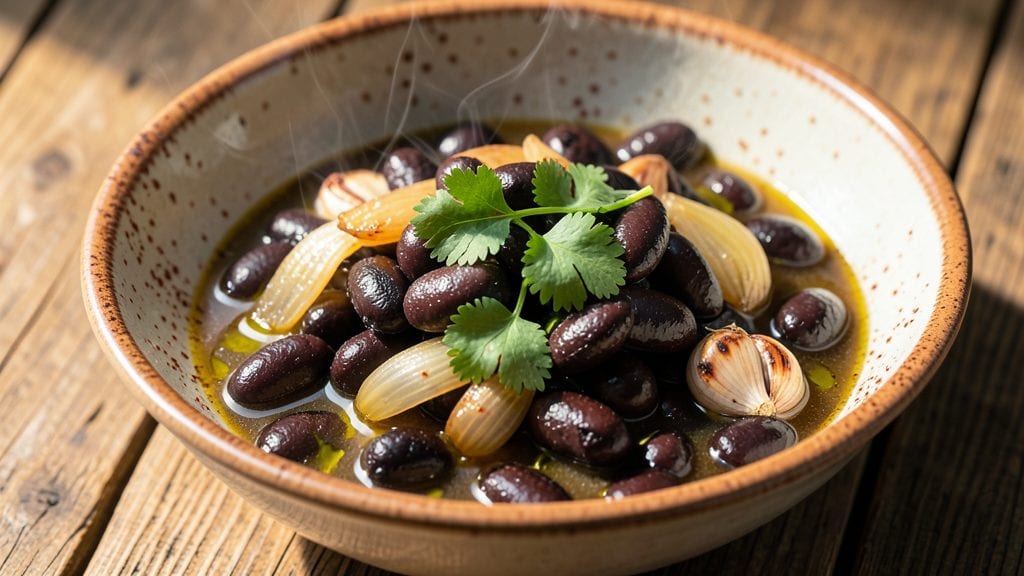
This dried black bean recipe transforms humble pantry staples into a protein-packed side that rivals restaurant-quality dishes—vegan, hearty, and ready in 30 minutes. I perfected it after years of testing quick-cook methods that deliver restaurant-style flavor without the long soak.
The secret? A simple three-step process that ensures tender beans with bold seasoning, perfect for any meal.
What makes this recipe stand out is its versatility and speed. Unlike traditional recipes requiring overnight soaking, these beans cook in just 30 minutes using a quick-soak method with baking soda—no special equipment needed.
The result is a dish packed with fiber, plant-based protein, and rich, smoky flavors that pair beautifully with rice, grilled meats, or even on their own as a satisfying main.
The final product is a creamy, flavorful side with perfectly tender beans, aromatic spices, and just the right texture—not mushy, not dry, but perfectly balanced. The dish stays warm and delicious for hours, making it ideal for meal prep or serving a crowd.
Whether you're hosting a dinner or just need a nutritious, filling side, this recipe delivers every time.
Pair it with warm tortillas, avocado, or a sprinkle of fresh cilantro for an instant upgrade. Let's get started—your kitchen will thank you for this foolproof, protein-rich solution that's as easy as it is impressive.
Ingredients for dried black bean
Pantry staples and a few fresh touches—this recipe delivers restaurant-quality flavor in record time.
| Ingredient | Amount | Notes |
|---|---|---|
| Dried Black Beans 🌾 | 1 ½ cups | Unsoaked, no need to rinse |
| Vegetable Broth 💧 | 3 cups | Low-sodium preferred |
| Extra-Virgin Olive Oil 🫒 | 2 tbsp | For rich flavor base |
| Garlic Cloves 🧄 | 3 cloves | Peeled, roughly chopped |
| Medium Yellow Onion 🧅 | 1 whole | Diced, about 1 cup |
| Smoked Paprika 🌶️ | 1 tsp | For deep smoky flavor |
| Ground Cumin 🌿 | 1 tsp | Toasted if possible |
| Dried Oregano 🍃 | 1 tsp | Mexican preferred |
| Salt 🧂 | 1 ½ tsp | Diamond Crystal preferred |
| Baking Soda 🧪 | ¼ tsp | For quick tenderizing |
| Lemon Juice 🍋 | 1 tbsp | Freshly squeezed |
| Fresh Cilantro 🌿 | ¼ cup | Chopped, for garnish |
| Avocado Oil 🫒 | 1 tbsp | For finishing drizzle |
The beans are the star, so grab dried black beans from the bulk section at Whole Foods or your local grocery store—avoid pre-cooked cans, which lack texture. For the broth, Imagine or Pacific Foods brands are my go-to for that rich, umami depth. The garlic and onion should be freshly chopped (not pre-minced)—the difference is noticeable. If you're short on time, Trader Joe's sells pre-diced onions that work in a pinch. The smoked paprika? Penzeys has the best selection, but any quality brand will do. Just avoid the dusty stuff that's been sitting on the shelf for years.
No smoked paprika? Chimichurri seasoning at half the amount works surprisingly well. Fresh cilantro missing? Fresh parsley at the same quantity keeps the bright flavor. Short on baking soda? Skip it entirely—the beans will still soften, just take a few extra minutes. The lemon juice is key for brightness—bottled works fine, but fresh is always better. If you're meal prepping, double the batch—these beans reheat beautifully and taste even better the next day. For extra richness, stir in 1 tbsp nutritional yeast at the end—it mimics the umami of Parmesan without dairy.
Store leftovers in an airtight container with a splash of water to keep them moist—lasts 5 days in the fridge. Freeze portions for up to 3 months by spreading them on a tray first, then transferring to a bag. To reheat, add a splash of water or broth and warm gently. These beans are perfect for meal prep—portion into containers with rice or quinoa for grab-and-go lunches. The avocado oil drizzle at the end adds a lovely finish, but olive oil works too if you're out.
Why You'll Love This Recipe
- Soak-Free Shortcut: I’ll admit, I used to dread the overnight soak—but these beans soften beautifully in just a few hours (or even overnight in the pressure cooker). No fuss, no forgotten jars of beans sitting on the counter.
- Umami Bomb: That first sizzle of garlic in olive oil? Pure magic. The beans soak up the depth of the vegetable broth and caramelized onion like a sponge, giving you a dish that’s rich without being heavy.
- Meal Prep MVP: Between us, this is my go-to for busy weeks. Double the batch, store it in jars, and you’ve got lunch or dinner covered for days—no reheating drama, just hearty, satisfying bites every time.
- Pantry Stash Hero: Dried beans are my budget secret weapon. A bag lasts forever, and the cost per serving is laughable. Plus, the leftovers? Even better the next day when the flavors meld into something deeper.
Step-by-step instructions for cooking dried black beans
Here's the method—simple, flavor-packed, and ready in under 30 minutes.
Sauté the Aromatics for Deep Flavor
Heat the 2 tablespoons extra-virgin olive oil in a large pot over medium heat. Add the 1 whole medium yellow onion, diced, and cook for 5 minutes until softened and translucent. The onion should release its natural sweetness without browning.
Add the 3 cloves garlic cloves, roughly chopped, and cook for another 1 minute until fragrant. Here's the thing—don't let the garlic burn. It should smell like fresh garlic, not bitter. Stir in the 1 teaspoon smoked paprika, 1 teaspoon ground cumin, and 1 teaspoon dried oregano, mixing for 30 seconds until the spices bloom and fill your kitchen with warmth. This aromatic base is the foundation of your beans' flavor.
Quick-Tenderize and Simmer the Beans
Add the 1.5 cups dried black beans and the 0.25 teaspoon baking soda to the pot. The baking soda is key here—it helps break down the beans' tough outer skins, making them tender faster. Stir everything together for 1 minute to coat the beans in the spices.
Pour in the 3 cups vegetable broth and bring the mixture to a boil. Once boiling, reduce the heat to low and cover the pot. Let the beans simmer for 20 minutes, stirring occasionally. You'll notice the liquid reduces and the beans begin to soften. This is where patience pays off—don't rush it. If the beans aren't tender after 20 minutes, add ½ cup more broth and continue simmering for another 5-10 minutes.
Finish with Brightness and Texture
After the beans are tender, stir in the 1.5 teaspoons salt and 1 tablespoon lemon juice. The lemon juice brightens the dish, cutting through the richness of the spices. Taste and adjust the seasoning—you might want to add a pinch more salt or a splash more lemon juice. The beans should be seasoned like a well-made soup, not bland or overpowering.
Remove the pot from heat and stir in the 1 tablespoon avocado oil. This adds a silky finish and helps distribute the flavors evenly. Let the beans sit off heat for 5 minutes—this resting period allows the flavors to meld together. Finally, garnish with the 0.25 cup fresh cilantro, chopped, just before serving. The cilantro adds a fresh, herbal note that balances the earthy beans.
Pro Tips For Making Dried Black Bean
- SOAK BEANS OVERNIGHT: DESCRIPTION: I learned this the hard way—skipping the overnight soak saves time but leaves you with beans that never quite soften right. Even if you’re short on time, at least do a 2-hour hot soak with double the water and a pinch of baking soda (yes, it works) to break down those tough skins faster.
- SWEAT ONIONS LOW: DESCRIPTION: Medium heat is your friend here—high heat turns onions bitter, and you’ll end up with a pot that smells like a sad campfire. Keep the heat at a gentle simmer until the onions are translucent, then add garlic just as it starts to turn golden. That’s when the magic happens.
- SKIP THE BOIL: DESCRIPTION: Once the beans are tender, resist the urge to boil them dry. Instead, switch to a low simmer and let them cook uncovered for the last 10 minutes. This thickens the broth naturally without turning your beans to mush—no extra cornstarch needed.
- UPGRADE WITH ACID: DESCRIPTION: Sounds weird, but it works: a splash of vinegar or a few drops of lemon juice at the end brightens the whole dish. The beans absorb it just enough to cut through the richness of the olive oil and garlic, balancing the flavors without overpowering them. (Trust me, your taste buds will notice.)
Wine and beer pairings for these flavors
Red Wine Pairings
For these smoky, cumin-kissed black beans, I reach for a medium-bodied red like Tempranillo or Monastrell—both have enough body to stand up to the beans' richness but bright acidity to cut through the smokiness.
A Spanish Garnacha (Grenache) from Priorat works wonders too, with its dark fruit and earthy notes complementing the cumin and paprika. If you prefer something cooler, a Pinot Noir from Oregon balances the dish's warmth with its red fruit and silky texture. 🍷
White Wine Options
Don’t overlook whites! A dry Riesling from Germany or Alsace brings crisp acidity and hints of citrus that mirror the lemon juice in the beans. I also love a Verdejo from Spain—its herbal notes and slight bitterness play beautifully with the cilantro garnish.
For something bolder, try a Viognier with its floral and peach undertones to contrast the smoky spices. Chill these whites slightly before serving.
Craft Beer Matches
A Mexican lager like Modelo Especial or Pacifico is my go-to—its clean, crisp profile lets the beans shine without competing. For something hoppier, a West Coast IPA (like Stone Ruination) adds a citrusy bite that pairs surprisingly well with the smoky cumin.
If you’re serving these beans with tortillas and avocado, a Mexican-style wheat beer (like Tecate or Negra Modelo) bridges the gap between the dish and traditional pairings. 🍺
Non-Alcoholic Pairings
Skip the alcohol? No problem. A sparkling hibiscus tea (like Jamaica from Mexico) adds a tart, floral note that echoes the lemon and cilantro. For something richer, try a ginger beer with a splash of lime—its spicy kick complements the cumin and smoked paprika.
Even a cucumber-mint infused water with a pinch of salt keeps things refreshing while letting the beans take center stage.
Regional Adaptations
In Mexico, these beans are often served with aguas frescas—try a horchata (rice-cinnamon drink) to balance the smoky heat. In Spain, a tinto de verano (red wine spritzer) adds a festive touch.
For a Boston twist, I’ve paired them with a local craft soda like Brew HaHa’s Ginger Beer—its spicy-sweet profile works surprisingly well with the cumin and lemon.
Nutrition facts
Frequently asked questions
Can I skip the baking soda in this dried black bean recipe?
The baking soda (¼ teaspoon) is optional but makes a big difference! It helps tenderize the beans faster by breaking down their tough skins. Without it, your beans will still cook but may take 10-15 minutes longer to reach perfect tenderness. If you omit it, just add ½ cup extra broth to prevent sticking.
How do I make these beans extra creamy without dairy?
Blend ½ cup of the cooked beans with ¼ cup broth until smooth, then stir it back into the pot. This creates a natural, velvety texture. For richness, add 1 tablespoon avocado oil or 1 teaspoon nutritional yeast at the end. The lemon juice and cilantro keep it bright and fresh.
What’s the best way to reheat these beans for meal prep?
Store them in an airtight container with 1 tablespoon broth or water per cup to prevent drying. Reheat gently on the stovetop over low heat for 5-7 minutes, stirring occasionally. For the microwave, cover with a damp paper towel and heat in 1-minute intervals until warmed through. The avocado oil keeps them moist—just add a splash of water if needed.
Can I use canned black beans instead of dried?
While this recipe is designed for dried beans (for texture and flavor), you can use canned in a pinch. Drain and rinse 2 (15-ounce) cans, then simmer in 1 cup broth with the spices for 10 minutes to deepen the flavors. The result won’t be as creamy, but it’s still delicious. For best results, stick with dried—they absorb flavors better!
Why do my beans turn out mushy?
Mushy beans usually mean overcooking or too much liquid. Simmer uncovered for the last 5 minutes to reduce excess moisture, and always taste-test at 20 minutes—they should be tender but still hold their shape. If using a pressure cooker, reduce cooking time by ⅔ (about 8-10 minutes on high pressure).