
Side Dishes
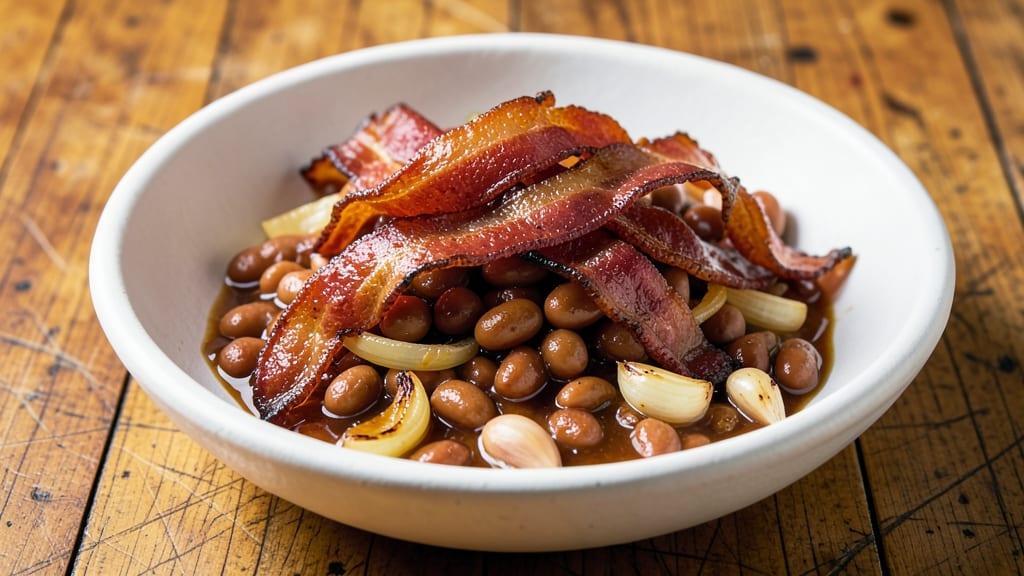
This dress up canned baked beans recipe with smoky garlic and caramelized onions turns a pantry staple into a flavor-packed centerpiece. The secret lies in slow-cooked depth: crispy bacon, sweet onions, and a touch of brown sugar create layers of complexity that elevate every bite.
I developed this method after realizing how much better homemade-tasting sides taste compared to store-bought versions.
This recipe builds on the convenience of canned beans while adding professional techniques that make it taste homemade. You'll start with caramelized onions (the key to rich flavor) and crispy bacon, then simmer everything together until the beans are tender and the sauce has thickened into a glossy, savory glaze.
The result is a dish that's hearty enough to serve as a main course for vegetarians or a perfect side for barbecues.
What you'll end up with is a pot of baked beans that's smoky from the bacon, sweet from the caramelized onions, and just slightly spicy from a pinch of cayenne. The texture is perfect—creamy beans with crisp edges—and the aroma alone will have everyone asking for seconds.
This is comfort food reimagined, with all the convenience of canned beans but none of the blandness.
The best part? This recipe comes together in just 30 minutes using simple pantry staples. Whether you're hosting a cookout or just craving something hearty, these upgraded baked beans deliver restaurant-quality flavor without the fuss. Let's get started on transforming your next meal.
Ingredients for dress up canned baked beans
Pantry staples meet smoky magic—transform simple canned beans into a flavor explosion with just 13 ingredients.
| Ingredient | Amount | Notes |
|---|---|---|
| Canned Baked Beans 🫘 | 2 cans | 15 oz each, no sugar added preferred |
| Thick-Cut Bacon 🥓 | 6 oz | Cut into 1/2-inch pieces |
| Yellow Onions 🧅 | 1 ½ lb | Medium, thinly sliced |
| Garlic Cloves 🧄 | 4 cloves | Minced for depth |
| Brown Sugar 🍯 | ¼ cup | Light or dark variety |
| Apple Cider Vinegar 🍏 | 2 tbsp | For tangy brightness |
| Ketchup 🍅 | ¼ cup | For subtle sweetness |
| Dijon Mustard 🥫 | 1 tbsp | For depth of flavor |
| Cayenne Pepper 🌶️ | ½ tsp | Adjust for heat preference |
| Ground Black Pepper 🌶️ | ½ tsp | Freshly ground preferred |
| Salt 🧂 | 1 ½ tsp | Kosher or sea salt |
| Extra-Virgin Olive Oil 🫒 | 1 tbsp | For caramelizing onions |
| Fresh Thyme 🌿 | 1 tsp | Dried works at 1/3 amount |
The bacon and onions are your flavor anchors. Thick-cut bacon from Costco or Trader Joe's gives the best crispy edges—skip the pre-cooked stuff, trust me. For onions, yellow or sweet onions caramelize best; grab a bag of Dutch Yellow from the store if you're unsure. The key is patience—low and slow until they're golden brown and sweet. Fresh thyme adds a bright note, but dried works in a pinch (just use less).
No brown sugar? Maple syrup or honey works in a 1:1 swap—just remember it's sweeter. Out of apple cider vinegar? Red wine vinegar or balsamic adds depth, though the flavor shifts slightly. The ketchup can be skipped if you're watching sugar, but it adds that classic tang. For extra smokiness, swap half the bacon for smoked paprika—it's a game-changer. And if you're feeling adventurous, add a splash of molasses for depth (about 1 tbsp).
These beans taste even better the next day—double the batch if you can. Store in an airtight container for 5 days in the fridge, or freeze for 3 months. The bacon fat solidifies when cold, so reheat gently on the stove. Perfect for meal prep: portion into containers for quick lunches or potluck sides.
Why You'll Love This Recipe
- I swear by this trick: crispy bacon and caramelized onions turn canned beans into something ridiculously good. No fancy skills—just fry the bacon until it’s golden, chop the onions, and let them soften in the same pan. That’s it. The beans just get warmed through, but the flavor? Chef’s kiss.
- Two-Ingredient Upgrade: I swear by this trick: crispy bacon and caramelized onions turn canned beans into something ridiculously good. No fancy skills—just fry the bacon until it’s golden, chop the onions, and let them soften in the same pan. That’s it. The beans just get warmed through, but the flavor? Chef’s kiss.
- Sweet-Savory Magic: Brown sugar and garlic cloves work together like a dream team—deep, smoky, and just a touch sweet. I add a splash of apple cider vinegar too, and suddenly, these beans taste like they simmered all day. (Between us, my kids ask for this version every time.)
- Tailgate or Taco Night: This recipe doesn’t just belong on weeknights—it’s my go-to for game days, potlucks, or even taco fillings. Serve it warm with cornbread, or let it cool for a bean salad. Honestly, I’ve even mixed it into mac and cheese when I’m feeling lazy. (Yes, even on a Tuesday night.)
Step-by-step instructions for dress-up canned baked beans
Transform simple canned baked beans into a restaurant-worthy dish with these easy, flavor-packed steps.
Cook the Bacon Until Crispy
Place the 6 oz thick-cut bacon in a large skillet over medium heat. Let it cook undisturbed for 5-6 minutes until the edges start to crisp and the fat begins to render out. This is where the magic happens—the rendered fat will later caramelize the onions and deepen the bean flavors.
Once the bacon is golden brown and crispy, use a slotted spoon to transfer it to a paper towel-lined plate, leaving the fat in the skillet. Discard all but 1 tablespoon of the bacon fat—you'll use this later for cooking the onions. If you need more fat, add 1 tablespoon extra-virgin olive oil to the skillet to maintain proper heat conduction.
Caramelize the Onions and Garlic
Add the 1.5 lb yellow onions to the skillet with the remaining bacon fat. Cook over medium-low heat for 15-20 minutes, stirring occasionally, until the onions soften and begin to turn deep golden brown. This slow cooking process develops sweet, rich flavors that elevate the beans dramatically.
When the onions are nearly caramelized, add the 4 cloves minced garlic and the 1 tsp fresh thyme. Cook for another 1-2 minutes until the garlic becomes fragrant and the thyme releases its aroma. Here's the thing—don't let the garlic burn, or it will turn bitter. Watch it closely during this final minute.
Combine All Ingredients and Simmer
Drain and rinse the 2 cans canned baked beans under cold water to remove excess sodium and sugar, then add them to the skillet with the caramelized onions. Stir in the 0.25 cup brown sugar, 0.25 cup ketchup, 1 tbsp Dijon mustard, 2 tbsp apple cider vinegar, 0.5 tsp cayenne pepper, 0.5 tsp ground black pepper, and 1.5 tsp salt. The beans should be fully coated in the sweet, tangy mixture.
Bring the mixture to a gentle simmer over medium-low heat. Let it cook uncovered for 15-20 minutes, stirring occasionally, until the flavors meld together and the beans begin to thicken slightly. You're looking for a sauce that coats the back of a spoon—this ensures every bite is packed with flavor.
Finish with Bacon and Rest
Return the crispy bacon to the skillet and stir gently to distribute it throughout the beans. The bacon will soften slightly but retain its crispy texture, adding a delightful contrast. Let the mixture simmer for another 5 minutes to allow the bacon to infuse its smoky flavor into the beans.
Remove the skillet from heat and let the beans rest for 5 minutes before serving. This resting period allows the flavors to settle and the beans to absorb all the delicious juices. Serve warm over toasted bread or with cornbread for a hearty meal that's sure to impress.
Pro Tips For Making Dress Up Canned Baked Beans
- Cook Bacon Low and Slow: I used to rush the bacon and end up with crispy edges and greasy beans—so I learned to cook it on medium-low heat until the fat renders but the meat stays tender. Once the bacon’s done, remove it from the pan and set aside, then use that fat to sauté onions and garlic. The beans will soak up that smoky richness without turning greasy.
- Slice Onions Thinly: Thick onion slices stay stubbornly tough, so grab a sharp knife and cut them into paper-thin half-moons. They’ll caramelize faster and melt into the beans instead of sitting like chewy chunks. (Yes, it takes a few extra seconds, but your future self will notice.)
- Skip the Crowding: Dumping all the beans into the pan at once makes a mess and steams them instead of browning. Divide the canned beans into two batches and cook them in stages—this guarantees they crisp up on the edges while staying creamy inside. Trust me, the difference is real.
- Add Brown Sugar Late: Tossing in brown sugar with the onions and garlic turns it into syrup sludge. Wait until the very end, after the beans have simmered for 5 minutes, then stir it in and let it caramelize just until the beans glaze. This keeps the sweetness bright and the texture perfect—not sticky.
Essential equipment for this dish
Skillet Essentials
Start with a 12-inch cast iron skillet—it retains heat beautifully and develops a natural nonstick surface over time. I swear by my Lodge cast iron for this recipe because it handles the bacon's high heat without warping.
If you don't have cast iron, a heavy stainless steel skillet (like All-Clad) works too, but monitor the heat more closely to prevent burning. 🔥
For the onions, you'll need a wooden spoon (about 10 inches long) to stir without scratching the skillet. A silicone spatula works too, but wooden spoons distribute heat more evenly. Avoid metal utensils—they can scratch the seasoning on cast iron and react with acidic ingredients like vinegar.
Bacon Tools
Invest in a slotted spoon (like the OXO Good Grips) to remove crispy bacon without losing all that flavorful fat. I keep one in my kitchen specifically for this purpose—it's a game-changer for crispy textures.
A paper towel-lined wire rack is also essential for draining bacon properly. Place it directly over your skillet to catch drippings while keeping the bacon elevated.
Caramelization Kit
Caramelizing onions requires patience, so grab a digital kitchen timer (I use a Hamilton Beach) to track the 15-20 minutes needed. A fine-mesh strainer comes in handy for rinsing the canned beans—it removes excess liquid while keeping the beans intact.
For the garlic, a garlic press (like the OXO Good Grips) makes mincing uniform and fast, but a sharp knife works too if you prefer manual control.
Heat Control Helpers
A kitchen thermometer (like the Thermoworks Thermapen) ensures your skillet stays at medium-low heat (around 300-325°F) for perfect caramelization. Without one, use the back of your hand—you should feel warmth but not heat that burns your skin.
For the simmering stage, medium-low heat (about 350°F) keeps the beans tender without boiling off the flavors.
Storage Solutions
After cooking, transfer leftovers to glass airtight containers (like Pyrex) to maintain freshness. For freezing, use quart-sized freezer bags with zip-top closures—they stack neatly and thaw faster than containers. Label each with the date and recipe name to avoid mystery meals later. 💡
Nutrition facts
Frequently asked questions
Can I make these upgraded baked beans vegetarian?
Swap the bacon for smoked paprika (1 tbsp) and add crispy tempeh or mushrooms for texture. Use vegetable broth instead of bacon fat for cooking onions, and add 1 tbsp molasses for depth. The caramelized onions and brown sugar will still create that rich, satisfying flavor profile.
How can I make these beans spicier?
Double the cayenne pepper to 1 tsp or add 1/2 tsp chipotle powder for smoky heat. For extra kick, stir in 1 tbsp hot sauce during the final 5 minutes of simmering. If you love heat, top with diced jalapeños or red pepper flakes before serving.
Can I use canned pinto beans instead of baked beans?
Yes! Drain and rinse 2 cans pinto beans (15 oz each), then follow the same recipe. For extra flavor, add 1 tsp ground cumin and 1/2 tsp chili powder during the simmering stage. Pinto beans have a creamier texture that works beautifully with the caramelized onions and bacon.
What's the best way to reheat these beans?
Reheat gently in a skillet over low heat with 1-2 tbsp water or broth to prevent drying. Stir frequently for 5-7 minutes until warmed through. Avoid microwaving—they can get rubbery. For extra crispiness, top with fresh bacon bits or toasted breadcrumbs before serving.
Can I make this recipe in a slow cooker?
Certainly! Cook the bacon and caramelize the onions in a skillet first, then transfer everything to the slow cooker. Add all remaining ingredients and cook on low for 3-4 hours or high for 1.5-2 hours. The slow cooking enhances the flavors even more, creating a deeper, more complex sauce. Stir occasionally to prevent sticking.