
Side Dishes
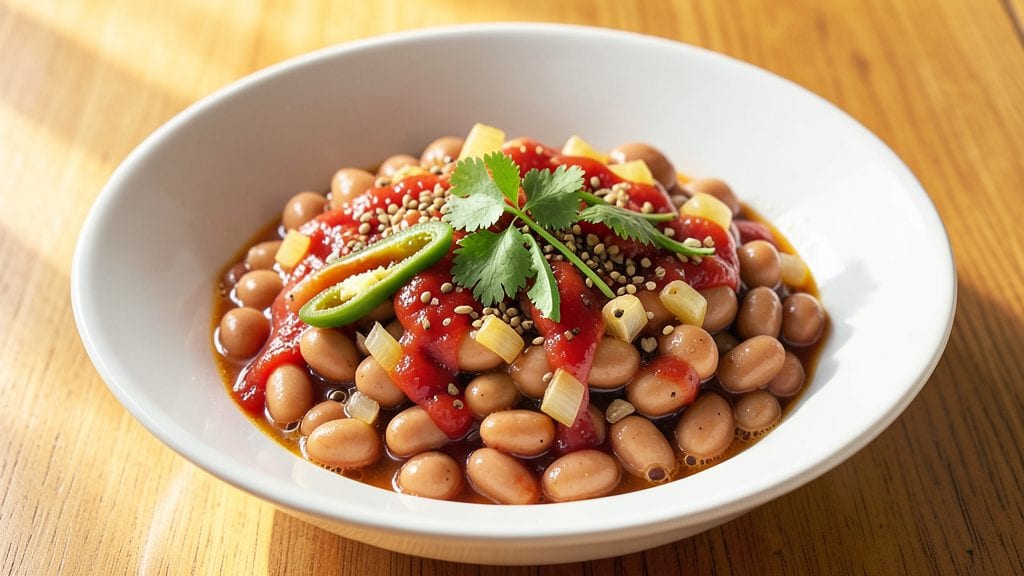
Dominican canned beans—habichuelas guisadas—transform simple ingredients into a rich, aromatic one-pot dish that’s the heart of every Dominican table. This recipe captures the soul of the island through sofrito, ajíes dulces, and fresh culantro, creating a savory stew that pairs perfectly with rice or mangú.
The slow simmer develops deep, layered flavors without requiring specialized techniques.
The secret lies in the sofrito base, where onions, garlic, and sweet peppers caramelize into a fragrant foundation. Ajíes dulces (sweet chili peppers) add a subtle heat, while fresh herbs like culantro brighten the dish.
Unlike store-bought versions, this recipe delivers authentic, restaurant-quality texture—firm yet tender beans in a velvety sauce—using just a pot, a stove, and 30 minutes of active time.
What you’ll end up with is a one-pot masterpiece—creamy, slightly spiced, and packed with Dominican flavor. The beans absorb the sofrito’s richness while maintaining their shape, creating a dish that’s both comforting and impressive.
Serve it alongside rice, plantains, or as a standalone vegetarian main. Here’s how to make it.
This recipe is designed to be foolproof and adaptable—whether you’re cooking for a family gathering or a weeknight meal. The slow simmer ensures the beans develop the perfect texture, while the aromatic spices create a dish that tastes like home.
Ready to bring Dominican comfort to your kitchen? Let’s get started.
Ingredients for dominican canned beans
The heart of Dominican cuisine begins with these fifteen ingredients—simple yet transformative.
| Ingredient | Amount | Notes |
|---|---|---|
| Canned Pink Beans 🌱 | 2 cans | 15 oz each, drained and rinsed |
| Yellow Onions 🧅 | 1 whole | Medium, finely diced |
| Garlic Cloves 🧄 | 4 cloves | Minced, fresh preferred |
| Ajíes Dulces 🌶️ | 2 whole | Sweet chili peppers, seeded and chopped |
| Fresh Culantro 🌿 | ½ cup | Stems removed, chopped |
| Tomato Paste 🍅 | 2 tbsp | Squeeze tube preferred |
| Olive Oil 🫒 | ¼ cup | Extra-virgin for richness |
| Vegetable Broth 💧 | 1 ½ cups | Low-sodium preferred |
| Cumin Seeds 🌿 | ½ tsp | Toasted for depth |
| Ground Cumin 🌿 | ½ tsp | Freshly ground preferred |
| Ground Coriander 🌿 | ½ tsp | Freshly ground preferred |
| Bay Leaves 🌿 | 2 whole | Dried, standard size |
| Salt 🧂 | 1 ½ tsp | Diamond Crystal preferred |
| Black Peppercorns 🌶️ | ¼ tsp | Freshly cracked |
| Lime Juice 🍋 | 1 tbsp | Freshly squeezed |
The ajíes dulces are non-negotiable for authentic flavor—look for them at Latin specialty markets or well-stocked grocery stores like Whole Foods. If unavailable, substitute 1-2 mild red bell peppers (seeds removed) for a similar sweetness. Fresh culantro elevates the dish; it’s the Dominican equivalent of cilantro but with a more citrusy bite. Trader Joe’s and Hispanic grocers often carry it fresh. For the beans, Goya or La Preferida brands deliver the classic texture, though any quality canned pink beans work. Toast the cumin seeds in a dry pan for 30 seconds before grinding—they’ll release their aromatic oils, deepening the sofrito’s complexity.
No ajíes dulces? Roasted red bell peppers from a jar work in a pinch (drain and chop), though they lack the subtle heat. Substitute ½ tsp smoked paprika for depth if needed. Fresh culantro unavailable? Cilantro at half the amount mimics the bright herbal note, though it’s not identical. The tomato paste can be swapped for 1 small diced tomato (peeled and seeded) for a fresher profile. For the broth, low-sodium is critical—salt the dish to taste at the end. Vegetable broth from Imagine or Pacific Foods brands offers the best flavor without excess sodium. The lime juice should be freshly squeezed; bottled versions lack the zesty punch.
Store the sofrito base (onions, garlic, peppers, and spices) in an airtight container for up to 5 days in the fridge or 3 months frozen. The completed beans reheat beautifully—simmer for 5-7 minutes on the stove or 2 minutes in the microwave. For meal prep, portion into containers with rice or plantains for 3-4 days of easy lunches. The dish tastes even better the next day as flavors meld. Freeze extras in 1-cup portions for quick weeknight meals.
Why You'll Love This Recipe
- No-Chop Nightmare: I swear, this is the only bean recipe where I actually look forward to the prep. Dice the onion? Nah—just slice it thick and let it caramelize. The ajíes dulces (those sweet peppers) add a gentle heat without the fuss of chopping, and the culantro? Toss it in whole if you’re lazy. It still tastes like a Dominican kitchen hugged it.
- Taste Like Home: That first bite of the beans—soft but not mushy, kissed by garlic and onion until they’re practically dancing—is what makes this worth it. The ajíes dulces bring a whisper of sweetness that cuts through the richness, while the culantro? It’s the secret weapon. One sniff and you’re back in your abuela’s kitchen, no matter where you are.
- Lunchbox Magic: Between us, this is my go-to for meal prep. Toss the beans into rice, wrap them in tortillas with avocado, or just eat them straight from the pot with a fork. They keep for days in the fridge, and honestly? The flavor gets better as it sits. Perfect for when you’re too tired to think but still need to eat.
- Budget Hero: A can of beans, a few onions, and some garlic—that’s it. No fancy ingredients, no last-minute grocery runs. And because it’s so cheap to make, I can feed my whole family without blinking. Plus, leftovers? They’re my emergency dinner when I’ve got nothing else. Reliable, filling, and still delicious cold.
Step-by-step instructions for Dominican canned beans
Here's the method—simple yet deeply flavorful, all in one pot.
Toast the Spices and Aromatics
Heat the 0.25 cup olive oil in a heavy-bottomed pot over medium heat. Add the 0.5 tsp cumin seeds and toast for 30 seconds until they release their nutty aroma and begin to sizzle. Immediately add the 1 whole yellow onions, 4 cloves garlic cloves, and 2 whole ajíes dulces, stirring constantly for 5 minutes until the onions soften and the garlic becomes fragrant.
This step develops the foundation of flavor—don't rush it. The cumin seeds should darken slightly, and the onions should release their sweetness. If they begin to brown too quickly, reduce heat to medium-low to prevent burning. The ajíes dulces will soften but retain a subtle sweetness that balances the dish.
Build the Base with Tomato Paste and Broth
Add the 2 tbsp tomato paste and stir vigorously for 1 minute to fully incorporate into the oil. Pour in the 1.5 cups vegetable broth, scraping up any browned bits from the bottom of the pot. Stir in the 0.5 tsp ground cumin, 0.5 tsp ground coriander, 1.5 tsp salt, and 0.25 tsp black peppercorns, ensuring all spices dissolve evenly.
Bring the mixture to a gentle simmer and cook uncovered for 10 minutes until slightly reduced. The sauce should thicken just enough to coat the back of a spoon. Here's where the flavors meld—taste and adjust seasoning if needed. The broth should now carry the deep, earthy notes of the spices and the sweetness of the ajíes dulces.
Simmer the Beans to Perfection
Add the 2 cans drained and rinsed canned pink beans and the 2 whole bay leaves to the pot. Stir gently to combine, then reduce heat to low and cover partially. Simmer for 20 minutes, stirring occasionally, until the beans are heated through and the liquid has reduced to a thick, glossy consistency. You'll notice the beans begin to absorb the flavors, softening slightly while retaining their shape.
Here's the thing—don't overcook the beans. They should be tender but still hold their structure. If the mixture seems too thick, add 2-3 tablespoons of water and simmer for an additional 5 minutes. The beans should be coated in a rich, aromatic sauce with a balance of sweet, spicy, and savory notes.
Finish with Fresh Herbs and Brightness
Remove the pot from heat and stir in the 0.5 cup chopped fresh culantro and 1 tbsp lime juice. Let the mixture sit for 5 minutes to allow the lime juice to brighten the flavors and the culantro to release its citrusy aroma. Discard the 2 whole bay leaves before serving.
The culantro adds a fresh, almost soapy brightness that cuts through the richness of the beans, while the lime juice ensures the dish finishes with a vibrant acidity. Taste again and adjust seasoning if necessary—this is your final opportunity to balance the flavors. The beans should now be infused with layers of Dominican comfort, ready to be served immediately.
Pro Tips For Making Dominican Canned Beans
- SOFTEN ONIONS FIRST: Crank the heat to medium and let those yellow onions sweat in oil for 5-7 minutes before adding anything else. I learned this the hard way—skipping this step means your beans will taste raw and bitter instead of sweet and caramelized.
- CHOP CULANTRO LAST: Fresh culantro bruises fast, so add it right at the end while the beans are still hot. Toss it in for 30 seconds max—just enough to wilt the leaves and release that bright, citrusy aroma without turning the pot into a sad, watery mess.
- DRAIN BEANS WELL: Rinse those canned pink beans thoroughly and drain them for 10 minutes before cooking. The extra starch clinging to them turns the sauce gluey fast, and nobody wants a thick, pasty bean stew when you’re going for that light, flavorful Dominican texture.
- USE WHOLE AJÍES DULCES: Don’t mince those ajíes dulces—leave them whole and let them simmer in the oil for 2-3 minutes first. This builds real depth in the flavor without overpowering the dish, and you’ll avoid that bitter aftertaste that comes from chopping them too fine or burning them.
Common mistakes when making your dominican canned beans
Skipping the Sofrito
If you rush the sofrito step, you’ll miss the dish’s soul—the deep, caramelized flavors from slow-cooked onions, garlic, and ajíes dulces.
I’ve seen people skip this or cook it too fast over high heat, resulting in a flat, one-dimensional flavor. Toast the cumin seeds first—this releases their aromatic oils, which are essential for that authentic Dominican taste. 🌶️
Overcooking the Beans
Dominican canned beans should be tender but still hold their shape—overcooking turns them mushy. I’ve had beginners simmer them for 30+ minutes, which ruins the texture. Once the beans are heated through (20 minutes total), they’re done.
If the sauce thickens too much, add 2-3 tablespoons of water instead of extra time. The beans will absorb the flavors without falling apart.
Ignoring the Bay Leaves
Bay leaves might seem optional, but they’re key for that subtle earthy depth. I’ve tasted versions without them, and the dish lacks complexity. Add them early and remove them before serving—don’t skip this step!
If you’re short on time, use ½ tsp dried bay leaf powder instead, but fresh leaves are best for authentic flavor.
Using Bottled Lime Juice
Fresh lime juice is non-negotiable—bottled versions lack brightness and often taste artificial. I’ve tried shortcuts, and they just don’t cut it. Squeeze your own lime for that zesty punch that balances the richness.
If you must use bottled, add ½ tsp extra lime zest to compensate, but it won’t be the same. 🍋
Not Adjusting Salt at the End
Many recipes call for salting early, but with canned beans, you risk oversalting the broth. Instead, taste the beans after simmering and adjust salt after adding the lime juice—this ensures the final dish is perfectly balanced.
I’ve ruined batches by salting too soon, only to realize the lime juice needed more salt later. Always taste last!
Using the Wrong Substitutes
If ajíes dulces aren’t available, red bell peppers are a poor substitute—they lack the subtle heat and sweetness. I’ve tried it, and the dish tastes bland. For culantro, cilantro won’t replicate the flavor, though it’s better than nothing.
Stick to the original ingredients when possible, or at least use smoked paprika for depth if substituting peppers. Authenticity matters!
Nutrition facts
Frequently asked questions
What makes Dominican canned beans different from other bean dishes?
The magic lies in the ajíes dulces (sweet chili peppers) and culantro—two ingredients that give this dish its signature bright, slightly spicy flavor. Unlike Mexican or Cuban beans, Dominican versions use a sofrito base with caramelized onions, garlic, and toasted cumin seeds for depth. The slow simmer creates a creamy yet firm texture that's uniquely Dominican.
Can I make this recipe without ajíes dulces?
Yes, but it won't taste exactly the same. Try 1-2 roasted red bell peppers (drained and chopped) for sweetness, plus ½ tsp smoked paprika for depth. For the culantro, cilantro works in a pinch (use half the amount), though it lacks the citrusy brightness. The dish will still be flavorful but more generic.
How long can I store leftovers, and how do I reheat them?
Store in an airtight container in the fridge for 4-5 days or freeze for 3 months. To reheat, simmer on the stove for 5-7 minutes with a splash of water to restore creaminess. Microwave reheating works too (2 minutes), but add a few drops of water first to prevent drying. The flavors actually improve overnight!
What's the best way to serve these beans?
This dish is a staple alongside white rice or mangú (mashed plantains). For a complete meal, add grilled chicken, shrimp, or tofu. In Dominican homes, it's often served with tostones (fried plantains) or a fresh ensalada de repollo (cabbage slaw). The beans also work as a hearty vegetarian main with crusty bread.
Why do some recipes call for cooking beans from scratch?
Many traditional recipes use dried beans for deeper flavor, but canned beans save 2+ hours of soaking time while delivering consistent results. The key is using high-quality canned pink beans (like Goya) and simmering them just until tender. For extra richness, mash a few beans into the sauce during cooking—this creates the classic creamy texture without dryness.