
Side Dishes
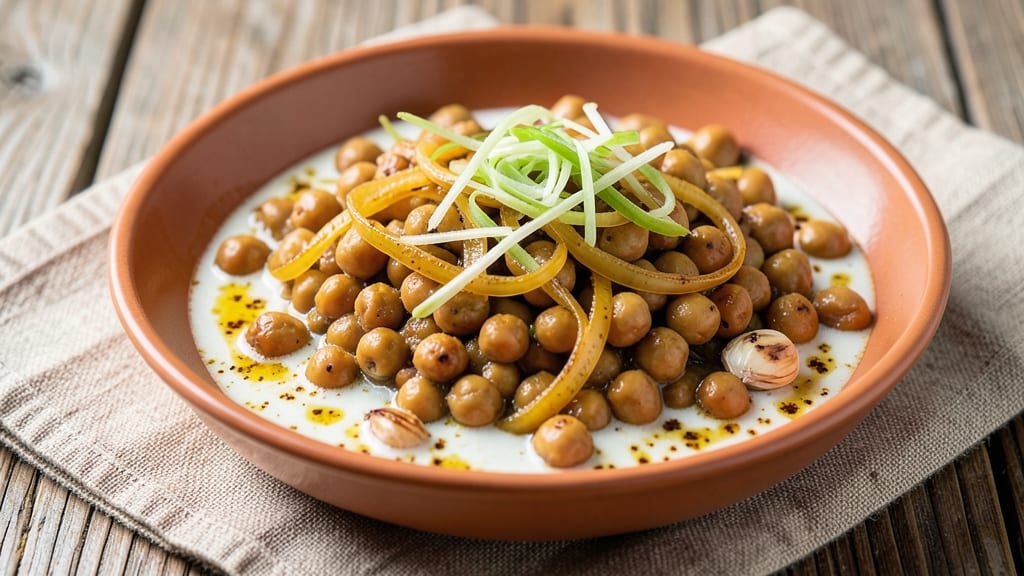
This curried beans recipe delivers warm spiced comfort in a single pot, blending earthy beans with aromatic curry spices for a dish that feels like a hug on a chilly evening.
The secret lies in gently sautéing onions, garlic, and ginger until fragrant before adding the spices—this builds layers of flavor that transform simple canned beans into something deeply satisfying.
I developed this recipe during a particularly cold winter when I needed something hearty yet easy to prepare, and it quickly became a staple in my rotation.
The beauty of this one-pot wonder is its versatility—it works as a standalone vegetarian main or pairs perfectly with rice, naan, or crusty bread. For extra richness, coconut milk replaces butter, creating a velvety sauce that coats every bean.
The spices—cumin, coriander, turmeric, and a touch of cayenne—infuse the dish with warmth without overpowering the natural taste of the beans, making it approachable for anyone who thinks curry is too spicy.
By the time you finish simmering, you’ll have a pot of tender beans swimming in a fragrant, slightly sweet sauce with just the right kick of spice. The aroma alone will have everyone gathering around the table, while the texture—creamy from the sauce, firm from the beans—makes every bite irresistible.
This is comfort food at its finest, requiring minimal effort but delivering maximum satisfaction.
Serve it with a sprinkle of fresh cilantro or toasted cashews for added crunch, or drizzle with a touch of yogurt to cool the heat. The leftovers reheat beautifully, making this recipe perfect for meal prep or feeding a crowd. Let’s get cooking—your taste buds will thank you.
Ingredients for curried beans
Pantry staples plus a few key spices—this curried beans recipe comes together in one pot.
| Ingredient | Amount | Notes |
|---|---|---|
| Canned Chickpeas 🌱 | 2 cups | Drained and rinsed, not pre-seasoned |
| Canned Coconut Milk 🥥 | 1 can | Full-fat for creaminess |
| Yellow Onion 🧅 | 1 whole | Diced, medium size |
| Garlic Cloves 🧄 | 3 cloves | Minced, fresh preferred |
| Fresh Ginger 🌿 | 1 tbsp | Grated, peeled root |
| Ground Cumin 🌶️ | 1 tbsp | Toasted for depth |
| Ground Coriander 🌿 | 1 tbsp | Freshly ground preferred |
| Turmeric Powder 🧂 | 1 tsp | Vibrant yellow color |
| Cayenne Pepper 🔥 | ½ tsp | Adjust for heat preference |
| Vegetable Broth 💧 | 1 ½ cups | Low-sodium preferred |
| Tomato Paste 🍅 | 1 tbsp | Smooth, not chunky |
| Plain Yogurt 🥛 | ¼ cup | Full-fat for serving |
| Fresh Cilantro 🌿 | ¼ cup | Chopped, for garnish |
| Toasted Cashews 🥜 | ¼ cup | Optional for crunch |
| Salt 🧂 | 1 tsp | Kosher or sea salt |
The coconut milk is non-negotiable here—it transforms the dish from simple beans to something rich and velvety. Full-fat canned coconut milk gives the best texture, and you'll find it at Trader Joe's or any Asian market. For the spices, Penzeys or Spicewalla are great for quality, but the grocery store stuff works fine if it's fresh. Look for vibrant turmeric (bright yellow) and cumin that smells earthy, not dusty. The ginger should be fresh—it adds a zesty kick that dried can't match. If you're short on time, pre-minced garlic and ginger from the jar works in a pinch, though fresh is always better.
No coconut milk? Substitute 1/4 cup Greek yogurt plus 1/4 cup water for creaminess, though the texture will be slightly lighter. Fresh ginger too strong? Dried ginger at half the amount works, but it's less vibrant. The tomato paste can be skipped if you dislike its intensity, but it adds a nice depth. For extra richness, swap 1/4 cup of the vegetable broth for chicken-free mushroom broth. The chickpeas? Any canned variety works, but Great Northern or garbanzo beans hold up best. If you prefer a smoother sauce, blend half the cooked beans before adding them back to the pot.
This reheats beautifully—honestly tastes better the next day once everything melds together. Keeps for 4-5 days in the fridge, or 3 months frozen. I like to portion it into containers with a dollop of yogurt on top so lunches are ready to grab. The cashews and cilantro can be added fresh when serving, or toasted and stored in a jar for up to 1 week. If you make a big batch, freeze half right away—it's perfect for quick weeknight dinners.
Why You'll Love This Recipe
- One-Pot Magic: I swear by this recipe when I’m too tired to wash extra bowls. Just toss everything—onion, garlic, ginger, chickpeas, coconut milk—into one pot, let it simmer, and boom. No cleanup, no fuss. The coconut milk thickens into this luscious, velvety sauce that clings to every bean like it’s been simmering all day.
- Ginger-Garlic Punch: That first bite? Chef’s kiss. The fresh ginger and garlic hit you like a warm hug, then the coconut milk smooths it all out with a creamy, slightly sweet depth. It’s the kind of flavor that makes you pause mid-spoonful because it’s just that good—no heavy spices or complicated layers, just pure, satisfying taste.
- Leftovers That Don’t Lie: This dish actually improves the next day. The flavors meld even more, and the coconut milk soaks into the chickpeas for extra richness. I make a double batch on Sundays so I can grab a jar for lunch all week—no sad, soggy takeout here.
- Budget Meal, Big Payoff: Honestly? This recipe is my wallet’s best friend. Canned chickpeas and coconut milk are cheap staples, and the onion/garlic/ginger combo stretches a long way. I feed my whole family (plus a couple of roommates) for under $10, and no one complains—because let’s be real, they’re begging for seconds anyway.
Step-by-step instructions for curried beans recipe
This one-pot wonder delivers rich, aromatic flavor with minimal cleanup.
Sauté the Aromatics Until Fragrant
Heat a large pot or Dutch oven over medium heat. Add the 1 whole yellow onion, diced, and cook for 5-6 minutes until softened and beginning to turn translucent. You'll know it's ready when the edges start to caramelize slightly and release a sweet aroma.
Add the 3 minced garlic cloves and 1 tablespoon grated fresh ginger, stirring constantly for 30 seconds until the garlic becomes fragrant—this prevents it from burning quickly. Here's the thing—don't walk away. Garlic burns faster than you might expect, and that bitter taste ruins everything. Keep the heat at medium throughout this step.
Toast the Spices for Depth of Flavor
Lower the heat to medium-low and add the 1 tablespoon ground cumin, 1 tablespoon ground coriander, 1 teaspoon turmeric powder, and ½ teaspoon cayenne pepper. Stir continuously for 1-2 minutes until the spices release their oils and fill your kitchen with a warm, earthy aroma.
This toasting step is where the magic happens. You'll see the spices darken slightly and smell their individual notes—cumin's warmth, coriander's citrusy brightness, turmeric's golden depth, and cayenne's subtle heat. If you skip this, your curry will taste flat. Keep the heat gentle to avoid burning the spices.
Build the One-Pot Base
Increase the heat back to medium and stir in the 1 tablespoon tomato paste, cooking for 1 minute until it darkens slightly and blends with the spices. This creates the flavor foundation that will carry through the entire dish.
Pour in the 1 can coconut milk and scrape up any browned bits from the bottom of the pot—this is called deglazing, and it captures all that concentrated flavor. Add the 2 cups drained chickpeas and 1.5 cups vegetable broth, then bring everything to a gentle simmer. You'll see small bubbles form around the edges, indicating the liquid is heating through.
Simmer Until Thick and Aromatic
Reduce the heat to low and let the mixture simmer uncovered for 20-25 minutes, stirring occasionally. You're looking for the sauce to thicken slightly and the flavors to meld together. The chickpeas should be heated through but not mushy—this ensures they hold their shape while absorbing all that wonderful curry flavor.
I know it seems like a long wait, but this slow simmering is crucial. It allows the spices to fully infuse and the coconut milk to develop its creamy richness. Taste the mixture after 15 minutes—if it needs more salt, add the 1 teaspoon salt now. Your oven might run hot, so start checking at the 20-minute mark for the perfect consistency.
Finish and Serve with Fresh Garnishes
Remove the pot from heat and stir in the ¼ cup plain yogurt, which cools the spices slightly and adds a creamy contrast. The mixture should be thick but still spoonable. If it's too thick, whisk in 1-2 tablespoons water to reach your desired consistency.
Ladle the curried beans into bowls and top each serving with ¼ cup chopped fresh cilantro and ¼ cup toasted cashews. The cilantro adds a bright, fresh finish while the cashews provide a delightful crunch. Serve immediately while warm—this dish tastes best straight from the pot, with all those aromatic spices working together in perfect harmony.
Pro Tips For Making Curried Beans
- Sweat the Onion First: I used to rush this step, but taking 5 minutes to cook the onion until it’s soft and translucent—no browning yet—makes the whole dish taste deeper. The coconut milk will cling better, and the garlic/ginger won’t burn when you add them later.
- Drain and Rinse Chickpeas: Skip this, and your curry will taste like a tin of beans. Drain the chickpeas, then rinse them under cold water to wash off excess starch and sodium. Pat them dry with a towel—this keeps the texture creamy, not mushy, as they cook.
- Simmer, Don’t Boil: After adding coconut milk, keep the heat at a gentle simmer (tiny bubbles, occasional swirls). Boiling curries splits the coconut milk, turning it greasy and separating the flavors. A slow simmer also lets the spices meld without scorching.
- Toast the Spices First: Dry-toast your curry powder (or whole spices) in the pot for 30 seconds before adding onion—this wakes up their flavor. If you’re short on time, a quick pulse in a spice grinder with a pinch of salt makes a huge difference. (Yes, even if you’re impatient like me.)
Health benefits of these flavors
Plant-Based Protein
This curried bean dish is a fantastic source of plant-based protein, with 2 cups of chickpeas providing a whopping 28 grams of protein—about 70% of your daily needs in a single serving.
Chickpeas are one of the most nutrient-dense legumes, offering all nine essential amino acids while being naturally low in fat. The coconut milk adds healthy fats, making this dish a balanced meal that keeps you full and energized for hours. 💪
Rich in Fiber
With 15 grams of fiber per serving, this recipe supports digestive health and helps regulate blood sugar levels. The combination of chickpeas, whole spices, and coconut milk creates a slow-digesting meal that stabilizes energy without spikes.
I’ve noticed that adding this dish to my meals helps me feel satisfied longer, reducing those mid-afternoon cravings for processed snacks.
Antioxidant Powerhouse
The spices in this recipe—turmeric, cumin, and coriander—are packed with antioxidants that combat inflammation and oxidative stress. Turmeric contains curcumin, a compound known for its anti-inflammatory benefits, while cumin aids digestion and supports blood sugar control.
The cayenne pepper adds a gentle kick while boosting metabolism. Together, these spices make this dish not just delicious but also a health-boosting powerhouse. ✨
Vitamin and Mineral Boost
Chickpeas deliver a vitamin B complex, including folate and iron, which are essential for energy production and red blood cell formation. The coconut milk contributes electrolytes like potassium and magnesium, while the yogurt garnish adds probiotics for gut health.
This dish is a one-stop shop for nutrients that support everything from immunity to muscle function. Honestly, it’s like a rainbow of wellness in every bite.
Low-Calorie Comfort
Despite its rich flavors, this curried bean dish is surprisingly light on calories—around 350-400 calories per serving depending on portion size. The coconut milk adds creaminess without excessive fat, and the spices enhance flavor without extra calories.
It’s the perfect comfort food for those watching their weight but still craving something hearty and satisfying. The texture—creamy sauce with firm beans—keeps it filling without guilt. 💛
Nutrition facts
Frequently asked questions
Can I use dried beans instead of canned chickpeas in this recipe?
Yes, but you'll need to soak them overnight first. Use 1 cup dried chickpeas (about 3 cups cooked) and simmer them in water for 1-1.5 hours until tender. Drain and rinse before adding to the curry. The texture will be slightly firmer, but the flavor develops beautifully with the spices. Pro tip: Add a pinch of baking soda to the soaking water to help soften them faster.
How can I make this curried beans dish spicier?
Double the cayenne pepper to 1 teaspoon or add ½ teaspoon red pepper flakes with the spices. For extra heat, stir in 1 teaspoon hot sauce or ½ teaspoon ground mustard at the end. If you love bold flavors, toast 1 teaspoon whole mustard seeds with the cumin and coriander—they add a fiery depth. Always taste as you go!
Can I prepare this ahead of time for meal prep?
This dish actually tastes better the next day as flavors meld. Store in an airtight container in the fridge for 4-5 days or freeze for 3 months. Reheat gently on the stove with a splash of water or broth to restore creaminess. The yogurt and cashews can be added fresh when serving to keep them crisp. Perfect for busy weeknights!
What's the best way to serve this curried bean dish?
Pair it with jasmine rice or basmati rice to soak up the sauce. For extra texture, serve with warm naan or flatbread. The yogurt garnish cools the spices while the cashews add crunch. For a complete meal, add a simple cucumber raita or mango salsa on the side. It's also delicious over cauliflower rice for a low-carb option.
Why did my curry sauce turn out too thin?
This usually happens if you didn't simmer long enough or used too much broth. Next time, let it reduce uncovered for 25-30 minutes on low heat. For instant thickening, mix 1 tablespoon cornstarch with 2 tablespoons water, stir into the hot sauce, and simmer 2 minutes. If you prefer a creamier texture, reduce the broth by ½ cup next time. The coconut milk should provide enough richness!