
Side Dishes
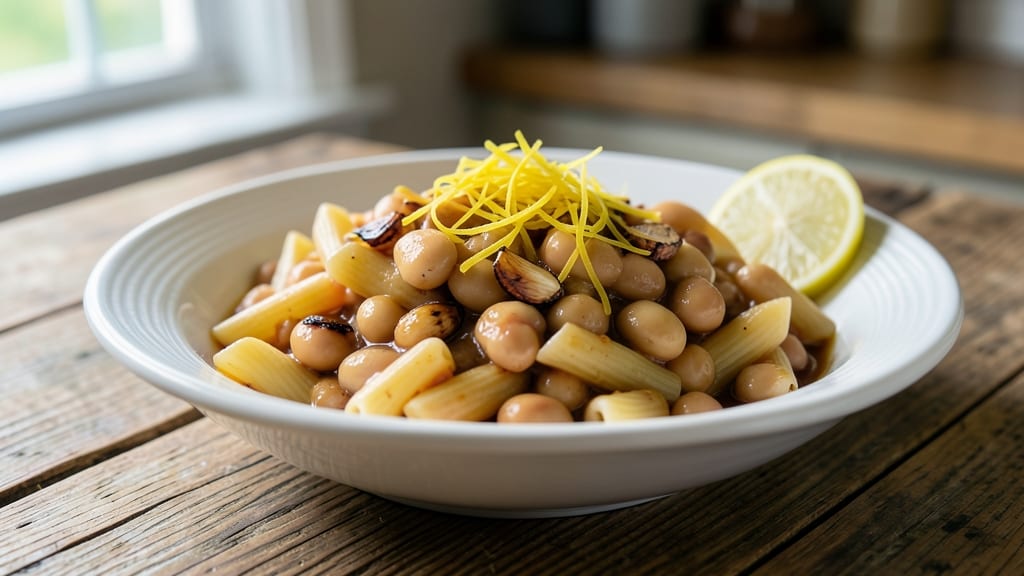
Transforming canned Romano beans into a garlicky, lemon-zest pasta side proves you don’t need fresh ingredients to create restaurant-quality flavor. With just 15 minutes of prep, this recipe delivers a bright, herby dish that elevates any meal—no fancy technique required.
I developed it during a particularly busy week when I needed a fast yet impressive side dish that still felt special.
The secret lies in the balance of acidity and aroma: fresh lemon zest brightens the beans, while garlic and olive oil create a savory foundation. The beans cook down into a tender, slightly creamy texture that clings perfectly to pasta, making every bite flavorful.
This dish is vegetarian-friendly, protein-rich, and works equally well as a side or light main course.
By the end, you’ll have a vibrant, aromatic pasta dish with tender beans, crisp garlic notes, and a zesty finish that lingers on the palate. The best part?
It’s ready in under 15 minutes, with no chopping or soaking required. Serve alongside grilled chicken, roasted vegetables, or even as a standalone meal with crusty bread.
For extra depth, finish with a sprinkle of fresh parsley or red pepper flakes, and store leftovers in the fridge for up to 3 days. This recipe proves canned beans can be just as versatile—and delicious—as their fresh counterparts. Let’s make it!
Ingredients for canned romano beans
Canned beans, garlic, lemon, and pasta—simple ingredients for a restaurant-worthy side.
| Ingredient | Amount | Notes |
|---|---|---|
| Canned Romano Beans 🌾 | 15 oz | Drained and rinsed thoroughly |
| Extra-Virgin Olive Oil 🫒 | ¼ cup | High quality, fruity variety |
| Garlic Cloves 🧄 | 4 cloves | Freshly minced, not pre-minced |
| Fresh Lemon 🍋 | 1 whole | Zest only, no pith |
| Vegetable Broth 💧 | ½ cup | Low-sodium preferred |
| Pasta 🍝 | 8 oz | Any short shape like penne |
| Fresh Parsley 🌿 | ¼ cup | Chopped, for garnish |
| Red Pepper Flakes 🌶️ | ½ tsp | Adjust for heat preference |
| Sea Salt 🧂 | 1 ½ tsp | Kosher or fine grain |
| Black Pepper 🌶️ | ½ tsp | Freshly ground preferred |
| Dried Oregano 🍃 | ½ tsp | Italian variety if available |
| Grated Parmesan Cheese 🧀 | ¼ cup | Freshly grated from block |
Romano beans are the star here, so grab the 15-ounce canned variety—it’s perfect for this recipe. Trader Joe's and Whole Foods carry good brands like La Valle or Mutti, but any canned Romano works. The key is rinsing them well to remove excess sodium. Fresh garlic is non-negotiable—pre-minced loses its punch fast. I always buy a head and mince it myself, but if you're in a rush, use the fresh stuff from the jar (just add a pinch more salt). The lemon zest? Organic lemons from the store have brighter flavor—skip the conventional ones if they're waxy.
No fresh parsley? Dried works at half the amount, but it won’t have that fresh pop. Short on garlic? Garlic powder at half the amount gets you close, but you’ll lose that aromatic depth. Using whole wheat pasta? Add 1 extra minute to cooking time—it’s denser. The vegetable broth can be swapped for water in a pinch, but low-sodium is key—you don’t want to over-salt the dish. Red pepper flakes are optional, but I always keep them on hand for a little kick. If you’re serving this as a main, bump up the beans to 2 cans and add a handful of cherry tomatoes for extra texture.
This dish reheats beautifully—just toss with a splash of water and warm through. Keeps in the fridge for 3 days sealed in an airtight container. For extra flavor the next day, add a drizzle of olive oil before reheating. The pasta and beans taste even better after sitting overnight as the flavors meld. Portion into containers with a sprinkle of Parmesan on top—lunches sorted for the week. Freezes for 2 months, though the texture gets a little softer after thawing.
Why You'll Love This Recipe
- Same recipe, endless uses: toss with pasta for a quick dinner, serve over toast for brunch, or pack it in a jar for a picnic. My roommates still ask where I got this trick—it’s my secret weapon for lazy days and big gatherings.
- No-Chop Necessary: I swear by this one—just drain the beans, toss them in a pan with olive oil and garlic, and let the heat do the work. The canned beans are pre-cooked, so you’re basically cheating the system (in the best way).
- Garlic-Lemon Magic: That bright lemon zest cutting through the rich olive oil and tender beans? It’s like a flavor explosion with zero effort. Honestly, I’ve tried fancy beans before, but this combo is the real MVP.
- Weeknight to Potluck: Same recipe, endless uses: toss with pasta for a quick dinner, serve over toast for brunch, or pack it in a jar for a picnic. My roommates still ask where I got this trick—it’s my secret weapon for lazy days and big gatherings.
Step-by-step instructions for garlicky, lemon-zest pasta side
Here's how to transform canned beans into a bright, flavorful pasta side in record time.
Cook the Pasta Al Dente
Bring a large pot of water to a rolling boil and add the 8 oz pasta. Stir immediately to prevent sticking. Cook until 1 minute before the package directions specify for al dente—this ensures perfect texture when finished with the beans. Reserve ½ cup pasta water before draining, as we'll use it to create a silky sauce later.
Here's the thing—don't rinse the pasta after draining. That starchy water is pure gold for creating the creamy texture in this dish. I like to give it a quick shake in the colander to remove excess water, but leave those starches intact. They'll help bind everything together beautifully.
Sauté Garlic in Olive Oil Until Fragrant
While the pasta cooks, heat the 0.25 cup extra-virgin olive oil in a large skillet over medium heat. Add the 4 cloves freshly minced garlic and sauté for 2-3 minutes until golden and fragrant—not browned. Watch it carefully; garlic burns faster than you think.
This is where the magic starts. The garlic should smell incredible, filling your kitchen with that fresh, pungent aroma. If you notice any brown spots developing, remove the pan from heat immediately. We want sweet, fragrant garlic, not bitter burnt bits. The oil should be shimmering but not smoking.
Add Beans, Broth, and Seasonings
Drain the pasta and add it directly to the skillet with the garlic oil. Stir to coat the pasta in the fragrant oil. Add the 15 oz drained canned romano beans, 0.5 cup vegetable broth, 0.5 tsp dried oregano, 0.5 tsp red pepper flakes, 1.5 tsp sea salt, and 0.5 tsp black pepper. Stir everything together and let it simmer for 3-4 minutes until heated through.
Taste the mixture now—this is your chance to adjust seasoning. If it needs more brightness, add a pinch of salt. For more heat, add a tiny bit more red pepper flakes. The beans should be warm all the way through, and the pasta should be perfectly al dente. If the mixture looks too dry, add a splash of the reserved pasta water to loosen it up.
Finish with Lemon Zest and Fresh Parsley
Use a microplane to zest the 1 whole fresh lemon, scraping only the yellow portion (avoid the bitter white pith). Add the zest to the skillet and stir for 1 minute to infuse the bright citrus flavor. Then add the 0.25 cup chopped fresh parsley and stir again. The parsley will add freshness that balances the richness of the beans and pasta.
Taste again—you should notice the bright lemon notes cutting through the garlicky, savory flavors. The parsley adds a fresh finish that makes this dish feel restaurant-quality. If you have any lemon juice left after zesting, squeeze in 1-2 teaspoons for extra brightness, but don't overdo it—the zest is enough for this dish.
Toss with Parmesan and Serve Immediately
Remove the skillet from heat and stir in the 0.25 cup freshly grated parmesan cheese. The cheese will melt slightly from the residual heat, creating a creamy coating. If the mixture seems too thick, add 1-2 tablespoons of pasta water to reach your desired consistency. Taste one last time and adjust seasoning if needed.
Serve immediately while everything is hot. The pasta should be perfectly al dente with tender beans, and the sauce should cling beautifully to each strand. Garnish with additional parsley if desired. This dish tastes best fresh off the heat, so don't let it sit too long before serving.
Pro Tips For Making Canned Romano Beans
- Drain and Rinse Beans: I learned this the hard way—those canned Romano beans come packed in salty brine. Drain them, then rinse under cold water for 10 seconds to cut the saltiness before cooking. Trust me, your dish won’t taste like a pickle jar if you do this.
- Sauté Garlic Low and Slow: After burning three batches of garlic, I finally figured out: medium-low heat is your friend. Add the minced cloves to the olive oil and let them bubble gently for 1-2 minutes—golden, not brown. Overcooking turns them bitter, and nobody wants that in a bright, fresh bean dish.
- Zest the Lemon First: Skip the juice until the end—zesting the lemon first adds a bright, aromatic layer that disappears if you wait. Use a microplane and rub the zest directly into the oil while the garlic cooks. It’s the thing that makes the dish smell like summer in a pan.
- Deglaze with Broth: Don’t just dump the vegetable broth in—after the garlic and lemon have cooked, pour in just enough broth to scrape up the browned bits from the bottom of the pan. Those bits pack flavor, and you’re basically making a quick sauce. (Yes, even if you’re impatient like me.)
Troubleshooting great canned romano beans
Mushy Beans Fix
If your beans turn out mushy, it’s likely from overcooking or using beans that were too soft to begin with. Always use firm canned Romano beans—avoid dented cans or those with swollen tops, as they may contain older beans.
When simmering, keep the heat at medium-low for just 3-4 minutes—no longer. If you’re using pre-cooked beans, skip adding extra liquid; they’ll release moisture as they warm. 💡
Sauce Too Thin?
If your sauce separates or looks too thin, it’s usually from insufficient starch or over-diluting with broth. First, try adding 1-2 tablespoons of reserved pasta water to loosen the mixture. For extra creaminess, mash 2-3 beans with a fork to thicken the sauce naturally.
If needed, stir in 1 teaspoon of cornstarch mixed with 1 tablespoon cold water—simmer for 1 minute until thickened. Avoid over-stirring, which can break the beans further.
Garlic Burns Too Fast
Garlic burns quickly, especially in hot oil. To prevent this, use freshly minced garlic (not pre-minced) and keep the heat at medium-low. If you see brown spots forming, immediately remove the pan from heat and let the garlic cool for 30 seconds before continuing.
For extra insurance, add the garlic to the cold oil and turn the heat to medium-low—this gradual warm-up prevents burning. 🔥
Lemon Zest Not Bright Enough
If your lemon zest lacks brightness, it’s often because the lemons weren’t fresh or you included the pith. Always use organic lemons—they have thicker, more flavorful zest. Avoid the white pith, as it’s bitter. For extra zing, add 1 teaspoon of fresh lemon juice after zesting.
If your zest tastes dull, try microwaving the lemon for 10 seconds before zesting—this intensifies the flavor. Store-bought lemons often lack vibrancy, so opt for local or seasonal ones when possible.
Pasta Overcooked or Gummy
Overcooked pasta ruins the texture of this dish. Cook your pasta 1 minute less than the package suggests, then finish it in the skillet with the beans. For gummy pasta, ensure your water is boiling vigorously before adding it—this prevents uneven cooking.
If using whole wheat pasta, add 1 extra minute to the cooking time, as it’s denser. Always taste-test a piece before draining to confirm al dente texture. 🍝
Excessive Saltiness
Canned beans can be surprisingly salty, especially if using high-sodium brands. To balance this, rinse the beans thoroughly under cold water before using. If the dish still tastes too salty, add 1-2 tablespoons of reserved pasta water to dilute the flavor.
For a brighter taste, squeeze in 1 extra lemon wedge or add 1 teaspoon of apple cider vinegar—both help cut through excess salt. Avoid adding more water, as it can dilute the flavors too much.
Nutrition facts
Frequently asked questions
Can I substitute fresh Romano beans for canned in this recipe?
Fresh Romano beans require 1-2 hours of soaking and 45-60 minutes of simmering to soften properly. Since canned beans are pre-cooked, they save time and maintain consistent texture. If using fresh, reduce the broth to ¼ cup and simmer for 5-7 minutes after adding to the pasta. The flavor will be slightly earthier but equally delicious!
How do I store leftovers to maintain the best texture?
Store in an airtight container in the fridge for up to 3 days. The pasta and beans actually taste better the next day as flavors meld! Reheat with a splash of water or broth to restore creaminess. For freezing, portion into single servings and freeze for 2 months—thaw overnight in the fridge before reheating.
What's the best pasta shape for this dish?
Short shapes like penne, fusilli, or farfalle work best—they trap the bean and sauce beautifully. Avoid long strands like spaghetti, which can get tangled. Whole wheat pasta adds fiber but needs 1 extra minute of cooking time to reach al dente.
Can I make this recipe without lemon?
<
Yes! Swap the zest for 1 teaspoon of orange zest or ½ teaspoon of ground coriander for warmth. For acidity, add 1 tablespoon of white wine vinegar or ½ teaspoon of Dijon mustard. The dish will still be flavorful—just slightly different in profile. The lemon zest adds that signature brightness that's hard to replicate!
Why do my beans sometimes turn out mushy?
This usually happens from overcooking or using soft canned beans. Always check can labels for firmness—avoid dented cans. Simmer for only 3-4 minutes after adding to the pasta, and keep heat at medium-low. If using pre-cooked beans, skip extra liquid—they'll release moisture as they warm.