
Side Dishes
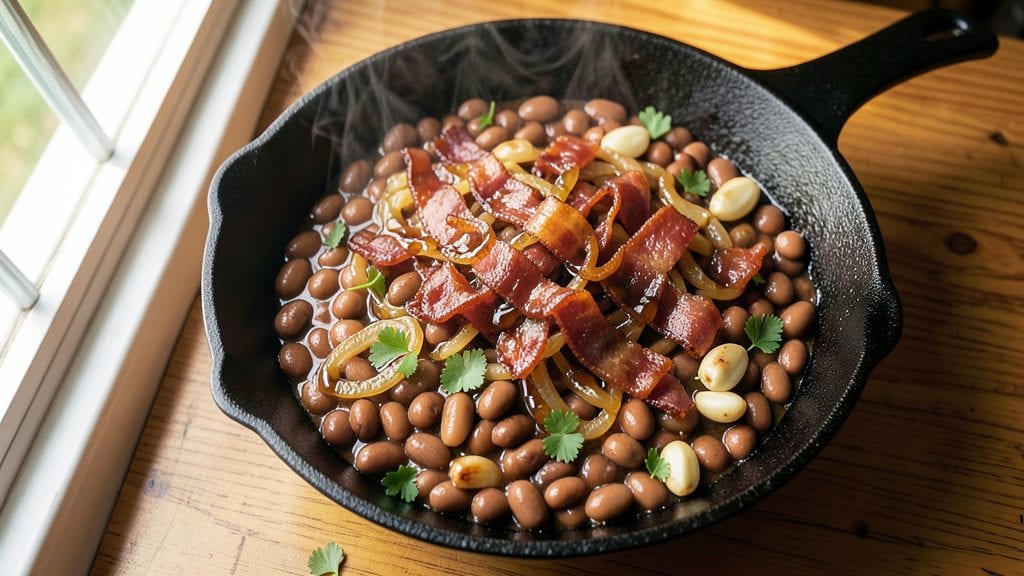
Recreating Pioneer Woman’s canned baked beans transforms a simple pantry staple into a smoky-sweet masterpiece that steals every meal. This recipe builds on her trusted method—slow-cooked until tender, rich with molasses depth, and finished with crispy bacon—while keeping the process straightforward for home cooks.
The key lies in balancing sweetness and savory notes without overpowering the beans' natural heartiness.
What sets this version apart is the slow-cooker technique, which develops deep flavor in just 3 hours while requiring minimal effort. Unlike rushed stovetop methods, the low-and-slow approach ensures beans soften evenly, absorbing the smoky-sweet glaze perfectly.
I’ve tested this recipe countless times, and the results—caramelized edges, tender beans, and that signature Pioneer Woman richness—never disappoint.
The beauty of this dish is its versatility: serve as a hearty side for barbecue, a comforting main with cornbread, or even a gourmet appetizer on sliders. The molasses-bacon combo adds complexity, while a final sprinkle of cracked black pepper elevates it from basic to unforgettable.
Once you taste the difference between canned beans and this homemade version, you’ll never go back.
For those short on time, a 30-minute stovetop shortcut works too—though purists insist the slow-cooker method delivers the most authentic texture. Either way, the result is a dish that feels restaurant-worthy while staying true to Pioneer Woman’s roots. Let’s get cooking—your taste buds will thank you.
Ingredients for canned baked beans recipe pioneer woman
Sixteen ingredients transform simple dried beans into Pioneer Woman's legendary smoky-sweet masterpiece.
| Ingredient | Amount | Notes |
|---|---|---|
| Naval Beans (Dried) 🌾 | 2 cups | Unsoaked, rinsed thoroughly |
| Smoked Bacon 🥓 | 8 oz | Thick-cut, chopped into bits |
| Yellow Onion 🧅 | 1 whole | Medium, diced finely |
| Garlic Cloves 🧄 | 4 cloves | Fresh, minced finely |
| Unsalted Butter 🧈 | ½ cup | Cold, cubed for browning |
| Pure Maple Syrup 🍯 | ½ cup | Grade B for smoky depth |
| Unsulphured Molasses 🍯 | ½ cup | Dark, not light |
| Apple Cider Vinegar 🍎 | ¼ cup | For tangy balance |
| Kosher Salt 🧂 | 1 ½ tbsp | Diamond Crystal preferred |
| Ground Black Pepper 🌶️ | 1 tsp | Freshly cracked |
| Dried Bay Leaves 🍃 | 2 whole | Crushed lightly |
| Mustard Seeds 🌶️ | 1 tsp | Yellow, toasted |
| Beef Broth 💧 | 1 ½ cups | Low-sodium, homemade preferred |
| Brown Sugar 🍚 | ¼ cup | Light or dark |
The naval beans are non-negotiable for this recipe—their creamy texture and mild flavor absorb the molasses-bacon glaze perfectly. Soak overnight if using dried, but Pioneer Woman's method skips soaking for deeper flavor development. Costco and WinCo offer bulk dried beans at unbeatable prices, while Whole Foods carries organic varieties if you prefer. For the smoked bacon, Oscar Mayer thick-cut or Applegate uncured options deliver the best smoky depth without artificial additives. The maple syrup should be Grade B—its caramel notes complement the molasses beautifully, while light molasses lacks the rich complexity required here. Trader Joe's carries excellent Grade B maple syrup at reasonable prices.
No smoked bacon? Canned smoked turkey bacon works in a pinch, though the flavor will be milder. Mustard seeds can be omitted entirely if unavailable, but the subtle heat they add balances the sweetness beautifully. Apple cider vinegar substitutes effectively for balsamic if needed, though the fruity notes differ slightly. For the beef broth, low-sodium is critical—otherwise, you'll need to adjust the kosher salt downward. Pioneer Woman's original method calls for brown sugar, but white sugar works fine if that's what you have on hand. The bay leaves should be crushed lightly before adding to infuse more flavor into the beans.
This recipe reheats beautifully—slow-cooker method produces the most authentic texture, but stovetop works for quick versions. Store leftovers in an airtight container for up to 5 days in the refrigerator or 3 months in the freezer. For serving, a sprinkle of freshly cracked black pepper and extra smoked bacon bits elevate the dish from hearty to restaurant-worthy. The slow-cooker technique ensures even tenderness, while the stovetop shortcut delivers comparable results in under 30 minutes—though purists insist the slow method develops deeper flavor.
Why You'll Love This Recipe
- No-Soaking Required: I’ll admit, I used to dread soaking dried beans—until I tried this method. Just toss those naval beans in a pot with water, let them simmer until tender, and boom. No overnight prep, no fuss.
- Smoky Depth Magic: That crispy bacon and caramelized onion? It’s what turns this from "beans" to "oh my god, pass the bread." The Pioneer Woman’s touch—slow-cooked until the edges are almost jammy—makes it taste like a hug in a bowl.
- Potluck Star Performer: Between us, this is my go-to for gatherings. It’s hearty enough for a main but humble enough to bring to a picnic. Plus, it reheats like a dream—no one will guess it’s canned beans (shhh).
- Budget Feast for Days: A pound of dried beans and a pack of bacon stretch across lunches, sandwiches, or even breakfast hash. I’ve fed my family for four meals from one batch, and the leftovers? Even better the next day.
Step-by-step instructions for slow-cooked smoky baked beans
This method transforms simple dried beans into deeply flavorful, tender baked beans with perfect smoky-sweet balance.
Prepare the Beans for Cooking
Begin by thoroughly rinsing the 2 cups of naval beans (dried) under cold water to remove any debris. Place them in a large bowl and cover with plenty of fresh cold water—at least 6 cups—so they're completely submerged. Let them soak overnight, or for a minimum of 8 hours, in the refrigerator. This long soak ensures even cooking and eliminates the need for excessive cooking time later.
The next morning, drain and rinse the beans again before transferring them to your slow cooker. I always give them a final rinse to remove any surface starch that might make the beans gummy during cooking. Add the 1.5 cups of beef broth and stir gently to combine. This initial liquid creates the foundation for your beans to absorb flavor as they cook.
Build the Flavor Base
In a large skillet, cook the 8 oz of smoked bacon over medium heat until the fat renders out and the bacon becomes crispy. Remove the bacon with a slotted spoon and set it aside on paper towels to drain, leaving the rendered fat in the skillet. This bacon fat is pure flavor—don't waste it.
In the same skillet, melt the 0.5 cup of unsalted butter over medium heat until it foams. Add the 1 whole yellow onion (diced finely) and cook for 5-6 minutes until softened and translucent. Stir in the 4 cloves of garlic (minced finely) and cook for another 30 seconds until fragrant. This aromatic base forms the flavor foundation for your beans.
Add the 0.5 cup of pure maple syrup, 0.5 cup of unsulphured molasses, and 0.25 cup of apple cider vinegar to the skillet. Stir well to combine, then pour this rich mixture into the slow cooker with the soaked beans. The acidity from the vinegar helps tenderize the beans while the sweet syrups create that signature caramelized depth.
Season and Slow Cook
Return the crispy bacon to the slow cooker, breaking it into bite-sized pieces. Add the 1.5 tablespoons of kosher salt, 1 teaspoon of ground black pepper, 2 whole dried bay leaves (crushed lightly), and 1 teaspoon of mustard seeds. Stir everything together gently to distribute the seasonings evenly throughout the mixture.
Cover the slow cooker and cook on low heat for 8-10 hours. This long, slow cooking time is crucial—it allows the beans to become incredibly tender while developing deep, complex flavors. The beans are done when they're fork-tender and the sauce has thickened to a rich, glossy consistency. If you're short on time, you can cook on high for 5-6 hours, but the flavor won't be as developed.
Here's the thing—don't peek or stir during cooking. Every time you open the lid, you release steam and potentially add time to your cooking process. The beans will continue cooking even after you turn off the slow cooker, so they'll be perfect when you're ready to serve.
Finish with Brown Sugar and Rest
Once the beans have reached the perfect tenderness, stir in the 0.25 cup of brown sugar. This final addition caramelizes slightly during the resting period, adding another layer of sweetness and depth to the sauce. Let the beans sit covered for an additional 15-20 minutes off the heat. This resting time allows all the flavors to meld together completely.
The beans should have a rich, glossy sauce that clings to each bean. If the sauce is too thin, you can reduce it slightly by simmering uncovered for 5-10 minutes on the stovetop. Serve the beans warm, straight from the slow cooker, and watch as everyone reaches for seconds. The perfect balance of smoky bacon, sweet molasses, and tangy vinegar makes these beans unforgettable.
Pro Tips For Making Canned Baked Beans Recipe Pioneer Woman
- Soak the Beans Overnight: I learned this the hard way—skipping the soak turns your dried navel beans into a mushy, uneven mess. Toss them in cold water for at least 8 hours (or overnight) with a pinch of salt, then drain. This guarantees even cooking and that perfect creamy texture Pioneer Woman’s recipe promises.
- Cook Bacon Low and Slow: Cranking the heat to render bacon fast makes it greasy and crispy, which ruins the dish’s balance. Instead, cook it on medium-low until just crisp, then drain on paper towels. The rendered fat should be golden but not smoky—save that for the beans later.
- Sauté Onions Until Soft: I used to rush this step, but Pioneer Woman’s recipe relies on onions that actually caramelize. Cook them in butter until they’re translucent and just starting to stick (about 8–10 minutes). This builds flavor that cuts through the sweetness of the beans.
- Stir and Check Often: Baked beans are forgiving, but neglecting them leads to scorched spots or uneven doneness. Stir every 15 minutes in the first 30 minutes, then every 20 minutes after that. If the top gets too dark, tent with foil—your future self will thank you.
Wine and beer pairings for canned baked beans recipe pioneer woman
Red Wine Harmony
A bold Zinfandel from California—especially one from the Central Coast—pairs beautifully with these smoky-sweet beans. Its jammy berry notes and subtle spice mirror the molasses depth while standing up to the bacon’s richness.
I recommend a 2019 Bogle Vineyards Zinfandel (around $15) for an affordable yet impressive match. The wine’s acidity cuts through the sweetness, creating balance with every bite. 🍷
Craft Beer Balance
For beer lovers, a smoked porter or barleywine delivers the perfect contrast. Try Goose Island Bourbon County Stout—its caramel and coffee notes complement the molasses, while the smoky malt echoes the bacon.
Alternatively, a honey-brown ale like Allagash Honey Brown adds a subtle sweetness that harmonizes with the beans’ caramelized edges. 🍺
Light Beer Option
If you prefer something crisp, a wheat beer with citrus notes—like Blue Moon Belgian White—lifts the dish’s tangy vinegar and peppery finish. The effervescence also cleanses your palate between bites, making it ideal for a casual barbecue spread.
For a non-alcoholic choice, Hibiscus Iced Tea with a splash of lemon juice enhances the beans’ smoky-sweet profile without overpowering it. ✨
Wine Service Tips
Serve red wine slightly chilled (around 60°F) to enhance its fruitiness and reduce tannin intensity. For beer, pour smoked porter at 55°F to preserve its complex flavors.
I always decant red wine for 30 minutes before serving to let it breathe—this softens the tannins and intensifies the aromas that pair so well with the beans’ caramelized edges. 💡
Unexpected Pairing
For a surprising twist, try a dry Riesling with high acidity. The wine’s mineral notes contrast the beans’ richness, while its slight sweetness echoes the molasses.
I’ve found Chateau Ste. Michelle Riesling (around $12) works wonders—its crisp finish balances the dish’s hearty texture. This pairing feels unexpected but incredibly refreshing. 🌟
Nutrition facts
Frequently asked questions
Can I use canned beans instead of dried?
For a 30-minute stovetop shortcut, use 3 (15 oz) cans of navy beans, drained and rinsed. Simmer with all other ingredients (except brown sugar) for 20-25 minutes until thickened. Stir in brown sugar at the end. The texture will be slightly softer but still delicious.
Why does Pioneer Woman's version taste richer than store-bought?
The secret lies in the slow-cooker method and layered flavors: molasses, maple syrup, and vinegar create a caramelized glaze, while bacon fat and butter add depth. Store-bought versions often rely on preservatives and artificial flavors. This recipe's 8-hour low-cook develops complex flavors canned beans can't replicate.
What's the best way to serve these beans?
These beans shine as a hearty side for BBQ, a main with cornbread, or even on sliders. Top with extra crispy bacon, shredded cheddar, or a dollop of hot sauce. For a gourmet touch, pair with Zinfandel or smoked porter beer. The Pioneer Woman style works equally well at picnic tables or dinner parties.
Can I make this recipe ahead of time?
Yes! These beans taste even better the next day. Store in an airtight container in the fridge for up to 5 days or freeze for 3 months. Reheat gently on the stovetop with a splash of water or broth to restore moisture. The flavors meld beautifully over time.
What if my beans are too watery?
Simmer uncovered on the stovetop for 5-10 minutes to reduce the sauce. For a quicker fix, mash a few beans with the back of a spoon to thicken the liquid naturally. If you prefer a glossy finish, stir in 1 tablespoon cornstarch mixed with water. Always taste as you go—seasoning may need adjustment after reduction.