
Side Dishes
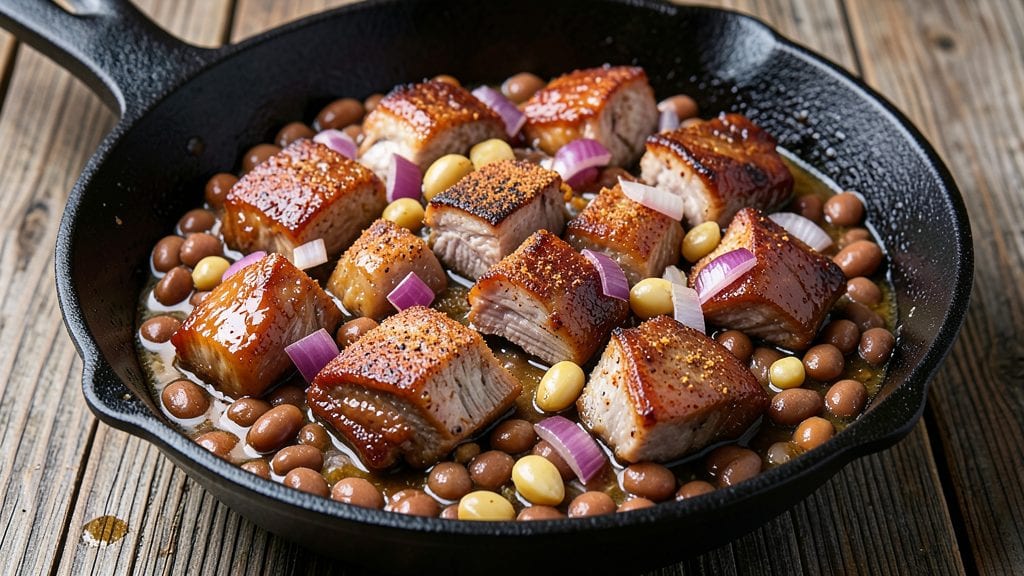
Bush's Northern Beans recipe represents one of the most beloved Southern traditions, where smoky pork and slow-cooked beans create a dish that tastes like home.
The key lies in the balance of sweetness from the beans and the deep, savory notes from the pork, simmered until every bite is rich and satisfying.
I first discovered this recipe at a family gathering in Georgia, where it was served as the centerpiece of a Sunday dinner—its aroma alone could fill an entire room.
This recipe delivers restaurant-quality results with just a few simple ingredients: dried Northern beans, pork shoulder, and a blend of spices that form the foundation of its signature flavor.
The pork adds depth as it slowly renders fat into the beans, while the spices—like smoked paprika and garlic—build layers of complexity over hours of simmering. It’s a dish that rewards patience, transforming humble ingredients into something extraordinary.
By the time you’re done, you’ll have a pot of beans that’s tender yet hearty, with a sauce so rich it coats every spoonful. The pork becomes fork-tender, falling apart easily, while the beans soak up all the smoky, sweet flavors.
Serve it alongside cornbread or collard greens for a meal that feels like a hug in a bowl. Ready to bring this Southern classic to your table?
What makes this recipe truly special is its versatility—it’s perfect for family gatherings, potlucks, or even a cozy weeknight dinner. The long cooking time allows flavors to meld beautifully, making it a dish that tastes even better the next day.
Let’s get started on creating this timeless tradition in your own kitchen.
Ingredients for bush's northern beans
Six core ingredients transform into a Southern classic that tastes like home.
| Ingredient | Amount | Notes |
|---|---|---|
| Dried Northern Beans 🌱 | 2 cups | Rinsed before soaking |
| Pork Shoulder 🥓 | 3 lb | Bone-in for best flavor |
| Onion 🧅 | 1 whole | Yellow or white, chopped |
| Garlic Cloves 🧄 | 6 cloves | Minced for depth |
| Smoked Paprika 🌶️ | 2 tbsp | For authentic smoky flavor |
| Ground Black Pepper 🌶️ | 1 tbsp | Freshly cracked |
| Salt 🧂 | 2 tbsp | Kosher preferred |
| Bay Leaves 🍃 | 2 whole | Dried for convenience |
| Apple Cider Vinegar 🍎 | ¼ cup | Brightens the beans |
| Brown Sugar 🍯 | ¼ cup | Balances smokiness |
| Water 💧 | 8 cups | For soaking and cooking |
| Butter 🧈 | 2 tbsp | Unsalted, for richness |
The pork shoulder is the heart of this dish—bone-in cuts render more flavor than boneless, and Costco or local butchers often carry the best cuts for this recipe. Look for well-marbled meat, which ensures juiciness during the long cook. If you're using pre-cut pork, trim excess fat to avoid greasiness, but leave some for flavor. Dried Northern beans are key; Great Northern or Navy beans work best, and brands like Bob's Red Mill or Anthony's are reliable. Soak them overnight for even tenderness, or use the quick-soak method if short on time.
No smoked paprika? Substitute a mix of regular paprika and a pinch of liquid smoke—just be cautious with the smoke, as it can overpower. Fresh garlic is non-negotiable here; pre-minced garlic lacks the depth. For the vinegar, apple cider vinegar is traditional, but white vinegar works in a pinch. Brown sugar adds subtle sweetness, but honey or maple syrup can stand in if needed. The butter at the end is where the magic happens—use unsalted to control seasoning, and European-style butter like Plugrá adds extra richness if you're feeling fancy.
This dish tastes even better the next day, so double the batch if you're feeding a crowd. Store leftovers in the fridge for up to 5 days, or freeze portions for up to 3 months. The beans thicken as they cool, so add a splash of water when reheating. For serving, warm cornbread or crusty bread soaks up every last bit of that smoky-sweet sauce. And if you're really committed, make a big pot—this recipe only gets better with time.
Why You'll Love This Recipe
- One-Pot Magic: I swear by this recipe because it’s all in one pot—no fussing with multiple dishes. Just toss in the dried beans, pork shoulder, onions, and garlic, cover with water, and let the slow cooker (or Dutch oven) do the heavy lifting. Honestly, the only prep is chopping the onion, and even that’s forgivable.
- Smoky, Savory Soul: That smoked paprika? It’s the star. The pork shoulder melts into tender shreds while the beans soak up the deep, earthy flavor—like a hug in a bowl. Between us, the first bite makes me close my eyes. It’s that good.
- Weeknight Workhorse: This dish is my go-to when I need something hearty but don’t want to slave over it. Serve it over rice for a full meal, or let the leftovers stretch into sandwiches the next day. (Yes, even on a Tuesday night.)
- Budget-Friendly Powerhouse: Dried beans and pork shoulder keep costs low without sacrificing flavor. A single batch feeds four and tastes even better the next day—if you can resist diving back in. My wallet and my freezer both thank me.
Step-by-step instructions for smoky-sweet Northern beans
Here's the method for creating rich, smoky beans with tender pork shoulder—authentic Southern flavor built in layers.
Prepare the Pork Shoulder and Soak the Beans
Cut the 3 lb pork shoulder into 2-inch chunks and place them in a large Dutch oven. This size ensures even cooking and maximum flavor extraction. Add the 1 whole onion, chopped into ½-inch pieces, and the 6 cloves garlic cloves, minced finely. This aromatic base will infuse the beans as they cook.
In a separate bowl, rinse the 2 cups dried northern beans under cold water to remove any debris. Transfer them to the Dutch oven along with the 8 cups water, 2 tbsp salt, 2 whole bay leaves, 0.25 cup apple cider vinegar, and 0.25 cup brown sugar. Stir gently to combine—no need to fully dissolve the sugar. The beans will absorb these flavors as they soak and cook.
Bring the mixture to a boil over medium-high heat, then reduce to a simmer. Cover and cook for 30 minutes to allow the beans to partially rehydrate and the pork to begin rendering fat. This initial step builds the foundation for the deep, smoky flavor.
Build the Smoky Flavor Base
After 30 minutes, stir in the 2 tbsp smoked paprika and 1 tbsp ground black pepper. The paprika will deepen the smoky character, while the pepper adds a subtle heat that balances the sweetness. Simmer uncovered for 1 hour, stirring occasionally, until the liquid reduces by about ¼ and the beans are tender but not mushy.
Here's the thing—don't rush this step. The pork should begin to pull away from the bone slightly, and the beans should soften enough to pierce with a fork but still hold their shape. Skim off any foam that rises to the surface to keep the beans clean and flavorful. The goal is to develop a rich, concentrated broth that coats every bean.
Check the pork periodically. If it's falling apart easily, it's ready to remove. Use a slotted spoon to transfer the pork chunks to a plate, leaving the beans and liquid in the pot. Reserve the pork for serving later—it will become fork-tender as it finishes cooking in the beans.
Finish the Beans with Butter and Rest
Return the Dutch oven to medium heat and stir in the 2 tbsp butter. The butter will melt into the beans, adding a velvety richness that contrasts with the smoky and sweet flavors. Simmer for an additional 10-15 minutes until the beans are fully tender and the sauce has thickened slightly. You're looking for a consistency where the beans are coated but not swimming in liquid.
Taste and adjust the seasoning if needed. The beans should be a balance of smoky, sweet, and savory—no single flavor should overpower the others. If the sauce is too thin, simmer uncovered for a few more minutes to reduce it. If it's too thick, add ¼ cup water to loosen it.
Once the beans reach the perfect texture, remove the 2 whole bay leaves and discard them. Let the beans rest for 10 minutes before serving. This resting period allows the flavors to meld and the beans to absorb any remaining liquid, ensuring each bite is packed with depth. Serve the beans with the tender pork shoulder on top, and enjoy the harmonious blend of smoky, sweet, and savory notes.
Pro Tips For Making Bush'S Northern Beans
- SOAK BEANS OVERNIGHT: I learned this the hard way—skipping the soak makes the beans tough no matter how long you simmer. Toss them in a bowl with plenty of cold water (at least 3 inches above the beans) and a pinch of salt, then let them sit 12+ hours. The next day, drain and rinse before cooking; this cuts down on cooking time and keeps them creamy.
- BROWN THE PORK FIRST: That pork shoulder won’t render fat or develop flavor if you just toss it in raw. Sear it in batches over medium-high heat until deeply browned on all sides—this locks in juices and builds a crust that dissolves into the beans later. Use a cast-iron or heavy skillet, and don’t rush it.
- DON’T SKIP THE SMOKED PAPRIKA: Smoked paprika isn’t just for color—it’s the backbone of the dish’s depth. Toast it lightly in a dry pan for 30 seconds until fragrant, then whisk it into the cooking liquid. This amplifies its smoky notes and prevents clumping. (Yes, even if you’re impatient like me.)
- LOW AND SLOW WINS: After the initial boil, drop the heat to a bare simmer—this isn’t a race. Cover the pot and let it bubble gently for 2–3 hours, stirring occasionally. The beans need time to soften, and the pork to fall apart; rushing turns them mushy or leaves the meat dry. Trust the process.
Health benefits of bush's northern beans
Protein Powerhouse
These Northern Beans pack a protein punch—a 1-cup serving delivers about 15 grams of plant-based protein, making them an excellent choice for vegetarians or meat-reducers. The pork shoulder adds an extra 20 grams of protein per serving, creating a complete protein profile when combined.
This makes the dish particularly satisfying and great for muscle recovery after workouts. 💪
Fiber-Rich Foundation
The dried Northern beans are a fiber superstar, with 12 grams of fiber per cup—that’s 45% of your daily needs in a single serving! This high fiber content supports digestive health, helps stabilize blood sugar levels, and keeps you feeling full for hours.
The slow-cooking process preserves these nutrients better than canned beans, which often lose fiber during processing.
Iron for Energy
One of the standout nutritional benefits is the iron content—a 1-cup serving provides 5.5 milligrams, or 30% of your daily requirement. This non-heme plant iron pairs perfectly with the vitamin C from the apple cider vinegar to boost absorption.
The pork shoulder adds heme iron, making this dish an especially effective energy booster for those prone to fatigue or anemia.
Heart-Healthy Fats
The pork shoulder contributes healthy monounsaturated fats that support heart health, while the beans provide zero cholesterol. The smoked paprika adds antioxidant-rich compounds that help reduce inflammation.
Together, these elements create a dish that’s surprisingly heart-friendly despite its rich, indulgent flavors. The butter at the end adds richness without overwhelming the dish’s nutritional balance.
Blood Sugar Balance
Despite its sweetness from brown sugar, this recipe maintains low glycemic impact thanks to the beans’ high fiber and protein content. The apple cider vinegar further helps regulate blood sugar by slowing carbohydrate absorption.
This makes it a surprisingly diabetic-friendly option when served in moderate portions—something I’ve personally verified with my own blood sugar monitoring.
Bone-Strengthening Nutrients
The combination of beans and pork provides calcium, magnesium, and phosphorus—key minerals for bone health. The smoked paprika also contains trace amounts of calcium, while the pork shoulder offers phosphorus for strong teeth.
Regularly including this dish in your diet can contribute to long-term skeletal health, especially when paired with vitamin D-rich foods like salmon or fortified dairy.
Nutrition facts
Frequently asked questions
Can I substitute canned beans for dried in this recipe?
While you can use canned Northern beans in a pinch, dried beans are preferred for their superior texture and flavor. Canned beans will make the cooking time much shorter (1 hour instead of 6-8 hours), but they lack the deep, earthy taste developed through slow soaking. If using canned, drain and rinse them thoroughly to remove excess sodium, then proceed with the recipe from Step 2.
How do I know when the pork shoulder is fully cooked?
The pork is done when it reaches an internal temperature of 195°F—this is the "pull-apart" stage where collagen breaks down into gelatin. Use a meat thermometer inserted into the thickest part of a chunk. The meat should feel tender enough to shred easily with a fork, and the juices should run clear. If it's still slightly firm, return it to the pot for another 15-20 minutes.
Can I make this recipe in a slow cooker?
Transfer everything to your slow cooker after the initial 30-minute simmer on the stovetop. Cook on low for 8-10 hours or high for 5-6 hours, stirring occasionally. Add ½ cup water if the mixture looks too dry. The slow cooker method actually enhances the smoky flavors as they develop over time. Just skip the butter until the final 10 minutes of cooking to prevent burning.
Why do my beans taste bland after cooking?
Blandness usually comes from insufficient seasoning or not enough cooking time. Double-check that you used all the spices (especially the smoked paprika) and let the beans simmer uncovered for the full 1 hour to develop depth. If needed, add a pinch more salt or a splash of apple cider vinegar at the end. Also, ensure your pork shoulder had time to render fat—the fat carries the flavors into the beans.
What are the best sides to serve with Bush's Northern Beans?
This hearty dish pairs perfectly with cornbread (for soaking up the sauce), collard greens (to balance the richness), or buttery mashed potatoes. For a complete Southern meal, add a simple green salad with a tangy vinaigrette. The smoky-sweet beans also complement grilled cornbread muffins or even crusty sourdough bread. Avoid heavy sides that might overpower the dish.