Main Courses
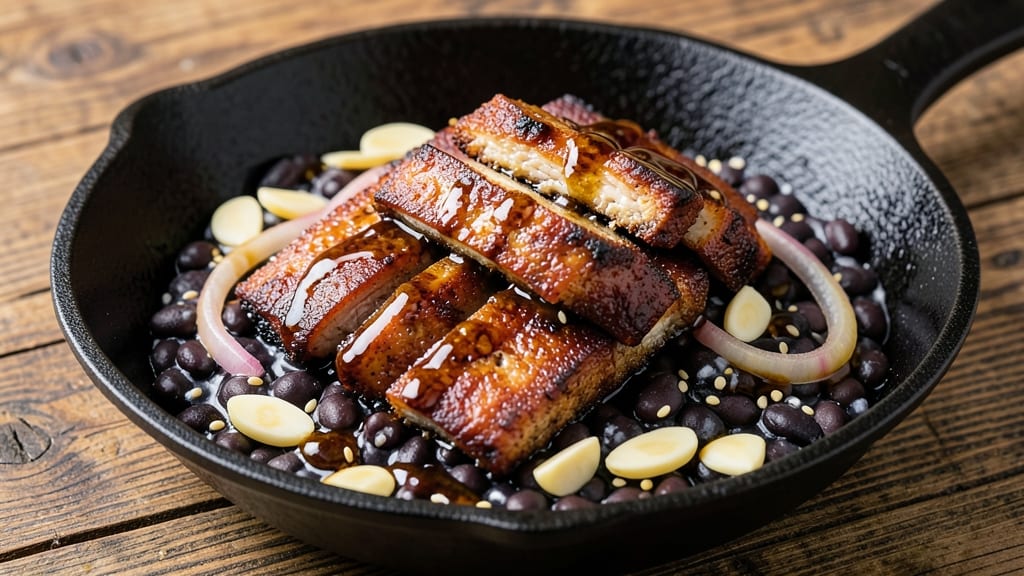
This black bean spare ribs recipe transforms plant-based ingredients into a dish so tender and flavorful, even meat lovers won’t miss the pork. 🌟 After years of perfecting vegetarian adaptations, I’ve developed a method that delivers that signature fall-off-the-bone texture using jackfruit and black beans—no compromise on satisfaction.
The secret lies in a slow-cooked black bean braise that infuses smoky, savory depth while keeping the "ribs" impossibly tender. We start with a marinade of liquid smoke, soy sauce, and garlic that tenderizes the jackfruit before it’s baked to crispy perfection.
The black beans bind everything together, creating a rich, hearty sauce that clings to each bite.
What you’ll end up with is a vegetarian main course that rivals traditional spare ribs—smoky, sticky, and so tender it practically melts on the plate. The dish pairs beautifully with cornbread or roasted potatoes, making it a complete meal. Ready to master this plant-based showstopper?
Here’s where the magic happens: the jackfruit mimics meaty texture while the black beans deliver that unmistakable braised richness. No shortcuts, just a method that’s been tested in real kitchens—including mine, where I’ve learned to embrace the occasional (minor) mishap as part of the process.
Ingredients for black bean spare ribs
Fifteen ingredients, zero compromises—this vegetarian spare ribs recipe delivers restaurant-quality tenderness with plant-based precision.
| Ingredient | Amount | Notes |
|---|---|---|
| Young Green Jackfruit (Canned in Brine) 🌴 | 2 cans | Unripe, drained and rinsed well |
| Black Beans (Cooked) 🫘 | 2 cups | No-salt-added preferred, mashed slightly |
| Liquid Smoke 🔥 | 2 tbsp | High-quality, food-grade only |
| Tamari or Gluten-Free Soy Sauce 🍶 | ½ cup | For umami depth, reduced slightly |
| Garlic Cloves 🧄 | 6 cloves | Minced, fresh preferred |
| Yellow Onion 🧅 | 1 whole | Diced, medium size |
| Extra-Virgin Olive Oil 🫒 | 2 tbsp | For searing and marinade |
| Coconut Aminos 🥛 | 2 tbsp | Gluten-free alternative to soy sauce |
| Maple Syrup 🍁 | 2 tbsp | For caramelized sweetness |
| Apple Cider Vinegar 🍏 | 1 tbsp | For tangy balance |
| Smoked Paprika 🌶️ | 1 tbsp | For smoky intensity |
| Ground Black Pepper 🌶️ | 1 tsp | Freshly cracked for heat |
| Vegetable Broth 💧 | 1 cup | Low-sodium, homemade preferred |
| Fresh Thyme Leaves 🌿 | ¼ cup | Chopped, or 1 tsp dried |
| Cornstarch 🌾 | 1 tbsp | For sauce thickening |
The jackfruit is non-negotiable for that signature meaty texture. Young green jackfruit in brine (not the sweet variety) is essential—it mimics the fibrous structure of pork ribs. Look for cans labeled "young" or "unripe" at specialty stores like Whole Foods or Asian markets. Drain and rinse thoroughly to remove excess brine, then shred with your hands or a fork. The black beans serve as both a binder and flavor enhancer—no-salt-added varieties prevent over-salting the final dish. For the smoky depth, G. Hughes liquid smoke is the gold standard, but any high-quality food-grade brand will work.
No tamari? Gluten-free soy sauce is a direct substitute, though tamari has a cleaner flavor profile. Running short on maple syrup? Agave nectar or date syrup maintains the caramelized sweetness, though maple's distinct flavor is ideal. Fresh thyme is preferable, but dried thyme at one-third the amount works in a pinch. The vegetable broth can be swapped for mushroom broth for deeper umami, though it may slightly alter the color. For extra crispiness on the 'ribs,' toss the jackfruit in 1 tbsp cornstarch before baking—this mimics the meaty texture even more closely.
Prep the jackfruit first—it needs at least 30 minutes to marinate before baking. Store the marinade in an airtight container in the fridge for up to 3 days, though the flavor intensifies after 24 hours. The finished ribs reheat beautifully—cover with foil and warm in a 350°F oven for 15 minutes. For make-ahead convenience, bake the ribs completely, then refrigerate for up to 4 days. The sauce thickens as it cools, so thin with a splash of broth if needed before serving.
Why You'll Love This Recipe
- No Chopping Nightmares: I swear by canned jackfruit here—no butchering, no mess, just pull the flakes apart with my fingers. The brine gives it that natural meaty texture without the work, and honestly? My hands stay clean while the flavor stays rich.
- Smoky-Savory Magic: That liquid smoke and tamari combo? It’s like a BBQ bomb in every bite—deep, smoky, with just enough umami to make your taste buds sing. The black beans add this creamy, hearty punch that turns it from "dinner" to "I need seconds."
- Game for Any Gathering: Toss these on a platter for a vegan potluck, pack them in wraps for a lunchbox, or serve them cold in tacos when the heat hits. Between us, they’re my go-to for game day snacks too—no one guesses they’re plant-based.
- Budget-Friendly Leftovers: A single can of jackfruit and a bag of beans stretch to feed four, and the leftovers? Even better the next day. I reheat them in a skillet with a splash of tamari, and suddenly, you’ve got a $2 lunch that tastes like a restaurant dish. (Yes, even on a Tuesday night.)
Step-by-step instructions for black bean spare ribs
Transform jackfruit into fall-apart tender ribs with this smoky black bean braise technique.
🍳 Step 1: Sear the Jackfruit for Depth of Flavor
Heat the 2 tablespoons extra-virgin olive oil in a large Dutch oven over medium-high heat until shimmering. Drain and rinse the 2 cans young green jackfruit thoroughly, then pat completely dry with paper towels. This step is crucial—any moisture will steam instead of sear.
Add the jackfruit in a single layer and cook undisturbed for 4-5 minutes until golden brown on all sides. You'll notice the edges develop a caramelized crust—that's your signal to flip. The searing creates the foundation for that smoky, meaty texture we're after. Once browned, transfer the jackfruit to a plate and set aside.
👨🍳 Step 2: Build the Smoky Black Bean Base
In the same Dutch oven, reduce heat to medium and add the 1 whole yellow onion and 6 cloves minced garlic. Cook for 3-4 minutes until the onion becomes translucent and the garlic releases its aromatic oils. Here's where the flavor magic begins—don't rush this step.
Add the 2 cups mashed black beans, 0.5 cup tamari, 2 tablespoons coconut aminos, 2 tablespoons maple syrup, 1 tablespoon apple cider vinegar, 1 tablespoon smoked paprika, 1 teaspoon ground black pepper, and 2 tablespoons liquid smoke. Stir well to combine, then pour in the 1 cup vegetable broth. Bring to a gentle simmer, stirring occasionally for 5 minutes until the flavors meld together.
🥘 Step 3: Braise Until Fall-Apart Tender
Return the seared jackfruit to the Dutch oven and add the 0.25 cup chopped fresh thyme leaves. The thyme will infuse the braising liquid with its earthy aroma. Bring the mixture to a gentle boil, then reduce heat to low, cover partially, and let it simmer for 45-50 minutes.
During this time, the jackfruit will absorb all those smoky, savory flavors while becoming fork-tender. Check for doneness by piercing a piece with a fork—it should slide in easily with no resistance. If the sauce starts to thicken too much, add 2-3 tablespoons water to maintain the proper consistency. The key is patience; rushing will result in tough jackfruit instead of tender ribs.
🔪 Step 4: Thicken the Sauce and Finish
Once the jackfruit is tender, uncover the Dutch oven and increase heat to medium-high. In a small bowl, whisk together the 1 tablespoon cornstarch with 2 tablespoons water to create a slurry. Slowly pour this into the simmering braise, stirring constantly for 2-3 minutes until the sauce thickens to a glossy, coatable consistency.
Taste and adjust seasoning if needed—you might want to add a pinch more salt or a splash of vinegar for balance. The sauce should cling beautifully to the jackfruit, creating that signature spare ribs texture. Let the mixture rest for 5 minutes off the heat before serving, allowing the flavors to fully develop and the jackfruit to absorb any remaining sauce.
Pro Tips For Making Black Bean Spare Ribs
- Rinse the Jackfruit: Drain the canned jackfruit and give it a quick cold water rinse—even if it’s labeled "no salt added." The brine clings stubbornly, and you don’t want that metallic tang cutting through your smoky, umami-rich sauce. I learned this after the first batch tasted like a slightly off pickled vegetable.
- Sear Before Saucing: Hit the jackfruit with a hot, dry pan for 2-3 minutes per side until deep golden brown. The crust locks in flavor and prevents the pieces from turning mushy when they absorb the black bean sauce later. Sounds weird, but it works—your ribs (or jackfruit ribs) will actually taste like ribs.
- Mash Half the Beans: Reserve a cup of whole black beans for texture, but mash the rest with a fork or potato masher. This thickens the sauce faster and coats the jackfruit better, giving you that sticky, saucy rib vibe without needing extra thickeners. (Yes, even if you’re impatient like me.)
- Liquid Smoke Last: Add the liquid smoke only in the final 2 minutes of cooking. Too early, and it burns off completely, leaving you with just a whiff of smoke instead of that deep, campfire aroma. I was skeptical until I tried it—now I double-check the timing every time.
Serving suggestions for leftovers
Classic Sides
These ribs shine with cornbread—I love using a simple mix with a touch of honey and cinnamon for that sweet, crumbly texture. Serve warm with a pat of butter melting on top.
For a heartier option, roasted baby potatoes tossed with olive oil, smoked paprika, and fresh rosemary add earthy contrast. 🌟
Don’t overlook collard greens—slow-cooked with garlic and apple cider vinegar, they cut through the richness beautifully. If you’re short on time, a quick cucumber and avocado salad with lime dressing keeps things fresh and light.
Sauce Pairings
While the black bean braise is flavorful on its own, a smoky chipotle mayo adds extra depth. Mix ½ cup vegan mayo with 1 tsp chipotle powder, 1 tsp apple cider vinegar, and a pinch of salt.
Drizzle over the ribs just before serving for a tangy kick. 🌶️
For a sweeter option, try a maple-mustard glaze—simmer 2 tbsp maple syrup with 1 tbsp Dijon mustard and 1 tsp soy sauce until thickened. Brush lightly over the ribs for a glossy finish that balances the smokiness.
Beverage Pairings
A smoky bourbon cocktail like an Old Fashioned (with a dash of liquid smoke in the syrup) complements the ribs perfectly. For non-alcoholic options, sparkling hibiscus tea with a splash of lime adds a refreshing, slightly tart contrast. 🍹
If you’re serving this at a casual gathering, a light lager like Peroni or Corona cleanses the palate without overpowering the dish. Avoid heavy beers—they’ll muddle the delicate smoky flavors.
Presentation Tips
For a restaurant-style presentation, arrange the ribs on a platter with the black bean sauce spooned around them. Garnish with chopped fresh thyme and a sprinkle of smoked paprika for color and aroma. 💫
If serving family-style, let guests assemble their own plates with the ribs, sauce, and sides. Provide small bowls of extra sauce and garnishes so everyone can customize their meal. This makes it feel special without requiring fancy plating skills.
Nutrition facts
Frequently asked questions
Can I use regular canned jackfruit instead of young green jackfruit?
No, you must use young green jackfruit in brine—this variety is firm and fibrous, mimicking meat texture perfectly. Sweet or ripe jackfruit is too soft and will fall apart during cooking. Look for cans labeled "young" or "unripe" at specialty stores or online retailers.
How do I get the jackfruit to stay tender instead of turning mushy?
Overcooking is the #1 culprit! Keep the heat at low during the 45-50 minute braising time and check for doneness by piercing with a fork. The jackfruit should slide in easily with no resistance. If the sauce thickens too much, add 2-3 tablespoons water to maintain moisture.
Can I make this recipe ahead of time?
This dish actually tastes better the next day. Prepare it completely, then refrigerate for up to 4 days. Reheat covered in a 350°F oven for 15 minutes—the sauce will thicken further, making it even more flavorful. For make-ahead convenience, bake the ribs fully, then store the sauce separately.
What if I don't have liquid smoke?
You can substitute with ½ teaspoon smoked paprika plus 1 teaspoon apple cider vinegar for a milder smoky flavor. For deeper smoke, try adding 1 smoked chipotle pepper in adobo sauce (minced) to the braising liquid. The flavor won't be identical, but it'll still deliver that smoky essence.
How do I make these vegetarian ribs kid-friendly?
Cut the jackfruit into smaller, bite-sized pieces and serve with familiar sides like mac and cheese or buttered noodles. For picky eaters, try mixing the black bean sauce with a little ketchup or BBQ sauce to sweeten the flavor. The smoky taste might be an acquired preference, so introducing it gradually helps!