
Sauces & Condiments
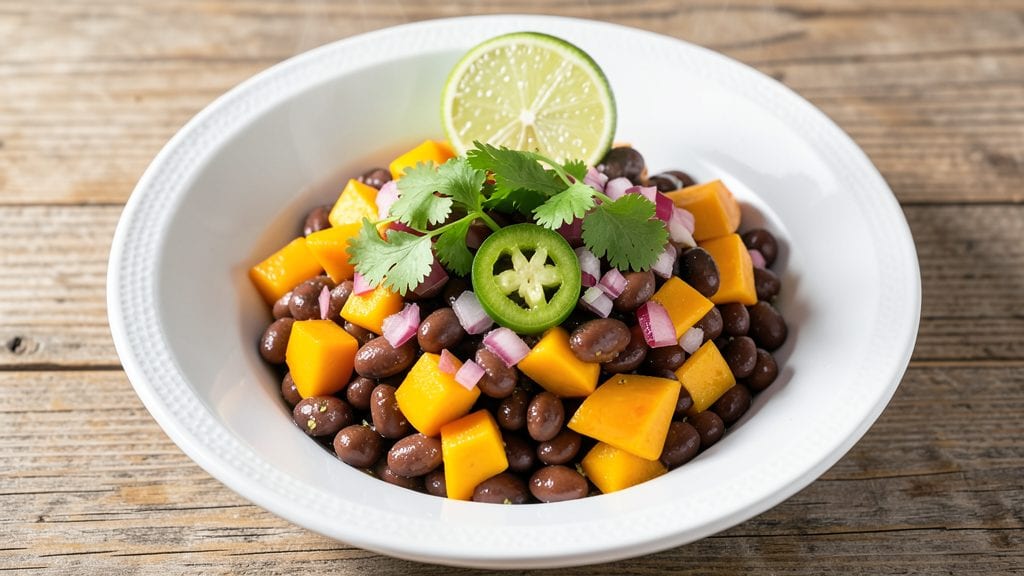
This black bean and mango salsa recipe transforms simple pantry staples into a vibrant, tropical condiment that balances sweetness with just the right amount of heat.
Growing up in Cincinnati, I never imagined mango and black beans would become my go-to for adding freshness to tacos or bowls, but this combination delivers a texture and flavor profile that feels both familiar and exciting.
The key lies in properly rinsing the beans to remove excess starch and letting the mango sit at room temperature for 30 minutes before dicing—this ensures every bite is juicy and bright.
The recipe is designed to be both versatile and foolproof, requiring just 15 minutes of prep time. You'll need ripe mangoes for natural sweetness, black beans for hearty texture, and a blend of lime juice and jalapeño for that signature tangy kick.
This version is completely vegan-friendly, making it perfect for plant-based diets while still delivering restaurant-quality flavor. The balance of ingredients creates a salsa that's fresh enough to eat on its own but rich enough to elevate any dish.
What you'll end up with is a salsa that's perfect for topping tacos, bowls, or even grilled fish—each bite offers a mix of creamy black beans, juicy mango chunks, and a hint of spice that lingers just enough to keep your taste buds engaged.
The texture is a delightful contrast between the softness of the mango and the slight crunch of the beans, all tied together by a dressing that's tangy without overpowering. This recipe proves that bold flavors don't require complicated techniques, just the right ingredients and a little patience.
Store any leftovers in an airtight container in the refrigerator for up to 5 days, though I can't guarantee they'll last that long in your house. For extra crunch, add diced red onion or cilantro just before serving.
This salsa is the kind of recipe that makes you want to make it again and again—each time feeling just a little more confident in your ability to balance sweet, spicy, and savory flavors.
Ingredients for black bean mango salsa
Simple pantry staples and fresh tropical flavors come together for this vibrant salsa.
| Ingredient | Amount | Notes |
|---|---|---|
| Black Beans 🫘 | 1 ½ cups | Canned, drained and rinsed well |
| Ripe Mango 🥭 | 1 ½ cups | Diced, seeds removed |
| Red Onion 🧅 | ½ cup | Finely diced, optional for crunch |
| Fresh Cilantro 🌿 | ¼ cup | Chopped, stems removed |
| Jalapeño Pepper 🌶️ | 1 whole | Seeded, finely diced |
| Lime Juice 🍋 | ¼ cup | Freshly squeezed |
| Extra-Virgin Olive Oil 🫒 | 2 tbsp | For richness and balance |
| Cumin 🌿 | ½ tsp | Ground, for earthy depth |
| Salt 🧂 | ½ tsp | Kosher or sea salt |
| Honey 🍯 | 1 tbsp | Agave nectar for vegan option |
Mango is the star here—look for ripe ones that give just slightly when pressed. Local farmers markets often have the sweetest varieties, but grocery store mangoes work too if they're fragrant and slightly soft. The black beans should be canned, not dried—low-sodium brands like Goya or Bush's are my go-to. Rinse them thoroughly to remove excess starch, which prevents the salsa from getting gummy. For the jalapeño, I always use the freshest I can find—Trader Joe's carries great ones year-round. If you're not into spice, just remove all the seeds and membranes before dicing.
No ripe mangoes? Substitute papaya or pineapple for similar sweetness, but the texture will differ slightly. Short on black beans? Canned chickpeas or kidney beans work in a pinch, though the flavor won't be identical. The honey is purely for balancing flavors—agave nectar or maple syrup works perfectly for a vegan version. Fresh lime juice is non-negotiable here, but if you can't find limes, lemon juice with extra salt gets you close. Want more crunch? Add diced red bell pepper or avocado after mixing.
This salsa keeps beautifully in the fridge for up to 5 days, though I've never had leftovers that long. Store it in an airtight container with a layer of olive oil on top to preserve freshness. The flavors actually improve after sitting overnight as everything melds together. For serving, I like to keep the red onion and cilantro separate until the last minute—add them right before eating so they stay crisp. Freezing isn't recommended as the texture breaks down, but you can freeze individual portions for up to 3 months if you're really committed.
Why You'll Love This Recipe
- No-Cook Magic: I swear by this one—just chop, toss, and go. The black beans stay intact, the mango stays bright, and the jalapeño adds heat without fuss. Ten minutes, tops.
- Sweet-Heat Balance: That ripe mango? It’s like a juicy hug for your mouth. The black beans ground the sweetness, the red onion adds sharpness, and the cilantro ties it all with freshness—no overpowering notes, just perfect.
- Party in a Bowl: Serve it with chips for a crowd, dollop it on grilled fish for a fancy touch, or let the kids scoop it into tacos. It’s my go-to for game day, potlucks, or lazy Sundays—no one ever turns it down.
- Budget Bright Spot: Canned black beans and a single mango stretch this far beyond a side dish. I’ve made it last a week in the fridge, and it still tastes like it was just made. Plus, the jalapeño? One pepper does the trick.
Step-by-step instructions for black bean and mango salsa
This tropical twist on classic salsa delivers perfect balance—creamy beans, sweet mango, and a kick of heat.
Prepare the Mango and Onion Base
Start by dicing the 1.5 cups ripe mango into small, even cubes—about ½-inch pieces. You want them bite-sized but not too large so they blend well with the other ingredients. In a separate bowl, finely dice the 0.5 cup red onion—this will add a subtle sharpness that cuts through the sweetness. I like to keep the onion pieces small so they distribute evenly throughout the salsa.
Place both the mango and onion in a large mixing bowl. The mango should look vibrant and juicy, almost glistening from its natural sugars. If you're using a particularly juicy mango, you might want to pat it dry slightly with a paper towel to prevent the salsa from becoming too watery later on.
Add the Black Beans and Aromatics
Rinse and drain the 1.5 cups black beans thoroughly to remove any excess sodium or starch. Add them to the bowl with the mango and onion. Next, finely dice the 1 whole jalapeño pepper, removing the seeds first if you prefer less heat. The seeds contain most of the pepper's spiciness, so adjusting this is how you control the kick. Chop the 0.25 cup fresh cilantro, removing any tough stems, and add it to the bowl.
Sprinkle the 0.5 tsp cumin and 0.5 tsp salt over the mixture. The cumin adds an earthy warmth that complements the tropical flavors, while the salt enhances all the components. Give everything a gentle stir with a wooden spoon to combine. You should see the ingredients starting to meld together, with the mango releasing its natural juices and the beans adding a creamy texture.
Balance with Lime and Sweetness
In a small bowl, whisk together the 0.25 cup lime juice and 1 tbsp honey. The lime juice brightens the entire salsa, cutting through the richness of the mango and beans, while the honey adds a subtle sweetness that balances the heat from the jalapeño. Pour this mixture over the black bean and mango combination in the large bowl.
Drizzle in the 2 tbsp extra-virgin olive oil and stir everything together gently. The olive oil coats the ingredients, adding richness and helping the flavors meld. Taste the salsa at this point—you might want to adjust the seasoning. If it needs more salt, add a pinch at a time. If the heat from the jalapeño is too intense, you can add a little more honey to mellow it out.
Chill and Let Flavors Develop
Cover the bowl with plastic wrap and refrigerate the salsa for at least 30 minutes—this allows the flavors to fully meld and the ingredients to absorb each other's juices. The longer it chills, the better the flavors will blend, so if you have time, let it sit for up to 2 hours. During this time, the mango will soften slightly, the beans will release more of their creaminess, and the lime juice will mellow out.
Before serving, give the salsa one final taste. If it needs a little more brightness, add a splash of lime juice. If it's too thick, stir in 1-2 tablespoons of water to loosen it up. The texture should be chunky but still easy to spoon, with a balance of creamy beans, juicy mango, and a hint of spice. This salsa is best served chilled, so it pairs perfectly with grilled fish, tacos, or even as a topping for avocado toast.
Pro Tips For Making Black Bean Mango Salsa
- Drain and Rinse Beans: Black beans straight from a can taste like tin, no matter how good your other ingredients are. Dump them in a colander, rinse under cold water, and give them a good shake—this cuts the gummy starch that makes salsa taste flat. (Yes, even if the can says "no salt added," they still need this step.)
- Dice Onion Like It’s 1995: Tiny, even dice—no bigger than ¼-inch cubes—so the onion melts into the salsa instead of sitting there like a sad, chewy afterthought. Use a sharp knife, not a food processor (unless you’re okay with paste). My grandmother called it "the difference between good and really good," and she wasn’t wrong.
- Seed the Jalapeño Wrong: Cut the jalapeño lengthwise, scrape out the seeds with your thumbnail, then slice it thin—keep the membrane. That white pith packs heat and flavor, and skipping it means your salsa tastes like a ghost of itself. (Save the seeds for pickling if you’re spice-averse.)
- Pulse the Mango: No blender? No problem. Dice the mango into rough ½-inch chunks, then pulse them in a food processor just 3–4 times—you’re not making smoothie, just breaking them down enough to release juice and texture. Overdoing it turns salsa into soup. (And trust me, you’ll know if you overdo it.)
Common mistakes when making this dish
Over-Rinsing Beans
Rinsing your black beans is crucial, but going overboard can wash away too much of their natural flavor and creaminess. I’ve made this mistake—when I rinse them for more than 30 seconds, the salsa loses that rich, earthy depth.
Instead, give them a quick 10-15 second rinse under cold water, then drain thoroughly. The goal is to remove excess starch, not strip away their essence. 💫
Skipping the Chill Time
This is a big one—many people think salsa is ready to eat as soon as it’s mixed, but letting it rest in the fridge for at least 30 minutes lets the flavors truly meld.
I once served it immediately after mixing, and while it was edible, it lacked that harmonious balance of sweet, spicy, and tangy. The beans soften slightly, the mango releases more juice, and the lime brightens everything. Patience here makes all the difference.
Using Unripe Mango
An unripe mango will turn your salsa into a sad, mealy mess. Look for fruit that yields just slightly to gentle pressure, with a sweet aroma at the stem. If you’re unsure, cut one open—ripe mango should be vibrant yellow or orange with a juicy, sweet interior.
I’ve used grocery store mangoes that were rock-hard, and the result was a salsa that tasted bland and pasty. When in doubt, ask the produce manager at New Seasons Market for their ripest selection.
Ignoring the Honey Balance
The honey (or agave) isn’t just for sweetness—it balances the acidity of the lime and the heat of the jalapeño. Omitting it or using too little can make the salsa taste sharp or one-dimensional. I’ve tasted versions where the honey was skipped, and the lime juice overpowered everything.
Start with 1 tbsp and adjust to taste. If your mango is particularly sweet, you might only need ½ tbsp.
Over-Mixing the Texture
This salsa thrives on its chunky, vibrant texture—over-mixing turns it into a mushy purée. Stir just enough to combine the ingredients gently with a wooden spoon. The beans should stay whole, and the mango should retain its shape.
I’ve seen people blend it, which completely changes the intended texture. If you prefer a smoother salsa, blend only half the batch and mix it back in, but leave some chunks for that satisfying bite. 🥭
Storing Without Oil
If you’re storing leftovers, always top the salsa with a thin layer of olive oil before sealing the container. This creates a protective barrier that keeps the mango from browning and the beans from drying out.
I once stored a batch without oil, and by day three, the mango had turned dull and the texture was off. A ½ teaspoon of oil on top is enough to preserve freshness for up to 5 days in the fridge.
Nutrition facts
Frequently asked questions
Can I make this salsa without mango?
For a similar tropical flavor, try ripe papaya or pineapple in equal amounts. If you prefer something different, swap the mango for diced peaches or avocado for creaminess. The key is balancing sweetness with the lime and jalapeño—adjust the honey to taste.
How spicy will this be with the jalapeño?
The jalapeño adds mild heat, but you can control it by removing seeds and membranes first. For less spice, use only the white pith (no seeds). If you love heat, keep the seeds in or add a pinch of cayenne. Always taste before serving—you can mellow it with extra honey or lime juice.
Can I make this ahead of time?
Yes! This salsa actually tastes better after resting 2-3 hours in the fridge. The flavors meld beautifully, and the mango softens slightly for a more tender texture. Store in an airtight container with a thin layer of olive oil on top to preserve freshness for up to 5 days.
What's the best way to serve this?
This salsa shines on tortilla chips, as a topping for fish tacos, or mixed into grain bowls. Try it with grilled shrimp, black bean burgers, or even as a filling for veggie wraps. The creamy beans and sweet mango make it perfect for balancing spicy dishes.
Why does my salsa taste too watery?
Overripe mango or unrinsed beans often cause excess moisture. Drain the beans thoroughly and pat dry any extra juice from the mango. For immediate fixes, stir in 1-2 tablespoons of cornstarch mixed with water or let it sit uncovered in the fridge for 15 minutes to thicken naturally.