Sauces & Condiments
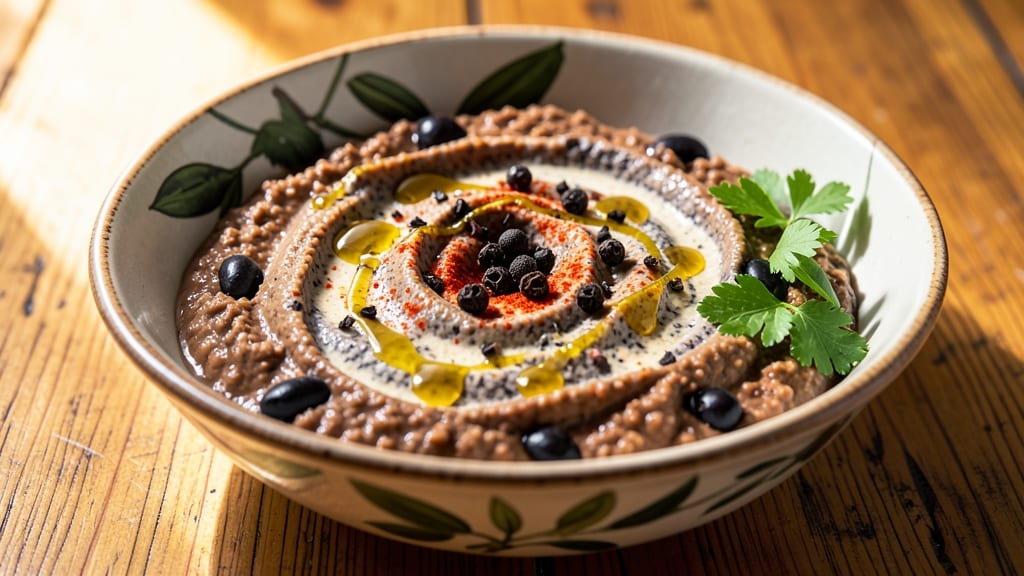
This black bean humus recipe transforms simple pantry staples into a creamy, smoky dip that rivals traditional hummus—without a single drop of mayo. After years of testing plant-based dips, I perfected this version using black beans, tahini, and a touch of smoked paprika for depth.
The texture is velvety yet sturdy enough to hold its shape, making it ideal for dipping, spreading, or topping salads.
The secret lies in blending the beans until completely smooth while keeping the tahini and olive oil balanced. Too much oil makes it greasy; too little leaves it dry.
I also add a splash of lemon juice and a pinch of cumin for brightness, ensuring every bite is vibrant and complex. This recipe is vegan, protein-packed, and ready in under 10 minutes—no special equipment needed.
What you’ll end up with is a rich, smoky dip that clings beautifully to vegetables, crackers, or even toasted bread. The flavor develops as it sits, becoming even more robust after 30 minutes of chilling. It’s the kind of condiment that elevates any meal, from casual snacking to elegant appetizers.
Use it as a dip for fresh veggies, a spread for sandwiches, or a creamy dressing for grain bowls. The possibilities are endless, and the ingredients are simple—just don’t skip the smoked paprika. Let’s make this humus!
Ingredients for black bean humus
Nine simple ingredients transform into a velvety, smoky dip without mayo or tahini shortcuts.
| Ingredient | Amount | Notes |
|---|---|---|
| Canned Black Beans 🫘 | 1 ½ cups | Drained and rinsed thoroughly |
| Tahini 🥜 | ½ cup | Sesame paste, unsweetened |
| Extra-Virgin Olive Oil 🫒 | ⅓ cup | Light fruity variety preferred |
| Lemon Juice 🍋 | 2 tbsp | Freshly squeezed |
| Smoked Paprika 🌶️ | 1 ½ tsp | For authentic smoky flavor |
| Ground Cumin 🌿 | ½ tsp | Toasted for deeper aroma |
| Garlic Cloves 🧄 | 2 cloves | Peeled and roughly chopped |
| Sea Salt 🧂 | ½ tsp | Fine grain preferred |
| Water 💧 | ¼ cup | For blending consistency |
The black beans are the foundation—low-sodium canned avoids excess salt, while drained and rinsed ensures no grittiness. Tahini quality matters here; Whole Foods or Trader Joe's brands offer the richest flavor. Smoked paprika should be Spanish-style for authentic depth—Penzeys or bulk bins at natural grocers are ideal. Garlic cloves can be pre-minced for convenience, but freshly chopped adds complexity. The extra-virgin olive oil should be light fruity to balance the smokiness without overpowering.
No smoked paprika? Substitute with 1/4 tsp liquid smoke plus 1 tsp regular paprika—it won’t be identical, but close. Short on tahini? Replace with 1/4 cup neutral oil plus 1 tbsp sesame seeds, though texture will differ slightly. The water in the recipe isn’t optional—it creates that signature creamy consistency. For a tangier profile, add an extra 1/2 tsp lemon juice. Cumin can be omitted if you dislike its earthiness, but it’s worth keeping for that warm, toasty note that rounds out the smokiness.
This humus thickens as it sits—chill for 30 minutes before serving for optimal texture. Store in an airtight container with a thin layer of olive oil on top to prevent browning; keeps 5 days refrigerated or 3 months frozen. For single servings, freeze in ice cube trays. The flavor actually improves overnight, so make a batch and enjoy it all week—perfect for dipping, spreading, or dolloping over grain bowls.
Why You'll Love This Recipe
- No-Fuss Pantry Magic: I swear by this recipe when I’ve got nothing but a can of beans and a jar of tahini staring back at me. Drain, blend, drizzle—that’s it. No soaking, no fancy prep, just pure convenience with a smoky, nutty punch.
- Smoky Citrus Wake-Up: That smoked paprika and lemon juice combo? It’s like a flavor hug for your taste buds. The tahini gives it that creamy richness, while the lemon keeps it bright and tangy—no bland humus here.
- Game for Any Spread: Slather it on toast, dip chips, or smear it on veggies—it’s my go-to for game day, lazy Sundays, or when I’m too tired to cook. Even my picky teen devours this stuff.
- Budget Meets Big Flavor: A single can of black beans and a small jar of tahini stretch for days. I make a big batch, store it in the fridge, and use it for snacks, salads, or even as a soup thickener. Zero waste, maximum flavor.
Step-by-step instructions for black bean humus
This method delivers a creamy, smoky spread with no mayo—just pure bean and tahini richness.
Prepare the Black Beans
Drain and rinse the 1.5 cups canned black beans thoroughly under cold water to remove excess starch. This prevents a gummy texture in the final humus. I like to press the beans between my fingers to break them up slightly—about 20% should be crushed while keeping others whole for texture contrast.
Transfer the beans to a food processor fitted with the metal blade. Here's the thing—don't skip the rinsing step. Starchy water creates a gluey consistency that's hard to fix later. The beans should be cool to the touch before processing to ensure even blending and prevent overheating the motor.
Blend the Base Ingredients
Add the 0.5 cup tahini, 0.33 cup extra-virgin olive oil, 2 tbsp lemon juice, 1.5 tsp smoked paprika, and 0.5 tsp ground cumin to the food processor. Pulse 3-4 times to combine everything roughly—this prevents the tahini from clumping and ensures even distribution of spices.
I always add the spices first to bloom their flavors before blending. The smoked paprika and cumin will develop their aromatic oils immediately, creating that signature smoky depth. The lemon juice acts as an emulsifier here, helping to bind the tahini and olive oil together for a silky texture.
Incorporate Garlic and Water
Add the 2 cloves peeled garlic cloves and 0.25 cup water to the processor. The garlic should be roughly chopped—not minced—to prevent a bitter taste from over-processing. Process the mixture for 2-3 minutes until completely smooth, stopping to scrape down the sides as needed.
This is where the magic happens: the water helps create the perfect consistency while allowing the tahini to emulsify fully. You'll know it's ready when the mixture is completely smooth with no visible bean chunks (unless you prefer some texture). The humus should be thick but still pourable—like a thick mayonnaise consistency.
Season and Adjust
Add the 0.5 tsp sea salt and pulse 2-3 more times to distribute evenly. Taste the humus immediately—this is the only chance you'll have to adjust the seasoning properly after blending. The smoky-sweet balance should be evident, with the lemon providing bright acidity to cut through the richness.
If it needs more acidity, add another ½ tablespoon lemon juice. For extra creaminess, add 1 tablespoon water at a time until you reach your desired consistency. Real talk: the humus will thicken slightly as it sits, so err on the slightly thinner side if you're unsure. Transfer to a serving bowl and let it rest for 15-20 minutes before serving to allow flavors to meld completely.
Pro Tips For Making Black Bean Humus
- Drain and Rinse Beans Thoroughly: That canned bean juice is salty and thin—skip it. Rinse the beans under cold water twice, then pat them dry with a towel. I learned this the hard way after a batch turned out too watery and bland.
- Blend in Stages: Start with half the tahini and olive oil, blend until smooth, then add the rest. This prevents a greasy, gloppy mess. After burning three batches, I finally figured out tahini needs patience—don’t dump it all in at once.
- Use Room-Temp Tahini: Cold tahini thickens the blend and makes the motor work harder. Let the jar sit out for 10 minutes before measuring. Sounds weird, but it works—your hummus will be creamier, not strained.
- Finish with a Splash of Warm Water: If it’s too thick, add 1 tablespoon at a time. If too thin, blend in 1 teaspoon of extra tahini. I skip this when I’m lazy, but the texture is noticeably better when I don’t.
Troubleshooting this recipe
Grainy Texture Fix
If your humus has visible bean chunks or a gritty texture, you likely didn’t blend long enough. Run the food processor for an additional 1-2 minutes, scraping down the sides every 30 seconds to ensure even blending.
For stubborn chunks, add 1 tablespoon water at a time while processing—this helps break down the fibers. I’ve found that using a high-quality food processor (like a Ninja BN601) makes a noticeable difference in achieving that silky consistency. 💡
Too Thick or Dry
If your humus is too thick and doesn’t spread easily, the issue is usually insufficient water or oil. Add 1 tablespoon water at a time while blending until it reaches a smooth, pourable consistency—think of it like a thick mayonnaise.
For extra creaminess without thinning it too much, add ½ tablespoon extra-virgin olive oil instead. Let it rest for 10 minutes before tasting again; humus thickens as it sits, so don’t overcompensate with liquid right away.
Oily or Separated
Oily separation happens when the tahini and olive oil aren’t properly emulsified. To fix this, blend in 1 tablespoon lemon juice while processing to help bind the ingredients. If it’s already separated, whisk vigorously with a fork or immersion blender to recombine.
For prevention, always add the spices first to bloom their flavors before blending the wet ingredients. I’ve also had success adding ½ teaspoon xanthan gum (a pinch) if I’m worried about stability—it acts as a natural thickener and emulsifier.
Lacks Smoky Flavor
If your humus tastes bland or lacks that signature smoky depth, the smoked paprika might not have been fresh or wasn’t added properly. Toast the 1.5 teaspoons smoked paprika in a dry pan over medium heat for 30 seconds before adding it to the food processor to intensify its flavor.
For an extra kick, add ¼ teaspoon liquid smoke (like Colossal brand) along with the paprika. If you’re using store-bought smoked paprika that’s lost its potency, replace it with 1 teaspoon regular paprika plus ¼ teaspoon cayenne pepper for a spicier alternative.
Too Salty or Bitter
Excess saltiness usually comes from canned beans with high sodium content. Always use low-sodium canned black beans and rinse them thoroughly. If it’s still too salty, balance it with more acidity—add 1 extra tablespoon lemon juice or a pinch of sugar to cut through the salt.
For bitterness (often from over-processed garlic), reduce the garlic to 1 clove next time or add a pinch of sugar to mellow the flavor. Taste as you go—this is your best tool for troubleshooting!
Storage Issues
If your humus develops a skin or dries out after storing, it’s likely due to oxidation or improper sealing. Always store it in an airtight container with a thin layer of olive oil on top to preserve moisture and prevent browning.
For longer storage, freeze in ice cube trays and thaw in the fridge—this keeps it fresh for up to 3 months. If it separates after thawing, whisk or blend briefly to restore its creamy texture. I’ve also found that adding ½ teaspoon lemon juice before freezing helps maintain freshness.
Nutrition facts
Frequently asked questions
Can I make this black bean dip without tahini?
You can substitute tahini with ¼ cup neutral oil (like avocado or grapeseed) plus 1 tbsp sesame seeds, but the texture will be slightly different—less creamy and more spreadable. For a closer match, blend ½ cup cooked chickpeas (instead of black beans) with the oil and seeds to mimic tahini's richness. The smoky flavor will still shine through!
How do I make this humus extra creamy?
For ultra-creamy results, blend in 2 tablespoons plain Greek yogurt or aquafaba (chickpea brine) during the final blending stage. The yogurt adds tangy creaminess, while aquafaba (from canned chickpeas) provides a vegan option with the same silky texture. Chill for 30 minutes before serving—this helps the flavors meld and the texture thicken beautifully.
What are the best ways to use this smoky dip?
This versatile humus works as a dip for veggies, spread for sandwiches, or dressing for grain bowls. Try it on toasted baguette slices with roasted red peppers, or dollop it over tacos with avocado and lime. For a restaurant-worthy touch, swirl it into pasta with cherry tomatoes and basil. The smoky flavor pairs perfectly with sweet potatoes, quinoa, and even grilled corn!
Why does my humus taste bitter?
Bitterness usually comes from over-processed garlic or using old smoked paprika. Reduce garlic to 1 clove and toast the smoked paprika in a dry pan for 30 seconds before adding. For extra sweetness, add ½ teaspoon maple syrup or sugar to balance the flavors. Always taste as you blend—this is your best tool for adjusting!
Can I make this ahead of time?
Yes! This humus actually tastes better after 24 hours as the flavors deepen. Store in an airtight container with a thin layer of olive oil on top to prevent browning. It keeps for 5 days refrigerated or 3 months frozen. For freezing, portion into ice cube trays—just thaw overnight in the fridge and whisk to restore creaminess.