
Side Dishes
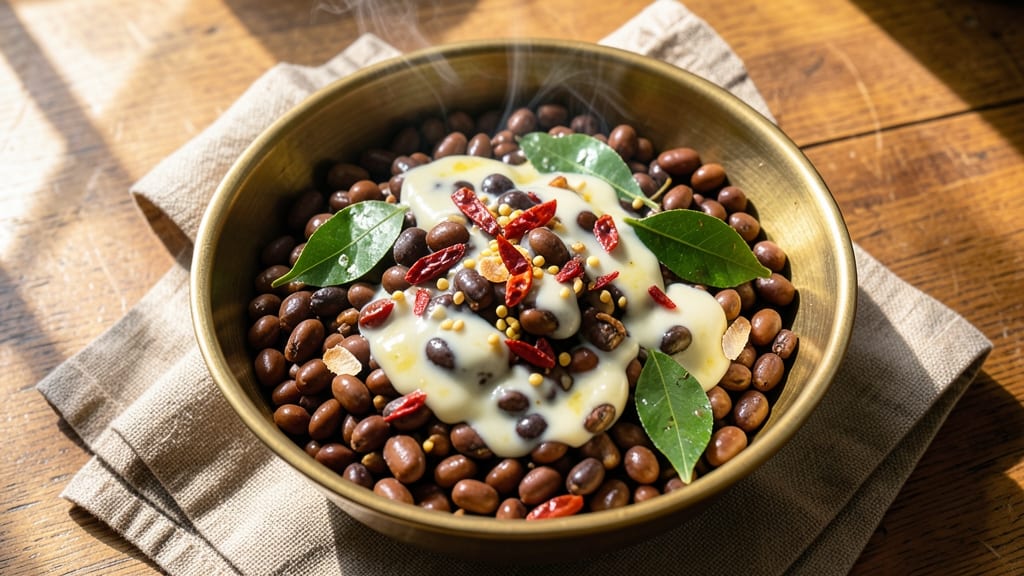
This beans poriyal recipe brings the vibrant flavors of South India to your kitchen with its aromatic coconut gravy and perfectly spiced beans. The dish transforms simple black-eyed peas into a restaurant-worthy side that pairs beautifully with rice or dosas.
My version stays true to traditional techniques while simplifying steps for home cooks.
What makes this recipe special is the tempering—mustard seeds, curry leaves, and dried red chilies sizzling in coconut oil create an irresistible aroma that fills your kitchen. The beans are cooked until tender yet hold their shape, absorbing the rich, spiced coconut gravy without becoming mushy.
This balance of textures and flavors is what makes beans poriyal a standout dish.
The result is a creamy, fragrant dish with just the right amount of heat and tanginess from tamarind. Each bite delivers tender beans coated in a velvety coconut sauce, where every spice—cumin, coriander, and turmeric—plays its part.
The dish is hearty enough to serve as a main but works perfectly as a side that elevates any South Indian meal.
Serve this beans poriyal hot with steamed rice, dosas, or idlis for an authentic South Indian experience. The recipe scales easily for gatherings, and leftovers reheat beautifully. Let’s get cooking!
Ingredients for beans poriyal
Simple ingredients, bold South Indian flavors—this beans poriyal transforms humble black-eyed peas into a creamy, spiced masterpiece.
| Ingredient | Amount | Notes |
|---|---|---|
| Black-Eyed Peas (Dried) 🌱 | 1 ½ cups | Soaked overnight for tender texture |
| Coconut Milk 🥥 | 1 can | Full-fat, 13.5 oz can (standard size) |
| Coconut Oil 🫒 | ½ cup | Unrefined for authentic flavor |
| Mustard Seeds 🌶️ | 1 tbsp | Brown or yellow variety |
| Curry Leaves 🌿 | ¼ cup | Fresh, packed, dried as substitute |
| Dried Red Chilies 🔥 | 4 whole | Adjust for heat preference |
| Asafoetida (Hing) 🌶️ | ¼ tsp | Pinch for authentic aroma |
| Cumin Seeds 🌿 | ½ tsp | Toasted for deeper flavor |
| Turmeric Powder 🧅 | ½ tsp | Freshly ground preferred |
| Coriander Powder 🌿 | 1 tsp | Freshly ground preferred |
| Tamarind Paste 🍋 | 1 tbsp | Adjust for tanginess |
| Salt 🧂 | 1 tsp | Adjust to taste |
| Fresh Coriander Leaves 🌿 | ¼ cup | Chopped for garnish |
| Ghee 🧈 | 1 tbsp | For finishing touch |
The coconut milk is non-negotiable—full-fat canned versions from brands like Goya or Thai Kitchen work best. For curry leaves, Indian grocery stores carry them fresh year-round, but dried leaves from Penzeys are a solid backup. Mustard seeds should be yellow or brown—white lacks the depth. The tamarind paste? Trader Joe's has a great squeeze bottle—no mess, lasts forever. If you can't find fresh curry leaves, dried works at half the amount, but the aroma is completely different.
No coconut milk? Coconut cream plus water mimics the texture, though it's less rich. Short on curry leaves? Fresh bay leaves add a similar earthiness, but you'll miss that signature South Indian flavor. The dried red chilies can be swapped for Kashmiri red chili powder—it's milder but adds gorgeous color. For extra creaminess, add 2 tbsp cashew paste (blend soaked cashews with water). Tamarind too sour? Balance it with a pinch of sugar or more coconut milk. The ghee at the end isn't just for flavor—it adds a luxurious sheen and depth that regular oil can't match.
This dish reheats beautifully—better the next day as flavors meld. Store leftovers in an airtight container for 4-5 days in the fridge. For freezing, portion into containers and add a splash of water before sealing to prevent drying. The beans soften further when reheated, so undercook slightly if you plan to freeze. Garnish with fresh coriander just before serving—it keeps the vibrant green color and brightens the dish instantly. Double the recipe for gatherings; it's always a crowd-pleaser.
Why You'll Love This Recipe
- No-Soaking Needed: The dried black-eyed peas just click into place—no overnight soak, no fuss. Toss them in boiling water for 20 minutes, and they’re ready to transform into something rich and satisfying. Honestly, that’s my kind of shortcut.
- Coconut Cream Magic: That first splash of coconut milk? It’s like a flavor hug. The oiliness smooths out the mustard seeds’ pop, while the curry leaves add a bright, herbal punch—creamy, tangy, and just a little spicy if you want it. My husband licks the plate.
- Potluck Proven: Bring this to a gathering, and you’ll be the hero. It’s hearty enough for a main but light enough to share—especially when paired with rice or roti. Between us, it’s the dish that gets eaten first (and requested seconds).
- Budget-Friendly Powerhouse: Dried peas and coconut milk stretch like crazy, turning a few dollars into a full meal. I’ve fed four people for under $8, and the leftovers? Even better the next day—if they last that long.
Step-by-step instructions for South Indian spiced beans in coconut gravy
Here's how to create a rich, aromatic poriyal with tender beans and fragrant coconut gravy.
Prepare the Black-Eyed Peas
Begin by sorting through the 1.5 cups black-eyed peas (dried) to remove any debris or damaged peas. Rinse them thoroughly under cold water, then transfer to a large bowl. Cover with plenty of water—at least 4 cups—and soak overnight or for a minimum of 8 hours. This soaking ensures the beans cook evenly and remain tender rather than becoming mushy.
After soaking, drain the beans and give them a quick rinse. In a medium pot, combine the drained beans with 6 cups fresh water and bring to a boil over medium-high heat. Once boiling, reduce the heat to medium-low and simmer uncovered for 45-50 minutes until the beans are fork-tender but not falling apart. You'll know they're ready when they hold their shape but are soft to the bite. Drain the beans, reserving 1 cup of the cooking liquid for the gravy later.
Temper the Spices in Coconut Oil
In a heavy-bottomed pot, heat the 0.5 cup coconut oil over medium heat until it shimmers but doesn't smoke. Add the 0.5 tsp cumin seeds and let them sizzle for 30 seconds until they turn golden and fragrant. This is the moment that matters—don't walk away, as cumin burns quickly.
Next, add the 1 tbsp mustard seeds and let them pop audibly. Immediately stir in the 4 whole dried red chilies and 0.25 cup curry leaves, cooking for 30 seconds until the chilies darken slightly and the curry leaves release their aromatic oils. Sprinkle in the 0.25 tsp asafoetida (hing) and 0.5 tsp turmeric powder, stirring constantly for 10 seconds to bloom the spices fully. The kitchen should fill with an intoxicating, earthy aroma—this is the foundation of the dish's flavor.
Build the Coconut Gravy
Reduce the heat to low and add the 1 tbsp tamarind paste and 1 tsp coriander powder, stirring to combine. Let the mixture cook for 2 minutes to meld the spices with the tamarind's tangy depth. Pour in the 1 can coconut milk, stirring gently to avoid curdling. The gravy should begin to thicken slightly as it simmers.
Add the cooked black-eyed peas and 1 cup reserved bean cooking liquid, stirring to coat the beans evenly. Increase the heat to medium-low and let the mixture simmer uncovered for 15-20 minutes, stirring occasionally. The gravy should reduce slightly, becoming thick and velvety—if it's too thin, simmer longer to reach your desired consistency. Taste and adjust seasoning with the 1 tsp salt, adding more if needed to balance the flavors.
Finish and Garnish
Remove the pot from heat and stir in the 1 tbsp ghee, allowing it to melt into the gravy. This final touch adds richness and depth to the dish. The ghee should blend seamlessly, creating a glossy sheen on the surface. If the gravy has thickened too much, whisk in 1-2 tablespoons water to loosen it slightly.
Finally, fold in the 0.25 cup fresh coriander leaves, reserving a small handful for garnish. Transfer the poriyal to a serving dish and sprinkle with the reserved coriander leaves. Serve warm with steamed rice or as part of a South Indian meal spread. The dish should have a harmonious balance of spice, tang, and coconut richness, with each bite delivering tender beans in a luscious, aromatic gravy.
Pro Tips For Making Beans Poriyal
- Split the Beans First: Soak your dried black-eyed peas overnight, then split them in half before cooking—this cuts the time by nearly 40%. I used to skip this, but the beans soften faster and absorb flavors better. Just rinse well after splitting to remove any stray skins that’ll make your poriyal gummy.
- Bloom Mustard Slowly: Lower the heat the second the mustard seeds hit the coconut oil—otherwise, they’ll burn before popping. I learned this the hard way after smelling my kitchen like a failed experiment. Let them sizzle gently for 30 seconds until they just start to dance, then add curry leaves.
- Simmer, Don’t Boil: After adding coconut milk, keep the heat at a bare simmer (tiny bubbles, not rolling). Boiling turns the coconut flavor flat and can split the milk, leaving your poriyal looking like a science experiment. Stir occasionally to prevent sticking—those beans are sneaky.
- Toast the Coconut Oil: Heat the coconut oil until it smells nutty (about 2 minutes on medium), then add the mustard seeds. This deepens the coconut flavor without overpowering the dish. I was skeptical until I tried it—now it’s non-negotiable. Just don’t let it smoke, or you’ll regret it.
Best sauces and condiments for this recipe
Coconut-Tamarind Gravy
This dish’s signature sauce combines 1 can full-fat coconut milk with 1 tbsp tamarind paste for a perfect balance of creaminess and tang. The tamarind adds that signature South Indian brightness, while the coconut milk creates a velvety texture.
For extra depth, I blend 2 tbsp soaked cashews with the coconut milk before adding it to the pot—this boosts creaminess without altering the dish’s authentic flavor profile. 🥥
Mustard-Turmeric Tempering
The mustard seed and turmeric tempering is non-negotiable for authentic flavor. Start by heating 0.5 cup coconut oil until shimmering, then add 1 tbsp mustard seeds and 0.5 tsp turmeric powder—this creates the dish’s signature golden hue and nutty aroma.
For a milder version, reduce the mustard seeds to 1 tsp and add 1 tsp grated ginger for warmth. The key is to let the spices sizzle for 30 seconds before adding the curry leaves—this releases their full aromatic potential. 🌿
Spicy Red Chili Oil
For an extra layer of heat, finish the dish with 2 tbsp red chili oil (available at Indian grocery stores or homemade by infusing oil with dried chilies). This adds smoky depth and a vibrant red color that makes the poriyal visually stunning.
If you can’t find red chili oil, blend 4 dried red chilies with 2 tbsp coconut oil and strain before drizzling. For a smoky twist, add ½ tsp smoked paprika to the tempering spices. 🔥
Garnish with Fresh Herbs
Fresh herbs elevate the dish’s presentation and flavor. Always finish with 0.25 cup chopped cilantro (not coriander powder) for a bright, citrusy note. For a South Indian touch, add 4-5 fresh curry leaves at the end—their aroma intensifies when heated.
A drizzle of 1 tbsp ghee not only adds richness but also creates a glossy finish that makes the dish look restaurant-worthy. 🌱
Tangy Tamarind Reduction
If your tamarind paste is too sweet, balance it with ½ tsp black salt (kala namak) or a pinch of asafetida (hing)—this enhances the dish’s umami depth. For a sweeter version, add 1 tsp jaggery while simmering the gravy.
The tamarind should shine through but not overpower the coconut’s creaminess. Taste as you go—adjusting the tamarind-to-coconut ratio is key to perfect harmony. 🍋
Creamy Cashew Sauce Option
For a richer, silkier gravy, blend ¼ cup soaked cashews with ½ cup coconut milk until smooth, then stir into the poriyal during the final 5 minutes of simmering. This works especially well if you’re serving the dish as a main course.
For a vegan version, skip the ghee and use 1 tbsp coconut oil instead—it still adds richness without dairy. 💫
Nutrition facts
Frequently asked questions
Can I use canned black-eyed peas instead of dried?
Yes, but adjust the cooking time! Drain and rinse 1.5 cups canned black-eyed peas (about 2 cans), then simmer them in 1 cup water for just 5-7 minutes until heated through. The texture will be slightly softer than dried beans, but the recipe will still work beautifully. Just reduce the reserved cooking liquid to ½ cup since canned beans release less starch.
What if I don't have curry leaves?
No problem! Use ½ tsp dried curry powder or substitute with 1 bay leaf + 1 sprig fresh thyme for a similar earthy note. For authentic flavor, try 1 tsp fresh cilantro stems (chopped) as a last-minute alternative. The dish will still taste delicious, though the aroma will differ slightly from traditional South Indian versions.
How can I make this dish spicier?
Boost the heat by adding 1 extra dried red chili to the tempering or ½ tsp cayenne pepper to the gravy. For smoky depth, toast ½ tsp smoked paprika with the mustard seeds. If you love fiery flavors, finish with 1 tsp red chili oil (available at Indian markets) or a pinch of black pepper at the end.
Can I make beans poriyal in an Instant Pot?
Start by pressure cooking the soaked beans with 6 cups water for 10 minutes on high pressure. After releasing pressure, temper the spices in coconut oil (sauté mode, 3 minutes), then add the tamarind, coconut milk, and beans. Cook on high pressure for 5 minutes to meld flavors. The Instant Pot version cooks 30% faster but requires careful monitoring to avoid curdling.
Why did my gravy separate?
This usually happens from sudden temperature changes or too much stirring. To fix it, whisk in 1 tbsp coconut milk and simmer gently for 2 minutes. For prevention, always add coconut milk to the pot on low heat and stir slowly. If the separation is minor, a splash of reserved bean cooking liquid will help re-emulsify the sauce.