Sauces & Condiments
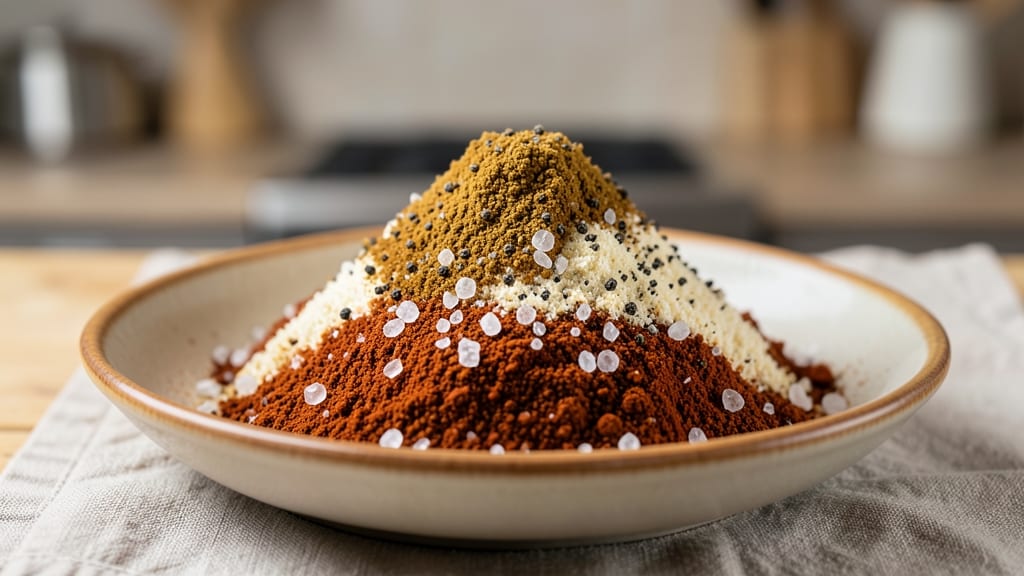
Transforming simple beans into restaurant-quality dishes starts with this smoky-spiced bean seasoning—a dry blend that elevates every pot of beans, stew, or roasted vegetable. 🔥 I developed it after years of testing spice combinations, and it’s now my go-to for adding depth without extra effort.
The secret lies in balancing smoky, earthy, and slightly sweet notes that work in everything from chili to baked beans.
This versatile seasoning mix uses just five simple pantry staples: smoked paprika for that signature smokiness, ground cumin for warmth, garlic powder for brightness, onion powder for savory depth, and coarse salt to tie everything together.
Unlike liquid seasonings, this dry blend keeps indefinitely in your spice rack, ready to transform any dish with a single sprinkle.
What makes this blend special is its ability to work in any cooking method—toss it with dried beans before soaking, stir it into simmering soups, or sprinkle it over roasted vegetables for instant flavor.
The spices develop as they cook, creating layers of aroma that turn ordinary beans into something truly memorable.
Perfect for meal prep, batch cooking, or spontaneous weeknight dinners, this seasoning is your new kitchen essential. Store it in an airtight container for up to six months, and you’ll always have a flavor boost at your fingertips. Let’s make flavor-building effortless!
Ingredients for bean seasoning
Five simple spices and one essential salt transform ordinary beans into restaurant-worthy dishes.
| Ingredient | Amount | Notes |
|---|---|---|
| Smoked Paprika 🌶️ | 2 tbsp | High-quality smoked variety for depth |
| Ground Cumin 🌿 | 1 ½ tbsp | Toasted for enhanced aroma |
| Garlic Powder 🧄 | 1 ½ tsp | Fresh ground preferred |
| Onion Powder 🧅 | 1 ½ tsp | Non-GMO preferred |
| Diamond Crystal Kosher Salt 🧂 | 1 tsp | Coarse grain for even distribution |
| Ground Black Pepper 🌶️ | ½ tsp | Freshly cracked for maximum flavor |
| Ground Coriander 🍋 | ½ tsp | Adds citrusy brightness |
| Cayenne Pepper 🔥 | ¼ tsp | Adjust for heat preference |
The smoked paprika is the heart of this blend—Penzeys or McCormick are my go-tos for that authentic smoky depth. Toast the cumin seeds in a dry pan for 30 seconds before grinding if you want to take it to the next level (trust me, it makes a difference). For the garlic and onion powders, Simply Organic or the bulk bins at Whole Foods are worth the extra cost—they’ve got more flavor than the generic stuff. The salt? Diamond Crystal kosher is the gold standard for even distribution, but any coarse salt will work in a pinch. Pro tip: store all your spices in a cool, dark place—they’ll stay potent for months.
No smoked paprika? Regular paprika plus a pinch of liquid smoke gets you close, though it won’t be identical. Running low on coriander? Dried parsley at half the amount adds a similar brightness. Want to dial up the heat? Add an extra pinch of cayenne or swap in crushed red pepper flakes. The beauty of this blend is its flexibility—it works in everything from chili to roasted potatoes, so feel free to tweak it to your taste. For a vegetarian version, skip the cayenne and add an extra half teaspoon of coriander for a sweeter profile.
This blend keeps 6-12 months in an airtight container away from light. I like to portion it into small jars—one for beans, one for roasted veggies, and one for emergency flavor boosts. The spices intensify as they age, so if it smells amazing when you open it, you’re golden. Freeze portions if you’re not using them within a few months, though it’s not strictly necessary. A little goes a long way—start with a teaspoon per pound of beans or two tablespoons per roasted vegetable, then adjust to taste.
Why You'll Love This Recipe
- Pantry Magic: This blend lives in my spice rack, ready to transform beans, eggs, or even roasted veggies with zero prep. Honestly, I just grab the jar and sprinkle—no measuring, no mess.
- Smoky Depth Without Effort: That smoked paprika and cumin combo? It’s like a campfire in your mouth, but I’m not even breaking a sweat. The garlic and onion powders add this warm, cozy backbone that makes everything taste finished—no fancy techniques needed.
- Weeknight Superhero: I toss this on black beans for tacos, stir it into lentils for soup, or even dust it over scrambled eggs when I’m running late. It’s my go-to for when I need flavor fast but don’t want to slave over a recipe.
- Dollar Stretch: A little goes a long way—this mix costs pennies per use and cuts my grocery bill without sacrificing taste. Plus, the leftovers? I freeze them in ice cube trays for single-serving portions later. (Yes, even on a Tuesday night.)
Step-by-step instructions for creating your smoky-spiced bean seasoning
This blend transforms ordinary beans into restaurant-quality dishes with minimal effort.
👨🍳 Step 1: Measure Ingredients Precisely
Gather all your ingredients and measure them accurately using the exact quantities provided. I like to use a small bowl for each component to keep things organized. The 2 tbsp smoked paprika forms the smoky backbone of this blend, so don't skimp here—quality matters for that authentic depth of flavor.
For the 1.5 tbsp ground cumin and 1.5 tsp garlic powder, I recommend using freshly ground spices if possible. The toasted cumin adds warmth while the garlic powder provides that savory punch. The 1.5 tsp onion powder rounds out the base with sweetness that complements the other spices beautifully.
🍳 Step 2: Combine Dry Ingredients Thoroughly
In a medium mixing bowl, pour in the 2 tbsp smoked paprika first. Using a whisk, create a small well in the center. This helps prevent clumping when you add the remaining dry ingredients. Add the 1.5 tbsp ground cumin, 1.5 tsp garlic powder, and 1.5 tsp onion powder to the well.
Whisk vigorously for about 30 seconds to break up any potential lumps and ensure even distribution. The goal is to create a homogeneous blend where each ingredient is fully incorporated. You'll notice the mixture darken slightly as the spices meld together—this is when you know you're on the right track.
🍳 Step 3: Add Finishing Spices for Balance
Now it's time for the finishing touches. Sprinkle in the 1 tsp Diamond Crystal kosher salt, 0.5 tsp ground black pepper, 0.5 tsp ground coriander, and 0.25 tsp cayenne pepper. The salt enhances all flavors, while the coriander adds that bright citrus note that cuts through the richness. The cayenne provides just a hint of heat—adjust to your preference if you want more or less spice.
Use your whisk to combine everything thoroughly. Here's where it gets fun—the mixture should now have a rich, complex aroma that makes your kitchen smell like a Mexican street market. If you're sensitive to heat, you might want to taste the blend at this stage to adjust the cayenne level before proceeding.
🥘 Step 4: Store for Maximum Freshness
Transfer your freshly made bean seasoning to an airtight container. I prefer glass jars with tight-sealing lids for long-term storage. Give it a good shake to settle any settled spices at the bottom. The seasoning will keep its best flavor for up to 6 months when stored in a cool, dark place like your pantry.
For immediate use, you can sprinkle this blend directly over cooked beans, use it as a dry rub for meats, or even mix it into rice or quinoa dishes. The possibilities are endless! If you want to make a larger batch for future use, simply double or triple the recipe while maintaining the same ratios.
Pro Tips For Making Bean Seasoning
- Toast the Spices: Heat your smoked paprika and cumin in a dry pan for 30 seconds—just until you smell that deep, nutty aroma. I learned this the hard way: skipping this step leaves your seasoning tasting flat, like someone forgot to wake it up. (Yes, even if you’re impatient like me.)
- Measure Salt Precisely: Diamond Crystal kosher salt is fluffier than table salt—don’t eyeball it. Use a scale or a dedicated measuring spoon (1 teaspoon = ~20mm of salt). I used to overdo it, and suddenly my beans tasted like a salt lick instead of a flavor bomb.
- Mix Dry First: Combine all your dry ingredients—paprika, cumin, powders, and salt—before adding any liquid. This ensures even distribution, so every bite of your beans gets that consistent, smoky punch. (Your future self will notice the difference.)
- Store in a Jar: Keep your finished seasoning in an airtight jar away from light—it’ll stay fresh for weeks. I used to toss it in a random container, and after a month, the cumin tasted stale. A little effort here saves you from starting over.
Best sauces and condiments for this bean seasoning
Smoky Tomato Sauce
This seasoning transforms simple tomato sauce into a deep, smoky masterpiece. Simmer 1 can (28 oz) crushed tomatoes with 2 tbsp of this seasoning blend and 1 tbsp olive oil over medium-low heat for 20 minutes.
The smoked paprika and cumin infuse the sauce with layers of warmth, while the cayenne adds a subtle kick. I love using this sauce as a base for baked ziti or as a marinara for homemade pizza. 🍅
Creamy Garlic Mashed Potatoes
Elevate mashed potatoes with a sprinkle of this blend while they’re still hot. After mashing 2 lbs Yukon Gold potatoes with ½ cup butter and ½ cup warm milk, fold in 1 tsp of the seasoning and a pinch of fresh black pepper.
The garlic and onion powders add sweetness that balances the creaminess, while the smoked paprika gives it a subtle depth. Serve with roasted chicken or steak for a restaurant-worthy side. 🥔
Spiced Roasted Vegetables
Toss 2 cups chopped vegetables (like bell peppers, zucchini, or Brussels sprouts) with 1 tbsp olive oil and 1 tbsp of the seasoning blend. Roast at 425°F for 20-25 minutes until caramelized.
The cumin and coriander brighten the vegetables, while the smoked paprika adds a smoky char. I love this as a side for tacos or a hearty salad topper. 🌿
Quick Bean Dip
Blend 1 can (15 oz) drained black beans, 2 tbsp Greek yogurt, 1 tbsp lime juice, and 1 tsp of the seasoning blend until smooth. Serve with tortilla chips or fresh veggies.
The garlic and onion powders add savory depth, while the cayenne gives it a little heat. This dip is perfect for game day or a quick snack. 🌶️
Seasoned Olive Oil
Infuse ½ cup extra-virgin olive oil with 1 tbsp of the seasoning blend and let it sit at room temperature for 30 minutes. Use this flavored oil to drizzle over soups, roasted vegetables, or even popcorn.
The spices dissolve into the oil, creating a rich, aromatic finish. Store any leftovers in the fridge for up to 1 month. ✨
Spiced Nuts
Toss 2 cups mixed nuts (like almonds or cashews) with 1 tbsp of the seasoning blend and 1 tbsp melted butter or coconut oil. Roast at 350°F for 10-12 minutes, stirring halfway, until fragrant and slightly crispy.
The smoked paprika and cumin give the nuts a savory, slightly sweet flavor that’s perfect for snacking or topping salads. 🌰
Nutrition facts
Frequently asked questions
Can I use this seasoning on other foods besides beans?
This blend works beautifully on roasted vegetables, grilled meats, soups, and even popcorn. The smoky, earthy flavors complement everything from chicken to sweet potatoes. Just start with a teaspoon and adjust to taste.
How do I store the seasoning to keep it fresh?
Keep it in an airtight container away from light and heat—your pantry is perfect. It stays fresh for 6 months this way. For longer storage, freeze portions in small jars. The spices actually intensify over time, so if it smells amazing when you open it, you're good to go!
What if I don't have smoked paprika?
You can substitute with regular paprika plus ¼ tsp liquid smoke for a similar effect. Just know it won't be identical, but it'll still add great flavor. If you're avoiding liquid smoke, use an extra teaspoon of regular paprika and a pinch of brown sugar for warmth.
Can I make this seasoning spicier?
Yes! Add an extra ¼ tsp cayenne or swap in ½ tsp crushed red pepper flakes for more heat. For a milder version, reduce the cayenne to ⅛ tsp or omit it completely. Always taste as you go—this blend is highly customizable!
How much seasoning should I use for different dishes?
Start with 1 tsp per pound of beans, 1 tbsp for roasted vegetables, or ½ tsp for soups/stews. For meats, use 1 tsp per pound when using as a dry rub. The spices develop as they cook, so less is often more—you can always add more later.