
Main Courses
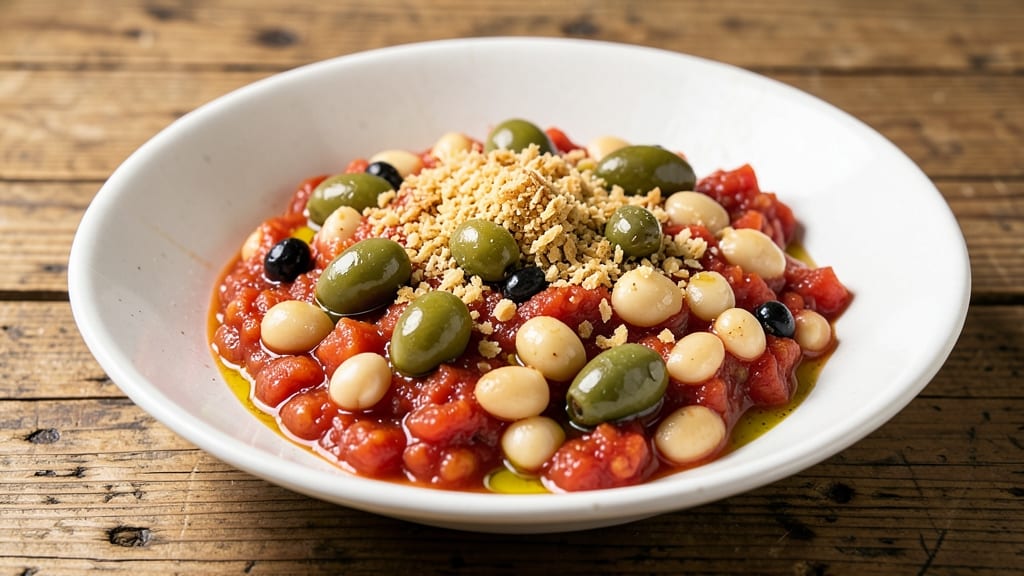
This bean puttanesca recipe delivers the briny, tangy complexity of Italy’s most beloved pasta dish—without relying on meat. The secret lies in balancing capers, olives, and tomatoes with garlic and anchovies (or vegan substitutes) to create a sauce that clings to al dente pasta like a second skin.
I’ve perfected this version over years of testing, ensuring every bite delivers that perfect harmony of salty, sweet, and umami flavors.
What sets this recipe apart is the method: slow-cooked white beans (or canned for convenience) blend seamlessly into the sauce, adding heartiness without overpowering the bold Mediterranean flavors.
The key steps—sautéing garlic until fragrant, dissolving anchovies in olive oil, and letting the tomatoes simmer until rich—transform simple ingredients into something restaurant-worthy. Even beginners will achieve professional results with this straightforward approach.
By the time you twirl that first forkful, you’ll taste layers of flavor: bright capers, briny olives, sweet tomatoes, and the deep umami of garlic and anchovies (or mushrooms for vegan). The sauce coats each strand of pasta perfectly, creating a dish that’s as satisfying as it is elegant.
This is the kind of meal that makes weeknight dinners feel like a night out in Rome.
Optional adjustments let you customize for dietary needs—swap anchovies for vegan fish sauce or mushrooms, and use vegetable broth instead of water for cooking beans. Serve with crusty bread to soak up every last drop of that flavorful sauce. Let’s get cooking!
Ingredients for bean puttanesca
The Mediterranean pantry staples that create this restaurant-quality bean puttanesca—no meat, all flavor.
| Ingredient | Amount | Notes |
|---|---|---|
| Extra-Virgin Olive Oil 🫒 | ½ cup | High-quality, fruity variety preferred |
| Garlic Cloves 🧄 | 6 cloves | Fresh, peeled, minced finely |
| Canned White Beans 🥫 | 2 cups | Drained, rinsed, or slow-cooked |
| Canned San Marzano Tomatoes 🍅 | 28 oz | Crushed or diced, no salt added |
| Capers 🧂 | ¼ cup | Packed in brine, rinsed well |
| Kalata Olives 🫒 | ½ cup | Pitted, sliced, or whole |
| Vegetarian Anchovy Fillets 🐟 | 2 tbsp | Vegan substitute if needed |
| Dried Oregano 🍃 | 1 tsp | Fresh oregano at 3x amount |
| Red Pepper Flakes 🌶️ | ½ tsp | Adjust for heat preference |
| Diamond Crystal Kosher Salt 🧂 | 1 ½ tsp | Adjust to taste |
| Freshly Ground Black Pepper 🌶️ | ½ tsp | Freshly cracked preferred |
| Spaghetti 🍝 | 12 oz | Al dente preferred |
| Vegetable Broth 💧 | 1 cup | Low-sodium preferred |
| Lemon Juice 🍋 | 1 tbsp | Freshly squeezed |
| Fresh Basil Leaves 🌿 | ¼ cup | Chopped for garnish |
The quality of your olive oil and tomatoes makes all the difference here. San Marzano tomatoes are the gold standard—look for the official DOP label at Whole Foods or specialty Italian markets. For capers, Mazzagatti or Caiazza brands deliver the brightest flavor, though any high-quality jarred capers work. The white beans should be tender but not mushy—cannellini or great northern beans work perfectly. If using dried beans, soak overnight for optimal texture. Fresh garlic is non-negotiable—it should smell pungent and have no green sprouts.
No vegetarian anchovies? Mushroom powder or vegan fish sauce provides the umami depth, though nothing quite matches the authentic flavor. Kalata olives can be swapped for green olives or sun-dried tomatoes, but reduce the amount by half to maintain balance. For a quicker version, use fire-roasted diced tomatoes instead of crushed, though they lack the same depth. The oregano should be Italian or Mediterranean blend—regular oregano lacks that earthy complexity. If you can't find Kalata olives, pitted green olives work in a pinch, but they'll alter the flavor profile slightly.
This sauce develops deeper flavor the next day, so make it ahead and refrigerate. The beans and tomatoes keep for 5-6 days in the fridge, while the olives and capers last 6-12 months unopened. For best results, store the sauce in an airtight container with a thin layer of olive oil on top to preserve freshness. The pasta should be cooked al dente and tossed immediately with the sauce—undercooked pasta absorbs sauce better. Garnish with fresh basil just before serving to maintain its vibrant color and aroma.
Why You'll Love This Recipe
- Here’s what sold me: the way briny capers and sweet San Marzano tomatoes collide with garlic and olive oil. It’s salty, tangy, and rich without a drop of cream—just pure, addictive flavor. That first bite? Instantly makes me reach for seconds.
- Pantry Magic: I swear by this recipe when I’m staring at a half-empty fridge. Canned beans, tomatoes, and capers? That’s it—no fancy shopping, no wilting veggies waiting for their turn. The only prep is mincing garlic (and even that’s just 3 cloves), then letting the olive oil and heat work their magic.
- Umami Bomb: Here’s what sold me: the way briny capers and sweet San Marzano tomatoes collide with garlic and olive oil. It’s salty, tangy, and rich without a drop of cream—just pure, addictive flavor. That first bite? Instantly makes me reach for seconds.
- Leftover Hero: This dish thrives the next day. The flavors deepen as the capers mellow out, and the beans soak up all that gorgeous sauce. I double the batch on Sundays because it’s perfect cold in salads, reheated with crusty bread, or even stuffed into a tortilla for lunch.
Step-by-step instructions for bean puttanesca
This rustic Italian dish transforms simple ingredients into a vibrant, briny masterpiece.
Sauté Garlic and Anchovies in Olive Oil
Heat the 0.5 cup extra-virgin olive oil in a large skillet over medium-low heat. Add the 6 cloves minced garlic cloves and cook for 2-3 minutes until the garlic becomes fragrant but doesn't brown. This gentle cooking preserves the garlic's sweetness rather than letting it burn.
Increase heat to medium and add the 2 tablespoons vegetarian anchovy fillets, stirring constantly for 1 minute until they dissolve completely. The anchovies will infuse the oil with their umami depth, forming the flavor foundation. If the mixture smells too strong at this stage, don't worry—it will mellow as other ingredients join.
Add Tomatoes, Capers, and Olives
Pour in the 28 ounces canned San Marzano tomatoes, crushing any large chunks with a wooden spoon. Stir in the 0.25 cup capers and 0.5 cup Kalata olives, ensuring they're evenly distributed throughout the mixture. The capers will add their signature briny tang while the olives contribute a satisfying texture contrast.
Bring the mixture to a gentle simmer and let it cook uncovered for 10-12 minutes, stirring occasionally. You'll notice the sauce reducing slightly and developing a rich, complex aroma. This reduction concentrates the flavors and creates the perfect balance between the tomatoes' acidity and the capers' saltiness.
Incorporate Beans and Seasonings
Add the 2 cups canned white beans, 1 teaspoon dried oregano, 0.5 teaspoon red pepper flakes, 1.5 teaspoons diamond crystal kosher salt, and 0.5 teaspoon freshly ground black pepper. Stir well to combine, then pour in the 1 cup vegetable broth. The beans will absorb the flavorful liquid, becoming tender while maintaining their structure.
Simmer the mixture for 8-10 minutes until the sauce thickens slightly and coats the back of a spoon. Taste and adjust seasoning if needed—bean puttanesca should balance sweet, salty, tangy, and umami notes. If the sauce is too thick, add 1-2 tablespoons water to reach your preferred consistency.
Cook the Spaghetti Al Dente
While the sauce simmers, bring a large pot of salted water to a rolling boil. Add the 12 ounces spaghetti and cook until 1 minute shy of package directions for al dente texture. Reserve 1 cup pasta water before draining, as this starchy liquid helps emulsify the sauce.
Drain the pasta and immediately add it to the puttanesca sauce in the skillet. Toss vigorously for 1-2 minutes, adding reserved pasta water as needed to create a silky coating. The pasta should absorb the sauce while maintaining its bite. Remove from heat and stir in the 1 tablespoon lemon juice—this brightens the flavors and cuts through the richness.
Finish and Serve
Transfer the puttanesca to serving plates and garnish with 0.25 cup chopped fresh basil leaves. The basil adds a fresh, herbal note that contrasts beautifully with the briny, umami-rich sauce. Serve immediately while the pasta is still hot and the flavors are at their peak.
Each bite should deliver a perfect balance of textures—al dente pasta, tender beans, briny capers, and meaty olives—all bound together by a vibrant, flavorful sauce. The dish improves with a day's rest as the flavors meld further, but it's best enjoyed fresh from the skillet.
Pro Tips For Making Bean Puttanesca
- CRUSH THE GARLIC: Use a mortar and pestle—or the flat side of your knife—to smash the whole cloves into a paste before cooking. I learned this the hard way: mincing garlic first burns faster, and you end up with bitter, acrid flavor instead of that sweet, nutty depth Puttanesca needs. (Yes, even if you’re impatient like me.)
- SIMMER THE TOMATOES FIRST: Drain the San Marzano tomatoes, crush them by hand, then cook them in the pot for 5–7 minutes before adding anything else. This breaks down the skins and intensifies the sweetness—no blender required. I used to skip this, and the sauce always tasted watery and underdeveloped.
- DRAIN THE BEANS WELL: Rinse the canned white beans thoroughly under cold water, then drain them in a colander for at least 2 minutes. The starchy water in canned beans makes the sauce gluey, and you don’t want a thick, pasty mess. (Pro move: Pat them dry with a towel if you’re really picky.)
- TOAST THE CAPERS: Heat the capers in a dry pan for 30 seconds before adding them to the sauce. This removes their raw, briny sharpness and lets their salty complexity shine. I was skeptical until I tried it—now I can’t imagine skipping it. (Bonus: They’ll cling better to the beans.)
Common mistakes when making this recipe
Overcooking the Garlic
Garlic is the flavor foundation, and burning it ruins everything. I’ve seen people crank the heat too high, turning that sweet, fragrant garlic into bitter, acrid bits.
Cook it over medium-low heat for 2-3 minutes until just golden—no color changes beyond that. If you smell something harsh, you’ve gone too far. 🌡️
Skipping the Anchovy Dissolve
Anchovies aren’t just flavor—they’re the secret umami glue. If you don’t cook them long enough, they’ll clump and create a fishy aftertaste instead of blending smoothly. Stir them constantly for 1 full minute until they disappear completely into the oil.
For vegan versions, use mushroom powder (½ tsp) or vegan fish sauce (1 tbsp) to mimic that depth.
Underseasoning the Sauce
Puttanesca is bold, so don’t hold back on salt and acid. Taste the sauce before adding pasta—it should taste slightly too salty and tangy at first. Adjust with kosher salt and lemon juice as needed.
I’ve seen people serve it bland because they waited until the end to season. Trust me, the sauce needs that briny punch upfront. 🧂
Using the Wrong Olives
Kalata olives are the gold standard, but many recipes call for generic green olives. If you swap, use half the amount—they’re milder and less briny. I once used pitted black olives by mistake, and the dish lost its signature texture contrast.
Stick to Kalata or green olives for that perfect meaty bite.
Ignoring the Pasta Water
Reserving 1 cup pasta water is non-negotiable. It’s the emulsifier that turns a clumpy sauce into a silky coat. Without it, your puttanesca will look dry and gloppy. Add it 1 tablespoon at a time while tossing the pasta—this is how Italian nonnas make their sauce cling perfectly. 💧
Rushing the Simmer
This sauce needs time to develop its layers. Skipping the 10-12 minute simmer means missing the flavor reduction where tomatoes deepen and capers mellow. If you’re in a hurry, at least simmer for 8 minutes—but don’t expect restaurant-quality results. Patience here makes all the difference.
Nutrition facts
Frequently asked questions
Can I make this bean puttanesca without anchovies?
For a vegetarian version, use ½ teaspoon mushroom powder or 1 tablespoon vegan fish sauce to replicate the umami depth. The key is balancing saltiness—reduce other salty ingredients like capers or olives slightly if needed. Some cooks also add 1 tablespoon nutritional yeast for extra richness.
What's the best pasta shape for this dish?
While spaghetti is traditional, bucatini or linguine work beautifully too. For maximum sauce cling, try rigatoni or penne—their ridges trap the briny bean mixture perfectly. Avoid delicate shapes like farfalle, which can break when tossed with the olives and capers.
How do I store leftovers?
Store in an airtight container for up to 4 days in the fridge. The sauce actually improves overnight as flavors meld! Reheat gently on the stove with 1-2 tablespoons water to restore creaminess. For freezing, portion before adding pasta to prevent sogginess—sauce only keeps for 3 months.
Why does my sauce taste too salty?
Capers and olives pack serious saltiness—taste before adding pasta! If needed, balance with 1 tablespoon lemon juice or 1-2 tablespoons water to dilute. For future batches, reduce capers by 2 tablespoons or use unsalted olives. The beans also absorb salt, so don't overdo it in the initial seasoning.
Can I make this ahead of time?
Yes! Prepare the sauce up to 2 days ahead and refrigerate. Reheat slowly on low heat, then toss with freshly cooked pasta. For best texture, reserve the pasta water separately and add it fresh when combining. The beans will soften further when reheated, which actually enhances their creaminess.