
Appetizers
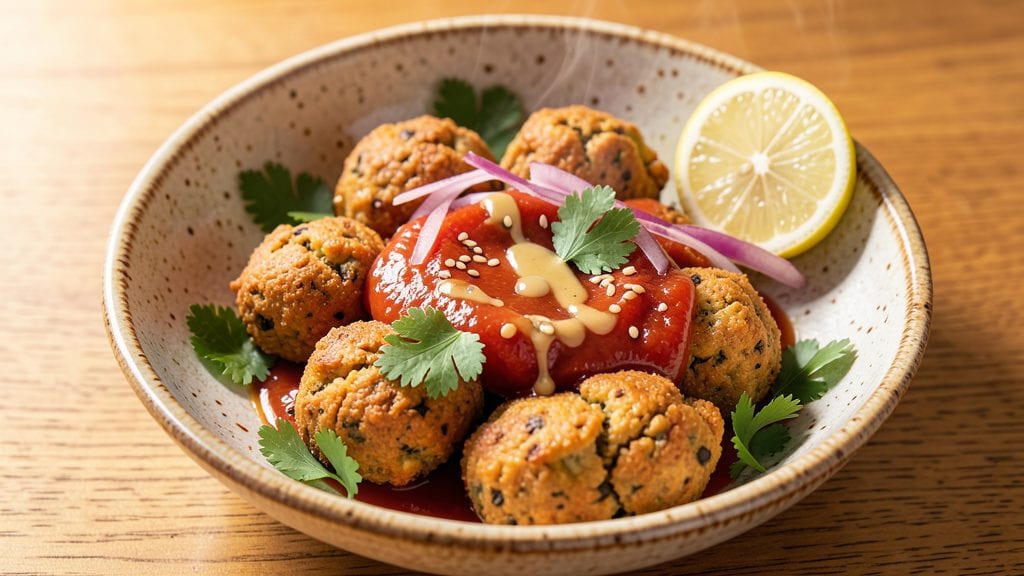
This bean falafel recipe delivers the crispy, golden perfection of Middle Eastern street food right in your kitchen—no special equipment required. The secret lies in blending chickpeas with fresh herbs and a precise binding technique that creates falafel with a crunchy exterior and tender interior every time.
I developed this version after years of testing, balancing traditional methods with modern shortcuts like air-frying for a healthier option.
The foundation starts with properly soaked chickpeas, blended with parsley, cilantro, and garlic until you achieve that signature herby texture. A touch of flour or chickpea flour acts as the binder, while lemon juice keeps the mixture fresh.
The shaping technique—rolling into smooth, compact balls—is what ensures those perfect crispy edges when fried or baked. This recipe serves as both an appetizer and a protein-rich main dish, perfect for vegan diets.
What you'll end up with are falafel that are golden brown and irresistibly crispy, whether you pan-fry them in oil or bake them in the oven. Serve warm in pita bread with tahini sauce, pickled vegetables, and a sprinkle of sesame seeds for the full experience.
The aroma alone will have everyone asking for seconds—these are the kind of crispy chickpea bites that transform any meal into something special.
Best of all, this recipe scales beautifully for parties or meal prep. Make a batch ahead and store them in the fridge for up to 3 days, reheating in the oven to restore crispiness.
Whether you're a seasoned home cook or new to Middle Eastern flavors, this falafel recipe delivers restaurant-quality results with minimal effort.
Ingredients for bean falafel
Crispy chickpeas, fresh herbs, and a herby secret blend—this is your falafel game-changer!
| Ingredient | Amount | Notes |
|---|---|---|
| Dried Chickpeas 🌱 | 1 ½ cups | Soaked overnight, drained |
| Fresh Parsley 🌿 | ½ cup | Stems removed, loosely packed |
| Fresh Cilantro 🌿 | ¼ cup | Stems removed, loosely packed |
| Garlic Cloves 🧄 | 5 cloves | Peeled, roughly chopped |
| Chickpea Flour 🌾 | ½ cup | Or all-purpose flour |
| Lemon Juice 🍋 | 2 tbsp | Freshly squeezed |
| Ground Cumin 🌿 | 1 tsp | Toasted for deeper flavor |
| Ground Coriander 🌶️ | 1 tsp | Freshly ground preferred |
| Salt 🧂 | 1 tsp | Sea salt preferred |
| Black Pepper 🌶️ | ½ tsp | Freshly ground |
| Vegetable Oil 🫒 | 1 ½ cups | For frying, high smoke point |
| Sesame Seeds 🌾 | 1 tbsp | For garnish, toasted |
The chickpeas are non-negotiable here. Trader Joe's or Whole Foods have the best quality dried chickpeas—look for organic if you can. Soak them overnight in plenty of water (about 12 hours), then drain and rinse. The herbs make or break the flavor—fresh parsley and cilantro from the grocery store's produce section are ideal, but if they're wilted, skip them and double up on cilantro. The garlic? Fresh is a must—jarred minced garlic lacks the punch. Toast your spices in a dry pan for 30 seconds before grinding for that extra depth of flavor. I always grab extra chickpea flour at Bob's Red Mill—it's the secret to that perfect bind without overpowering the chickpea taste.
No chickpea flour? All-purpose flour works in a pinch, but the texture won't be quite as tender. Short on parsley? Fresh dill or mint can stretch it, but stick to the parsley-cilantro combo for authenticity. The lemon juice is key—freshly squeezed keeps the mixture bright and prevents browning. Running low on vegetable oil? Avocado oil or refined coconut oil are great swaps, but avoid flavored oils. For the sesame seeds, toast them in a dry pan for 1-2 minutes until golden—this brings out their nutty flavor. If you're air-frying, reduce the oil to 1 tbsp per batch and brush lightly on the falafel before cooking.
Falafel mix keeps in the fridge for 2 days before shaping, but it's best used fresh. Store the shaped falafel in an airtight container with a paper towel to absorb moisture—keeps 3 days in the fridge. To reheat, bake at 375°F for 10-15 minutes to restore crispiness. Freeze uncooked falafel balls on a tray first, then transfer to a bag—they'll keep for 3 months. Pro tip: Air-fry in batches for the crispiest results without deep-frying. These are perfect for meal prep—make a big batch and freeze half for later!
Why You'll Love This Recipe
- No-Soak Needed: I’ll be real—soaking dried chickpeas overnight is a pain. This recipe skips it entirely, just tossing them in boiling water for 2 hours. That’s 2 fewer hours of planning, and the texture stays perfect—no gummy mess.
- Herb-Packed Punch: The parsley and cilantro aren’t just garnish here—they’re the stars. I blend them right into the batter, and that bright, fresh garlic kick makes every bite taste like a Mediterranean vacation. (Yes, even on a Tuesday night.)
- Freezer-Friendly Magic: Make a big batch, freeze the raw dough in balls, and bake as needed. I keep a stash in my freezer for lazy nights—just toss them in the oven while I chop veggies for a salad. No wasted effort, no last-minute stress.
- Pantry Staple Power: Chickpeas, flour, garlic—ingredients you already own. No specialty items, no overpriced falafel mix. Honestly, this is my go-to when I’m broke or lazy (or both), and it still tastes like I slaved over it.
Step-by-step instructions for crispy chickpea bites
Here's how to craft these golden, herby falafel with a secret texture trick that guarantees crispiness every time.
Soak and Process the Chickpeas
Place the 1.5 cups dried chickpeas in a large bowl and cover them completely with water. Let them soak overnight or for at least 12 hours—this ensures they soften evenly for perfect texture. Drain and rinse thoroughly after soaking.
Transfer the soaked chickpeas to a food processor fitted with the metal blade. Pulse them in batches until you achieve a coarse, crumbly texture—think like damp sand with some larger pieces still visible. Avoid over-processing or you'll end up with a dense paste instead of light, airy falafel. The goal is to break down the chickpeas while preserving some structure for that signature bite.
Build the Herby Chickpea Mixture
In the same food processor, add the 0.5 cup fresh parsley, 0.25 cup fresh cilantro, 5 cloves garlic cloves, 0.5 cup chickpea flour, 2 tablespoons lemon juice, 1 teaspoon ground cumin, 1 teaspoon ground coriander, 1 teaspoon salt, and 0.5 teaspoon black pepper. Process everything together until you get a thick, sticky paste that clings to the sides of the bowl when you lift the blade.
Here's the secret: scrape down the sides frequently and pulse between additions to ensure even distribution of the fresh herbs and spices. The mixture should hold together when pressed but still be loose enough to shape easily. If it's too dry, add 1 tablespoon of water at a time until it reaches the perfect consistency. Too wet and your falafel will fall apart during frying—aim for something that sticks together when you squeeze a small portion.
Shape and Chill the Falafel
Transfer the mixture to a bowl and let it rest for 15 minutes at room temperature. This allows the flavors to meld and the texture to firm up slightly. While it rests, line a baking sheet with parchment paper and lightly grease it with vegetable oil.
Using your hands, roll the mixture into 1-inch balls, packing them gently but firmly. Place them on the prepared baking sheet, spacing them about 1 inch apart—this prevents them from sticking together during frying. For extra crispiness, I like to make slight indentations on the top of each ball with my thumb before chilling. Cover the baking sheet and refrigerate for 30 minutes to firm up the falafel. This chilling step is crucial—it helps them hold their shape during frying and ensures that crispy exterior we're after.
Fry to Golden Perfection
Heat 1.5 cups vegetable oil in a deep skillet or Dutch oven over medium heat until it reaches 350°F—use a thermometer to monitor this precisely. The oil should be hot enough to sizzle gently when you add a small piece of falafel. Too low and they'll absorb oil instead of crisping.
Carefully add 4-5 falafel at a time to the hot oil, being careful not to overcrowd the pan. Fry for 3-4 minutes per side until they turn a deep golden brown color. You'll know they're done when they float to the surface—this is your signal that they're properly cooked through. Use a slotted spoon to remove them and drain on a paper towel-lined plate. The key here is patience—rushing will result in pale, greasy falafel instead of crispy, golden bites.
Garnish and Serve Immediately
While still warm, sprinkle the fried falafel with 1 tablespoon toasted sesame seeds. This adds a nutty crunch and beautiful contrast to the golden exterior. Serve them immediately while they're at their crispiest—falafel lose their texture quickly as they cool.
For the ultimate experience, serve with warm pita bread, tahini sauce, and a fresh cucumber salad. The contrast of crispy falafel with cool, creamy sauce and fresh vegetables makes every bite incredible. These falafel should be golden brown all over with a crisp exterior that gives way to a tender, herby interior. If they're not perfectly crispy, your oil might not have been hot enough—next time, let it heat up a bit longer before frying.
Pro Tips For Making Bean Falafel
- SOAK CHICKPEAS 12 HOURS: Dried chickpeas need time to soften properly—don’t cut corners with a quick soak. I used to rush this and end up with a mushy, unrecognizable falafel mix. Twelve hours in cool water (with a pinch of baking soda) guarantees they’ll break down just enough to blend smoothly without turning to paste.
- PULSE NOT GRIND HERBS: Fresh parsley and cilantro should pulse in short bursts, not turn into a green slurry. Over-processing releases bitter juices and turns your falafel into a sad, watery mess. Stop when the herbs are still chunky—you want texture, not a smoothie.
- CHILL THE MIX 30 MINUTES: Skipping this step is how you end up with falafel that falls apart in your hands. The dough needs time to firm up—stick it in the fridge while you prep the oil. Cold dough holds its shape better and crisps up properly in the fryer.
- USE LESS FLOUR THAN YOU THINK: Chickpea flour absorbs moisture like crazy, so start with just 2 tablespoons per cup of soaked chickpeas. If the mix feels dry, add a splash of water—but resist the urge to overdo it. Too much flour makes falafel dense and gummy.
Pro cooking tips for bean falafel
Herb Texture Mastery
The secret to that signature herby flavor starts with fresh parsley and cilantro—never dried substitutes. I pulse the herbs in batches with the chickpeas to distribute their oils evenly. For extra depth, add 1 tbsp of chopped mint if you love that fresh, bright note.
The key is to avoid over-processing—stop when the mixture still has slight texture, not a smooth paste. This ensures your falafel stays tender inside while crisping perfectly. 🌿
Binding Without Glue
Chickpea flour is your best friend here, but if you're out, all-purpose flour works in a pinch. The trick is to add it gradually while pulsing—the mixture should hold together when pressed but still be moldable.
Too much flour makes falafel dense; too little causes them to crumble. I test consistency by squeezing a small portion—if it sticks together but doesn't stick to your fingers, you're golden. 💡
Oil Temperature Control
This is where crispy falafel make or break. Use a thermometer to hit 350°F—any lower and they'll absorb oil like a sponge. I like to test the oil by dropping in a tiny piece of falafel; if it sizzles immediately and floats within 30 seconds, it's ready.
Too cool? Let it heat up another 2 minutes. The goal is golden brown in 3-4 minutes per side, not pale and greasy. 🌡️
Chilling for Structure
Never skip the 30-minute chill—this firms up the falafel so they hold their shape during frying. I place them on a parchment-lined tray and refrigerate uncovered to prevent steam buildup.
Pro tip: Use a cookie scoop for uniform-sized falafel that cook evenly. If your mixture is too sticky after chilling, dip your hands in cold water before shaping. ❄️
Air-Fry Shortcut
For a lighter version, air-fry at 375°F for 12-15 minutes, flipping halfway. Brush falafel lightly with 1 tsp oil before cooking to promote crispiness. I find this method uses 80% less oil while still delivering that satisfying crunch.
Just avoid overcrowding the basket—cook in single layers for best results. 💨
Frying in Batches
Never overcrowd the pan—4-5 falafel per batch is ideal. I use a slotted spoon to carefully transfer them to a paper towel-lined plate, patting gently to remove excess oil. The first batch always tests your oil temp, so adjust heat as needed.
For extra crispiness, I like to double-fry: fry once at 325°F for 2 minutes, then increase to 375°F for 1-2 minutes until golden. 🔥
Nutrition facts
Frequently asked questions
Can I use canned chickpeas instead of dried for falafel?
Yes, but with adjustments! Drain and rinse 1 (15 oz) can of chickpeas thoroughly, then pat them completely dry with a towel. For best texture, mash them lightly with a fork before processing with herbs. Canned chickpeas work best when fresh (not from a dented can) and require slightly more flour (1/4 cup extra) to bind properly. The flavor will be slightly milder than dried, but still delicious.
Why did my falafel fall apart when frying?
This usually happens when the mixture is too wet or wasn't chilled properly. Check your chickpea-to-flour ratio—too much moisture (from un-drained chickpeas or extra lemon juice) weakens the structure. Always refrigerate shaped falafel for 30 minutes before frying, and make sure your oil is hot enough (350°F) so they crisp immediately rather than absorbing moisture.
How do I make falafel without a food processor?
No problem! Start by soaking and draining your chickpeas, then mash them coarsely with a fork or potato masher. Mix in all ingredients by hand in a bowl, using your fingers to work the herbs and spices into the chickpea texture. The mixture will be slightly chunkier, but still delicious. For binding, add flour 1 tablespoon at a time until the mixture holds together when pressed.
Can I bake falafel instead of frying?
Preheat oven to 375°F and brush shaped falafel lightly with oil. Bake on a parchment-lined tray for 20-25 minutes, flipping halfway, until golden. For extra crispiness, broil for 1-2 minutes at the end. Baked falafel will be slightly less crispy than fried but still delicious—great for a healthier option.
What's the best way to store leftover falafel?
Store cooked falafel in an airtight container with a paper towel to absorb moisture. They'll keep in the fridge for 3-4 days. To reheat, bake at 375°F for 10 minutes to restore crispiness. For freezing, shape falafel but don't cook them first—freeze on a tray, then transfer to a bag. Cook from frozen in the oven or air fryer, adding 2-3 extra minutes to cooking time.