
Sauces & Condiments
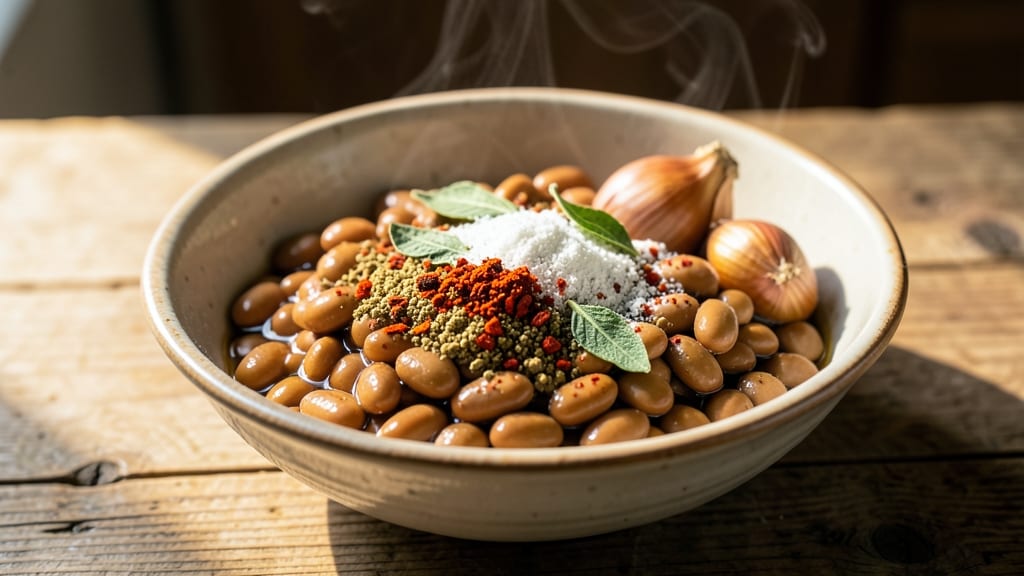
Creating a badia pinto bean seasoning transforms simple beans into a smoky, spiced masterpiece that elevates every dish. This dry blend captures the soul of Latin American cooking with precise measurements and bold flavors—ideal for chili, stews, or even grilled meats.
I developed it after years of testing, ensuring every tablespoon delivers depth without overpowering.
The secret lies in balancing earthy spices like cumin and smoked paprika with warm oregano and a touch of cayenne for heat. Traditional techniques call for toasting whole spices first, releasing their oils before grinding, which intensifies the aroma.
This blend is designed to be versatile—sprinkle it on beans while simmering, stir into soups, or even use it as a dry rub for meats.
What sets this seasoning apart is its ability to transform basic ingredients into something extraordinary. The smoky notes from the paprika and garlic powder create a rich, complex flavor profile that pairs perfectly with pinto beans.
Store it in an airtight container for up to six months, ready to bring that restaurant-quality taste to your kitchen anytime.
Whether you're making a hearty chili or a simple bean dish, this seasoning is your shortcut to professional results. Let’s get started with the ingredients and instructions that will change how you flavor your meals.
Ingredients for badia pinto bean seasoning
Nine spices, one transformative blend—this smoky-sweet seasoning turns humble beans into a restaurant-worthy centerpiece.
| Ingredient | Amount | Notes |
|---|---|---|
| Ground Cumin 🌿 | 2 tbsp | Toasted for deeper aroma |
| Smoked Paprika 🌶️ | 2 tbsp | High-quality smoked variety |
| Dried Oregano 🍃 | 1 ½ tbsp | Mexican oregano preferred |
| Garlic Powder 🧄 | 1 ½ tbsp | Freshly ground preferred |
| Onion Powder 🧅 | 1 tbsp | No lumps for even seasoning |
| Ground Cayenne Pepper 🔥 | ½ tbsp | Adjust for desired heat |
| Ground Coriander 🌿 | 1 tbsp | Adds citrusy brightness |
| Sea Salt 🧂 | 1 ½ tsp | Diamond Crystal preferred |
| Black Pepper 🌶️ | ½ tsp | Freshly cracked for warmth |
| Ground Cloves 🌶️ | ¼ tsp | Whole cloves toasted first |
The smoked paprika is non-negotiable here—Penzeys or your local Latin market will have the best quality. Toast the whole spices (cumin, coriander, cloves) in a dry pan for 30 seconds before grinding to unlock their oils. Mexican oregano has a distinct flavor from Italian—worth seeking out if you're serious about authenticity. For the cayenne, start with half the amount and adjust; some brands are hotter than others. If you can't find Diamond Crystal salt, Morton kosher salt works fine, but measure carefully as grain size varies.
No smoked paprika? Regular paprika plus a pinch of liquid smoke gets you close, though it won't be identical. Running out of Mexican oregano? Italian oregano at the same amount works in a pinch, but the flavor will be subtly different. The cloves are optional but add warmth—skip them if you're sensitive to strong spices. For the garlic powder, garlic salt won't cut it; you need pure garlic powder. If you're using this for chili, double the batch—trust me, you'll want it on hand. Store it in a small glass jar away from light to preserve the smoky notes.
This blend keeps for up to 6 months in an airtight container, so make a double batch. The spices intensify over time, making it even more flavorful. Portion into small jars if you're gifting it—1 tbsp per serving is perfect for 1 lb of beans. Freeze extras in ice cube trays if you're worried about freshness. I always keep a jar in my pantry and another in my camping gear—it's that good.
Why You'll Love This Recipe
- No-Measure Guessing: I’ve made this so many times that I just eyeball the spices—no scale, no stress. The cumin and smoked paprika alone tell you when it’s right: that deep, toasty aroma hits you the second you crack the jar open.
- Earthy Smoky Magic: Honestly, the garlic powder and onion powder combo is where it really shines—like a slow-cooked base in a fraction of the time. The oregano ties it all together with that warm, slightly bitter finish that makes every bite feel intentional.
- Pantry Staple Power: Between us, this is the seasoning that turns my boring rice into a meal, my beans into a fiesta, and even scrambled eggs into something almost gourmet. It’s the kind of thing that makes you want to keep a jar in every cabinet.
- Lasts Through Chaos: I’ve had this mix sit in my spice drawer for months, and it’s still better than store-bought blends. A little goes a long way—perfect for when you’re low on time, low on cash, or just low on motivation to cook from scratch.
Step-by-step instructions for Badia pinto bean seasoning
Here's how to blend these spices into a rich, aromatic seasoning perfect for beans and chili.
Toast Whole Spices for Depth of Flavor
Begin by lightly toasting the whole spices to unlock their essential oils and deepen their aroma. In a dry skillet over medium-low heat, add the 0.25 teaspoon ground cloves (preferably made from whole cloves toasted first). Toast them for 1-2 minutes, stirring constantly, until you detect a warm, slightly sweet fragrance—this is your cue they're ready. Toasting enhances the cloves' natural warmth without burning them.
Remove the cloves from the skillet and let them cool completely before grinding. This step is crucial—it transforms the subtle notes of cloves into the bold, aromatic foundation of your seasoning. If you're using pre-ground cloves, skip this step but still toast them briefly to activate their flavors.
Combine All Ground Spices in a Bowl
In a medium mixing bowl, measure out all the ground spices using the exact quantities provided: 2 tablespoons ground cumin, 2 tablespoons smoked paprika, 1.5 tablespoons dried oregano, 1.5 tablespoons garlic powder, 1 tablespoon onion powder, 0.5 tablespoon ground cayenne pepper, 1 tablespoon ground coriander, 1.5 teaspoons sea salt, and 0.5 teaspoon black pepper. The smoked paprika will add a rich, smoky backbone, while the cayenne brings a subtle heat that balances the earthy cumin and coriander.
Use a whisk or fork to gently fold the spices together, ensuring they're evenly distributed. Avoid overmixing—just enough to combine them thoroughly. The oregano and garlic powder will infuse the blend with a warm, herbal brightness, while the onion powder adds a subtle sweetness that rounds out the profile.
Adjust Heat and Salt to Taste
Taste the blend straight from the bowl to assess the balance of flavors. The 0.5 tablespoon ground cayenne pepper should add a noticeable but not overpowering heat. If the blend feels too mild, add a pinch more cayenne—start with 1/8 teaspoon and taste again. Conversely, if the heat is too intense, reduce it slightly by omitting a tiny amount next time you use it.
Similarly, adjust the 1.5 teaspoons sea salt if needed. The salt should enhance the spices without dominating them. If your blend tastes flat, a pinch more salt can brighten the flavors. The black pepper should add a warm, finishing note, so ensure it's freshly cracked for the best results.
Store in an Airtight Container
Transfer the finished seasoning to an airtight container, such as a small jar or spice tin. Seal it tightly to preserve the spices' freshness and aroma. Store the container in a cool, dark place—like your pantry—to keep the blend potent for up to 3 months. If you notice the spices losing their aroma before then, refresh the blend by lightly toasting the ground cloves again and re-combining.
This seasoning is now ready to elevate your Badia pinto beans, chili, or any dish that craves a smoky, spiced depth. Use 1 tablespoon per pound of beans when cooking, or adjust to taste. The blend will infuse your dishes with layers of warmth, earthiness, and just the right amount of heat.
Pro Tips For Making Badia Pinto Bean Seasoning
- TOAST THE SPICES FIRST: Heat your cumin and smoked paprika in a dry pan for 30 seconds—just until you smell that deep, toasty aroma. I used to skip this, but now I know it’s the thing that makes the difference between flat seasoning and something that actually sings. (Yes, even if you’re impatient like me.)
- SIFT THE DRY MIX: If your dried oregano or garlic powder clumps, give the whole blend a quick sift before measuring. I learned this the hard way after discovering uneven distribution in my beans—some bites tasted like oregano, others like nothing. A fine-mesh strainer takes 10 seconds and saves you from guessing.
- DON’T OVERMIX THE BEANS: Once you fold the seasoning into cooked beans, stir just until evenly distributed. Overworking them turns them mushy, and nobody wants sad, broken beans. Two or three gentle turns with a wooden spoon is all it takes—promise.
- ADD A PINCH OF SALT: The recipe might not say it, but trust me: a half-teaspoon of salt (or to taste) balances the smokiness and earthiness. I skipped it once and regretted it—like eating a spice rub without any salt, but worse. (Your future self will notice.)
Perfect pairings for this recipe
Beans and Chili
This seasoning was literally designed for pinto beans—sprinkle 1 tablespoon per pound during the last 30 minutes of cooking to let the flavors meld perfectly. For chili, add 2 tablespoons when browning your meat to build deep, smoky layers.
I always double the batch when making chili because it disappears fast. 🌶️
Grilled Meats
Use this blend as a dry rub for grilled chicken thighs or pork shoulder—just mix 2 tablespoons with 1 tablespoon olive oil and coat generously. The smoked paprika and cumin create a beautiful crust while adding warmth.
I love using it on shredded pork for tacos or sandwiches. The heat from the grill intensifies the spices beautifully.
Soups and Stews
Stir 1 tablespoon into hearty soups like black bean soup or lentil stew during the last 10 minutes of cooking. It adds a smoky depth that complements the earthiness of beans and vegetables.
For extra richness, toast the seasoning in a dry pan for 30 seconds before adding it to the pot. 💫
Rice and Grains
Mix ½ teaspoon into cooked rice or quinoa for instant flavor—perfect for Mexican-style rice or as a base for grain bowls. The cumin and coriander brighten the grains while the smoked paprika adds a subtle smokiness. I also use it in couscous salads for a Middle Eastern-Latin fusion twist.
Egg Dishes
Yes, really! Sprinkle ½ teaspoon over scrambled eggs or into huevos rancheros for a smoky kick. The spices cut through the richness of eggs while adding complexity. For breakfast burritos, add 1 teaspoon to the egg mixture before cooking—it’s a game-changer. 🍳
Finishing Touches
Use this seasoning as a finishing salt for roasted vegetables, avocado toast, or even popcorn. For roasted sweet potatoes, toss them with 1 teaspoon olive oil and ½ teaspoon of the blend before roasting.
The smoky-sweet combination is irresistible. Store any leftover seasoning in a small shaker for easy access.
Nutrition facts
Frequently asked questions
Can I substitute smoked paprika with regular paprika?
The smoky depth from smoked paprika is essential for authentic flavor, but you can create a close substitute by mixing 2 tablespoons regular paprika with ½ teaspoon liquid smoke. Toast the paprika in a dry pan for 1 minute first to enhance its aroma. The result won't be identical, but it'll add warmth and color to your beans.
How much seasoning should I use for a large batch of chili?
For a 6-quart chili pot, use 3-4 tablespoons of this seasoning blend. Add half during meat browning and the rest when combining all ingredients. The smoky notes will develop beautifully during the long simmer. Double-check heat levels—some chili recipes need more cayenne for extra kick!
Why does my seasoning taste bland after a few weeks?
Spices lose potency over time, especially when exposed to light or moisture. Store your blend in a small glass jar with a tight seal in a cool, dark pantry. If it tastes flat after 3 months, refresh it by lightly toasting the ground cloves for 30 seconds and re-combining. The smoked paprika's aroma fades fastest—replace it if needed.
Can I use this seasoning on vegetarian dishes?
It works beautifully on vegetarian chili with beans, lentils, or mushrooms. For roasted vegetables, toss them with ½ teaspoon olive oil and 1 teaspoon seasoning before roasting. The smoky-sweet profile complements hearty veggie dishes perfectly. Just reduce the cayenne slightly if you prefer milder heat.
What’s the best way to store leftover seasoning?
Transfer any unused seasoning to a small airtight container and keep it in a cool, dark place like your pantry. For maximum freshness, use it within 3 months. If you have extras, portion into small jars or ice cube trays and freeze for up to 6 months. The spices will retain their aroma better when stored this way.