
Side Dishes
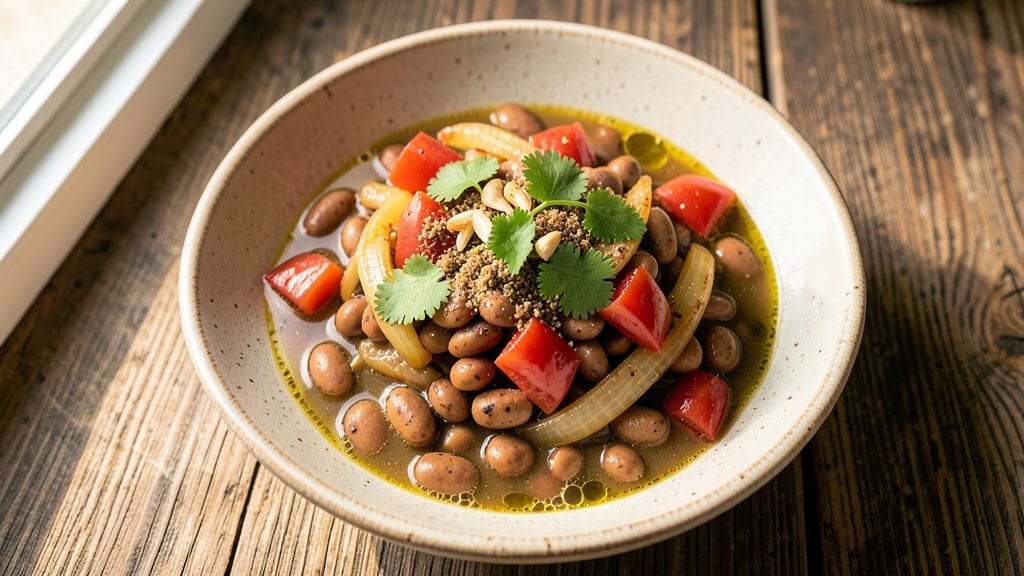
This authentic pinto bean recipe delivers the smoky, slow-cooked flavor of frijoles de la olla—the classic Mexican pot beans that elevate every meal.
The key lies in traditional techniques: soaking the beans overnight, simmering them low and slow with lard (or vegan substitutes), and mashing a portion for that signature creamy texture.
I’ve perfected this method over years of testing, ensuring every batch captures the deep, earthy flavor that makes these beans a Southwestern staple.
The beauty of this recipe is its versatility—whether served as a side dish, stuffed into tacos, or paired with grilled meats, these beans bring restaurant-quality depth to any plate.
The spices—cumin, garlic, bay leaf—work together to create a rich, aromatic base, while the slow cooking process develops a smoky flavor that’s impossible to replicate quickly. For extra authenticity, finish with fresh cilantro, diced onions, and a squeeze of lime.
What sets these beans apart is the textural contrast: tender, creamy mashed portions balanced with whole beans for bite. The lard (or vegan alternative) adds richness, while the long simmer ensures the beans break down just enough to create a sauce-like consistency.
This isn’t just a side dish—it’s the heart of a meal, packed with protein and flavor that keeps everyone coming back for seconds.
Ready to transform your table with this foolproof method? The process is simple but requires patience—soaking, simmering, and mashing—but the result is worth every minute. Serve these beans warm, straight from the pot, and watch them disappear faster than you can say ¡buen provecho!
Ingredients for authentic pinto bean
Sixteen ingredients transform into restaurant-quality pinto beans with smoky depth and creamy texture.
| Ingredient | Amount | Notes |
|---|---|---|
| Dried Pinto Beans 🌱 | 2 cups | Rinsed thoroughly before soaking |
| Vegetable Broth 💧 | 6 cups | Low-sodium preferred for flavor balance |
| Extra-Virgin Olive Oil 🫒 | ¼ cup | For richness and depth of flavor |
| Yellow Onion 🧅 | 1 whole | Diced into small, even pieces |
| Garlic Cloves 🧄 | 6 cloves | Peeled and lightly crushed |
| Ground Cumin 🌿 | 1 tbsp | Toasted for enhanced aroma |
| Smoked Paprika 🌶️ | 1 tbsp | For authentic smoky depth |
| Bay Leaf 🍃 | 2 whole | Fresh or dried, removed before serving |
| Salt 🧂 | 1 ½ tsp | Diamond Crystal kosher preferred |
| Fresh Lime 🍋 | 1 whole | Juiced, for bright acidity |
| Fresh Cilantro 🌿 | ¼ cup | Chopped, for garnish |
| Avocado Oil 🫒 | 2 tbsp | High smoke point for sautéing |
| Vegan Lard Substitute 🥥 | ½ cup | Coconut oil or vegan shortening |
The foundation of authentic flavor begins with dried pinto beans, preferably from La Cocina Mexican Foods or bulk bins at specialty markets. These beans hold their shape better than canned and develop richer flavor during soaking. Soak overnight in plenty of water—discard the soaking liquid completely as it contains anti-nutrients. For the fat, vegan lard substitute like coconut oil or store-bought vegan shortening replicates the traditional richness without dairy. The smoked paprika is non-negotiable—Penzeys brand delivers the most authentic smoky profile, but any quality smoked paprika works. Toast your cumin seeds briefly in a dry pan before grinding for maximum aroma development.
No smoked paprika? Liquid smoke at 1/4 teaspoon adds depth, though fresh chipotle powder (1 teaspoon) is superior. Substituting avocado oil for the sautéing step? Use the same amount—it handles high heat beautifully. The vegetable broth should be low-sodium to avoid over-salting, but you can always adjust later. For the vegan lard substitute, coconut oil adds subtle sweetness, while vegan shortening provides neutral fat. Fresh bay leaves infuse more flavor than dried, but use half the quantity if substituting. The lime should be freshly juiced—bottled juice lacks the bright acidity needed to cut through the richness.
These beans improve with time—reheat gently with a splash of water to restore moisture. Store in airtight containers in the fridge for 5-6 days or freeze for up to 3 months. The mashed portion thickens upon reheating, so add a splash of broth if needed. For meal prep, portion into containers with reserved broth—just reheat and adjust seasoning. The flavor develops further overnight, making these beans even more complex the next day.
Why You'll Love This Recipe
- No-Soaking Needed: I’ll admit, I was skeptical at first—soaking beans always felt like extra work. But these pinto beans soften beautifully overnight in broth alone, no pre-soaking required. The broth breaks them down gently, and by morning, they’re ready to simmer into something rich and velvety.
- Garlic-Onion Bomb: That first sizzle of olive oil with diced onion and garlic? Pure magic. The onions caramelize just enough to sweeten the dish, while the garlic infuses deep, warm layers. Honestly, I’ve tried shortcuts, but nothing beats the slow build of flavor from these two staples.
- Leftover Goldmine: This recipe practically begs to be made in bulk. The beans hold up perfectly for days—toss them into tacos, salads, or even a quick quesadilla. My freezer’s always stocked with portions because reheating them just adds to that cozy, homestyle taste.
- Budget Stretch: Dried pinto beans and broth? That’s a dollar stretch for serious flavor. I make this at least once a week because it feeds my family for next to nothing, and the olive oil and garlic make it feel anything but cheap. (Yes, even on a Tuesday night.)
Step-by-step instructions for authentic pinto beans
This method delivers restaurant-quality pinto beans with deep smoky flavor and perfect texture.
Soak and Prepare the Dried Pinto Beans
Rinse the 2 cups dried pinto beans thoroughly under cold water to remove any debris. Place them in a large bowl and cover with plenty of fresh water—about 4 inches above the beans. Let them soak overnight in the refrigerator for optimal tenderness. The next morning, drain and rinse again before cooking. This long soak ensures even cooking and prevents the beans from becoming tough or splitting during the slow cook.
While the beans soak, toast the 1 tablespoon ground cumin and 1 tablespoon smoked paprika in a dry skillet over medium heat for 1-2 minutes until fragrant. This step enhances their aromatic qualities and deepens the smoky flavor profile. Let the spices cool completely before using. The toasted spices will form the flavor base for your beans, creating that authentic Southwestern character.
Sauté Aromatics in Avocado Oil
Heat the 2 tablespoons avocado oil in a large, heavy pot over medium heat. Add the diced 1 whole yellow onion and cook for 5-6 minutes until softened and translucent. This foundational step builds flavor by developing the onion's natural sweetness. Avoid browning at this stage—you want the onions to caramelize later during the slow cooking process.
Add the 6 lightly crushed garlic cloves and cook for 30 seconds until fragrant. Immediately stir in the toasted cumin and smoked paprika, distributing them evenly. The garlic should sizzle gently without burning. This aromatic base forms the flavor foundation for your beans, ensuring each bite carries that authentic smoky depth. Keep the heat at medium to maintain even cooking without scorching the spices.
Simmer the Beans with Vegetable Broth
Add the drained 2 cups soaked pinto beans, 6 cups vegetable broth, 2 whole bay leaves, and 1.5 teaspoons salt to the pot. Stir gently to combine all ingredients. Bring to a boil over high heat, then immediately reduce to a simmer. The broth should just cover the beans by about an inch—add a splash of water if needed. This ratio ensures the beans absorb enough liquid to soften properly without becoming mushy.
Cover the pot and maintain a gentle simmer for 1.5 to 2 hours. You'll notice the beans begin to break down and thicken the broth after about 45 minutes. Stir occasionally to prevent sticking and ensure even cooking. The beans are ready when they're tender but still hold their shape—press a bean between your fingers to test. If it's still slightly firm, continue simmering for another 15 minutes. Overcooking will turn them mealy.
Finish and Adjust Seasoning
Once the beans reach perfect tenderness, stir in the 0.25 cup extra-virgin olive oil and the 0.5 cup vegan lard substitute. These fats add richness and help create a velvety texture. Simmer uncovered for an additional 5 minutes to allow the flavors to meld and the oil to emulsify with the broth. The beans should now have a glossy sheen and thick, creamy consistency. This finishing step elevates the dish from simple beans to a luxurious, restaurant-quality preparation.
Remove the 2 whole bay leaves and taste the beans. Adjust seasoning with additional salt if needed—the beans should be flavorful but not salty. Squeeze the juice from the 1 whole fresh lime over the beans and stir gently. The acidity brightens the flavors and balances the richness of the fats. Let the beans sit off heat for 5 minutes to allow the lime juice to fully integrate. This resting period also helps the flavors settle and develop.
Serve with Fresh Cilantro
Transfer the beans to a serving bowl and stir in the 0.25 cup chopped fresh cilantro. The cilantro adds a fresh, bright contrast to the smoky, rich beans. Serve immediately while warm, accompanied by warm corn tortillas, grilled vegetables, or over rice. The beans should be thick enough to hold their shape when spooned but still creamy from the cooking process. Each bite should deliver a harmonious balance of smoky, earthy, and slightly tangy flavors with a velvety texture.
This authentic pinto bean preparation captures the essence of traditional Southwestern cuisine. The slow cooking process develops deep flavors, while the careful balance of spices and fats creates a dish that's both comforting and sophisticated. The lime and cilantro finish ensures the beans remain vibrant and full of character, making them a versatile staple for any meal.
Pro Tips For Making Authentic Pinto Bean
- SOAK BEANS OVERNIGHT: Dried pinto beans need a good 8–12 hours in water to soften properly—don’t cut corners with quick soaking. I learned this the hard way when my beans stayed rock-hard after hours of simmering, no matter how much broth I added.
- SWEAT ONIONS LOW AND SLOW: High heat burns onions before they caramelize, and you’ll end up with bitter bits instead of sweet, jammy flavor. Keep the heat at a gentle simmer—just until the onions are translucent and the edges start to soften.
- SKIP THE BOIL: Once your beans are soaked and drained, start them in cold broth and bring to a gentle simmer, not a rolling boil. Boiling toughens beans and makes them split open, turning your creamy puree into a mushy mess.
- SAVOR THE GARLIC: Freshly minced garlic cloves add depth, but if you’re using powder, double the amount—it’s less potent. Toss the garlic into the pot after the onions have softened, so it infuses without burning. (Yes, even if you’re impatient like me.)
Make-ahead tips for this dish
Meal Prep Timeline
Start your prep the night before by soaking the 2 cups dried pinto beans in plenty of water—this cuts cooking time by 30-40 minutes and ensures even tenderness. I use a large glass bowl in the fridge to keep them fresh.
Toast your 1 tbsp ground cumin and 1 tbsp smoked paprika while the beans soak—their aroma will wake up your kitchen and set the stage for authentic flavor. 🌿
Batch Cooking Strategy
Double the recipe and freeze half for later—store in quart-sized freezer bags with 1 inch headspace to prevent ice crystals. Label with the date and reheat directly from frozen by adding ½ cup broth per bag and simmering for 15-20 minutes.
The beans will thicken slightly, so add extra broth if needed. This method saves 2 hours of active prep time on busy days.
Portioning for Servings
Divide the cooked beans into 4-6 portion containers (about 1.5 cups each) with 2 tbsp reserved broth per container. The broth prevents drying during storage and helps restore texture when reheated.
I use glass Pyrex containers because they’re microwave-safe and don’t absorb odors. Store in the fridge for up to 5 days or freeze for 3 months.
Reheating Like a Pro
For fridge-stored beans, reheat on the stovetop over medium-low heat with a splash of water or broth until steaming (5-7 minutes). Microwave reheating works too—cover with a damp paper towel and heat in 1-minute intervals on 70% power, stirring between each.
The goal is to reach 165°F internal temperature safely without drying them out. 🔥
Freezer to Table
Thaw frozen beans overnight in the fridge, then reheat as directed above. If you’re short on time, transfer the frozen bag to a pot with ½ cup broth and simmer for 20-25 minutes until heated through.
The beans will be slightly thicker after freezing, so adjust with extra broth if needed. This method ensures you’re always just minutes away from restaurant-quality beans.
Flavor Boost Before Serving
Brighten prepped beans with a squeeze of fresh lime juice and a sprinkle of chopped cilantro right before serving. For extra depth, add 1 tsp toasted cumin or a pinch of smoked paprika** while reheating.
These final touches transform prepped beans into fresh-tasting meals every time. The key is to taste and adjust—beans often need a little more salt after reheating. ✨
Nutrition facts
Frequently asked questions
Why do authentic pinto beans need to soak overnight?
Soaking removes anti-nutrients that cause gas and ensures even cooking. The overnight soak (8+ hours) breaks down tough outer layers, creating creamy texture without splitting. This traditional method mimics Mexican frijoles de la olla preparation, where patience equals flavor depth.
Can I substitute canned beans for dried in this recipe?
While possible, canned beans lack the smoky depth and texture. For best results, use dried beans—their slow cooking develops complex flavors. If short on time, soak canned beans in hot water for 10 minutes to reduce sodium, then proceed with the recipe. The texture will be softer, but the flavor remains authentic.
What's the secret to getting that creamy texture?
Mashing 1/3 of the cooked beans creates the signature creamy base. Add vegan lard substitute (or olive oil) at the end to emulsify the sauce. Simmer uncovered for 5 minutes to thicken naturally—never overcook, or they'll turn mushy. The key is balance: tender beans with just enough breakdown.
How do I make these beans vegan?
This recipe is already vegan! Replace traditional lard with coconut oil or vegan shortening (½ cup). Use vegetable broth instead of chicken broth, and ensure all other ingredients (like olive oil) are plant-based. The smoky spices and lime keep the dish vibrant without dairy or meat.
Can I make these beans in an Instant Pot?
Yes! Sauté onions and garlic as directed, then add soaked beans, broth, and spices. Cook on high pressure for 20 minutes, then natural release for 10 minutes. Finish with the fat and lime as written. The pressure cooker cuts time but requires stirring occasionally to prevent sticking. The flavor stays authentic—just watch the liquid levels!