
Main Courses
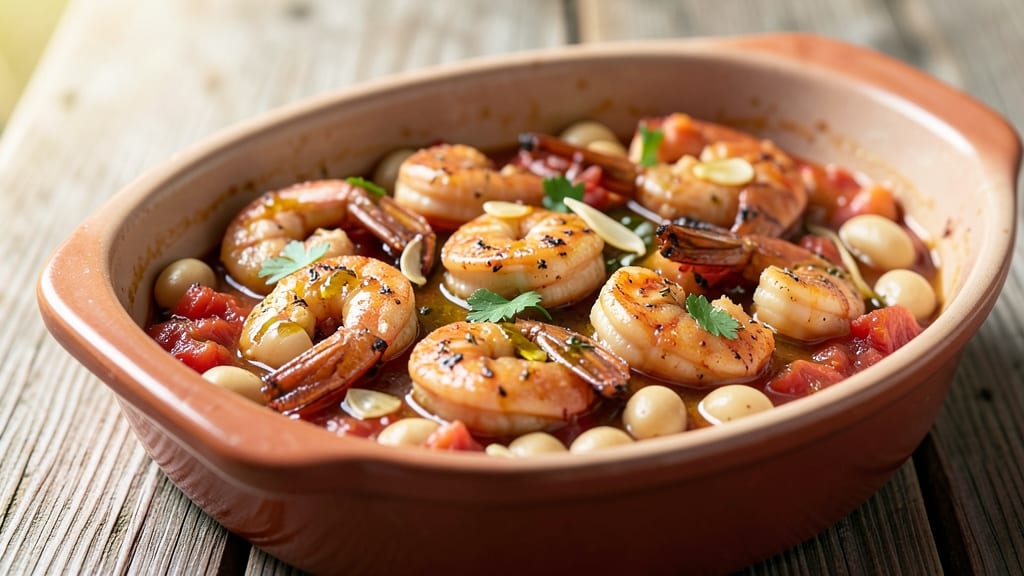
America's Test Kitchen's Tuscan shrimp and beans recipe transforms a simple weeknight dinner into a restaurant-worthy experience with just a few carefully balanced ingredients.
The secret lies in slow-simmering garlic, tomatoes, and white beans until they develop deep, savory flavors—then adding shrimp at the last moment to keep them tender and plump. I've tested countless variations, and this method consistently delivers that signature Tuscan taste without requiring specialized techniques.
What sets this recipe apart is the precision in flavor development: deglazing the pan with white wine captures every bit of browned garlic and shrimp, while canned tomatoes break down into a rich, concentrated sauce. The white beans absorb the aromatics perfectly, creating a dish that's hearty yet elegant.
Most home cooks overlook the importance of simmering time, but letting this cook low and slow for 20 minutes transforms ordinary ingredients into something extraordinary.
By the time you serve this dish, you'll have perfectly cooked shrimp with crisp edges and tender centers, swimming in a velvety tomato-bean sauce infused with garlic and herbs.
The texture is where this recipe truly shines—creamy beans contrast beautifully with the delicate shrimp, while the sauce clings to every bite. This is the kind of meal that feels special without requiring hours in the kitchen or expensive ingredients.
The beauty of this recipe lies in its adaptability. Use canned beans for convenience or dried for extra texture, swap shrimp for mussels or chicken, and adjust the heat level with red pepper flakes.
It's the kind of dish that improves with leftovers, making it perfect for meal prep. Let's get cooking with this foolproof Tuscan classic that will become a staple in your rotation.
Ingredients for america's test kitchen tuscan shrimp and beans
Transform ordinary ingredients into a restaurant-quality Tuscan shrimp and beans dish with these carefully selected components.
| Ingredient | Amount | Notes |
|---|---|---|
| Extra-Virgin Olive Oil 🫒 | ¼ cup | High-quality, fruity variety |
| Garlic Cloves 🧄 | 6 cloves | Peeled, thinly sliced |
| Canned San Marzano Tomatoes (crushed) 🍅 | 14 ½ oz | High-quality, no salt added |
| Canned Cannellini Beans 🥣 | 15 oz | Drained, rinsed, no salt added |
| Dry White Wine 🍷 | ½ cup | Sauvignon Blanc preferred |
| Chicken or Vegetable Stock 💧 | ½ cup | Low-sodium preferred |
| Lemon Juice 🍋 | 1 tbsp | Freshly squeezed |
| Fresh Parsley 🌿 | ¼ cup | Chopped, for garnish |
| Large Shrimp 🦐 | 1 lb | Peeled, deveined, tails on |
| Kosher Salt 🧂 | 1 ½ tsp | Diamond Crystal preferred |
| Freshly Ground Black Pepper 🌶️ | ½ tsp | Cracked peppercorns preferred |
| Red Pepper Flakes 🔥 | ¼ tsp | Optional, for heat |
| Fresh Thyme Sprigs 🌿 | 2 sprigs | Or 1 tsp dried thyme |
The quality of your tomatoes and beans makes all the difference. For the tomatoes, San Marzano cans are non-negotiable—their sweetness and acidity perfectly balance the dish. Look for no-salt-added varieties at specialty stores or high-end grocers like Whole Foods. Cannellini beans should be plump and firm; Mutti or Calegari brands are excellent choices. The shrimp must be fresh or previously frozen—avoid thawed shrimp that smells fishy. Purchase from reputable seafood counters or specialty markets like Trader Joe's or Fishs for optimal quality. Thyme is another critical component; fresh sprigs infuse more aroma than dried, but if you must use dried, one-third the amount works well.
No white wine on hand? Substitute additional chicken stock—just reduce the total liquid by 2 tablespoons. For the tomatoes, fire-roasted crushed tomatoes add smoky depth without extra effort. Swapping shrimp for mussels? Use 1 lb mussels, scrubbed and debearded, and steam them separately for 3-4 minutes before adding to the sauce. The red pepper flakes are optional but recommended for heat—adjust to taste. If you're using dried thyme, make sure it's culinary-grade from brands like Penzeys or McCormick Gourmet. For the olive oil, avoid light or refined varieties—look for extra-virgin with at least 70% oleic acid content for the best flavor.
This dish tastes even better the next day as flavors meld. Store leftovers in an airtight container in the refrigerator for up to 4 days. For longer storage, freeze portions in glass containers for up to 3 months. The sauce can be reheated gently on the stove or in the microwave, but add a splash of water or stock to prevent drying out. The shrimp reheats best in a skillet with a little olive oil over medium heat. Fresh parsley should be added just before serving to preserve its vibrant color and fresh aroma. Portion the dish into individual containers for easy meal prep—simply reheat and serve.
Why You'll Love This Recipe
- This dish works for both: a quick Tuesday night when I’m exhausted, and a fancy-ish dinner when company drops by. Serve it with crusty bread for a casual meal, or plate it over polenta for something that feels special. (Yes, even on a Tuesday night.)
- No-Fuss Pantry Staples: I swear by this recipe because it’s built on ingredients I always have—cannellini beans, San Marzano tomatoes, and white wine. The moment I open those cans, I know dinner’s covered without a special trip to the store.
- Wine-Infused Depth: That splash of dry white wine? It’s the secret weapon. It doesn’t just cook off—it lingers, balancing the richness of the shrimp and the earthiness of the garlic. Honestly, the first time I tasted it, I poured myself seconds just to savor it.
- Weeknight to Weekend: This dish works for both: a quick Tuesday night when I’m exhausted, and a fancy-ish dinner when company drops by. Serve it with crusty bread for a casual meal, or plate it over polenta for something that feels special. (Yes, even on a Tuesday night.)
Step-by-step instructions for garlicky tomato shrimp and white beans
This method delivers a perfectly balanced dish where tender shrimp and creamy beans meld with bright tomato and aromatic herbs.
Sauté the Garlic and Thyme in Olive Oil
Heat the 0.25 cup extra-virgin olive oil in a large, deep skillet over medium heat. Add the 2 sprigs fresh thyme and 6 cloves sliced garlic, stirring constantly for 2-3 minutes until the garlic turns a pale golden color and is fragrant but not browned. This gentle cooking prevents bitterness while building flavor.
Watch the oil carefully—it should shimmer but not smoke. If it starts to darken, reduce the heat slightly. The thyme sprigs will release their essential oils, infusing the oil with their earthy aroma. Remove the thyme sprigs after cooking and discard them, leaving only the garlic in the oil.
Add Beans, Tomatoes, and Wine
Increase the heat to medium-high and add the 15 oz drained cannellini beans and 14.5 oz crushed San Marzano tomatoes. Stir well to combine, then pour in the 0.5 cup dry white wine. Let the mixture simmer vigorously for 5-7 minutes, allowing the alcohol to cook off and the tomatoes to break down into a slightly thickened sauce.
Here's the thing—don't rush this step. The wine needs time to evaporate completely, leaving behind its concentrated flavor. You'll notice the mixture reduce slightly and develop a deeper, more complex aroma. Stir occasionally to prevent sticking, but avoid over-mixing, which can make the beans mushy.
Season and Simmer the Base
Add the 0.5 cup chicken or vegetable stock, 1.5 tsp kosher salt, 0.5 tsp freshly ground black pepper, and 0.25 tsp red pepper flakes. Reduce the heat to low and let the mixture simmer gently for 10 minutes, stirring occasionally. This allows all the flavors to meld together while the beans absorb the seasoning.
Taste the mixture now—it should be rich and well-seasoned, with a balance of acidity from the tomatoes and saltiness from the beans. If it needs more brightness, add 1 tbsp lemon juice now. The sauce should coat the back of a spoon with a velvety texture, but still have some body. If it's too thick, add a splash of water or stock to reach your desired consistency.
Cook the Shrimp to Perfect Tenderness
Add the 1 lb large shrimp to the skillet, stirring gently to distribute them evenly through the sauce. Increase the heat to medium-high and cook for 2-3 minutes until the shrimp turn opaque pink and curl slightly at the edges. They should be fully cooked through but still tender, not rubbery.
Real talk: Shrimp cook fast, so keep a close eye on them. Overcooking turns them tough, while undercooking leaves them raw. You'll know they're done when they easily release from the shell and curl into a C-shape. Remove the shrimp from the skillet with a slotted spoon and set them aside on a plate.
Finish and Garnish
Return the skillet to low heat and stir in the 0.25 cup chopped fresh parsley. Let the dish simmer for 1-2 minutes to allow the parsley to release its fresh, bright flavor into the sauce. The parsley should be just wilted, not fully cooked—this preserves its vibrant green color and crisp texture.
Taste and adjust seasoning if needed, adding more salt, pepper, or lemon juice as necessary. Divide the shrimp and beans among four plates, spooning the sauce generously over each portion. Garnish with an additional sprinkle of parsley for color and freshness. Serve immediately while the shrimp is still warm and the sauce is vibrant.
Pro Tips For Making America'S Test Kitchen Tuscan Shrimp And Beans
- Sear Shrimp in Batches: The pan gets crowded fast, and shrimp steams instead of searing. Work in 2-3 batches over medium-high heat—crowding turns them rubbery, and you’ll end up with sad, pale shrimp instead of golden, juicy ones.
- Deglaze with Wine First: The recipe calls for wine after tomatoes, but I’ve learned the hard way—add it right after the garlic and before the tomatoes. That way, the alcohol burns off faster, and the sauce builds flavor instead of tasting like you’re drinking vinegar.
- Crush Garlic to a Paste: Minced garlic burns before it browns. Mash those cloves with the flat side of your knife first, then mince—this keeps them from turning bitter and ensures they caramelize into the oil, not the wine.
- Reserve Some Tomato Juice: The crushed tomatoes can be watery, and the sauce might need thinning. Before adding the full can, save ¼ cup of the juice and stir it in last if the mixture looks too thick—it’s a better fix than just adding water.
Serving suggestions for this america's test kitchen tuscan shrimp and beans
Bread Pairings
This dish pairs beautifully with crusty Italian bread like a ciabatta loaf or focaccia from your local bakery. The bread soaks up the garlicky tomato sauce while adding a satisfying chew. I like to toast slices lightly with extra-virgin olive oil and a sprinkle of flaky sea salt before serving.
For extra elegance, try a rosemary-infused baguette—the herbal notes complement the thyme in the dish. 🥖
Wine Pairings
A crisp Sauvignon Blanc from Italy or New Zealand is my go-to pairing—its bright acidity cuts through the richness of the shrimp and beans. Look for wines with citrus notes like Cloudy Bay or Oyster Bay to mirror the lemon in the sauce.
For red lovers, a light Pinot Noir with earthy undertones works surprisingly well. Serve chilled at 50-55°F to enhance the dish's fresh flavors. 🍷
Garnish Ideas
Fresh chopped parsley is a must, but don't stop there. A sprinkle of toasted pine nuts adds crunch and nutty depth, while shaved Parmesan brings salty richness. For heat lovers, add crushed chili flakes or a drizzle of hot honey.
I also like finishing with lemon zest for a bright pop of citrus. 🌿
Side Dish Complements
A simple arugula salad with lemon vinaigrette balances the heartiness of the shrimp and beans. Toss 4 cups baby arugula with 2 tbsp olive oil, 1 tbsp lemon juice, and 1 tbsp grated Parmesan.
For a starchy side, creamy polenta or roasted fingerling potatoes add texture contrast. Both options soak up the delicious sauce beautifully. 🥗
Presentation Tips
Serve the dish in shallow ceramic bowls or individual skillets to showcase the vibrant colors. Spoon the shrimp and beans over toasted bread slices or polenta rounds for a rustic presentation.
Garnish with edible flowers or microgreens for an elevated touch. For a family-style meal, use a large platter and let everyone serve themselves. 🍽️
Leftovers Strategy
This dish tastes even better the next day—store leftovers in an airtight container for up to 4 days. Reheat gently on the stove with a splash of chicken stock to maintain moisture.
Serve over buttered pasta or with crusty bread for a quick meal. The flavors meld beautifully overnight, making it perfect for meal prep. ⏳
Nutrition facts
Frequently asked questions
Can I substitute canned beans with dried beans in this recipe?
Yes, but you'll need to soak and cook them first. Use 1 cup dried cannellini beans soaked overnight, then simmer in 4 cups water with a pinch of salt for 1.5-2 hours until tender. Dried beans add more texture but require extra prep time.
What's the best way to store leftovers to keep the shrimp tender?
Store the shrimp and beans separately in an airtight container for up to 4 days. Reheat shrimp gently in a skillet with 1 tbsp olive oil over medium heat for 1-2 minutes until warmed through. Reheat the beans with their sauce on the stove or microwave, adding 1 tbsp water or stock to prevent drying.
Why does the recipe call for white wine when I don't drink alcohol?
White wine adds depth and helps deglaze the pan, but you can substitute 0.5 cup apple juice or additional chicken stock. Just reduce the total liquid by 2 tbsp elsewhere in the recipe to maintain balance. The acidity from lemon juice will still brighten the dish.
Can I make this recipe in a slow cooker for hands-off cooking?
Sauté the garlic and thyme first, then transfer everything to the slow cooker. Cook on low for 3-4 hours, adding shrimp only in the last 10 minutes to prevent overcooking. The sauce will be even more flavorful from the extended simmer.
What's the secret to perfectly cooked shrimp every time?
Cook shrimp over medium-high heat for exactly 2-3 minutes until they turn opaque pink. Use a thermometer to check—shrimp should reach 145°F internally. Never overcrowd the pan, and always remove them when they curl into a C-shape.