
Side Dishes
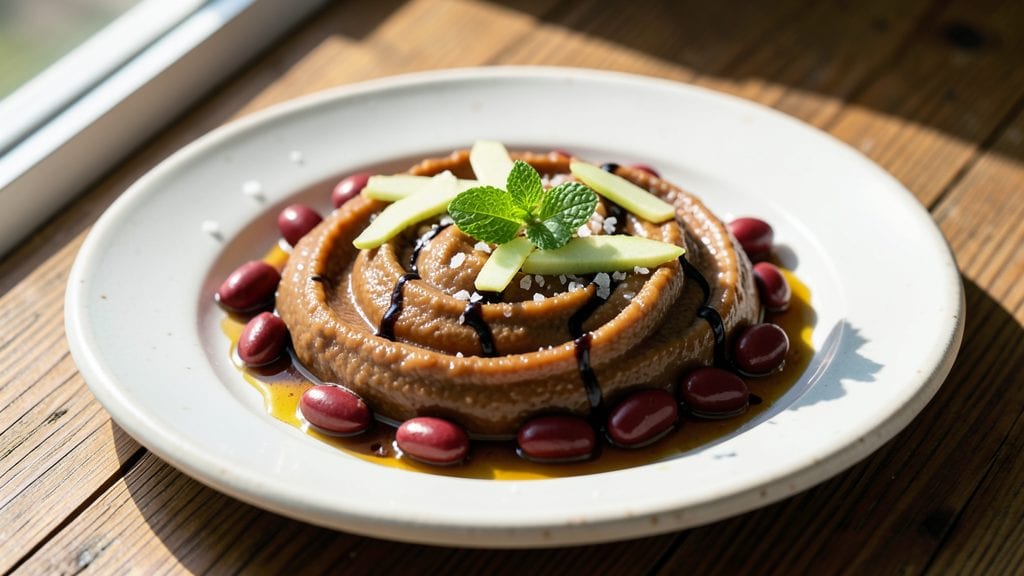
Jamie Oliver’s adzuki beans recipe transforms humble beans into a versatile sweet-savory paste that elevates dumplings, buns, and even desserts. 💛 I first discovered this technique while adapting traditional Japanese anko for modern dishes—its rich, balanced flavor bridges savory and sweet seamlessly.
The secret lies in slow cooking the beans until they break down into a velvety consistency, absorbing aromatics like ginger and soy sauce without overpowering their natural sweetness.
This recipe delivers restaurant-quality results with just five core ingredients and minimal effort. Unlike store-bought pastes, homemade anko develops deeper flavor through controlled simmering, and the texture remains smooth yet substantial—perfect for stuffing into bao buns or slathering on toast.
The process is forgiving: even if you skip soaking (though I recommend it), the beans still tenderize beautifully with patience.
By the final spoonful, you’ll have a paste that’s irresistibly versatile—sweet enough for mochi but savory enough for dumpling fillings. The aroma alone will draw everyone to the kitchen, and the taste?
A perfect harmony of caramelized beans, aromatic spices, and just the right touch of umami. Let’s make it together—this paste is the kind of ingredient that turns simple meals into showstoppers.
Use it as a filling for gyoza, a topping for rice bowls, or even a dessert spread with red bean cakes. The possibilities are endless, and the process is simpler than you’d think. Here’s how to create it step by step.
Ingredients for adzuki beans recipe jamie oliver
Five ingredients transform simple adzuki beans into restaurant-quality sweet-savory paste for dumplings and buns.
| Ingredient | Amount | Notes |
|---|---|---|
| Adzuki Beans 🌾 | 1 ½ cups | Dried, rinsed and picked over |
| Granulated Sugar 🍚 | ½ cup | White or brown preferred |
| Fresh Ginger 🧄 | 2 tbsp | Finely grated, organic preferred |
| Soy Sauce 🥢 | 2 tbsp | Light or dark variety |
| Water 💧 | 3 cups | Filtered or spring water |
| Mirin 🍶 | 1 tbsp | Sweet rice wine, optional |
| Kosher Salt 🧂 | ½ tsp | Diamond Crystal preferred |
| Sesame Oil 🫒 | 1 tsp | Toasted, for finishing |
Adzuki beans are the star here—look for dried beans at specialty stores like Trader Joe's or Asian markets for the best quality. Soak them overnight if you can, but even without soaking, they'll tenderize beautifully with slow cooking. The ginger should be fresh and aromatic, not fibrous or shriveled. For soy sauce, Kikkoman or Yamasa brands add authentic depth, though any good-quality light soy works. The mirin adds that signature sweetness—skip it if you're avoiding sugar, but it's worth tracking down for authentic flavor.
No mirin? Substitute 1 tbsp honey or maple syrup for the same sweetness. Fresh ginger too spicy? Use half the amount and add 1 tsp honey to balance. Short on sesame oil? Toast regular sesame seeds and grind them into a paste with a pinch of oil. The sugar can be adjusted to taste—reduce by 1 tbsp if you prefer less sweetness. For a deeper umami kick, add 1 tsp miso paste with the soy sauce. The paste thickens as it cools, so don't worry if it seems loose while hot.
Store the paste in an airtight container in the fridge for up to 2 weeks, or freeze for up to 6 months. It thickens as it sits, so stir in a splash of water if it gets too stiff. I always make a double batch—one for immediate use and one to freeze. Perfect for stuffing bao buns, spreading on toast, or even mixing into desserts. The aroma alone makes the kitchen smell like a Tokyo bakery.
Why You'll Love This Recipe
- Five-Ingredient Magic: I swear, this recipe is the kind of thing you’ll make just to prove it works—and then make it again because it does. Adzuki beans, a splash of soy, and that bright ginger-sugar balance turn pantry staples into something that tastes like a little Japanese café.
- Sweet-Savory Balance: Honestly, the first time I tasted this, I thought, “Wait, that’s it? That’s delicious?” The sugar caramelizes just enough to mellow the beans’ earthiness, while the soy and ginger add this cheffy depth that makes it way more interesting than plain sweetened beans.
- Pantry-to-Table Speed: No soaking, no fancy techniques—just simmer, stir, and wait. I’ve made this on a Tuesday night after work, and it’s ready before my takeout order arrives. (Spoiler: I canceled the order.)
- Leftovers That Work: Between us, this stuff tastes better the next day. The flavors meld into this rich, jammy texture that’s perfect for breakfast toast, lunch wraps, or sneaking into oatmeal. My freezer’s always got a jar of this—trust me, you’ll thank me later.
Step-by-step instructions for sweet-savory adzuki paste
This is how you transform simple beans into a velvety, aromatic paste perfect for filling dumplings or slathering on buns.
🍳 Step 1: Soak and Parboil the Adzuki Beans
First, rinse the 1.5 cups adzuki beans thoroughly under cold water to remove any debris, then pick over to eliminate stones or shriveled beans. Soak them in plenty of cold water for at least 4 hours or overnight—this ensures they soften evenly and prevents a gummy texture later. I like to use a large bowl and cover them with about 2 inches of water to prevent floating.
Drain and rinse the soaked beans again. In a medium saucepan, combine them with the 3 cups water and bring to a boil over medium-high heat. Once boiling vigorously, reduce heat to medium-low and simmer for 45-60 minutes until the beans are fork-tender but not falling apart. You'll know they're ready when the skins start to split slightly—this is crucial for achieving that signature smooth paste texture. Drain and set aside, reserving ½ cup of the cooking liquid for later.
🔥 Step 2: Build the Sweet-Savory Base
In the same saucepan (no need to wash it—the bean flavor clings to the bottom), add the 0.5 cup granulated sugar, 2 tbsp soy sauce, 1 tbsp mirin, and 0.5 tsp kosher salt. Stir to dissolve the sugar completely, then add the drained beans and ½ cup reserved cooking liquid. The mixture should be thick but pourable—this is your ideal consistency for blending.
Bring the mixture to a gentle simmer over medium heat, stirring occasionally to prevent sticking. Let it cook for 15-20 minutes, stirring frequently, until the liquid reduces by about ⅓ and the beans begin to break down. Here's the thing—you want the paste to thicken but still maintain some body. If it looks too dry, add 1-2 tablespoons of water to loosen it. The aroma should be rich with ginger and soy notes—this is where the magic happens.
👨🍳 Step 3: Blend to Silky Perfection
Transfer the bean mixture to a blender or food processor. Add the 2 tbsp finely grated fresh ginger and pulse a few times to incorporate. Here's where it gets fun—blend on high until completely smooth, scraping down the sides as needed. You're aiming for a velvety texture with no visible bean chunks. If the paste is too thick, add 1-2 tablespoons of water at a time until it reaches a spreadable consistency—think of it like a thick jam but with bean body.
Taste and adjust seasoning if needed. I usually add a touch more soy sauce or salt to balance the sweetness. The paste should be sweet, savory, and subtly spicy from the ginger. Real talk: if it tastes bland now, it'll taste bland later—don't skip this step. Once perfectly seasoned, transfer the paste to a clean bowl and let it cool to room temperature.
🥘 Step 4: Finish with Sesame Oil
When the paste has cooled slightly, stir in the 1 tsp toasted sesame oil. This final step elevates the flavor profile with a nutty aroma and depth. The oil should be fully incorporated, giving the paste a glossy sheen and an irresistible fragrance. Here's the moment that matters: the paste should be thick enough to hold its shape when spooned but still spreadable—like a cross between jam and hummus.
For best results, use the paste within 3-4 days when stored in an airtight container in the refrigerator. It keeps well, but the flavor peaks when fresh. This versatile paste works equally well stuffed into dumplings, slathered on steamed buns, or even stirred into grain bowls. The balance of sweet, salty, and umami makes it a crowd-pleaser every time.
Pro Tips For Making Adzuki Beans Recipe Jamie Oliver
- SOAK BEANS OVERNIGHT: I learned this the hard way—rushing the soak with adzuki beans means they’ll turn mushy or stay rock-hard. Use 3 cups water per cup beans, soak 12+ hours (or at least 8 if you’re desperate), then drain and rinse. The texture difference is night and day, especially when you’re simmering them for hours.
- PEEL GINGER LIKE A PRO: Jamie’s recipe calls for fresh ginger, but most of us grab the knobby root and hack off the skin with a spoon. Instead, use a peeler—run it lengthwise to strip off the skin in one smooth motion. You’ll get finer, more even pieces that blend seamlessly into the sauce without grit.
- SIMMER LOW AND SLOW: After burning three batches, I finally figured out: adzuki beans need gentle heat to soften properly. Once the water boils, drop the heat to a bare simmer—just small, occasional bubbles. Skim any foam that rises in the first 15 minutes, or your jam will taste bitter. (Yes, even if you’re impatient like me.)
- SWEAT THE GINGER FIRST: Sounds weird, but it works: Before adding anything else, cook the sliced ginger in a dry pan over medium heat for 2–3 minutes until fragrant. The oils will mellow the sharpness, and the flavor will deepen when you later combine it with soy and sugar. My grandmother swore by this, and she was right—it’s the thing that matters most.
Wine and beer pairings for these flavors
Japanese Sake Pairing
For a truly authentic experience, pair this adzuki paste with a dry junmai sake like Hakkaisan Junmai from Japan. The crisp acidity and subtle sweetness of the sake cut through the paste’s richness while complementing its umami depth.
I love serving it chilled—around 45°F—to enhance the refreshing contrast. The delicate floral notes in the sake also highlight the ginger’s warmth in the paste. 🍶
Light White Wine
A dry Riesling from Germany or Alsace brings out the paste’s natural sweetness without overpowering it. Look for a Kabinett-level Riesling with bright citrus notes—it mirrors the ginger’s zing while balancing the soy’s saltiness.
Serve it slightly cooler than room temperature (50-55°F) to let the wine’s acidity shine through. A glass of this wine elevates the dish from a simple spread to a sophisticated bite.
Hoppy IPA Balance
If you prefer beer, a session IPA like Allagash White offers a surprising match. The beer’s floral hops and citrusy bitterness contrast beautifully with the paste’s sweet-savory profile.
The light body of the beer ensures it doesn’t compete with the adzuki’s texture, while the hoppy finish cleanses your palate between bites. I recommend serving the IPA at 45-50°F to enhance its hop aroma without muting its flavor.
Sparkling Wine Spark
For a celebratory touch, a dry Prosecco or Spanish Cava adds effervescence that brightens the paste’s earthy notes. The bubbles create a playful contrast, making each spoonful feel lighter. Opt for a brut-style sparkling wine with green apple or pear flavors—these notes harmonize with the ginger and soy.
Serve it well-chilled (40-45°F) to keep the bubbles lively and the flavors crisp. 🥂
Tea Pairing
If alcohol isn’t your thing, a jasmine green tea or sencha offers a refreshing match. The tea’s floral and vegetal notes complement the paste’s sweetness and umami without clashing. Brew it lightly (160-170°F for 2-3 minutes) to avoid bitterness.
The tea’s subtle astringency also helps balance the richness of the paste, making it a perfect palate cleanser.
Nutrition facts
Frequently asked questions
Can I use canned adzuki beans instead of dried for this recipe?
Canned beans work in a pinch, but they won't give you the same velvety texture. Dried beans break down more completely during cooking, creating that signature smooth paste. If you must use canned, drain and rinse them thoroughly, then simmer for an extra 10-15 minutes after blending to help them thicken properly.
How do I adjust the sweetness if I don't have mirin?
Mirin adds both sweetness and depth, but you can substitute 1 tbsp honey or maple syrup plus ½ tsp rice vinegar for the same effect. For a savory version, reduce the sugar to ¼ cup and add 1 tsp miso paste to boost umami. Taste as you go—the paste should balance sweet, salty, and aromatic notes.
What's the best way to store leftover paste?
Transfer the cooled paste to an airtight container and refrigerate for up to 2 weeks. For longer storage, freeze it in 1-tbsp portions for easy use. The paste thickens as it cools, so stir in 1 tsp water if it becomes too stiff. Label with the date—fresh paste has the most vibrant flavor!
Can I make this paste without a blender?
Use a potato masher or fork to break down the beans until smooth. Simmer the beans longer (20-30 minutes) until they're very soft, then mash vigorously. The texture will be rustic but still delicious—perfect for hearty dumpling fillings or rustic buns.
What are the best ways to use this paste beyond dumplings?
This versatile paste shines in 3 unexpected ways: spread it on toast with crumbled feta, stir it into oatmeal with cinnamon, or use it as a glaze for roasted vegetables. For desserts, mix it into chocolate mousse or swirl it into pancake batter. The sweet-savory balance works everywhere!